
Choosing the best material for your pots and pans can change the way you cook every meal. You want cookware that heats evenly, lasts long, and is easy to clean.
But with so many options out there, how do you know which one is right for you? You’ll discover the top materials used in pots and pans, along with their benefits and drawbacks. By the end, you’ll feel confident picking the perfect cookware that matches your cooking style and kitchen needs.
Keep reading—your next great meal starts here.

Credit: www.healthierhomes.com
Common Materials Used
Pots and pans come in many materials. Each has unique features for cooking. Knowing these can help you pick the best one for your kitchen. Some materials hold heat well. Others are easy to clean or light to handle. Understanding these can improve your cooking experience.
Stainless Steel Benefits
Stainless steel is strong and lasts long. It does not rust or stain easily. This material works well for boiling and frying. It does not react with food, keeping flavors pure. Cleaning is simple since it resists scratches. Many cooks prefer stainless steel for its durability.
Cast Iron Durability
Cast iron is heavy but very tough. It heats evenly and keeps heat for a long time. Great for slow cooking and frying. It can last for decades with proper care. Cast iron needs seasoning to prevent rust. It adds iron to your food, which is healthy.
Aluminum Pros And Cons
Aluminum heats up quickly and evenly. It is light, making pots easy to lift. This material is usually cheaper than others. But aluminum can react with acidic foods. It may scratch or dent more easily. Many aluminum pans have a protective coating to avoid this.
Copper Heat Conductivity
Copper is excellent at conducting heat fast. It gives precise temperature control while cooking. This helps to avoid hot spots in the pan. Copper pans often have a stainless steel lining. Without lining, copper can react with food. Copper pots require regular polishing to keep their shine.
Nonstick Coatings
Nonstick pans are popular for easy cooking and cleaning. They prevent food from sticking to the surface. This means less oil or butter is needed. Nonstick coatings can wear out over time. Avoid using metal utensils to protect the surface. These pans work well for eggs and pancakes.
Performance Factors
Choosing the best material for pots and pans depends on several performance factors. These factors affect how well the cookware cooks food and how long it lasts. Understanding these points helps you pick the right cookware for your kitchen.
Heat Distribution
Even heat distribution means food cooks evenly. Some materials spread heat better than others. Copper and aluminum are excellent at this. They avoid hot spots that burn food. Stainless steel may not distribute heat as well but works with a copper or aluminum base to improve this.
Durability And Maintenance
Durability means how long the cookware stays good. Some materials resist scratches and dents better. Cast iron lasts for decades but needs special care to avoid rust. Non-stick pans require gentle cleaning to keep their coating. Stainless steel is tough and easy to clean but can stain.
Reactivity With Food
Some materials react with acidic or salty foods. This can change the taste or color of the food. Aluminum and cast iron can react and give a metallic taste. Stainless steel and non-stick coatings do not react. This keeps food safe and tasty.
Weight And Handling
Heavy cookware can be hard to lift and move. Cast iron is very heavy but holds heat well. Aluminum and non-stick pans are light and easy to handle. Think about your strength and cooking style when choosing the weight of pots and pans.
Health And Safety Considerations
Choosing the right material for pots and pans affects your health and safety. Some materials can release harmful substances into food. Others might cause allergic reactions. Knowing these risks helps you cook safely and enjoy your meals without worry.
Chemical Leaching Risks
Certain cookware materials can leak chemicals when heated. Non-stick pans may release toxic fumes if overheated. Aluminum pots can react with acidic foods, causing metal to enter food. Cast iron pans can release iron, which is safe in small amounts. Stainless steel is a safer choice because it does not leach harmful chemicals.
Allergen Concerns
Some cookware materials may cause allergies. Nickel, found in some stainless steel, can trigger skin reactions. People with metal allergies should choose ceramic or glass cookware. Avoid using damaged non-stick pans, as flakes might enter food. Always check cookware labels for allergen information.
Safe Cooking Temperatures
Each pot and pan material has a safe temperature limit. Non-stick pans work best under medium heat to avoid damage. Cast iron and stainless steel handle high heat well. Overheating pans can release toxins or cause warping. Follow manufacturer guidelines for safe cooking temperatures.
Best Materials For Specific Cooking Styles
Choosing the right pot or pan material helps cook better food. Different materials work best for different cooking styles. This guide shows the best materials for specific cooking needs.
Searing And Sautéing
Cast iron and stainless steel are best for searing and sautéing. They hold heat well and create a nice crust on food. Cast iron adds flavor with use. Stainless steel is easy to clean and durable.
Slow Cooking And Braising
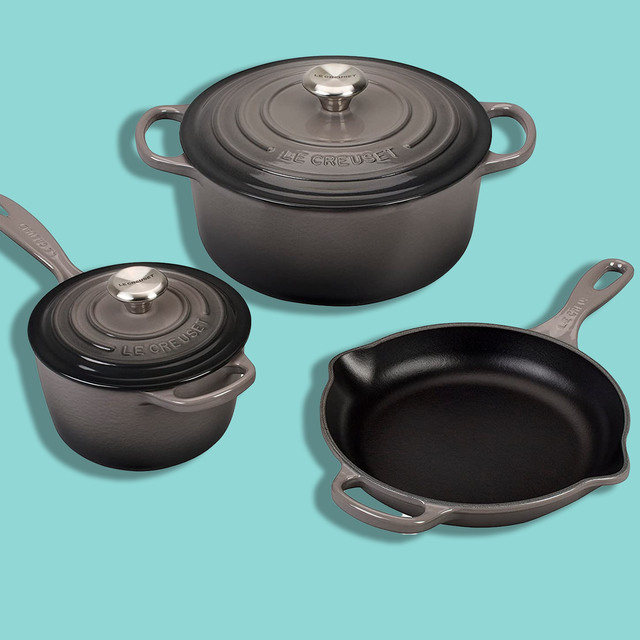
Ceramic and enameled cast iron work well for slow cooking. They heat evenly and keep moisture inside. This helps tenderize meat and develop deep flavors. These materials also stay warm longer on low heat.
Baking And Roasting
Heavy-duty stainless steel and cast iron are great for baking and roasting. They distribute heat evenly to cook food thoroughly. Cast iron can go from stove to oven without problems. Stainless steel pans resist warping at high temperatures.
Boiling And Steaming
Aluminum and stainless steel are perfect for boiling and steaming. Aluminum heats quickly and evenly, saving time. Stainless steel resists rust and is easy to clean. Both materials work well with steamers and pots.
Budget And Longevity
Choosing the right pots and pans depends on your budget and how long you want them to last. Some materials cost more upfront but can save money over time. Others are cheaper but wear out faster. Understanding cost and lifespan helps you pick the best option for your kitchen.
Cost Comparison
Cast iron and aluminum pans usually cost less than copper or stainless steel sets. Non-stick pans fall in the mid-range. Expensive materials like copper offer great heat control but may not fit every budget. Consider what fits your price range before buying.
Lifespan Expectations
Cast iron pans can last decades with proper care. Stainless steel also lasts a long time and resists rust. Non-stick coatings wear out faster and may need replacement every few years. Copper requires polishing but can remain functional for many years.
Warranty And Brand Reputation
Some brands offer long warranties, showing confidence in their products. Check brand reviews to see if customers report durability. A good warranty can protect your investment and give peace of mind. Choose brands known for quality and support.
Eco-friendly And Sustainable Options
Choosing eco-friendly and sustainable pots and pans helps protect the planet. These options use materials that reduce waste and save energy. They also come from sources with less harm to nature. Using such cookware supports a cleaner environment.
Recyclability
Cookware made from recyclable materials lowers landfill waste. Aluminum and stainless steel pots are easy to recycle. Recycling these metals saves natural resources and energy. Avoid cookware with mixed materials that are hard to recycle. Simple materials extend the life of the product beyond use.
Energy Efficiency
Materials that conduct heat well reduce cooking time. Copper and cast iron pots heat quickly and evenly. This cuts down energy use during cooking. Less energy means fewer emissions and lower utility bills. Efficient cookware supports a greener kitchen and lifestyle.
Sourcing And Manufacturing Impact
Look for pots made from responsibly sourced materials. Bamboo handles and recycled metals have less environmental impact. Factories that use clean energy and reduce waste help the planet. Small changes in sourcing and making cookware protect forests and water. Support brands that care about nature and workers.
Maintenance Tips By Material
Different pot and pan materials need different care. Proper maintenance keeps them safe and lasting. Knowing how to clean and care helps you get the best use from your cookware. Below are simple tips for common materials.
Cleaning Stainless Steel
Use warm water and mild dish soap for daily cleaning. Avoid harsh scrubbers that can scratch the surface. For stuck food, soak the pan before washing. Use a soft cloth or sponge to wipe clean. Dry immediately to prevent water spots. For extra shine, polish with a stainless steel cleaner.
Caring For Cast Iron
Rinse with hot water and avoid soap to keep the seasoning intact. Use a stiff brush or scraper to remove food bits. After washing, dry the pan completely to stop rust. Apply a thin layer of oil before storing. Heat the pan on the stove to keep the seasoning strong.
Maintaining Nonstick Surfaces
Clean with a soft sponge and mild detergent. Avoid metal utensils to stop scratches. Do not use abrasive cleaners or scrubbers. Use low to medium heat to protect the coating. Hand wash only; avoid the dishwasher. Let the pan cool before cleaning to protect the surface.
Polishing Copper
Use a copper cleaner or a mix of lemon and salt to remove tarnish. Rub gently with a soft cloth in circular motions. Rinse with warm water and dry thoroughly. Avoid abrasive pads that can scratch copper. Polish regularly to keep the bright, shiny finish.

Credit: kitchenbap.com
Credit: www.goodhousekeeping.com
Frequently Asked Questions
What Is The Best Material For Non-stick Pans?
Non-stick pans with ceramic or Teflon coatings offer easy food release. They require less oil and are ideal for low-fat cooking. Avoid overheating to preserve the coating’s lifespan. They are perfect for cooking eggs, pancakes, and delicate foods.
Are Stainless Steel Pots Better For Cooking?
Stainless steel pots are durable and resistant to rust and corrosion. They provide even heat distribution with an aluminum or copper core. These pots are great for browning, searing, and boiling. They are dishwasher safe and maintain flavor without reacting to food.
Why Choose Cast Iron For Pots And Pans?
Cast iron offers excellent heat retention and even cooking. It’s ideal for frying, baking, and slow cooking. When seasoned properly, it becomes naturally non-stick and adds iron to your diet. Cast iron is heavy but lasts a lifetime with proper care.
Is Copper Cookware Worth The Investment?
Copper cookware heats quickly and evenly, giving precise temperature control. It is often lined with stainless steel to prevent reactions with food. Copper pots and pans are visually appealing and preferred by professional chefs. However, they require regular polishing and careful maintenance.
Conclusion
Choosing the right material for pots and pans matters a lot. Each type offers benefits and some limits. Stainless steel is tough and easy to clean. Cast iron holds heat well but needs care. Non-stick pans help cook with less oil.
Copper heats fast but costs more. Think about what you cook most often. Pick a material that fits your kitchen habits. Good cookware makes cooking easier and more fun. Take time to choose what works best for you. Your meals will taste better with the right tools.

Hello, This is Annie Walker, a 38-year-old blogger, founder, and editor of Cookware Guider from NY, USA. I am a cookware fanatic and passionate cooker. I love to cook with different types of cooking appliances (example: all types of cookware, rice cookers, slow cookers, etc) almost every day in my kitchen. I love to share my experience with my readers in my blog. Also, I enjoy helping people to solve their problems through my website. You can follow me on Twitter & Pinterest. To know details about my blog please check the about us page.