
If you’ve ever struggled to keep your stainless steel cookware looking shiny and new, you’re not alone. Stains, burnt food, and water spots can make your pots and pans look dull and worn out.
But what if cleaning your cookware didn’t have to be a chore? Imagine restoring your stainless steel to its original gleam with simple, effective steps you can do at home. You’ll discover the best way to clean your stainless steel cookware so it lasts longer and performs better.
Keep reading—you’ll be amazed at how easy it is to bring back that sparkling finish!

Credit: notacook.com
Choosing The Right Cleaner
Cleaning stainless steel cookware well depends on choosing the right cleaner. The right product keeps the cookware shiny and scratch-free. It removes stains and food residues without harming the steel. Some cleaners work fast but can be harsh. Others are gentle but need more effort. Knowing the options helps pick the best cleaner for your needs.
Commercial Cleaners
Commercial cleaners are made specifically for stainless steel. They remove tough stains, burnt food, and water spots quickly. Most of these cleaners have special ingredients to polish and protect the surface.
Benefits of commercial cleaners:
- Fast and effective cleaning
- Easy to use, often spray or paste form
- Formulated to prevent scratches
- Leaves a shiny finish
Some popular types include powders, creams, and sprays. Follow the instructions carefully to avoid damage. Test on a small spot first. Avoid cleaners with bleach or chlorine as they can discolor the steel.
| Cleaner Type | Use | Pros | Cons |
|---|---|---|---|
| Powder | Scrubbing tough stains | Strong stain removal | May scratch if rubbed hard |
| Cream | Polishing and light cleaning | Gentle, shiny finish | Needs rubbing effort |
| Spray | Quick cleaning and shine | Easy to apply | Less effective on heavy stains |
Natural Alternatives
Natural cleaners offer a safe and gentle way to clean stainless steel cookware. They use simple household ingredients. These options are eco-friendly and less likely to harm the surface.
Common natural cleaners:
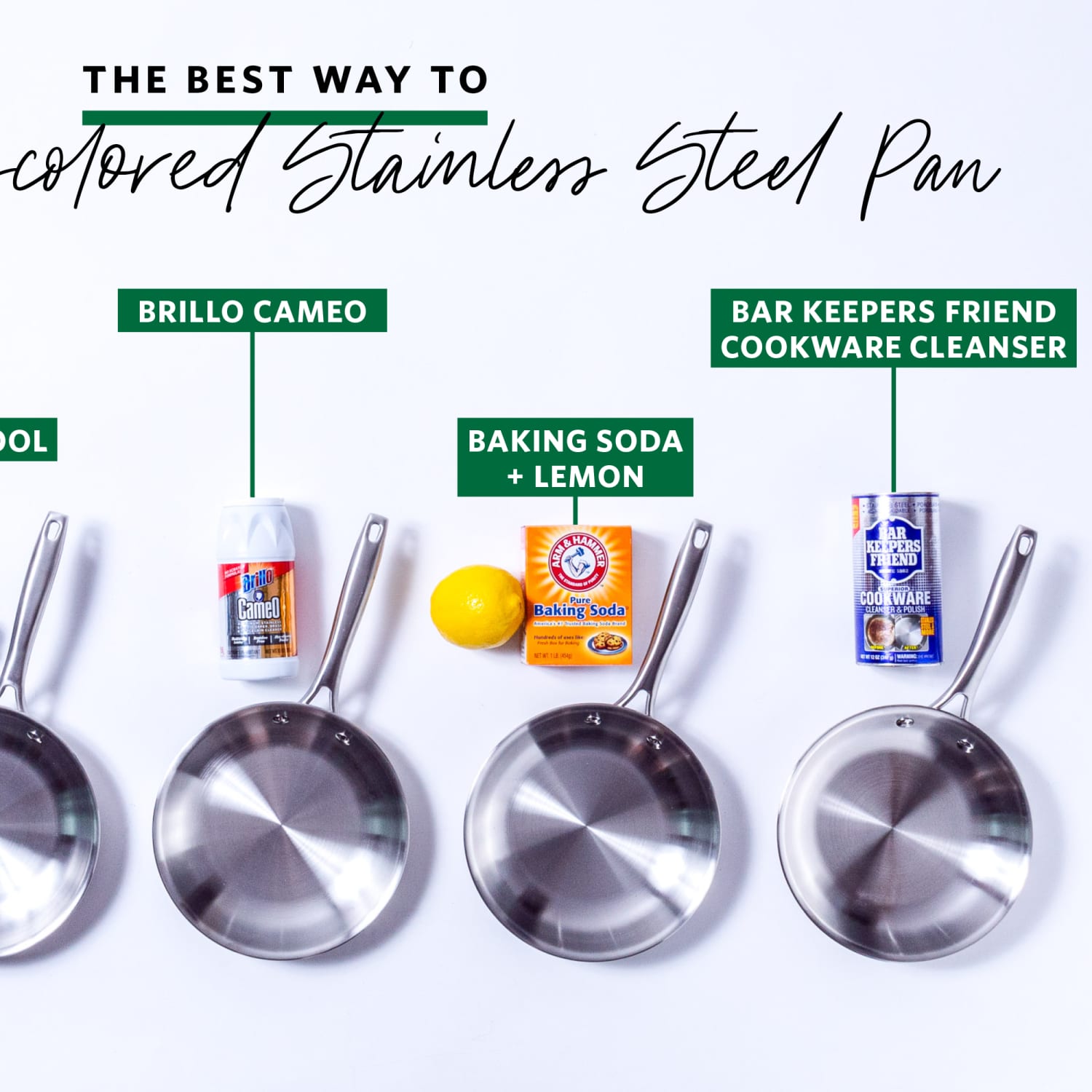
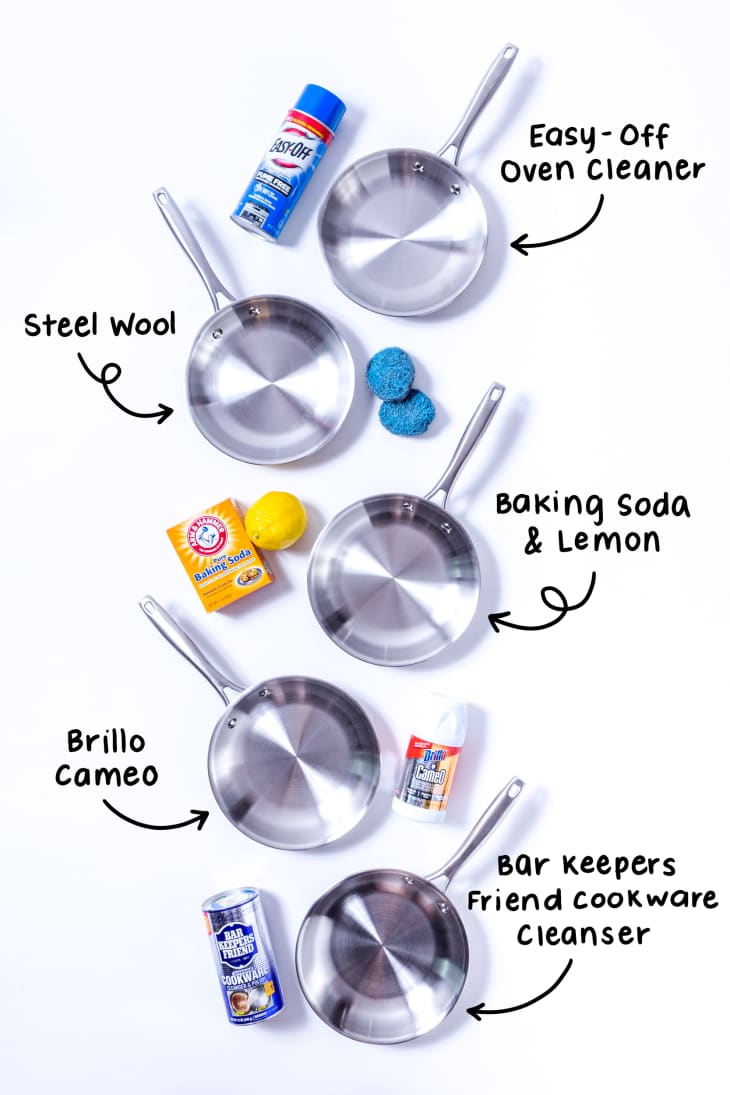
- Baking soda: Acts as a mild abrasive to remove stains and stuck food.
- White vinegar: Cuts grease and adds shine by dissolving mineral deposits.
- Lemon juice: Removes spots and brightens the surface with its acid.
- Olive oil: Used to polish and restore shine after cleaning.
Use a paste of baking soda and water for scrubbing. Spray vinegar on the surface, let it sit, then wipe clean. Rinse well to avoid residue. Natural methods take more time but protect cookware well.
Here is a simple guide to natural cleaning:
- Sprinkle baking soda on the cookware.
- Rub gently with a damp cloth or sponge.
- Spray white vinegar and wait 5 minutes.
- Wipe with a soft cloth and rinse with warm water.
- Dry and polish with a few drops of olive oil.
Credit: www.thekitchn.com
Daily Cleaning Tips
Keeping stainless steel cookware clean every day is key to maintaining its shine and performance. Simple daily cleaning stops stains, food buildup, and damage. Follow easy steps to care for your pots and pans after each use. These tips help your cookware last longer and look great.
Washing After Use
Clean stainless steel cookware right after cooking. This prevents food from sticking and hardening, making cleaning easier. Use warm water and mild dish soap for the best results. Avoid leaving food residue for a long time, as it can cause stains or discoloration.
- Rinse the cookware with warm water first to remove loose food.
- Apply a small amount of mild dish soap with a soft sponge or cloth.
- Gently scrub the surface in circular motions to avoid scratches.
- Rinse thoroughly with clean water to remove all soap.
- Dry immediately with a soft towel to prevent water spots.
Using this simple routine keeps your cookware shiny and smooth. For stuck-on food, soak the pan in warm soapy water for 10-15 minutes before washing. This softens residues and makes scrubbing easier.
| Step | Action | Tip |
|---|---|---|
| 1 | Rinse with warm water | Remove loose bits first |
| 2 | Use mild soap and sponge | Protect surface from scratches |
| 3 | Scrub gently | Use circular motions |
| 4 | Rinse thoroughly | Remove all soap residue |
| 5 | Dry with soft towel | Prevent water spots |
Avoiding Abrasive Tools
Use soft cleaning tools to protect the surface of stainless steel cookware. Abrasive scrubbers and harsh brushes can cause scratches and dull the finish. Avoid steel wool, rough scouring pads, or metal brushes. These damage the cookware and make it prone to rust or stains.
Instead, choose cleaning tools that are gentle but effective:
- Soft sponges or cloths
- Non-scratch nylon scrubbers
- Microfiber cloths for drying and polishing
For tough stains, use a baking soda paste (baking soda mixed with water) applied with a soft cloth. Let it sit for a few minutes, then wipe gently. This method cleans without scratching.
Below is a comparison of cleaning tools to use and avoid:
| Tool | Use? | Notes |
|---|---|---|
| Steel Wool | No | Scratches surface easily |
| Rough Scouring Pad | No | Can dull finish and cause damage |
| Soft Sponge | Yes | Gentle cleaning, safe for cookware |
| Nylon Scrubber | Yes | Good for stuck-on food without scratching |
| Microfiber Cloth | Yes | Great for drying and polishing |
Removing Stubborn Stains
Removing stubborn stains from stainless steel cookware can be challenging but is necessary to keep your pots and pans looking new. Stains like burnt food residue, water spots, and discoloration often build up over time. These marks affect the cookware’s shine and may impact cooking quality. Using the right cleaning methods restores the cookware’s surface without causing damage. Below are easy and effective ways to tackle these common stains.
Burnt Food Residue
Burnt food stuck to stainless steel cookware can be tough to remove. It usually forms a dark, hard layer that regular washing cannot clean. Try these simple steps to remove burnt food residue:
- Soak the cookware: Fill the pan with warm water and add a few drops of dish soap. Let it soak for 30 minutes to soften the residue.
- Use baking soda: Sprinkle baking soda over the burnt areas. Add a little water to make a paste. Baking soda gently lifts burnt food without scratching.
- Scrub carefully: Use a soft sponge or nylon scrubber to rub the paste over the stains. Avoid steel wool to prevent scratches.
- Boil vinegar solution: For very stubborn stains, fill the cookware with equal parts water and white vinegar. Boil for 5-10 minutes, then let cool and scrub.
Here is a quick guide for burnt food residue removal:
| Step | Method | Time Needed |
|---|---|---|
| 1 | Soak in warm soapy water | 30 minutes |
| 2 | Apply baking soda paste and scrub | 10 minutes |
| 3 | Boil vinegar-water solution (if needed) | 5-10 minutes |
Repeat the process if residue remains. Patience is key to avoid damaging the cookware surface.
Water Spots And Discoloration
Water spots and discoloration can dull the shine of stainless steel cookware. These stains happen from hard water minerals or overheating. Use these tips to clear water spots and restore the surface:
- Vinegar wipe: Dampen a cloth with white vinegar and rub the spots gently. Vinegar dissolves mineral deposits quickly.
- Baking soda scrub: Make a baking soda paste with water. Apply to the discolored areas and rub softly with a cloth.
- Polish with olive oil: After cleaning, apply a small amount of olive oil on a soft cloth and buff the cookware. This adds shine and protects the surface.
Use this table for easy water spot removal:
| Cleaning Agent | Use | Effect |
|---|---|---|
| White Vinegar | Wipe with cloth | Dissolves mineral deposits |
| Baking Soda | Scrub with paste | Removes discoloration |
| Olive Oil | Buff with cloth | Restores shine |
Regular cleaning and drying after use reduce water spots and discoloration. Keep the cookware dry and polished for a bright finish.
Credit: www.thekitchn.com
Polishing Stainless Steel
Polishing stainless steel cookware restores its shine and keeps it looking new. Over time, stainless steel can get dull or show streaks and fingerprints. Polishing removes these marks and makes the surface smooth and bright again. It also helps protect the metal from stains and rust. Simple polishing methods work well at home and need only a few tools or products. This section explains easy ways to polish stainless steel cookware for a clean and glossy finish.
Using Olive Oil
Olive oil is a natural and safe option to polish stainless steel. It adds shine and helps remove fingerprints and smudges. Olive oil creates a thin protective layer that keeps the surface smooth and less prone to stains.
- Start with clean cookware. Wash and dry completely before polishing.
- Apply a small amount. Use a soft cloth to put a few drops of olive oil on the surface.
- Rub gently. Move the cloth in small circles to spread the oil evenly.
- Buff the surface. Use a dry part of the cloth to remove excess oil and bring out the shine.
Olive oil is easy to use and safe for food contact surfaces. It does not contain chemicals or abrasives. This method works best for light polishing and regular care. For deeper scratches or heavy stains, specialized products may be needed.
| Pros of Using Olive Oil | Cons of Using Olive Oil |
|---|---|
| Natural and food-safe | Not effective for deep scratches |
| Easy to find and affordable | Leaves a slight oily residue if overused |
| Enhances shine and smoothness | Needs regular reapplication |
Specialized Polishes
Specialized polishes designed for stainless steel give a professional finish. These products contain ingredients that clean, polish, and protect the metal in one step. They remove stubborn stains, water spots, and scratches better than oils or home remedies.
When using specialized polishes:
- Choose the right product. Look for polishes made for stainless steel cookware or appliances.
- Follow instructions carefully. Each product has specific steps for best results.
- Use a soft cloth or sponge. Avoid abrasive tools that can scratch the surface.
- Apply polish sparingly. A small amount usually works well.
- Buff to a shine. Remove excess polish with a clean, dry cloth.
Specialized polishes often contain protective coatings that help prevent future damage and keep the surface shiny longer. They cost more than natural oils but save time and effort, especially for older or heavily used cookware.
| Feature | Benefit | Example Products |
|---|---|---|
| Stain and spot removal | Restores clean, bright surface | Bar Keepers Friend, Weiman Stainless Steel Polish |
| Scratch reduction | Makes surface smooth and uniform | 3M Stainless Steel Cleaner |
| Protective coating | Prevents fingerprints and water marks | Therapy Stainless Steel Polish |
Maintenance Practices
Keeping stainless steel cookware clean and shiny takes more than just washing after each use. Maintenance practices help preserve the cookware’s look and performance. Proper care prevents stains, rust, and discoloration. It also extends the life of your pots and pans. Simple habits like correct storage and scheduled deep cleaning keep your cookware in top shape. These steps are easy to follow and save money over time.
Proper Storage
Storing stainless steel cookware the right way avoids scratches and damage. Avoid stacking pots and pans directly on top of each other. Metal surfaces can scratch and dull easily. Use soft cloths or paper towels between items to protect the finish. Here are some storage tips:
- Store cookware in a dry place to prevent rust.
- Use hooks or racks to hang pans and save space.
- Keep lids separate or place them upside down on the cookware.
- Stack pots with a soft barrier between each one.
Use the table below for quick storage do’s and don’ts:
| Do | Don’t |
|---|---|
| Dry cookware thoroughly before storing | Store wet or damp cookware |
| Use padded dividers between pots | Stack pots directly without protection |
| Hang pans to avoid scratches | Throw cookware loosely in a cabinet |
Good storage habits help keep your stainless steel cookware looking new and prevent costly damage.
Regular Deep Cleaning
Simple daily washing is not enough for stainless steel cookware. Deep cleaning removes tough stains and buildup. It restores the shiny surface and keeps the cookware safe for cooking. Plan deep cleaning once a month or after cooking acidic foods like tomato sauce.
Use these steps for effective deep cleaning:
- Fill the cookware with warm water and add a few drops of dish soap.
- Let it soak for 15-20 minutes to loosen stuck food.
- Scrub gently with a non-abrasive sponge or cloth.
- For stubborn stains, make a paste of baking soda and water.
- Apply the paste and rub gently in circular motions.
- Rinse well and dry immediately with a soft towel.
Use white vinegar to remove mineral deposits and water spots:
1. Mix equal parts of white vinegar and water. 2. Pour into the cookware and heat gently. 3. Let it cool, then scrub and rinse well.Regular deep cleaning keeps cookware healthy and ready for any recipe.
Frequently Asked Questions
How Do I Clean Stainless Steel Cookware Naturally?
Use a paste of baking soda and water. Gently scrub with a soft cloth. Rinse thoroughly and dry. This method removes stains without harsh chemicals.
Can Vinegar Remove Stains From Stainless Steel Pans?
Yes, white vinegar effectively removes water spots and discoloration. Apply vinegar with a cloth, wipe gently, then rinse and dry. It restores shine and prevents streaks.
What Is The Best Way To Remove Burnt Food?
Soak the cookware in warm soapy water for 30 minutes. Use a non-abrasive scrubber to lift burnt residue. Avoid steel wool to prevent scratches.
How Often Should I Clean Stainless Steel Cookware?
Clean after every use to maintain shine and hygiene. Regular cleaning prevents food buildup and stains. Dry cookware immediately to avoid water spots.
Conclusion
Cleaning stainless steel cookware is simple with the right steps. Use gentle scrubbing to keep the surface shiny. Avoid harsh chemicals that can damage the metal. Warm water and mild soap work well for daily cleaning. For tough stains, try baking soda or vinegar.
Dry your cookware completely to prevent water spots. Regular care keeps pots and pans looking new longer. Clean cookware also cooks food better and lasts more. Small efforts bring big results in the kitchen. Keep these tips in mind for easy, safe cleaning.
Your stainless steel will thank you.

Hello, This is Annie Walker, a 38-year-old blogger, founder, and editor of Cookware Guider from NY, USA. I am a cookware fanatic and passionate cooker. I love to cook with different types of cooking appliances (example: all types of cookware, rice cookers, slow cookers, etc) almost every day in my kitchen. I love to share my experience with my readers in my blog. Also, I enjoy helping people to solve their problems through my website. You can follow me on Twitter & Pinterest. To know details about my blog please check the about us page.