
No, the Wonder Oven can’t replace a microwave for every task. It handles reheating and slow cooking well but won’t heat food in two minutes. A thermal cooker uses trapped heat instead of electricity, so it works differently from the start. If you need fast meals or have frozen food, keep your microwave plugged in.
When the Wonder Oven works and when it doesn’t
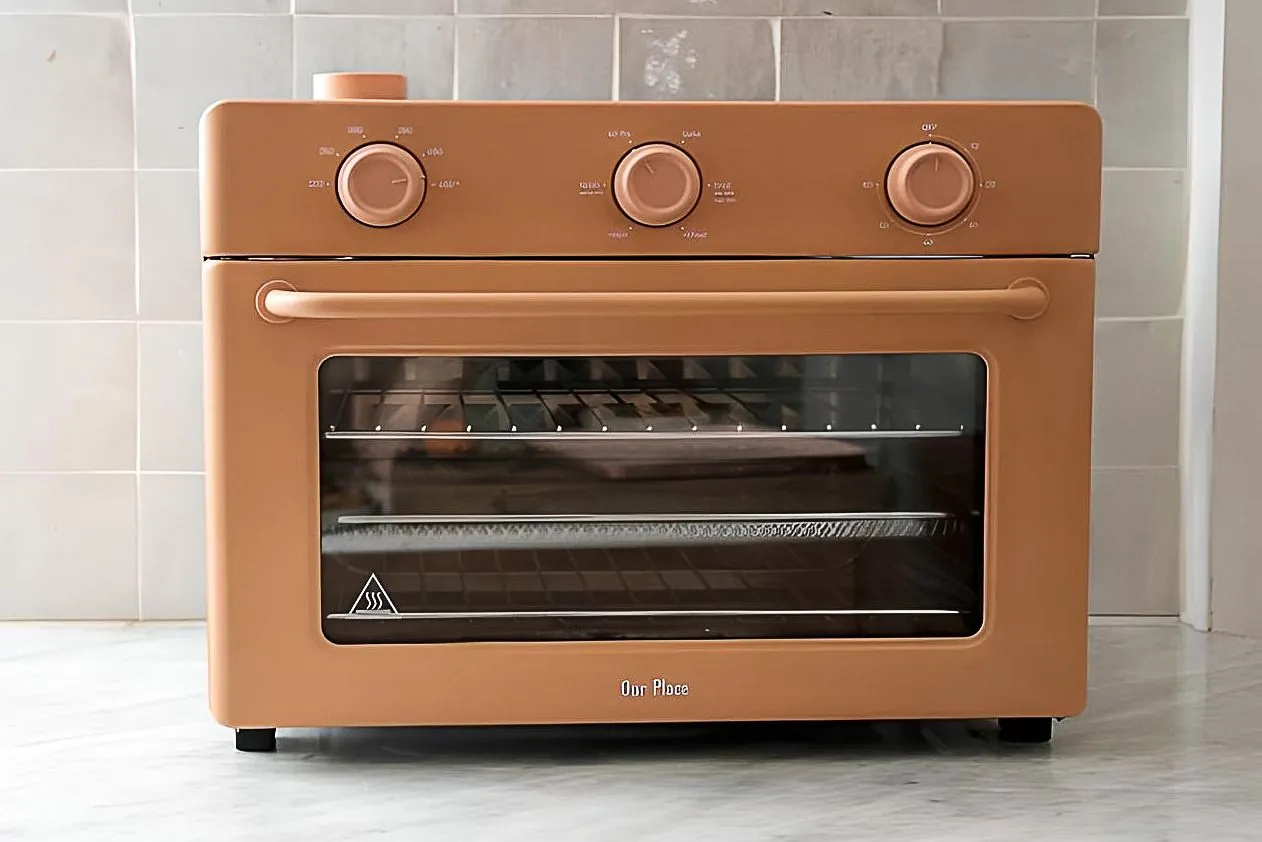
The answer changes based on what you’re cooking and how fast you need it ready. Here’s how the two compare across everyday kitchen tasks.
| Your situation | Answer | Why |
|---|---|---|
| Reheating yesterday’s stew | Yes | Trapped heat warms it evenly without drying edges. |
| Heating a frozen dinner fast | No | Thermal cookers need hot food to start with. |
| Cooking dried beans all day | Yes | Slow retained heat softens them safely over hours. |
| Warming milk for coffee | No | Takes far too long for small liquid amounts. |
| Defrosting raw chicken quickly | No | Food sits in the danger zone too long. |
| Keeping soup hot for lunch | Yes | Holds safe temperatures above 140°F for hours. |
A thermal cooker shines when you’ve got time or need food kept warm away from an outlet. It fails completely when speed is the only thing that matters.
You can check exact heat retention times for your specific model on the manufacturer’s product page, as they vary by pot size and insulation thickness.
Never put cold ingredients directly into the insulated container expecting them to cook through. The outer vessel only preserves existing heat rather than generating new thermal energy. Always bring liquids to a rolling boil on the stove first before transferring.
Smaller batches lose temperature faster because there’s more surface area relative to volume. Fill the inner pot at least two-thirds full to maintain safe holding temperatures throughout the entire retention period.
How trapped heat decides everything
A microwave runs on electricity and fires energy waves at water molecules inside your food. That’s why it heats fast. A Wonder Oven works entirely differently. It uses thick insulation to trap heat that’s already there. You bring food to a boil on a regular stove first, then put the hot pot inside the insulated bag. The bag stops heat from escaping into the room.
This difference in mechanism is why the trade-off exists. You save electricity because the stove only runs for a few minutes. But you lose the instant speed a microwave gives you. The food keeps cooking slowly using its own stored energy. That slow process makes tough meat tender and dried beans soft. It also means you can’t just press a button and walk away for thirty seconds.
The USDA states that perishable food shouldn’t sit between 40°F and 140°F for more than two hours, or one hour if the room is above 90°F (USDA temperature danger zone guidelines). A thermal cooker must keep food above 140°F to stay safe while it finishes cooking. If the pot loses heat too fast, bacteria multiply before the meal is done. This rule is what separates a successful slow-cooked dinner from a stomach ache.
Microwaves don’t have this problem because they blast food with energy until it’s steaming hot throughout. They penetrate several centimeters into the food, heating it volumetrically rather than just from the outside. A thermal cooker relies on the heat you built up on the stove before you sealed the bag. If you didn’t reach a full rolling boil first, the food never reaches a safe holding temperature.
The size of your pot changes how long the heat lasts. A larger pot holds more thermal mass, meaning it stays hot longer than a small one filled halfway. The insulation quality matters too. Cheap bags lose heat faster than dense foam ones.
If you’re cooking something that needs hours of gentle heat, use the Wonder Oven; if you need food hot in under five minutes, use the microwave.
Steps to cook safely with thermal heat
Using a thermal cooker correctly takes a bit more planning than pressing buttons. Follow these steps to make sure your food cooks through and stays safe to eat.
Fill the inner pot correctly. Fill your stainless steel pot at least three-quarters full with liquid-heavy food like soup or stew. A pot that’s half empty loses heat too fast to finish cooking safely. The sign this worked is the liquid reaching a strong, bubbling boil across the entire surface.
Boil hard on the stove. Bring the food to a full rolling boil on your stovetop for at least 5 minutes. These times assume a standard home gas or electric burner on high heat; on a low-wattage portable camp stove, allow about half as long again to reach a true boil. Don’t just let it simmer. You need maximum heat stored in the food and the metal pot itself. The sign is large bubbles breaking the surface constantly, not just around the edges.
Move the pot quickly. Lift the boiling pot straight off the stove and place it immediately into the insulated Wonder Oven bag. Don’t set it on a cold counter to wait. Every second outside the bag steals heat you need for the cooking process. The sign is the bag zipping or folding shut within ten seconds of leaving the burner.
Seal the insulation tight. Close the bag completely so no air gaps remain around the pot. Fold the top flaps down snugly or zip it fully closed. Air movement carries heat away from the metal. The sign is feeling no warmth escaping from the outside fabric after a minute.
Leave it alone completely. Don’t open the bag to peek or stir. Every time you break the seal, hot air escapes and cold air rushes in. Set a timer based on your recipe. Dense foods like dried beans usually need 4 to 6 hours in a fully sealed unit. The sign is the timer going off without you having touched the bag once.
Check the final temperature. Open the bag and measure the food’s internal temperature with a digital probe thermometer. Raw poultry must read 165°F, ground meats 160°F, and whole cuts of beef, pork, or fish with fins 145°F. For reheated leftovers, the target is 165°F throughout. Plain vegetables, grains, or bread don’t have a published safe temperature number — they just need to be steaming hot throughout. If the reading is below the required mark, put the pot back on the stove and boil it again.
Skipping the thermometer step is where things go wrong. You can’t judge safety by looking at the steam.
Guessing the temperature costs real money
Leaving out the thermometer check is the single most expensive error here. People trust the insulated bag to do all the work, assuming that if the pot went in boiling, the food must be cooked hours later. That assumption breaks down when the pot wasn’t full enough or the boil wasn’t strong enough.
What this costs you isn’t just a ruined dinner. Undercooked poultry or ground meat carries pathogens like Salmonella. Treating a serious foodborne illness often means missing several days of work, buying medicine, or visiting an urgent care clinic. You also throw away groceries, which is inexpensive relative to the cost of replacing a full family-sized meal.
The fix takes five seconds. Buy a basic digital food thermometer if you don’t already own one. Stick the probe into the thickest part of the meat or the center of the stew when you open the bag. Read the number on the screen. Compare it to the safe targets: 165°F for poultry and leftovers, 160°F for ground meat, 145°F for whole cuts and finned fish.
If the number is too low, the food isn’t safe to eat, no matter how good it smells or looks. Put the pot back on the stove, bring it to a boil again, and restart the process. That extra ten minutes on the burner saves you days of being sick and the cost of replacing your groceries. The thermometer is the only tool that tells you the truth about what happened inside that sealed bag.
When the Wonder Oven isn’t safe to use
A thermal cooker is simple, but it has hard limits. You can handle prep and timing yourself. Once the food’s temperature drops into the danger zone, it stops being a normal cooking task.
- The food reads below 140°F after two hours — bacteria multiply rapidly. A licensed medical provider should be consulted if anyone eats it and feels ill.
- You smell sourness before opening the lid — spoilage has started. The batch must be thrown away rather than tasted or reboiled.
- The outer bag feels very hot to the touch — the insulation has failed. The manufacturer’s support team should evaluate the unit before you use it again.
- You want to cook raw kidney beans from dry — they contain a natural toxin called phytohaemagglutinin. Destroying it requires sustained boiling, which a thermal cooker can’t guarantee without a verified initial boil time.
- The zipper or seams are torn — heat escapes unevenly. This creates cold spots where pathogens survive, requiring replacement from the retailer.
People often assume that bringing spoiled food back to a rolling boil fixes everything. It does not. Staphylococcus aureus produces a heat-stable enterotoxin while food sits warm. Boiling kills the bacteria but leaves that toxin completely intact.
That mistake sends people to the emergency room every year because they trusted their stove to undo what time already did. Reheating food that sat at unsafe temperatures never makes it safe again.
If the food dropped below 140°F and stayed there beyond two hours, throw it out. Don’t try to rescue it by microwaving it later. That line is where home cooking ends and food safety rules take over.
Frequently asked questions
Can I defrost frozen meat in a Wonder Oven?
No, you can’t. A thermal cooker needs food that’s already boiling hot to work. Putting frozen meat inside will just leave it sitting at room temperature while it slowly thaws. That keeps the meat in the danger zone where bacteria grow fast. Use your microwave’s defrost setting or thaw it overnight in the refrigerator instead.
How long does food stay hot in the bag?
Food stays above 140°F for 4 to 6 hours in a fully sealed unit, assuming the inner pot was filled at least three-quarters full and brought to a rolling boil for 5 minutes first. A smaller pot or a weaker boil shortens that window. You must verify the actual temperature with a digital probe thermometer before eating.
Is it safe to reheat leftovers in a Wonder Oven?
Yes, but only if you boil the leftovers on the stove first until they reach 165°F throughout. Don’t just put cold leftovers in the bag and hope they warm up. The bag doesn’t create heat; it only traps what you put in. Always check with a thermometer before serving.
Why doesn’t my food cook all the way through?
The pot probably wasn’t full enough or didn’t reach a strong boil. A half-empty pot loses heat too fast to finish cooking dense foods like beans or large meat cuts. Make sure the liquid covers the food and boils hard for at least 5 minutes before sealing it in the bag.
Does it use any electricity while cooking?
No, it uses zero electricity once the pot is inside the bag. All the energy comes from your stovetop during the initial boiling phase. That’s the main trade-off for the slower cooking time compared to plugging in a microwave.
What happens if I open the bag to stir?
Heat escapes immediately when you break the seal. Cold air rushes in, dropping the internal temperature fast. If you open it too early, the food might not finish cooking safely. Only open the bag when your timer goes off and you’re ready to check the final temperature.
Can I cook rice in a thermal cooker?
Yes, you can cook white rice in about 1 to 2 hours. Bring the water and rice to a hard boil on the stove for 3 minutes first, then seal it in the bag. Brown rice takes closer to 3 hours because the bran layer slows down water absorption.
Is it safe for cooking raw chicken?
Yes, provided you follow the boiling step strictly. Bring the chicken and liquid to a rolling boil for 5 minutes on the stove, then transfer it to the bag. After 3 to 4 hours, verify the thickest part of the chicken reads exactly 165°F on a digital thermometer before eating.
Your first step with the Wonder Oven
Pick a soup or stew recipe you already know well. Cook it on the stove until it reaches a hard, rolling boil for 5 minutes, then seal the pot inside the insulated bag.
Fill the pot at least two-thirds full before you start heating. A nearly empty pot loses too much thermal mass to stay hot during those four hours.
You’ll notice the kitchen stays cooler since the stove turns off early, and the food will be fully cooked and tender when you open the bag 4 hours later.
Keep your digital thermometer nearby to confirm the stew reads at least 165°F before serving. If the temperature falls below 140°F when you finally open the lid, stop and throw the food away instead of trying to reheat it.
Leave the lid sealed until that final check. Every time you lift it to peek, you lose a significant amount of trapped heat.

Hello, This is Annie Walker, a 38-year-old blogger, founder, and editor of Cookware Guider from NY, USA. I am a cookware fanatic and passionate cooker. I love to cook with different types of cooking appliances (example: all types of cookware, rice cookers, slow cookers, etc) almost every day in my kitchen. I love to share my experience with my readers in my blog. Also, I enjoy helping people to solve their problems through my website. You can follow me on Twitter & Pinterest. To know details about my blog please check the about us page.