
The place wonder oven is made from ceramic and stainless steel, materials generally considered non toxic for cooking that don’t contain PTFE or PFOA.
Two things change how you use it safely. First, the lid handle can get hot during long cooks. Second, the ceramic coating needs gentle cleaning to last. This page explains what the materials are and how to keep them safe. It also covers what to avoid when you wash the pot.
Who uses the Wonder Oven
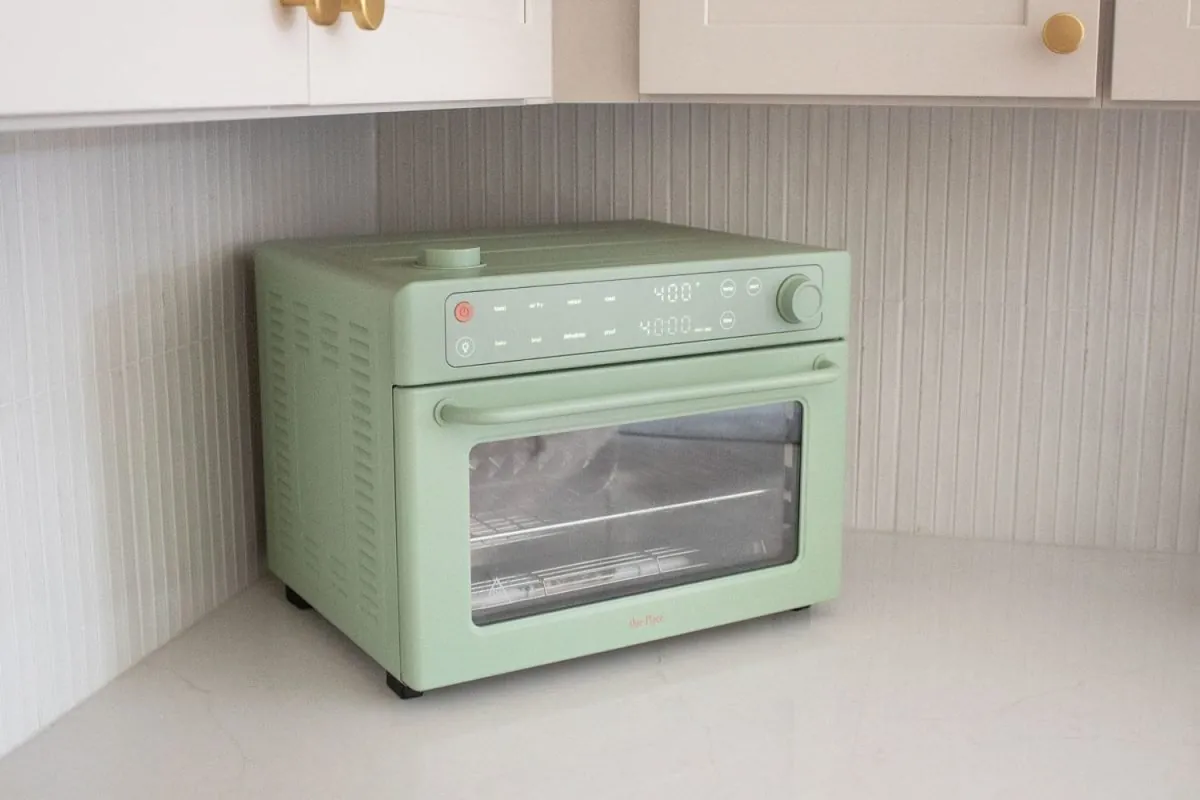
Some readers want to stop using Teflon pans. They worry about fumes from overheated non-stick coatings. These people need a safe alternative for daily meals. They usually cook soups, stews, or rice often. They want a pot that doesn’t release bad chemicals into food.
Other readers care about even heating. They have burned food in thin metal pots before. The Wonder Oven claims to hold heat well. These users want to save energy by turning off the stove early. They like the idea of passive cooking without watching the fire.
This page serves both groups. It tells you if the materials are truly safe. It also shows how to get the best results. If you want a quick sear or crispy crust, this pot isn’t for you. Ceramic doesn’t brown food like cast iron or steel. It steams and simmers instead. You must accept that limit to enjoy this tool.
Wonder Oven non toxic safety
The main body is enameled cast iron. This material is inert. It doesn’t react with acidic foods like tomatoes or lemon juice. You don’t need to season it like raw cast iron. The surface stays smooth without chemical sprays.
The lid is usually glass or ceramic too. Glass lids let you see the food. They don’t add any flavor or smell. This is a big plus for people who hate plastic tastes in their soup.
Always check the specific model you buy. Some versions have different handles or bases.
The handle material matters most for safety. Many models use phenolic resin. This plastic stays cool on the stovetop. But it has a heat limit. If you put the whole pot in a very hot oven, the handle can melt. That releases bad smells and ruins the part. You must know your model’s oven-safe temperature.
Cleaning agents also affect safety. Harsh scrubs can scratch the ceramic glaze. Deep scratches might trap bacteria over time. Using soft sponges keeps the surface intact. A smooth surface is easier to clean and safer for food contact.
How to use it safely
- Place the pot on a burner that matches its size. A small pot on a large burner heats the sides too fast. This can crack the ceramic.
- Add oil or liquid before turning on the heat. Dry heating damages the glaze. It creates hot spots that burn food.
- Use low to medium heat only. Ceramic holds heat very well. High heat isn’t needed for most recipes. It wastes energy and risks cracking.
- Stir gently with wood or silicone tools. Metal spoons scratch the surface. Scratches weaken the coating over time.
- Let the pot cool before washing. Sudden temperature changes cause thermal shock. The pot can crack if you run cold water on a hot base.
- Wash with warm soapy water and a soft sponge. Avoid steel wool or abrasive powders. They remove the smooth finish.
- Dry the pot completely before storing. Moisture left inside can cause mold. It also affects the next meal’s taste.
The key judgment call is heat control. Beginners often turn the dial up. They think more heat means faster cooking. With ceramic, less heat works better. If you see smoke, the heat is too high. Turn it down immediately. Don’t use this pot for deep frying. The oil can get too hot for the handle material. For oven use, check the manual first. Most handles are safe up to 350°F (175°C). Above that, remove the lid or use a towel.
Cooking situations at a glance
Daily soups need a gentle bubble, not a rolling boil. Keep the lid on to retain moisture and heat, but always check the handle temperature before lifting. Many plastic or composite handles stay cool during brief sautés but become scorching hot after twenty minutes of simmering. Use a dry towel if you’re unsure.
Rice grains demand precision with water volume. Measure carefully for the first batch; adjust slightly for subsequent ones based on your specific pot’s evaporation rate. Start at medium-low to bring it to a boil, then drop to the lowest setting once covered. Don’t lift the lid to peek. Steam escapes instantly, ruining the texture. Let it rest off the heat for ten minutes to finish steaming evenly.
Acidic sauces, like tomato or wine reductions, can react with certain metals over time. Keep cooking times short and heat low to prevent pitting or metallic tastes. Wipe spills immediately, as acidic residues stain enamel and glass permanently if baked on. A quick scrub prevents permanent discoloration that ruins the pot’s appearance.
Oven baking requires checking the manufacturer’s handle limit. Silicone grips often fail above 400°F, while all-metal handles withstand higher temperatures. If the recipe calls for high heat, verify the rating first. A melted handle creates a dangerous spill hazard mid-roast. Always use oven mitts, as residual heat lingers long after removal.
Slow simmers on electric coils risk burning the bottom if the heat is too high. Use a diffuser if your burner runs hot. Stir occasionally to distribute heat. Watch for bubbling only at the edges, which signals uneven cooking. Adjust until the entire surface moves gently.
Good vs poor results
Heat management
Experienced users start with low heat. They know ceramic distributes heat slowly but evenly. They let the pot come up to temperature gradually. This prevents burning the bottom layer. Beginners crank the heat to high. They rush the process. This causes food to stick and burn.
The burnt layer is hard to clean. It also leaves a smoky taste in future meals. Good results come from patience. Let the pot do the work. Don’t stir too often. Lifting the lid lets heat escape. This slows down the cooking process. Keep the lid on unless the recipe says otherwise.
Cleaning habits
Good users rinse the pot right after eating. Food residues are soft then. They wipe easily with a sponge. Poor users let food dry and harden. They scrub hard later. This uses abrasive pads. Those pads scratch the glaze. Scratches make the pot stick more next time. It becomes a cycle of damage.
Use baking soda and water for stuck-on bits. Soak the pot for an hour. The food lifts off without scrubbing. Never use bleach or harsh chemicals. They can degrade the seal over time. A gentle approach keeps the surface smooth. Smooth surfaces are safer and easier to maintain.
Common problems and fixes
Food sticks when the pan is too hot or dry. Soak it in warm water for twenty minutes to lift residue gently. Never scrub hard, as this can damage the enamel glaze. Prevent sticking by preheating on low heat and adding oil before food hits the surface.
Cracks signal thermal shock from sudden temperature changes. Stop using the pot immediately; a cracked vessel can shatter under pressure. Let it cool naturally in the air rather than rushing the process with cold water. This damage is permanent and compromises safety.
A burnt handle smell means you exceeded the manufacturer’s heat limit. Most lids can’t withstand temperatures above 400 degrees Fahrenheit. Replace the lid if the plastic or rubber components are melted or warped. Always check the specific max temp rating for your model before placing it in a high-heat oven.
Cloudiness comes from mineral deposits in tap water. Soak the item in a solution of equal parts white vinegar and water for an hour. Rinse thoroughly afterward. Using filtered water for cooking and cleaning prevents these stubborn spots from forming again.
Chipped edges result from physical impact against hard surfaces. Inspect the rim carefully for sharp fragments that could cut your lips or hands. If the chip is deep, discard the piece. Handle ceramic cookware with care, avoiding drops or banging against sink edges during washing.
Safety standards and rules
Ceramic cookware follows FDA guidelines for food contact surfaces. The enamel glaze must be free of lead and cadmium in the US. Reputable brands test their products for these heavy metals. You should look for a “lead-free” label on the box. This ensures the colorants are safe.
The Consumer Product Safety Commission (CPSC) sets rules for kitchenware. They focus on physical hazards like sharp edges. They also check for toxic substances. Our Place states their products meet these standards. You can verify this on their official site. Look for compliance statements in the product details.
For oven use, follow the manufacturer’s limit. There’s no single federal rule for bakeware handles. Each brand tests its own parts. Exceeding the limit voids the warranty. It also creates a fire risk. Always read the care guide that comes with the pot. It lists the exact temperatures for each part. Don’t guess. When in doubt, assume the handle isn’t oven-safe. Remove it if possible.
Cost of ownership
The initial price is higher than basic aluminum pots. You pay for the ceramic quality and design. This is a one-time cost if you care for it. Cheap non-stick pans need replacing every year. A good ceramic pot lasts many years.
Time is another cost. Ceramic heats slowly. You can’t rush dinner. Plan extra preheat time. This saves energy later because the pot holds heat well. You can turn off the stove early. The food keeps cooking inside. This lowers your gas or electric bill slightly.
Risk is low if you follow the rules. The main risk is breaking the pot. Dropping it or shocking it with cold water costs money. Replacement lids are available but cost extra. Buying a new pot is expensive. Treat it gently. Use soft utensils. Hand wash only. Dishwashers can dull the glaze over time. Hand washing preserves the finish longer. This protects your investment.
Care after cooking
Let the pot cool completely on the stove. Don’t move it to a cold surface or run it under cold water. Thermal shock from sudden temperature changes causes hairline fractures in the ceramic glaze. These cracks may seem minor at first, but they weaken the structure over time. Eventually, the pot can shatter during future heating cycles. Allow natural cooling to ambient room temperature before handling.
Once cool, wash with mild soap and a soft sponge. Avoid abrasive scouring pads that scratch the finish. Dry it thoroughly with a towel. Leave the lid slightly ajar when storing. This allows air to circulate inside the vessel. It prevents musty smells and inhibits mold growth in damp, enclosed spaces.
Store the pot in a dry cabinet away from direct sunlight. If stacking other pots inside, place a soft cloth between them. This prevents scratching the exterior enamel. Check the handle occasionally for signs of wear or loosening. Tighten screws if needed using a standard screwdriver. A loose handle is a serious safety hazard. It can slip unexpectedly and drop hot food, causing severe burns.
If you store it for a long time, wash it again before use. Dust and microscopic particles settle inside even in closed cabinets. A quick rinse ensures cleanliness and removes any stale odors. Your next meal will taste fresh and pure. Proper storage keeps the ceramic in top shape. It extends the life of the cookware significantly by preventing physical and chemical degradation.
When to skip this pot
Don’t use this pot for high-heat searing. Use cast iron or heavy stainless steel for those tasks. They retain heat and deliver the intense contact needed for browning. The Wonder Oven is designed strictly for moist heat cooking. It excels at braising tough cuts until they fall apart. It handles boiling soups and stews with ease. But it fails at dry, high-temperature techniques.
Avoid this vessel if you need speed. The thick walls take significant time to absorb heat. You can’t rush the warm-up phase. If you’re in a hurry, this pot will only frustrate you. Switch to a thin metal pan for quick sautés or flash-frying. Those materials respond instantly to temperature changes.
The Wonder Oven acts more like a slow cooker alternative. You must embrace the slow pace of thermal mass. Plan your meals around its lag time. Don’t expect immediate results when you turn the dial.
Don’t use it if you drop things often. Ceramic is inherently brittle compared to metal. It shatters completely upon impact with hard floors. If you have active kids or large pets, consider a durable metal pot instead. Safety comes first in busy households. A broken ceramic pot creates dangerous sharp shards. These fragments can easily cut bare feet during cleanup. Choose resilient materials for chaotic kitchens where accidents happen.
Frequently asked questions
Is the ceramic coating safe?
Yes, the ceramic coating is safe. It’s free from PTFE and PFOA. These are the harmful chemicals in traditional non-stick pans. The glaze is inert and doesn’t leach into food. It meets US safety standards for cookware. You can cook acidic foods without worry.
Can I put it in the dishwasher?
No, hand washing is recommended. Dishwashers use harsh detergents. These can dull the ceramic glaze over time. High heat in the dryer can stress the material. Hand washing keeps the surface smooth. It extends the life of the pot. Use a soft sponge and mild soap.
Does it contain lead?
Reputable brands ensure their ceramic is lead-free. Our Place states their products are tested. They comply with FDA regulations. Always check the product packaging for confirmation. Look for “lead-free” or “cadmium-free” labels. This ensures the colors are safe for food contact.
What is the max oven temperature?
The limit depends on the handle. Most phenolic handles are safe up to 350°F (175°C). The ceramic body can take higher heat. But the handle will melt. Always remove the lid for higher temps. Check your specific model’s manual. Don’t exceed the stated limit.
Why did my pot crack?
Thermal shock likely caused the crack. This happens when hot ceramic meets cold water. Never rinse a hot pot with cold water. Let it cool naturally on the stove. Also, avoid dropping it. Ceramic is brittle. Handle with care to prevent breaks.
Is it good for rice?
Yes, it’s excellent for rice. The even heat prevents burning. The tight lid traps steam. This cooks rice fluffy and tender. Use the correct water ratio. Let it rest after cooking. Don’t lift the lid too soon.
Can I use metal utensils?
No, avoid metal utensils. They scratch the ceramic glaze. Scratches weaken the surface. Use wood, silicone, or plastic spoons. These materials are gentle. They keep the coating intact. A smooth surface is easier to clean.
How long does it last?
With proper care, it lasts many years. Avoid abrasives and thermal shock. Hand wash only. Store carefully. The glaze may dull over time. But it remains safe to use. Replace it if chips appear. Sharp edges are unsafe for food.
Start cooking safely
Start with a heavy-bottomed pot. Thin metal creates hot spots that scorch food before the center warms. Pour in just enough oil to coat the bottom, or a splash of water for steaming. Turn the burner to low. Don’t rush this step. Let the vessel warm for two full minutes. You should feel gentle warmth hovering your hand above the surface, not intense heat.
Add ingredients only when the base is evenly warm. This prevents sticking and ensures consistent texture. Cover immediately to trap steam. Keep the lid on unless the recipe specifies otherwise. Lifting it releases heat and extends cooking time significantly.
Check the handle temperature every few minutes. If it burns your finger through a dry cloth, the flame is too high. Reduce it immediately. Never assume the oven setting matches the dial. Verify the actual internal temperature with an independent thermometer if precision matters. Using an oven without checking clearance can melt plastic components or trigger smoke alarms. Always confirm your specific model’s limits before enclosing the pot.

Hello, This is Annie Walker, a 38-year-old blogger, founder, and editor of Cookware Guider from NY, USA. I am a cookware fanatic and passionate cooker. I love to cook with different types of cooking appliances (example: all types of cookware, rice cookers, slow cookers, etc) almost every day in my kitchen. I love to share my experience with my readers in my blog. Also, I enjoy helping people to solve their problems through my website. You can follow me on Twitter & Pinterest. To know details about my blog please check the about us page.