
The Our Place Wonder Oven is worth it if you need a versatile countertop appliance that replaces your toaster, air fryer, and standard oven. It cooks food faster than a traditional oven and uses less energy for small batches. The main trade-off is its large footprint and higher price tag compared to basic appliances. If you have limited counter space or rarely cook for more than two people, a simpler device may serve you better.
Several factors change this answer for different readers. Your kitchen size dictates if the unit fits comfortably. Your cooking habits determine if you’ll use all its functions enough to justify the cost. Finally, your budget plays a role, as the initial investment is significant. This guide breaks down those details so you can decide if this specific model matches your daily needs.
Who needs the Our Place Wonder Oven
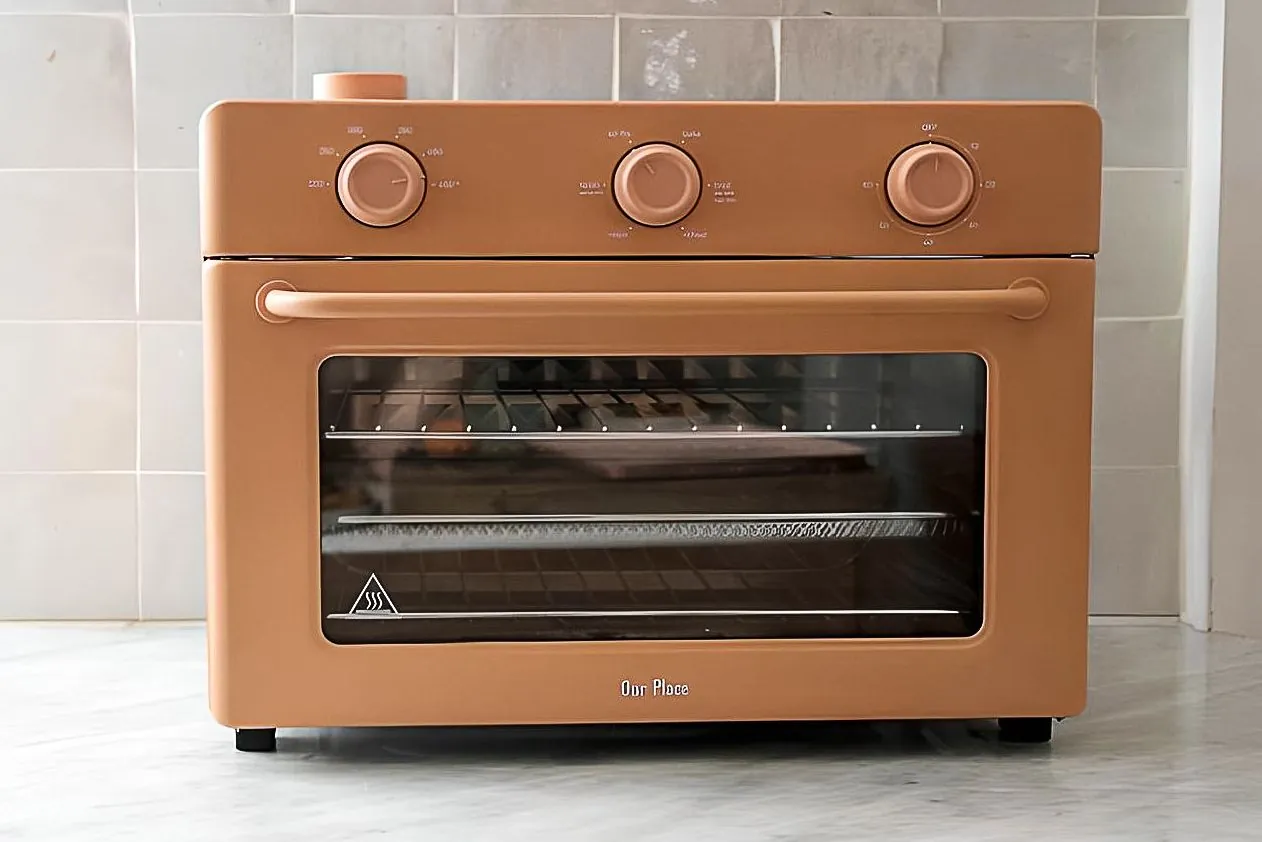
People who search for this appliance usually fall into three groups. First, there are apartment dwellers with tiny kitchens. They often lack a full-size oven or find their built-in one too slow for quick meals. They need something compact but powerful enough to roast a chicken or bake cookies. This group values speed and versatility above all else.
Second, health-conscious home cooks look for better ways to prepare food. They want to air fry vegetables without adding much oil. They also want to reheat leftovers without making them soggy in a microwave. For these readers, the ability to crisp food while keeping it healthy is the main draw. They care about texture and nutritional retention.
Third, busy families need an extra cooking surface. The main oven might be occupied with a holiday turkey or a casserole. A second oven helps manage meal prep during hectic weeknights. These users need reliability and capacity. They often cook larger portions and need consistent heat distribution.
This page serves the first two groups best. It focuses on versatility and health benefits for smaller households. If you’re a large family that only cares about bulk baking, a traditional double-wall oven might be a better fit. We assume you have at least 15 inches of clearance on your counter. Without that space, the unit won’t fit safely.
What changes the value for you
The biggest factor is your available counter space. The Wonder Oven is wide and deep. It sits prominently on your kitchen island or table. If you live in a studio apartment, this appliance might dominate your entire prep area. You must measure your space before buying. If you move frequently, consider if you can transport it easily.
Your cooking frequency matters just as much. This device shines when used several times a week. If you eat out most nights or rely on takeout, the cost per use becomes high. You pay for features you never use. However, if you cook breakfast, lunch, and dinner at home, the value increases quickly. It saves time by preheating fast.
Energy efficiency is another key variable. Traditional ovens waste energy heating a large empty cavity. This countertop version heats a smaller space. It uses less electricity for single-serving meals. This difference adds up on your utility bill over time. You save money on every small batch you cook.
The type of food you make also decides the outcome. It excels at roasting, baking, and air frying. It struggles with tasks needing intense direct flame, like charring peppers. If you love crispy fries and roasted veggies, you’ll love it. If you mostly boil water or steam rice, this is the wrong tool.
Many buyers get the capacity wrong. They think “oven” means it holds a large turkey. It does not. It fits a 12-inch pizza or a small chicken. If you try to stuff it full, heat can’t circulate. Food cooks unevenly. Check the interior dimensions against your favorite pans. If your pans don’t fit, the appliance fails your needs.
How to use the Wonder Oven
Using this appliance is simple once you know the basics. It has digital controls and preset modes. Follow these steps to get the best results every time.
Place the oven on a flat, heat-resistant surface. Leave at least four inches of space behind it for ventilation. Plug it into a dedicated outlet. Don’t share the circuit with other high-power devices.
Select your cooking mode. Choose Air Fry for crispy foods, Bake for cakes, or Roast for meats. The screen lights up to show your choice. Each mode has a default temperature and time.
Set the temperature and timer. Use the dial or buttons to adjust. For air frying, start at 400°F. For baking, follow your recipe. Most recipes work well here, but reduce the temperature by 25°F if needed.
Preheat the oven. Let it run empty for three to five minutes. This step ensures even cooking from the start. Skip it only if you’re reheating food quickly.
Prepare your food. Cut items into uniform sizes. This helps them cook at the same rate. Lightly coat fries or veggies with oil for better crisping. Place them in the provided basket or tray. Don’t overcrowd the rack.
Insert the tray or basket. Slide it in gently. Close the door firmly. The oven starts automatically once the door shuts. You can see the food through the glass window.
Shake or flip halfway through. Open the door carefully. Pull the rack out slightly. Toss fries or turn meat pieces. This ensures even browning on all sides. Push it back in to finish cooking.
Check for doneness. Look for golden brown color. Remove the food when it reaches your desired texture.
Turn off and unplug. Let the oven cool down before cleaning. The exterior stays warm for a while. Keep children away until it’s completely cold.
The key judgment call is avoiding overcrowding. Beginners often fill the basket to the top. This blocks airflow. The result is soggy, uneven food. Cook in batches if you have a lot. It takes more time but yields better quality. Don’t attempt to repair internal components yourself. If the unit stops working, contact customer support. Opening the housing voids the warranty and risks electric shock.
Which situation fits your needs
| Situation | Best Mode to Use | Time & Effort | Watch Out For |
|---|---|---|---|
| Crispy french fries | Air Fry | 15 mins, low effort | Shake basket twice for even crisp |
| Reheating pizza | Reheat / Bake | 5 mins, very low | Cheese may burn if left too long |
| Small whole chicken | Roast | 45-60 mins, medium | Check temp; aim for 165°F inside |
| Baking cookies | Bake | 10-12 mins, low | Rotate tray halfway for even browning |
| Toasting bread | Toast | 2-4 mins, very low | Watch closely; burns happen fast |
| Roasting vegetables | Roast | 20-25 mins, low | Cut veggies same size for consistency |
| Defrosting meat | Defrost | Varies by weight | Cook immediately after defrosting |
Details that improve your results
Mastering the air fry function
Experienced users know that air circulation is everything. The fan moves hot air around the food. If items touch or overlap, the air can’t reach them. You end up with steamed spots instead of crispy ones. Always leave gaps between pieces. Use tongs to arrange food in a single layer. This small step makes the difference between sad fries and great ones.
Oil application also matters. Too much oil makes food greasy. Too little leaves it dry. Use a spray bottle for even coverage. One light mist is usually enough. Toss the food in a bowl with a teaspoon of oil before loading the basket. This coats every nook and cranny. Avoid aerosol sprays with propellants. They can damage the non-stick coating over time.
Managing heat and timing
This oven heats up faster than a big one. Recipes designed for standard ovens need adjustment. Reduce the temperature by 25 degrees Fahrenheit. Check food five minutes earlier than the recipe says. The glass door lets you watch progress without opening it. Every time you open the door, heat escapes. This extends cooking time and dries out food. Trust the window.
Cleanliness affects performance too. Grease buildup on the heating elements causes smoke. It also creates bad smells. Wipe the interior after each use. Remove crumbs from the bottom tray. Deep clean the baskets weekly with warm soapy water. Most parts are dishwasher safe, but hand washing preserves the coating longer. A clean oven cooks more evenly and lasts longer.
Common problems and fixes
| What you notice | What it usually means | What to do first | How to stop it happening again |
|---|---|---|---|
| Food is soggy | Overcrowded basket or no oil | Spread items out; add oil mist | Cook in smaller batches next time |
| Uneven browning | Items not flipped or rotated | Flip food halfway through | Shake basket or rotate tray mid-cook |
| Smoke coming out | Grease on heating elements | Turn off; let cool; wipe down | Clean interior and trays regularly |
| Door won’t close | Tray inserted incorrectly | Remove tray; check alignment | Ensure tray sits flat on rails |
| Error code on screen | Sensor issue or overload | Unplug for 60 seconds; restart | Avoid using extension cords |
| Burnt tops, raw centers | Temperature too high | Lower temp by 25°F; cover with foil | Check recipe adjustments for convection |
| Fan is loud | Normal operation or debris | Check for loose crumbs; listen | Clean fan area gently if accessible |
Safety rules you must follow
The Consumer Product Safety Commission (CPSC) sets guidelines for household appliances. You must follow manufacturer instructions to stay safe. Never operate the oven near water or flammable materials. Keep curtains and paper towels away from the vents. Hot air escapes from the back and sides.
Electrical safety is critical. Plug the unit directly into a wall outlet. Don’t use an extension cord or power strip. These can’t handle the high wattage. Overloading a circuit can cause fires. If the plug feels hot, unplug it immediately. Let it cool before checking the outlet.
Children and pets should stay away during use. The exterior gets hot, especially the glass door. Supervise anyone using the appliance for the first time. Teach them to use oven mitts when removing trays. Steam burns are real risks when opening the door after cooking liquids or moist foods.
For detailed safety information, refer to the user manual provided with the appliance. Ignoring these rules voids your warranty. It also puts your home at risk. Always prioritize safety over convenience.
The real cost of ownership
The upfront price is the first hurdle. This appliance costs more than a basic toaster oven. You pay for advanced features like air frying and convection fans. Compare this to buying separate devices. An air fryer, toaster, and small oven cost more combined. The Wonder Oven bundles them into one unit. This saves money in the long run if you use all functions.
Energy costs are lower than you might think. Running a full-size oven for 30 minutes uses significant electricity. This countertop model uses less power for the same task. The savings are small per meal but add up. If you cook daily, you see a drop in your bill. It’s most efficient for meals under 45 minutes.
Time is another currency. Preheating takes minutes, not twenty. This speeds up weeknight dinners. You spend less time waiting and more time eating. For busy people, this saved time has real value. It reduces stress in the kitchen.
Maintenance costs are minimal. Replacement parts like trays are affordable. The non-stick coating may wear after years of heavy use. Plan to replace accessories eventually. Cleaning supplies are basic household items. No special chemicals are needed. Overall, the cost of ownership is reasonable for the utility provided.
Keeping your oven in good shape
Cleaning is the most important maintenance task. Let the oven cool completely before wiping it down. Use a damp cloth for the exterior. Avoid abrasive scrubbers on the glass. They can scratch the surface. For the interior, use mild soap and water. Remove the crumb tray and wash it separately.
Deep clean the heating elements occasionally. Turn off and unplug the unit. Gently wipe the coils with a soft brush. Remove any stuck-on grease. This prevents smoking and odors during future cooks. Don’t immerse the main body in water. Only wash removable parts in the sink or dishwasher.
Store the appliance properly if you take it off the counter. Keep it in a dry place. Cover it with a dust cover. This protects the controls and vents. When you bring it back, inspect the cord for damage. Check the plugs for corrosion. Regular checks extend the life of the device.
If you notice strange smells, run the oven empty at a high temperature for ten minutes. This burns off residual oils. Ventilate your kitchen during this process. Open windows or turn on the stove hood. This keeps your oven fresh and ready for the next meal.
When you should skip this buy
This appliance isn’t for everyone. If you have a large family of four or more, it may feel too small. You’ll cook in multiple batches. This doubles your active cooking time. A full-size oven handles large volumes better. Save this for side dishes or snacks.
Renters with strict lease agreements might face issues. Some landlords prohibit high-wattage appliances due to old wiring. Check your lease before buying. If your outlets spark or buzz, don’t use this oven. It requires stable power. An electrician may need to upgrade your circuits first.
Finally, if you only bake delicate pastries, this might not be ideal. Convection fans can blow light toppings around. Cakes may dome unevenly. Traditional ovens offer more stable, gentle heat for sensitive bakes. Stick to your main oven for wedding cakes or soufflés. Use this for everyday meals and quick treats.
Related guides
- Best Air Fryer Basket For Convection Oven 2026: Top Picks Reviewed
- Best Air Fryer Basket For GE Oven: Top Picks for 2026
- Best Air Fryer Tray For Oven 2026: Top Picks for Healthier Cooking
Frequently asked questions
Can I cook a frozen pizza in it?
Yes, you can cook a frozen pizza in the Wonder Oven. It works best for personal-sized pizzas up to 12 inches. Set the oven to Bake or Pizza mode. Follow the package instructions but check it a few minutes early. The crust will crisp up nicely.
Is it safe to leave unattended?
No, you shouldn’t leave it completely unattended. While it has auto-shutoff features, it’s best to stay nearby. Check food through the window. Open the door only when necessary. Keep flammable items away. Always unplug it when not in use for long periods.
How long does it take to preheat?
It takes about three to five minutes to preheat. This is much faster than a standard oven. Wait for the indicator light to signal it’s ready. This ensures even cooking. Skipping preheat is okay for reheating but not for baking or roasting.
Does it use a lot of electricity?
It uses less electricity than a full-size oven for small meals. The wattage is high, but the run time is short. It heats a small space efficiently. You save energy by not heating a large cavity. Expect lower bills for frequent small-batch cooking.
Can I put aluminum foil in it?
Yes, you can use aluminum foil, but with caution. Don’t let it touch the heating elements. It can cause sparks or fire. Avoid using aluminum foil in the oven as it can block airflow and cause uneven cooking or fire hazards. Use parchment paper designed for high heat if needed. Better yet, use parchment paper designed for air fryers.
Is the non-stick coating PTFE-free?
Check the current product specifications on the manufacturer’s website. Many newer models use ceramic-based coatings. Older models may contain PTFE. Regulations and materials change. Always verify the latest material safety data before purchasing if this is a concern for you.
What happens if the door is open?
The oven stops heating immediately if the door opens. This is a safety feature. It prevents burns and saves energy. The timer pauses. Close the door to resume cooking. Add a minute or two to the total time to account for heat loss.
Start cooking with confidence
Place the oven on your counter and plug it in. Start with a simple task like toasting bread or reheating pizza. This helps you learn the controls. Expect faster results than your big oven. You’ll notice crispier textures and saved time. If the unit malfunctions or smells burning, unplug it and contact support.

Hello, This is Annie Walker, a 38-year-old blogger, founder, and editor of Cookware Guider from NY, USA. I am a cookware fanatic and passionate cooker. I love to cook with different types of cooking appliances (example: all types of cookware, rice cookers, slow cookers, etc) almost every day in my kitchen. I love to share my experience with my readers in my blog. Also, I enjoy helping people to solve their problems through my website. You can follow me on Twitter & Pinterest. To know details about my blog please check the about us page.