
Pan frying a ribeye steak is one of the best ways to enjoy its rich flavor and juicy texture. Many people think you need a grill or special equipment, but you can get an amazing result right on your stovetop.
In this guide, you’ll learn how to pan fry a ribeye steak to perfection, even if you’re new to cooking. We’ll cover everything you need to know, from picking the right steak and preparing it, to cooking, resting, and serving.
You’ll also find practical tips, common mistakes, and answers to important questions about pan frying ribeye steak.
Choosing The Right Ribeye Steak
Your steak’s quality makes a big difference. Ribeye is known for its marbling—those white streaks of fat running through the meat. This fat melts as you cook, keeping the steak juicy and full of flavor.
When buying a ribeye, look for these features:
- Marbling: More marbling means more flavor and tenderness.
- Thickness: Ideal thickness is about 1–1.5 inches. Thicker steaks cook more evenly.
- Color: Fresh ribeye should be bright red with creamy white fat.
- Grade: USDA grades like Prime, Choice, and Select show quality. Prime has the most marbling.
For comparison, here’s how ribeye stacks up against other popular steaks:
| Steak Cut | Marbling | Flavor | Tenderness |
|---|---|---|---|
| Ribeye | High | Rich, beefy | Very tender |
| Sirloin | Medium | Beefy, less rich | Moderately tender |
| Filet Mignon | Low | Mild | Extremely tender |
| New York Strip | Medium | Bold | Firm, tender |
Preparing Your Ribeye Steak
Before you cook, preparation is key. Many beginners skip these steps, but they help you get the best result.
Bringing To Room Temperature
Remove your steak from the fridge about 30–45 minutes before cooking. Letting it warm up ensures even cooking. If you start with a cold steak, the outside can burn while the inside stays raw.
Seasoning
Simple seasoning is best. Use:
- Kosher salt: It sticks well and brings out flavor.
- Fresh ground black pepper: Adds aroma and mild heat.
Season both sides generously. Some chefs add garlic powder or paprika, but ribeye’s natural flavor shines with just salt and pepper.
Drying The Steak
Pat the steak dry with paper towels. Removing surface moisture helps you get a good sear.
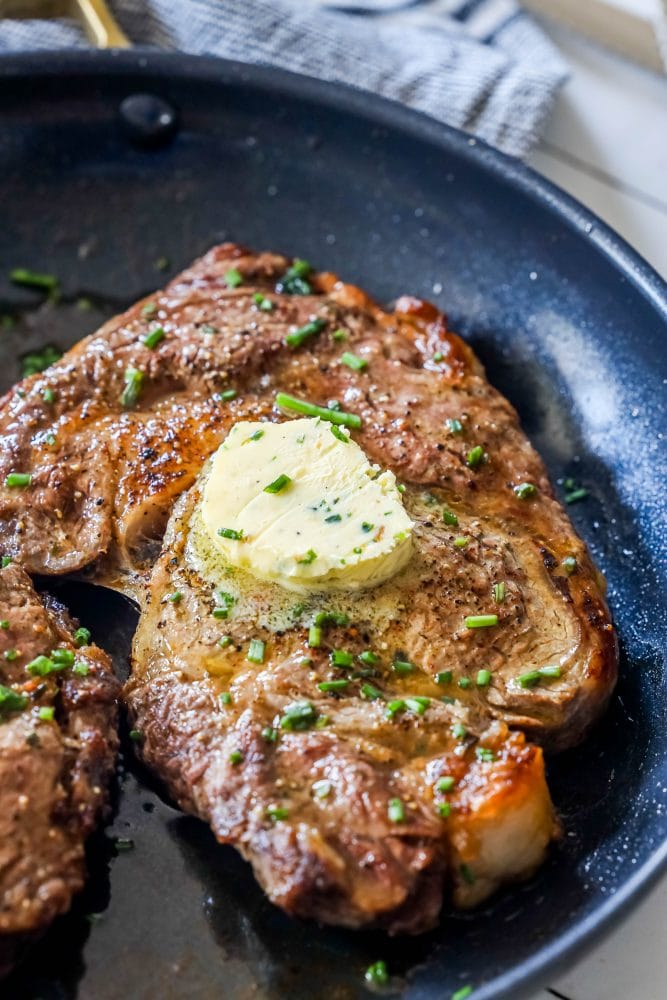
Credit: www.fondation-enovos.lu
Choosing The Right Pan And Oil
For pan frying, the right equipment matters. A cast iron skillet is ideal because it holds heat well and creates a great crust. Stainless steel pans also work, but avoid nonstick pans—they don’t get hot enough for a proper sear.
Pick an oil with a high smoke point:
- Canola oil
- Avocado oil
- Grapeseed oil
- Sunflower oil
Avoid butter for the initial sear; it burns quickly. You can add butter later for flavor.
Here’s a quick comparison of common cooking oils:
| Oil | Smoke Point (°F) | Flavor |
|---|---|---|
| Canola | 400 | Neutral |
| Avocado | 520 | Mild, buttery |
| Grapeseed | 420 | Neutral |
| Olive (Extra Virgin) | 375 | Fruity |
Step-by-step: Pan Frying Your Ribeye Steak
Let’s break down the process into clear steps. Follow them closely for a great result.
1. Heat Your Pan
Place your pan on the stove and set it to high heat. Let it preheat for at least 5 minutes. The pan should be very hot—if you flick water in, it should sizzle and evaporate instantly.
2. Add Oil
Pour about 1 tablespoon of oil into the pan. Swirl to coat the bottom.
3. Sear The Steak
Lay the steak in the hot pan. Don’t move it for the first 2–3 minutes. This helps build a brown, flavorful crust.
If your steak is thick (1. 5 inches or more), sear for 3–4 minutes per side. For thinner steaks, 2–3 minutes per side is enough.
4. Flip And Sear The Other Side
Turn the steak with tongs. Sear the second side for the same time.
5. Add Butter And Aromatics (optional)
After flipping, add:
- 1–2 tablespoons of unsalted butter
- 2–3 smashed garlic cloves
- A few sprigs of fresh thyme or rosemary
Tilt the pan and spoon the melted butter over the steak for 1–2 minutes. This adds extra flavor and a glossy finish.
6. Check Doneness
Cooking time depends on thickness and your preferred doneness. Use a meat thermometer for accuracy. Here are the internal temperatures:
| Doneness | Temperature (°F) | Approx. Cooking Time |
|---|---|---|
| Rare | 120–125 | 2–3 min/side |
| Medium Rare | 130–135 | 3–4 min/side |
| Medium | 140–145 | 4–5 min/side |
| Medium Well | 150–155 | 5–6 min/side |
| Well Done | 160+ | 6+ min/side |
Insert the thermometer into the thickest part. Remove the steak when it’s 5°F below your target—the temperature rises as it rests.
7. Rest The Steak
Move the steak to a plate and cover loosely with foil. Let it rest for 5–10 minutes. Resting lets the juices spread evenly, so your steak stays moist.
8. Slice And Serve
Slice against the grain for tenderness. Serve hot, with your favorite sides.
Practical Tips For Best Results
Even experienced cooks can make mistakes. Here are two insights many beginners miss:
- Don’t overcrowd the pan. If you cook more than one steak, leave space between them. If the pan is too crowded, steaks steam instead of sear, and you lose that crispy crust.
- Let the steak dry before cooking. Moisture stops browning. Drying with paper towels is a simple step, but many skip it.
Other useful tips:
- Use tongs, not forks, to flip the steak. Forks pierce the meat and let juices escape.
- If the steak has a fat cap, sear the edge by holding it upright in the pan for 30–60 seconds.
Common Mistakes To Avoid
Pan frying steak is simple, but these mistakes can ruin your meal:
- Starting with a cold pan: You won’t get a crust.
- Using low heat: Steaks will cook too slowly and become tough.
- Flipping too often: Only flip once; moving the steak too much prevents browning.
- Not resting: Cutting too soon makes juices run out.
- Overcooking: Ribeye is best medium rare to medium.
Serving Suggestions
Ribeye is rich and pairs well with simple sides. Try:
- Mashed potatoes
- Grilled vegetables
- Steamed asparagus
- Garlic bread
- Fresh salad
For extra flavor, serve with a sauce like chimichurri, peppercorn sauce, or a classic red wine reduction.
Why Pan Frying Works So Well
You might wonder why pan frying is popular for ribeye. The answer is Maillard reaction—a chemical change that creates a brown crust and deep flavor when meat is cooked at high heat. Pan frying gives you more control than grilling, and you can add butter and herbs right to the pan.
Pan frying also works indoors, year-round. If you live in an apartment or have no grill, you can still enjoy steakhouse-quality ribeye.
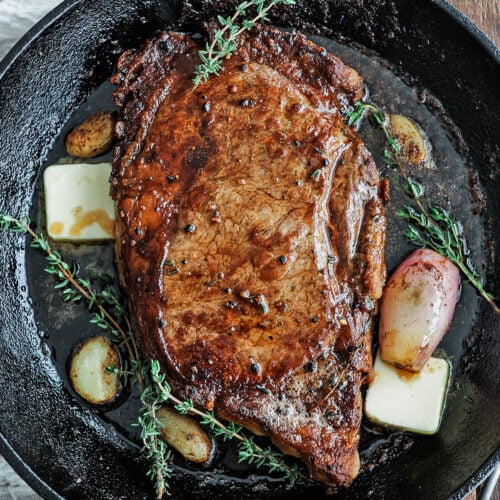
Credit: www.billyparisi.com
How To Make Your Steak Extra Special
To upgrade your steak, try these ideas:
- Dry brining: Salt the steak and leave uncovered in the fridge for 1–2 hours. This helps tenderize and boost flavor.
- Compound butter: Mix butter with herbs, garlic, and lemon zest. Add a pat to the steak just before serving.
- Finishing salt: Sprinkle flaky sea salt on top for texture.
If you want to learn more about steak science, check out Wikipedia’s Maillard Reaction page.
Frequently Asked Questions
What Is The Best Pan For Frying Ribeye Steak?
A cast iron skillet is best. It holds heat well and creates a good sear. Stainless steel is also good, but avoid nonstick pans—they don’t get hot enough.
How Do I Know When My Steak Is Done?
Use a meat thermometer. Rare is 120–125°F, medium rare is 130–135°F, medium is 140–145°F, and well done is 160°F+. The steak should feel springy for medium rare, and firm for well done.
Should I Use Oil Or Butter?
Start with oil for the sear because it handles high heat. Add butter and herbs after flipping for flavor. Butter alone can burn if used too early.
Can I Pan Fry A Frozen Ribeye Steak?
It’s possible, but not ideal. The outside cooks before the inside, so it can be uneven. If you must, start with lower heat, cook longer, and finish with a high-heat sear.
Why Does My Steak Turn Gray Instead Of Brown?
This happens when the pan isn’t hot enough, or if there’s too much moisture. Make sure to preheat the pan, dry the steak, and don’t overcrowd.
Pan frying a ribeye steak is simple, but a few key steps and careful attention can make your meal unforgettable. With the right steak, good technique, and practical tips, you can enjoy restaurant-quality flavor in your own kitchen. Enjoy your next ribeye with confidence—and share your results with friends and family.

Credit: www.bbcgoodfood.com

Hello, This is Annie Walker, a 38-year-old blogger, founder, and editor of Cookware Guider from NY, USA. I am a cookware fanatic and passionate cooker. I love to cook with different types of cooking appliances (example: all types of cookware, rice cookers, slow cookers, etc) almost every day in my kitchen. I love to share my experience with my readers in my blog. Also, I enjoy helping people to solve their problems through my website. You can follow me on Twitter & Pinterest. To know details about my blog please check the about us page.