
Pan-frying asparagus is one of the simplest and most rewarding ways to bring out the best in this crisp, green vegetable. In just a few minutes, you can transform a bundle of asparagus into a tender, flavorful dish that works as a side or even a main course.
Many people overcomplicate cooking asparagus or end up with soggy, bland results. But with the right techniques, you’ll get perfectly cooked asparagus every time—bright green, lightly charred, and full of fresh taste.
This article will walk you through everything you need to know about pan-frying asparagus. You’ll learn how to choose, prep, and cook asparagus for the best results. We’ll also cover seasoning ideas, common mistakes, and how to adapt the method for different pans and diets.
By the end, you’ll have the confidence to make pan-fried asparagus part of your regular cooking routine.
Why Pan Fry Asparagus?
Pan-frying, sometimes called sautéing, is a fast and effective way to cook asparagus. Unlike boiling or steaming, pan-frying lets you add direct heat and a bit of oil for a unique texture—tender inside with a slight crispness outside. The Maillard reaction (browning) gives pan-fried asparagus a rich, nutty flavor you won’t get from other methods.
Here’s why this method stands out:
- Quick cooking: Usually takes less than 10 minutes.
- Retains nutrients: Less water means fewer vitamins lost compared to boiling.
- Great texture: Asparagus stays crisp-tender, not mushy.
- Flexible flavor: Easy to change seasonings or add ingredients.
You don’t need special equipment or advanced skills. With just a skillet and basic ingredients, you can make restaurant-quality asparagus at home.
Choosing The Best Asparagus
Not all asparagus is created equal. Freshness and size make a big difference in how your dish turns out. Here’s what to look for:
Freshness
- Bright green color: The best asparagus is vibrant, with little fading.
- Firm, straight stalks: Avoid limp or shriveled spears.
- Closed tips: The ends should be tight, not flowering or mushy.
Size
Asparagus comes in thin, medium, and thick stalks. All can be pan-fried, but thickness affects cooking time and texture.
| Stalk Size | Cooking Time | Best Use |
|---|---|---|
| Thin (less than 1/4 inch) | 2-4 minutes | Quick sauté, salads |
| Medium (1/4 – 1/2 inch) | 4-6 minutes | Standard pan-fry |
| Thick (over 1/2 inch) | 6-8 minutes | Hearty sides, grilling |
Non-obvious tip: If your asparagus is thick, peel the lower half with a vegetable peeler. The outer layer can be tough, but the inside is tender and sweet.
Quantity
A typical serving is about 6-8 spears per person, or roughly 1/2 pound for two people as a side dish.
Prepping Asparagus For Pan-frying
Preparation can make or break your final result. Here are key steps:
- Wash thoroughly: Asparagus often has sand or dirt trapped in the tips. Rinse under cold water and gently rub the spears.
- Trim the ends: The bottom inch or two is woody and tough. Snap each spear where it naturally breaks, or cut with a knife.
- Dry completely: Water left on asparagus can cause oil to splatter and make the spears steam instead of fry. Use a clean kitchen towel or paper towels.
Pro tip: If you want uniform pieces, cut the stalks into 2-inch segments. This is helpful for stir-fries or bowls.
The Essential Ingredients
At its core, pan-fried asparagus needs only three things:
- Asparagus spears: Washed and trimmed.
- Oil: Olive oil is classic, but avocado or grapeseed oil also work.
- Salt and pepper: For basic seasoning.
You can build on this foundation with garlic, lemon, parmesan cheese, chili flakes, or herbs. But don’t overload with extras your first time—let the asparagus flavor shine.
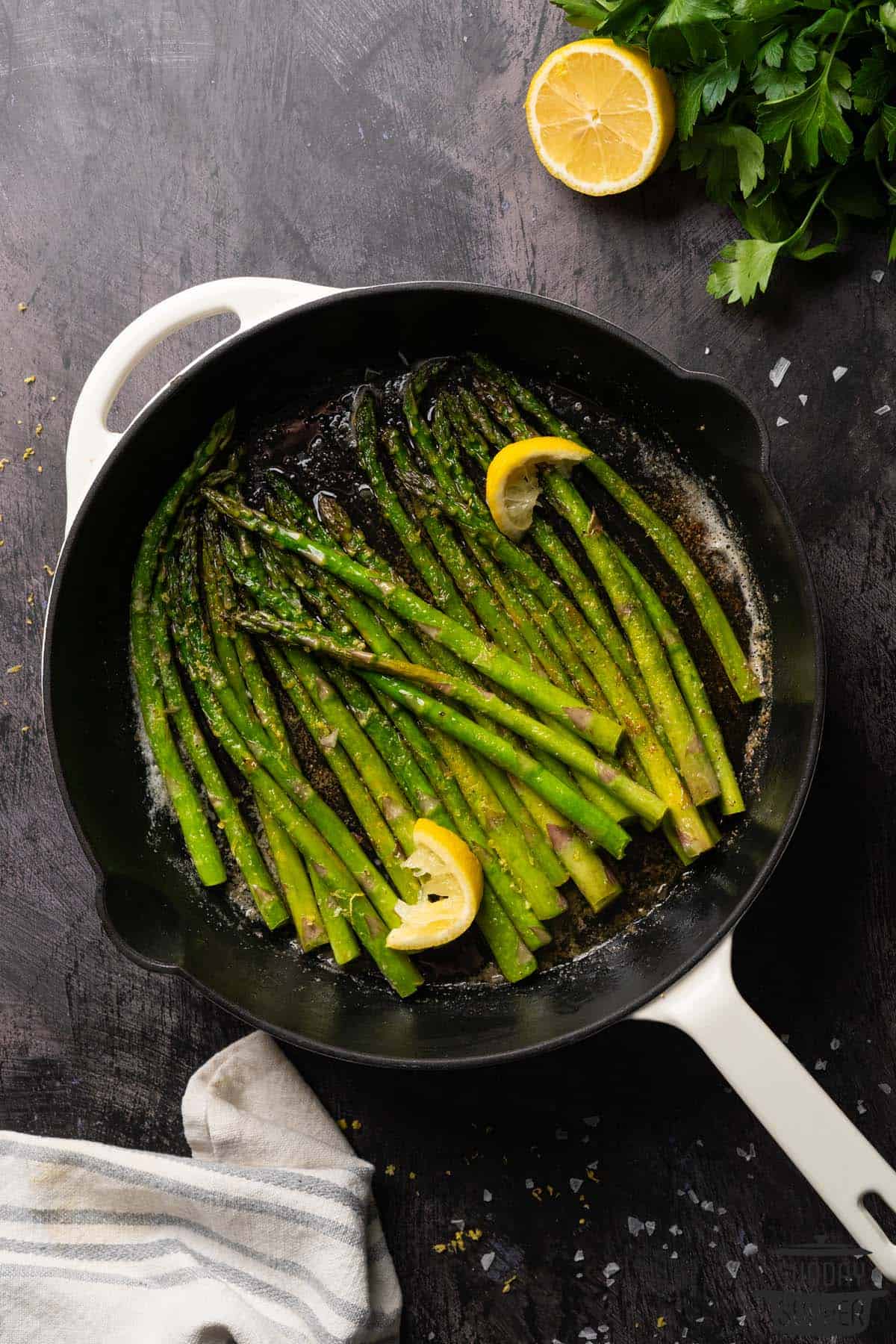
Credit: sundaysuppermovement.com
Step-by-step: How To Pan Fry Asparagus
Let’s get to the actual process. Here’s a straightforward method that works for any home cook.
What You’ll Need
- 10-12 asparagus spears (about 1/2 pound)
- 1-2 tablespoons oil
- Salt and pepper to taste
- Large skillet or frying pan
- Tongs or spatula
Cooking Instructions
- Heat your pan: Place your skillet over medium-high heat. Let it get hot before adding oil.
- Add oil: Swirl to coat the bottom. You want enough to cover lightly but not pool.
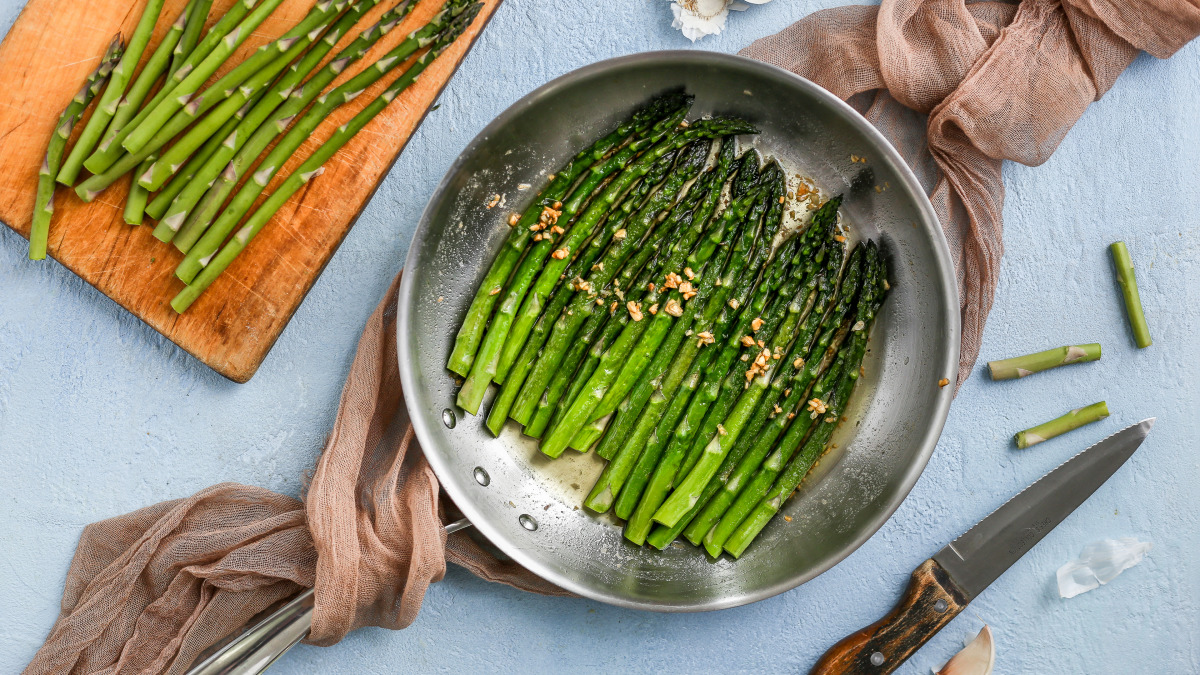
- Add asparagus: Lay the spears in a single layer. If they don’t all fit, cook in batches.
- Let them cook: Don’t stir immediately. Let one side brown for 1-2 minutes.
- Toss or turn: Use tongs to turn the spears so all sides get contact with the pan.
- Season: Sprinkle salt and pepper during cooking, not just at the end.
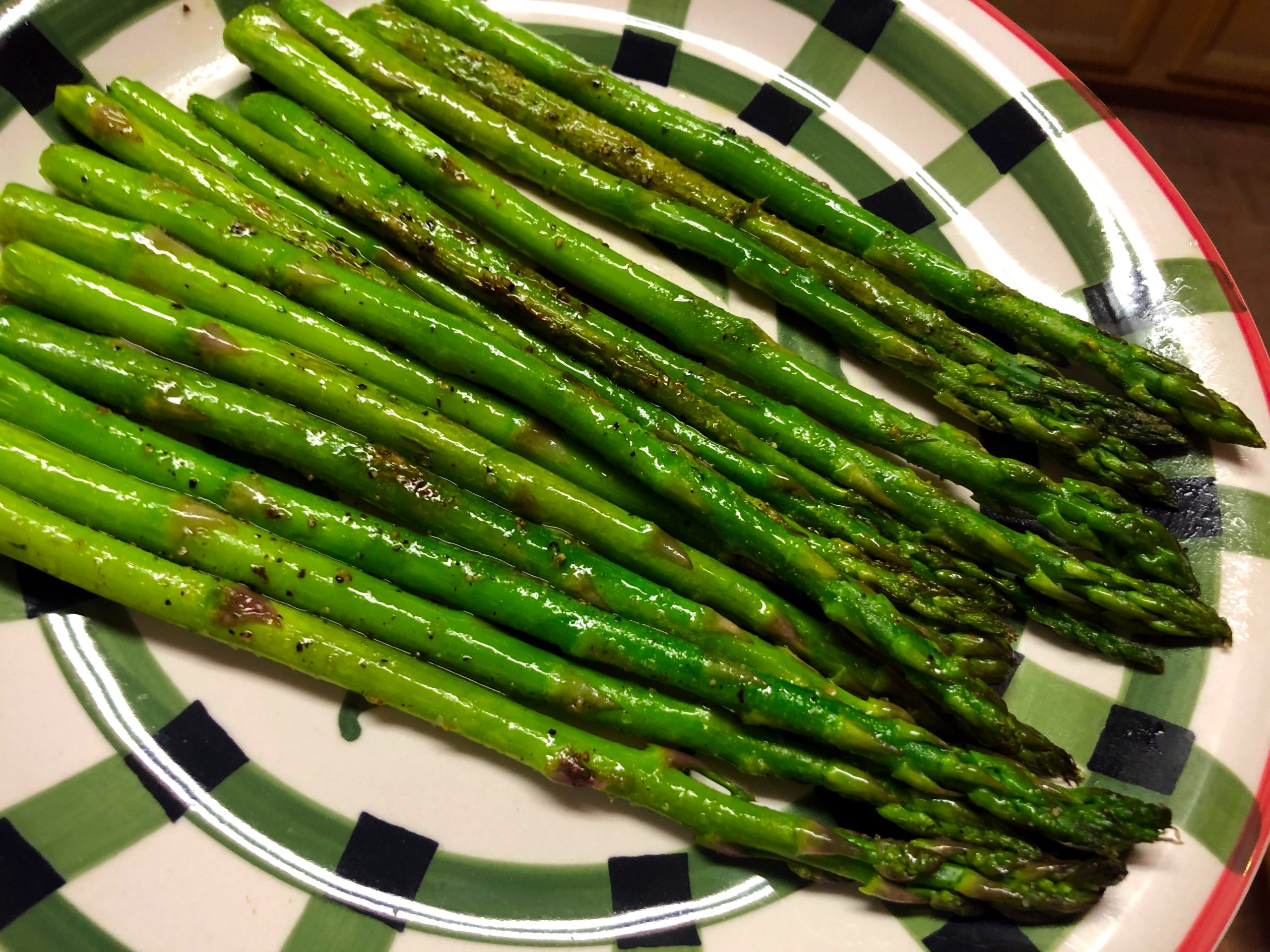
- Check doneness: After 4-6 minutes (see size chart above), the asparagus should be bright green with lightly browned spots. Pierce with a fork—it should go in easily but not fall apart.
- Finish: Remove from heat. Add a squeeze of lemon or a dash of parmesan if you like.
That’s it. Serve right away for the best texture.
The Science Of Perfect Pan-frying
Many home cooks wonder why their asparagus turns out limp or unevenly cooked. The answer lies in the balance between heat, oil, and timing.
Why High Heat Matters
High heat is crucial for two reasons:
- Browning: It creates flavor through caramelization and the Maillard reaction.
- Short cook time: Prevents the insides from getting mushy.
If the pan isn’t hot enough, the asparagus will steam rather than fry. This leads to pale color and watery texture.
Oil Choice
Oil does more than prevent sticking. It helps transfer heat evenly and adds flavor. Extra-virgin olive oil is popular, but its smoke point is lower than some alternatives. For very high heat, consider avocado oil or grapeseed oil.
| Oil Type | Smoke Point (°F) | Flavor |
|---|---|---|
| Extra-Virgin Olive Oil | 375 | Rich, fruity |
| Avocado Oil | 520 | Neutral, buttery |
| Grapeseed Oil | 420 | Mild, clean |
Creative Seasoning And Flavor Ideas
Once you’ve mastered the basics, it’s easy to add variety. Here are some popular ways to boost flavor:
Classic Lemon Garlic
Add 1-2 minced garlic cloves to the oil before adding asparagus. Finish with a squeeze of fresh lemon juice just before serving.
Parmesan And Herbs
Sprinkle grated parmesan and chopped parsley or basil over the cooked spears for an Italian-inspired side.
Spicy Twist
Add a pinch of red pepper flakes while cooking, or finish with a drizzle of chili oil.
Asian-style
Toss with a splash of soy sauce and a sprinkle of toasted sesame seeds just before serving.
Beginner insight: Add delicate ingredients (like garlic or cheese) toward the end. If added too early, they may burn.
Common Mistakes And How To Avoid Them
Even experienced cooks sometimes struggle with pan-fried asparagus. Here’s what to watch out for:
- Overcrowding the pan: If spears are stacked, they’ll steam rather than fry. Always use a large enough skillet or cook in batches.
- Not drying asparagus: Water droplets cause oil to splatter and make for soggy texture.
- Low heat: This prevents browning and leads to limp spears.
- Overcooking: Asparagus cooks fast—test early. It should still have a little bite.
- Adding salt too late: Salt during cooking helps draw out moisture and boosts flavor.
Pro tip: If you’re cooking a large batch, keep finished asparagus warm in a low oven (200°F) while you finish the rest.
Credit: ohsnapletseat.com
Pan Types: Does It Matter?
The type of pan can change your results. Each has pros and cons.
| Pan Type | Benefits | Drawbacks |
|---|---|---|
| Stainless Steel | Great browning, even heat | Needs more oil to prevent sticking |
| Nonstick | Easy cleanup, less oil needed | Less browning, can overheat coating |
| Cast Iron | Excellent heat retention, deep flavor | Heavy, needs seasoning |
If you’re new, nonstick pans are forgiving. For deeper flavor, try cast iron—but let it preheat well.
Adapting For Special Diets
Pan-fried asparagus is naturally vegetarian, gluten-free, and low in carbs. You can easily adjust for other needs:
- Vegan: Use oil only; skip butter or cheese.
- Keto: Add a dollop of butter or sprinkle of parmesan.
- Whole30/Paleo: Use olive or avocado oil, and season with herbs or nuts.
Serving Suggestions
Pan-fried asparagus is incredibly versatile. Here are some ideas:
- Serve as a side for grilled chicken, steak, or fish.
- Add to salads or grain bowls for crunch and color.
- Top with a fried or poached egg for a light meal.
- Fold into omelets, frittatas, or pasta dishes.
Non-obvious tip: Leftover pan-fried asparagus makes a great sandwich or wrap filling. Slice and add to a pita with hummus or turkey.
How To Store And Reheat Pan-fried Asparagus
Asparagus is best fresh, but you can store leftovers for up to 3 days in the fridge. Let it cool, then place in an airtight container.
To reheat: Use a skillet over medium heat for 1-2 minutes. Avoid microwaving—this can make the spears limp and watery. If using the oven, place on a baking sheet at 350°F for 5 minutes.
Troubleshooting: Solving Common Problems
Asparagus Is Too Tough
- You may not have trimmed enough from the ends. Next time, snap or cut off more of the woody base.
- For thick spears, peel the bottom half before cooking.
Asparagus Is Mushy
- Likely overcooked or pan was not hot enough. Cook in a single layer and test doneness early.
Uneven Cooking
- Try cutting spears to uniform length and thickness. If some are much thicker, start those first.
No Browning
- Increase your pan heat and let the oil heat fully before adding asparagus.
Nutritional Benefits Of Pan-fried Asparagus
Asparagus is not only delicious but also packed with nutrients. A half-cup (90g) serving provides:
- 20 calories
- 2 grams of protein
- 2 grams of fiber
- Vitamins A, C, E, and K
- Folate, iron, and potassium
Unlike boiling, pan-frying retains more vitamins, especially vitamin C and folate. Asparagus is also high in antioxidants and supports healthy digestion.
Pairing Pan-fried Asparagus With Wine And Other Drinks
If you enjoy wine, asparagus can be tricky. Its unique flavor can clash with reds. For best results, try:
- Sauvignon Blanc: Crisp, herbal notes match asparagus.
- Pinot Grigio: Light and citrusy, refreshing pairing.
- Dry Rosé: Works well for spring and summer.
For non-alcoholic options, sparkling water with lemon or iced green tea complements the flavors.
Cooking For A Crowd
If you need to pan-fry a large amount, you have options:
- Use two pans at once or cook in batches.
- Keep finished asparagus warm in the oven (200°F) on a baking sheet.
- Avoid piling hot asparagus—it can steam and lose crispness.
Pro tip: You can briefly par-cook thick spears in boiling water for 1 minute, then pan-fry for color and flavor.
Credit: www.food.com
Sustainability And Sourcing
Most asparagus in the US comes from California, Mexico, or Peru, depending on the season. Buying local and in-season (spring) reduces environmental impact and ensures the freshest flavor.
Organic options are widely available. Asparagus is generally low in pesticide residue, but washing is always recommended.
For more on sustainable asparagus farming, visit the Wikipedia entry on asparagus.
Frequently Asked Questions
How Do I Know When Asparagus Is Done?
Perfectly pan-fried asparagus is bright green, slightly browned, and easily pierced with a fork but not limp. Start checking after 3-4 minutes, especially for thin spears.
Can I Pan-fry Frozen Asparagus?
Yes, but the texture will be softer and less crisp. Thaw and dry well before cooking. Increase heat and reduce cook time to prevent sogginess.
Should I Peel Asparagus Before Pan-frying?
Peel only thick spears (over 1/2 inch). The lower half can be fibrous. Use a vegetable peeler for just the bottom half, not the tips.
What Oil Is Best For Pan-frying Asparagus?
Olive oil is classic for flavor, but avocado oil and grapeseed oil work well for higher heat and a neutral taste.
Can I Add Other Vegetables To The Pan?
Absolutely. Thinly sliced carrots, bell peppers, or snap peas pair well. Add firmer veggies first, then asparagus so everything finishes at the same time.
Pan-frying asparagus is a simple, adaptable method you can master in minutes. With the steps and tips above, you’ll enjoy crisp, flavorful asparagus every time—whether as a quick weeknight side or a special addition to your favorite meals. Try it today and enjoy the taste of spring year-round.

Hello, This is Annie Walker, a 38-year-old blogger, founder, and editor of Cookware Guider from NY, USA. I am a cookware fanatic and passionate cooker. I love to cook with different types of cooking appliances (example: all types of cookware, rice cookers, slow cookers, etc) almost every day in my kitchen. I love to share my experience with my readers in my blog. Also, I enjoy helping people to solve their problems through my website. You can follow me on Twitter & Pinterest. To know details about my blog please check the about us page.