
Are you tired of mushy or undercooked rice every time you try to boil it? Getting perfect, fluffy rice in a saucepan doesn’t have to be tricky.
With the right steps, you can master this simple skill and make your meals taste better than ever. You’ll discover an easy method to boil rice perfectly every time. Keep reading, and you’ll never worry about your rice again!

Credit: www.recipetineats.com
Choosing The Right Rice
Choosing the right rice is important for perfect boiled rice. Different types of rice have different textures and flavors. Picking the right one helps you get the best results every time. Understanding the rice type makes cooking easier and the taste better.
Types Of Rice For Boiling
There are many types of rice you can boil. Long-grain rice stays fluffy and separate after boiling. Examples include basmati and jasmine rice. Medium-grain rice is softer and a bit sticky. Short-grain rice is very sticky and perfect for dishes like sushi. Each type suits different meals and cooking styles.
How Rice Type Affects Cooking Time
Rice cooking time changes with the type you choose. Long-grain rice takes about 15 to 20 minutes to boil. Medium-grain rice needs a little less time, around 12 to 15 minutes. Short-grain rice cooks fastest, usually in 10 to 12 minutes. Check the rice package for exact times. Adjust water and heat for best texture.
Preparing Rice Before Boiling
Preparing rice before boiling is an important step for tasty, fluffy results. It helps remove dirt and extra starch. This makes the rice less sticky and more pleasant to eat.
Taking time to prepare rice also improves the cooking process. You get even texture and better flavor in every grain. Let’s explore simple ways to prepare rice before boiling.
Rinsing And Washing Rice
Start by placing rice in a bowl or sieve. Use cold water to rinse the rice gently. Stir the rice with your hand to remove dirt and starch.
Drain the water and repeat rinsing two to three times. Keep rinsing until the water runs clear. Clean rice cooks better and tastes fresher.
Soaking Tips For Better Texture
Soaking rice before boiling helps soften the grains. Use clean water and soak rice for 15 to 30 minutes. This short wait makes rice cook evenly.
Soaked rice absorbs water and swells slightly. It results in fluffier and lighter rice. Drain the soaking water before boiling for best results.
Selecting The Saucepan
Selecting the right saucepan is key to boiling rice well. It helps cook rice evenly and prevents sticking. A good saucepan makes the cooking process smooth and easy. Focus on size and material for best results. Also, the lid plays an important role.
Ideal Size And Material
Choose a saucepan that fits the amount of rice you cook. A medium size works for most families. Too small, and rice will spill over. Too big, and water may evaporate too fast.
Pick materials that heat evenly. Stainless steel and heavy aluminum are good choices. They keep the temperature steady. Avoid thin pans. They cause hot spots and burn rice.
Lid Importance
A tight lid keeps steam inside. Steam cooks the rice fully and makes it fluffy. Without a good lid, water escapes and rice dries out.
Glass lids are handy. You can watch rice without lifting the lid. Lifting lets steam escape and slows cooking. Keep the lid on until rice is done.
Measuring Rice And Water
Measuring rice and water is the first step to cook perfect rice in a saucepan. Too much water makes rice mushy. Too little water leaves rice hard and dry. Using the right amount helps rice cook evenly and taste great. This section explains the best rice to water ratios and how to adjust for different rice types.
Rice To Water Ratios
The common ratio for white rice is 1 cup of rice to 2 cups of water. This ratio works well for most basic rice cooking. For brown rice, use 1 cup of rice to 2.5 cups of water. This extra water helps cook the tougher grains fully. Keep measuring cups handy for accuracy.
Use a standard cup to measure both rice and water. Rinse rice before measuring to remove excess starch. Rinsing helps rice stay fluffy and not sticky. Pour the water over the rice after measuring to keep the ratio correct.
Adjustments For Different Rice Types
Different rice types need different water amounts. Jasmine rice needs less water than brown rice. Try 1 cup of jasmine rice with 1.5 cups of water. Basmati rice cooks well with 1 cup rice to 1.75 cups water. Sticky rice needs even less water, around 1 cup rice to 1.25 cups water.
Check the rice package for specific instructions. Adjust water slightly based on how soft you want the rice. More water makes softer rice; less water keeps it firmer. Practice with small amounts to find your perfect balance.
Boiling Process Step-by-step
The boiling process for rice is simple and clear. Follow each step carefully to get fluffy, perfect rice every time.
Each stage affects the rice texture and taste. Pay close attention to water temperature and timing. This step-by-step guide helps you cook rice in a saucepan like a pro.
Bringing Water To A Boil
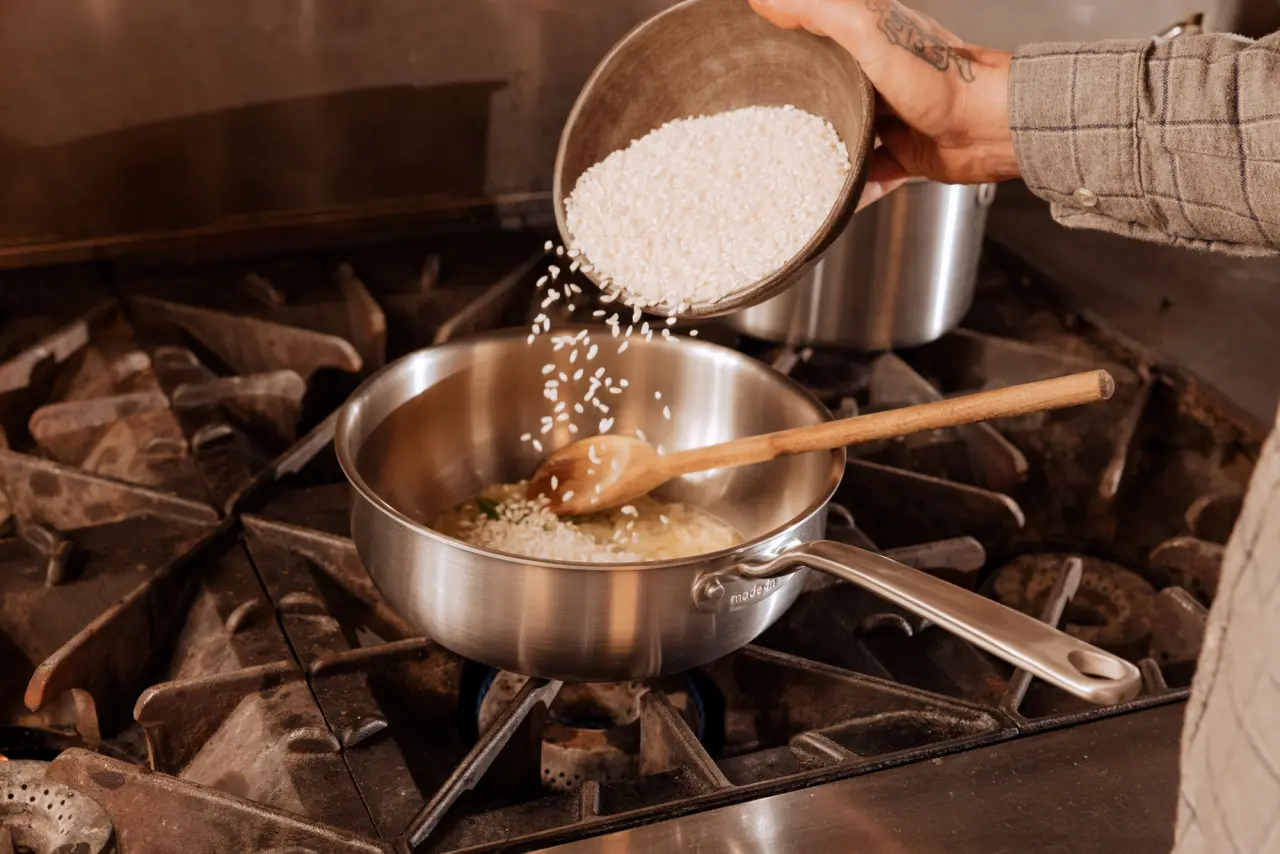
Start by pouring water into a saucepan. Use the right amount for the rice you want to cook. Place the pan on medium-high heat.
Wait until the water bubbles strongly. This means it has reached a full boil. Avoid rushing this step. Boiling water cooks rice evenly.
Adding Rice And Stirring
Carefully add the rice to the boiling water. Stir gently once to separate the grains. This stops rice from sticking together.
Do not stir too much. Over-stirring makes rice mushy. Stir just enough to spread the grains evenly.
Simmering With Lid On
Lower the heat to a gentle simmer. Cover the saucepan with a tight lid. This traps steam and cooks rice fully.
Let the rice simmer without lifting the lid. Steam cooks the rice inside out. Check the rice only after the time ends.
:max_bytes(150000):strip_icc()/how-to-make-jasmine-rice-3217510-ADD-V1-BIG-FINAL-V2-6ad75cb18e604ae486f113e1d1c356dd.png)
Credit: www.thespruceeats.com
Timing And Heat Control
Timing and heat control are key to cooking perfect rice in a saucepan. The right heat keeps the rice cooking evenly. Too much heat burns the rice or dries it out. Too little heat slows the cooking down. Good timing stops the rice from getting mushy or hard. Watch the pot closely as the water heats and boils. This way, you keep full control over the cooking process.
When To Reduce Heat
Start by boiling water on high heat. Add rice once water boils. Let it return to a boil. Then, lower the heat to a gentle simmer. This keeps the rice cooking without boiling over. Simmering avoids tough or burnt rice. Keep the lid on the pot. This traps steam for even cooking. The rice will cook fully in about 15 to 20 minutes.
Avoiding Overcooking
Check the rice near the end of cooking. Taste a small spoonful for softness. The rice should be tender but not mushy. Remove the pot from heat when done. Let it rest covered for 5 minutes. This helps the grains firm up. Avoid lifting the lid too often. Each time you do, steam escapes and slows cooking. Proper timing and heat stop overcooked rice every time.
Finishing Touches
The cooking process does not end once the rice is done boiling. The finishing touches make a big difference. They help improve the texture and taste. These small steps prepare the rice for serving and make it more enjoyable.
Letting Rice Rest
After turning off the heat, leave the saucepan covered. Let the rice sit quietly for 5 to 10 minutes. This resting time allows the steam to finish cooking the rice. It helps the grains absorb any leftover moisture. The rice becomes softer and less sticky.
Fluffing Rice With A Fork
Use a fork to gently fluff the rice. Do not use a spoon or stir too hard. Fluffing separates the grains and stops clumping. It makes the rice light and airy. This simple step improves the texture and appearance of the rice.
Credit: madeincookware.com
Troubleshooting Common Issues
Boiling rice in a saucepan seems simple. Still, many face common problems like mushy or undercooked rice. These issues can spoil your meal and waste ingredients. This section helps fix those problems quickly. Follow these tips for better rice every time.
Fixing Mushy Rice
Mushy rice means too much water or cooking time. To fix mushy rice, drain extra water immediately. Spread rice on a baking sheet to cool. This helps steam escape and prevents more mushiness. Next time, use less water or reduce cooking time by a few minutes.
Dealing With Undercooked Rice
Undercooked rice feels hard and chewy. Add a little water to the saucepan. Cover it tightly with a lid. Cook on low heat for 5 to 10 minutes more. This softens the rice without burning. Avoid lifting the lid often. It lets steam escape and slows cooking.
Enhancing Flavor
Boiling rice in a saucepan is simple, but adding flavor makes it special. Plain rice can be boring. Enhancing its taste brings a better meal experience. Small changes create big differences. Flavorful rice pairs well with many dishes.
Adding Salt And Spices
Start by adding a pinch of salt to the water. Salt brings out the natural taste of rice. Try spices like bay leaves, cinnamon sticks, or cloves for extra aroma. These spices give rice a warm, inviting smell. Add them to the water before boiling. Remove whole spices after cooking. The rice will carry a gentle, pleasant flavor.
Using Broth Instead Of Water
Replace water with chicken, vegetable, or beef broth. Broth adds rich, savory notes to the rice. It makes the rice taste deeper and less plain. Use low-sodium broth to control salt levels. Heat the broth before adding rice. This helps cook the rice evenly with flavor. The final dish tastes more delicious without extra effort.
Frequently Asked Questions
How Much Water Is Needed To Boil Rice In A Saucepan?
Use 2 cups of water for every 1 cup of rice. This ratio ensures the rice cooks evenly and absorbs the right amount of moisture. Adjust water slightly for different rice types or desired texture.
How Long Should I Boil Rice In A Saucepan?
Boil rice for 18-20 minutes on low heat after water reaches a boil. Avoid stirring during cooking to prevent mushy rice. Cooking times may vary slightly based on rice variety.
Should I Rinse Rice Before Boiling It?
Yes, rinsing rice removes excess starch and prevents clumping. Rinse under cold water until it runs clear. This step improves texture and results in fluffier rice.
Can I Use The Same Saucepan For All Rice Types?
Most saucepans work for boiling rice, but heavy-bottomed pans distribute heat evenly. This prevents burning and sticking. Ensure the saucepan has a tight-fitting lid to trap steam.
Conclusion
Boiling rice in a saucepan is simple and quick. Just measure the rice and water correctly. Bring water to a boil, add rice, then lower the heat. Let it cook until water is gone and rice is soft. Fluff the rice with a fork before serving.
This basic skill helps you prepare many meals with ease. Practice a few times to get the perfect texture. Enjoy your homemade rice anytime without needing special equipment. Cooking rice this way saves money and time in the kitchen.

Hello, This is Annie Walker, a 38-year-old blogger, founder, and editor of Cookware Guider from NY, USA. I am a cookware fanatic and passionate cooker. I love to cook with different types of cooking appliances (example: all types of cookware, rice cookers, slow cookers, etc) almost every day in my kitchen. I love to share my experience with my readers in my blog. Also, I enjoy helping people to solve their problems through my website. You can follow me on Twitter & Pinterest. To know details about my blog please check the about us page.