
You’ve invested in Calphalon nonstick cookware because you want easy cooking and quick cleanup. But to keep your pans performing like new, you need the right care.
If you’ve ever wondered how to protect that smooth surface and avoid scratches or warping, you’re in the right place. This guide will show you simple, effective steps to make your Calphalon nonstick cookware last longer and cook better every time.
Keep reading to unlock the secrets to caring for your favorite kitchen tools—you’ll thank yourself with every meal.
Credit: business.walmart.com
Calphalon Nonstick Basics
Calphalon nonstick cookware offers a simple way to cook with less oil and easy cleanup. Understanding the basics helps keep your pans in great shape. Knowing the material and benefits ensures you get the best use from your cookware.
Material Features
Calphalon nonstick pans use hard-anodized aluminum. This makes them strong and resistant to scratches. The surface has a special nonstick coating. It prevents food from sticking and allows easy cleaning. The handles stay cool during cooking for safety. The pans heat evenly, so food cooks well without hot spots.
Benefits Of Nonstick
Nonstick cookware needs less oil or butter. This helps create healthier meals. Food slides off easily, making it simple to flip or stir. Cleaning takes less time because food does not stick. Nonstick pans are lighter than regular pans. They are perfect for everyday cooking and quick meals.
Credit: www.surlatable.com
Cleaning Tips
Cleaning Calphalon nonstick cookware properly keeps it safe and lasting longer. Dirt and food bits can stick easily, so gentle care is needed. The right cleaning methods protect the nonstick surface and keep it smooth for cooking.
Hand Washing Techniques
Use warm water and mild soap for cleaning. A soft sponge or cloth works best. Avoid harsh scrubbers that can scratch the surface. Rinse well to remove all soap. Dry the cookware with a soft towel to prevent water spots.
Avoiding Dishwasher Damage
Dishwashers can harm nonstick coatings over time. High heat and strong detergents cause wear and fading. Hand washing is safer and keeps your cookware looking new. Save the dishwasher for other pots and pans.
Removing Stubborn Residue
Soak the pan in warm, soapy water for 15 minutes. Use a soft brush or sponge to gently scrub the residue. Baking soda mixed with water makes a gentle cleaner. Avoid metal tools that can scratch the coating.
Cooking Guidelines
Proper cooking guidelines help your Calphalon nonstick cookware last longer. Follow these tips to keep the nonstick surface safe and effective. Avoid common mistakes that reduce the lifespan of your pans.
Best Heat Settings
Use low to medium heat for most cooking tasks. High heat can damage the nonstick coating quickly. Preheat your pan on low heat before adding food. Avoid heating an empty pan for too long.
Suitable Cooking Utensils
Use wooden, silicone, or plastic utensils to protect the surface. Metal tools can scratch or chip the coating. Soft utensils help maintain the smooth nonstick finish. Replace utensils that show signs of wear.
Preventing Scratches
Do not stack cookware without protection. Place a paper towel or cloth between pans. Clean gently with non-abrasive sponges or cloths. Avoid harsh scrubbing that can harm the coating.
Storage Advice
Proper storage keeps Calphalon nonstick cookware in great shape. It protects the coating and extends the life of your pans. Storing cookware the right way avoids scratches and damage.
Proper Stacking Methods
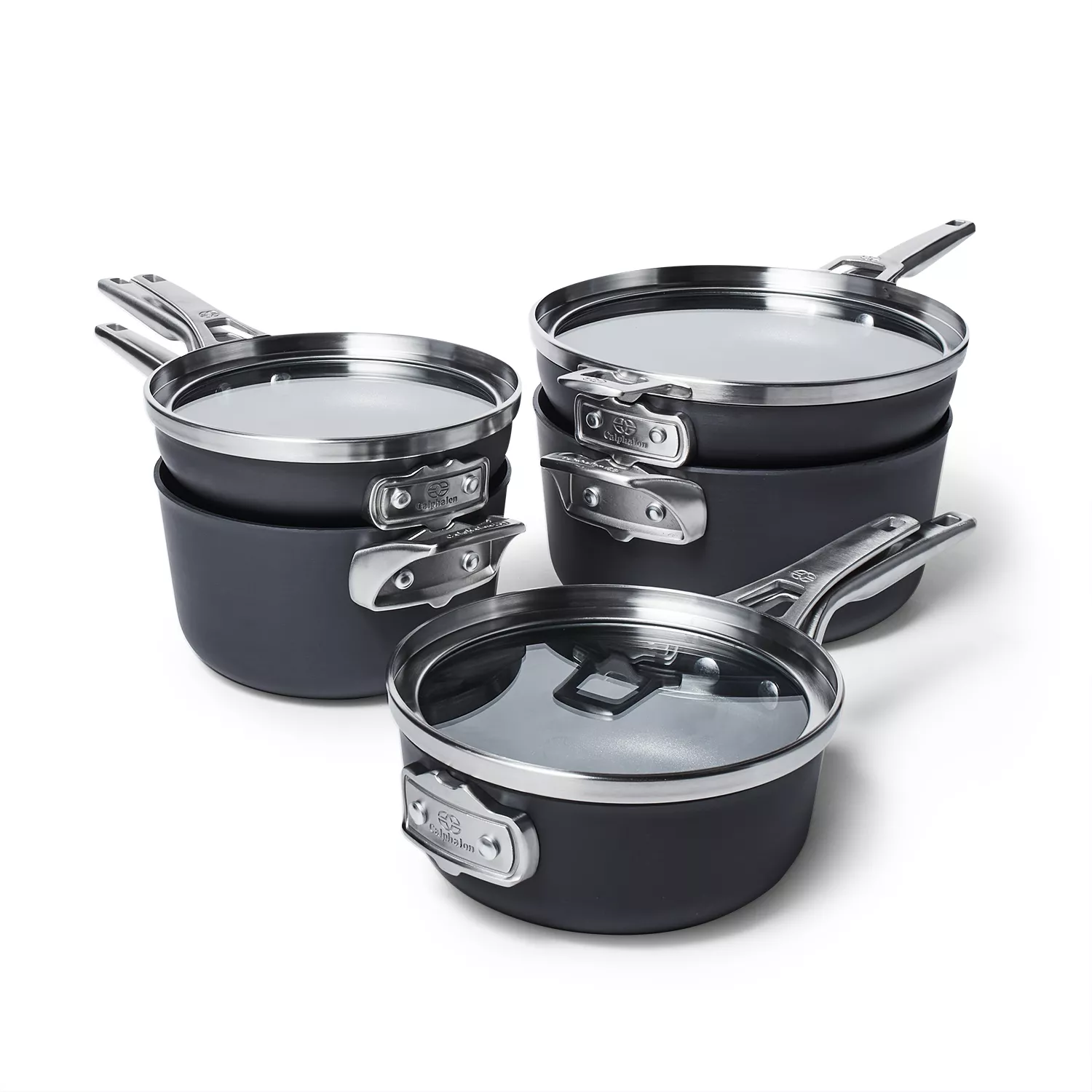
Stack pans with care to avoid scratches. Place a soft cloth or paper towel between each pan. This simple step stops metal from rubbing on the nonstick surface. Avoid piling heavy pots on top. Keep stacks light and balanced to prevent warping.
Protecting Nonstick Surface
Never store sharp or metal objects inside your nonstick pans. These can scratch and ruin the coating. Use pan protectors or silicone liners for extra safety. Store lids separately or upside down to avoid pressure on the cookware. Keep your Calphalon pans in a dry, cool place to maintain their quality.
Maintenance Tricks
Taking care of Calphalon nonstick cookware keeps it working well. Simple maintenance tricks help keep the surface smooth and prevent damage. Regular care also extends the life of your pans. Follow easy steps to protect your investment and enjoy cooking for years.
Reconditioning Nonstick Surface
Sometimes the nonstick surface loses its smooth feel. This happens after many uses or harsh cleaning. To fix this, try reconditioning. First, clean the pan with warm water and mild soap. Avoid scrubbing hard. Dry it completely before use.
Next, apply a small amount of cooking oil to the surface. Use a soft cloth to spread the oil evenly. Heat the pan on low for a few minutes. This helps the oil soak in and restores some nonstick power. Let the pan cool before wiping off extra oil.
Do this reconditioning every few months. It keeps your cookware performing better and stops food from sticking.
When To Replace Cookware
Nonstick pans last a long time but not forever. Check for deep scratches or peeling on the surface. These signs show it’s time to replace the pan. Cooking with a damaged nonstick can be unsafe and food may stick more.
Also, if the pan warps or the handle becomes loose, consider buying a new one. A well-maintained pan works better and is safer. Don’t wait too long to replace worn cookware. Fresh pans make cooking easier and more enjoyable.
Common Mistakes
Caring for Calphalon nonstick cookware is easy if you avoid some common mistakes. These errors can shorten the life of your pans. They can also affect how well your food cooks. Understanding these mistakes helps keep your cookware in great shape for years.
Avoiding Overheating
High heat can damage the nonstick coating quickly. Calphalon pans work best on low to medium heat. Overheating may cause warping or peeling. Never leave an empty pan on a hot burner. Use heat settings recommended in the manual. This keeps your cookware safe and effective.
Handling Cleaning Errors
Cleaning with harsh tools can scratch the surface. Avoid steel wool or abrasive scrubbers. Use soft sponges or cloths instead. Wash pans with warm, soapy water after use. Never put nonstick cookware in the dishwasher unless the manual says it’s safe. Proper cleaning helps maintain the smooth nonstick finish.
Maximizing Cookware Lifespan
Maximizing the lifespan of Calphalon nonstick cookware means using and caring for it correctly. Proper care keeps the nonstick surface smooth and effective. It also prevents damage that shortens the cookware’s life.
Small habits make a big difference. Clean the pans carefully and store them safely. Avoid harsh tools and high heat. These steps help keep your cookware in top shape for years.
Routine Care Practices
Wash Calphalon pans with warm, soapy water after each use. Use a soft sponge or cloth to clean gently. Avoid steel wool or abrasive scrubbers that can scratch the surface.
Dry your cookware thoroughly to stop rust and water spots. Use low to medium heat while cooking. High heat can break down the nonstick coating faster.
Use wooden, silicone, or plastic utensils. Metal tools can damage the surface. Store pans carefully, stacking with protection like cloth or paper towels.
Signs Of Wear And Tear
Look for scratches or peeling on the nonstick surface. Food sticking more than usual is another sign. Warping or discoloration also shows damage.
Replace pans if the coating flakes or chips. Cooking on damaged surfaces may affect food taste and safety. Regular checks help avoid cooking problems and extend cookware life.

Credit: www.calphalon.com
Frequently Asked Questions
How Do I Clean Calphalon Nonstick Cookware?
Use warm, soapy water and a soft sponge to clean. Avoid abrasive scrubbers that damage the nonstick surface. Hand washing is best to maintain the coating’s longevity. Dry thoroughly before storing to prevent water spots and rust.
Can I Use Metal Utensils With Calphalon Nonstick Pans?
No, metal utensils can scratch and damage the nonstick coating. Use wooden, silicone, or plastic utensils instead. This helps maintain the pan’s nonstick properties and extends its lifespan. Avoid cutting or scraping inside the cookware.
Is It Safe To Use High Heat On Calphalon Nonstick?
Avoid using high heat as it can degrade the nonstick coating. Medium or low heat is recommended for cooking. High heat may cause warping or release harmful fumes. Always preheat pans gradually for best results.
How Should I Store Calphalon Nonstick Cookware?
Store pans with a soft cloth or paper towel between them. This prevents scratches and damage to the nonstick surface. Avoid stacking directly without protection. Store in a dry place to maintain quality and performance.
Conclusion
Caring for Calphalon nonstick cookware keeps it working well longer. Use soft sponges and mild soap to clean gently. Avoid metal tools that can scratch the surface. Cook on low to medium heat for best results. Store pans carefully to prevent damage.
Small steps make a big difference in cookware life. Enjoy cooking with your well-kept Calphalon pans every day. Simple care brings great cooking results and saves money.

Hello, This is Annie Walker, a 38-year-old blogger, founder, and editor of Cookware Guider from NY, USA. I am a cookware fanatic and passionate cooker. I love to cook with different types of cooking appliances (example: all types of cookware, rice cookers, slow cookers, etc) almost every day in my kitchen. I love to share my experience with my readers in my blog. Also, I enjoy helping people to solve their problems through my website. You can follow me on Twitter & Pinterest. To know details about my blog please check the about us page.