
Have you ever looked at your favorite saucepan and felt frustrated by the stubborn black stains that just won’t come off? You’re not alone.
A blackened saucepan doesn’t just look bad—it can make cooking feel like a chore. But what if you could bring back that shiny, clean surface without spending hours scrubbing or buying expensive cleaners? You’ll discover simple, effective ways to clean your blackened saucepan so it looks almost new again.
Keep reading, and you’ll learn easy tricks that save your time, your effort, and your sanity.
Credit: www.thekitchn.com
Causes Of Blackened Saucepans
Blackened saucepans often surprise many home cooks. The dark stains may look like permanent damage. Understanding the causes helps prevent and treat this problem. Knowing why saucepans blacken can save time and effort in cleaning.
Common Reasons For Blackening
One main cause is burnt food residue. When food sticks and burns on the pan, it leaves black marks. Cooking on high heat without enough oil also creates black stains. Overheating empty pans causes the metal to discolor. Using pans on open flames can produce soot buildup. Hard water and mineral deposits can add to blackening over time.
Effects On Cookware Performance
Blackened saucepans lose heat efficiency. Burnt layers block even heat flow. This causes food to cook unevenly and burn more easily. The black residue can react with food, affecting taste. It also makes the pan harder to clean. Over time, the pan’s surface can get damaged, shortening its life.
Preparation Before Cleaning
Before cleaning a blackened saucepan, preparation is key. Getting ready helps make the cleaning process easier and safer. This section covers what you need to gather and the safety steps to follow.
Gathering Necessary Supplies
Start by collecting all cleaning materials. You will need baking soda, white vinegar, dish soap, and a scrub brush or sponge. A plastic scraper can help remove tough burnt bits. Have clean water ready for rinsing. Preparing all supplies first saves time.
Safety Precautions
Wear rubber gloves to protect your hands from harsh cleaners. Work in a well-ventilated area to avoid inhaling fumes. Avoid using steel wool on non-stick pans to prevent damage. Always read product labels for safe use instructions. Take these steps to keep yourself safe while cleaning.
Quick Home Remedies
Blackened saucepans can ruin your cooking experience. Quick home remedies use common kitchen items to clean them fast. These methods save time and money. They also avoid harsh chemicals and keep your pan safe.
Using Baking Soda And Vinegar
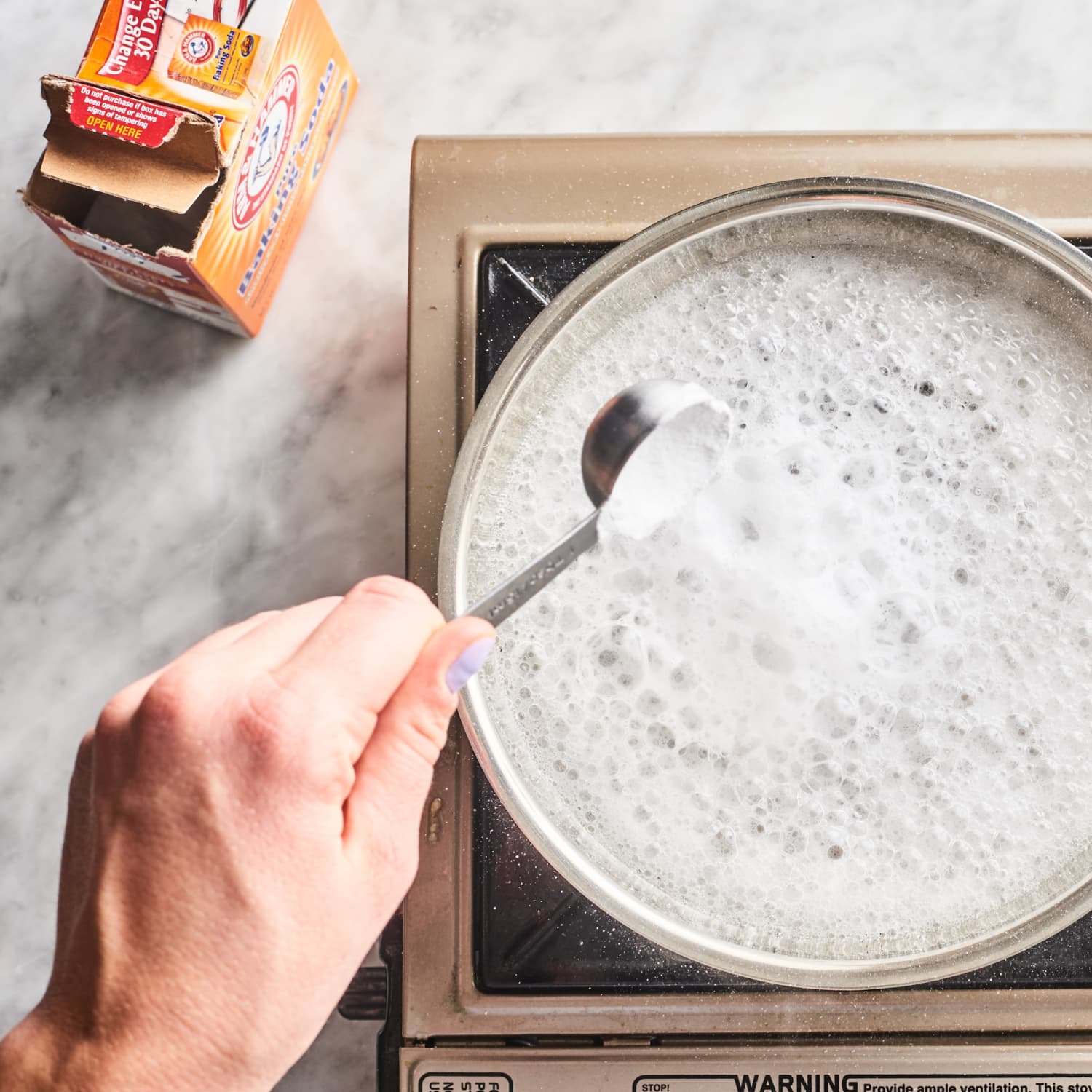
Sprinkle baking soda over the blackened areas. Add white vinegar slowly. The mix will bubble and fizz. Let it sit for 10 minutes. Use a soft sponge to scrub gently. Rinse with warm water. Repeat if needed. This combo breaks down burnt layers easily.
Lemon And Salt Method
Cut a lemon in half. Dip the lemon in salt. Rub the salted lemon on the black stains. The acid in lemon and rough salt scrub away dirt. Let it sit for 5 minutes. Wipe with a damp cloth. Rinse and dry the pan well. This method freshens the pan too.
Commercial Cleaners
Commercial cleaners offer a quick way to clean blackened saucepans. These products are designed to remove tough stains and burnt layers. They save time and effort compared to home remedies.
Many commercial cleaners are safe for kitchen use. They work well on metal pans and other cookware. Choosing the right cleaner depends on the saucepan’s material and the level of blackening.
Types Of Products Available
There are several types of commercial cleaners for blackened saucepans. Some are powders that you sprinkle on the pan. Others come as sprays or liquids. Each type targets burnt stains differently.
Powdered cleaners often contain mild abrasives. They scrub away burnt residues without scratching the pan. Liquid cleaners may have chemicals that dissolve grease and carbon build-up. Spray cleaners are easy to apply and cover large surfaces quickly.
How To Use Them Effectively
Read the instructions on the cleaner’s label carefully. Apply the product evenly on the burnt area. Let it sit for the time suggested. This helps break down the tough stains.
Use a non-scratch scrubber or sponge to clean the pan. Rinse thoroughly with warm water to remove all cleaner residue. Repeat the process if necessary for heavy blackening. Always wear gloves to protect your skin from chemicals.
Natural Abrasive Techniques
Natural abrasive techniques offer an easy way to clean a blackened saucepan. They use simple household items that are gentle but effective. These methods avoid harsh chemicals that can damage cookware. Using natural abrasives keeps your saucepan safe and shiny.
Two popular techniques are scrubbing with aluminum foil and using a baking soda paste. Both remove tough stains and burnt layers without scratching the pan’s surface. These options save money and help protect the environment.
Scrubbing With Aluminum Foil
Crumple a small piece of aluminum foil into a ball. Use it to scrub the blackened areas of the pan. The foil works as a mild abrasive, lifting burnt residue easily. Dip the foil ball in warm water for better scrubbing power.
This method is quick and uses materials you already have. Avoid using too much force to protect the saucepan’s coating. Rinse the pan well after scrubbing to remove loosened dirt.
Using A Paste Of Baking Soda
Mix baking soda with a little water to make a thick paste. Spread the paste over the blackened parts of the pan. Let it sit for 15 to 20 minutes to break down grime.
Use a soft sponge or cloth to scrub the pan gently. Baking soda’s mild abrasiveness cleans without scratching the surface. Rinse thoroughly with warm water to wash away the residue.

Credit: erdutskavina.com
Preventing Future Blackening
Preventing future blackening of your saucepan saves time and effort. It keeps your cookware looking new and cooking well. Small habits make a big difference in avoiding stains and burnt marks.
Follow simple steps during cooking and cleaning to protect your saucepan. These tips help maintain its surface and improve its lifespan.
Proper Cooking Practices
Use low to medium heat while cooking. High heat causes food to burn and stick. Avoid heating an empty pan for too long. Add oil or water before heating to protect the base. Stir food regularly to stop it from sticking and burning. Use wooden or silicone utensils to avoid scratching the surface.
Regular Maintenance Tips
Clean your saucepan after every use. Use warm water and mild dish soap. Avoid abrasive scrubbers that can damage the pan. Dry the pan completely before storing it. Apply a thin layer of cooking oil to the surface occasionally. This prevents rust and keeps the pan smooth. Store your pans in a dry place, away from moisture.
When To Replace Your Saucepan
Knowing when to replace your saucepan is key to safe cooking. A blackened pan might seem clean after scrubbing. But some damage cannot be fixed with cleaning. Using a damaged pan can affect your food’s taste and safety. Recognizing signs of wear helps you decide when to stop trying to clean and start fresh.
Signs Of Irreparable Damage
Deep scratches or cracks on the pan’s surface can ruin it. If the non-stick coating peels or flakes, it’s time to replace. Warped bottoms stop the pan from sitting flat on the stove. This leads to uneven cooking. Rust spots that won’t come off also mean the pan is beyond repair. These issues make cooking unsafe and difficult.
Choosing Durable Cookware
Pick pans made from strong materials like stainless steel or cast iron. These last longer and handle heat better. Avoid cheap pans with thin metal and poor coatings. Look for pans with thick bases for even heat. Durable cookware saves money over time. It also makes cooking easier and safer. Invest in quality to avoid frequent replacements.
Credit: www.youtube.com
Frequently Asked Questions
How Do I Remove Black Stains From A Saucepan?
To remove black stains, soak the pan in warm soapy water. Scrub gently with a non-abrasive sponge. For tough stains, use baking soda and vinegar paste. Rinse thoroughly and dry to prevent further blackening.
What Household Items Clean A Blackened Saucepan Effectively?
Common household items like baking soda, vinegar, lemon juice, and salt work well. These natural cleaners break down burnt residue. Mix them to create a paste, apply to the pan, then scrub gently for best results.
Can I Use Steel Wool On A Blackened Saucepan?
Steel wool can scratch the surface, especially non-stick pans. Use it only on stainless steel pans with tough stains. For delicate pans, opt for softer scrubbers or natural cleaning agents to preserve the surface.
How Often Should I Clean A Saucepan To Avoid Blackening?
Clean your saucepan immediately after use to prevent residue buildup. Regular cleaning stops food from burning and blackening the pan. Proper drying and storage also help maintain its condition longer.
Conclusion
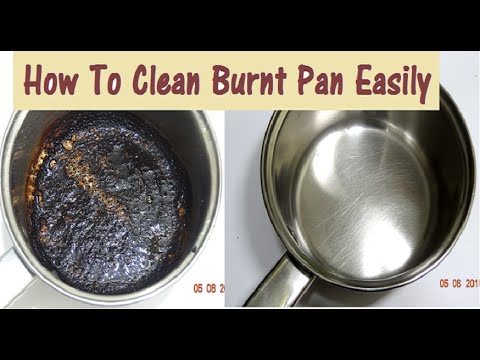
Cleaning a blackened saucepan does not have to be hard. Use simple ingredients like baking soda, vinegar, or lemon. Scrub gently but firmly to remove burnt marks. Let the pan soak to loosen tough stains. Regular cleaning keeps your pans looking good longer.
Save money by restoring old saucepans instead of buying new ones. With patience and care, your cookware will shine again. Give these tips a try and enjoy cooking with clean pots.

Hello, This is Annie Walker, a 38-year-old blogger, founder, and editor of Cookware Guider from NY, USA. I am a cookware fanatic and passionate cooker. I love to cook with different types of cooking appliances (example: all types of cookware, rice cookers, slow cookers, etc) almost every day in my kitchen. I love to share my experience with my readers in my blog. Also, I enjoy helping people to solve their problems through my website. You can follow me on Twitter & Pinterest. To know details about my blog please check the about us page.