
Have you ever left a saucepan on the stove for too long, only to find it boiled dry and left with stubborn burnt residue? It’s frustrating, isn’t it?
You want your pan clean and ready to use again, but scrubbing feels like a never-ending battle. Don’t worry—cleaning a saucepan that has boiled dry isn’t as tough as it seems. You’ll discover simple, effective ways to restore your pan without damaging it or wasting time.
Keep reading, and you’ll learn easy tricks that save your cookware and make your kitchen routine smoother.
Causes Of A Boiled Dry Saucepan
A saucepan can boil dry for several reasons. This usually happens when there is no water left in the pan, but heat stays on. Understanding the causes helps prevent damage and keeps your cookware safe.
Boiling a saucepan dry often starts with simple mistakes. These errors are easy to make but can cause serious problems for your pot and your cooking.
Common Kitchen Mistakes
Leaving the saucepan unattended is the main cause. Water evaporates quickly on high heat. If you do not watch closely, the pan can dry out fast.
Using too much heat is another cause. High heat makes water boil away faster. It also can burn food stuck in the pan.
Not adding enough water to start with. Some recipes need a specific water amount. Too little water means it will dry up sooner.
Effects On Cookware
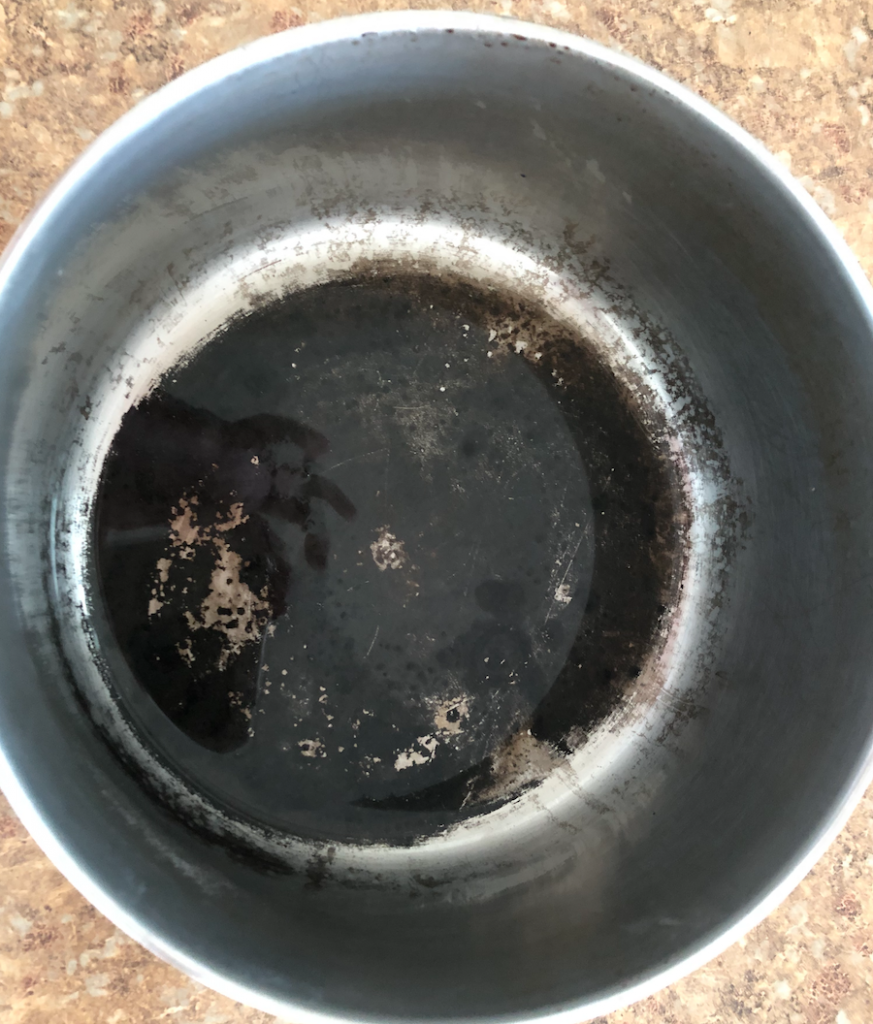
Boiling dry can cause stains and discoloration. The bottom may turn dark or have burnt spots.
It can damage the saucepan’s surface. Non-stick coatings may peel or scratch. Stainless steel can warp or lose shine.
Repeated boiling dry weakens the pan. It shortens the life of your cookware. Repair or replacement may become necessary.
Credit: www.reverewareparts.com
Immediate Steps After Boiling Dry
Cleaning a saucepan that has boiled dry needs quick and careful action. The steps taken right after the pot dries out can prevent damage and make cleaning easier. Act fast but stay safe.
Safety Precautions
Turn off the stove immediately. Remove the saucepan from heat using oven mitts. Avoid touching the hot base or sides. Keep children and pets away. Allow the pot to cool down before handling. Do not pour water into a hot pan. This can cause steam burns or warping.
Initial Cooling And Inspection
Place the saucepan on a heat-safe surface. Wait at least 15 to 20 minutes for it to cool. Check the pot for any cracks or warping. Look inside for burnt food or residue. Avoid scraping hard while the pan is hot. Cooling reduces the risk of damage and injury.
Cleaning Methods For Burnt Saucepan
Cleaning a saucepan that has boiled dry and burnt can be tough. The burnt layer sticks hard to the pot. Using the right method helps remove the burnt marks without damaging the pan. Several simple cleaning methods work well and save time. These methods use common household items and easy steps.
Below are effective ways to clean a burnt saucepan. Each method suits different levels of burnt stains. Choose one that fits your pan’s condition and try it carefully.
Soaking Techniques
Fill the burnt saucepan with hot water. Add a few drops of dish soap. Let the pan soak for at least one hour. For stronger stains, leave it overnight. The water softens the burnt food and makes it easier to clean. After soaking, use a sponge to scrub gently. Avoid using sharp tools that can scratch the pan’s surface.
Using Baking Soda And Vinegar
Sprinkle baking soda over the burnt area. Add a little white vinegar slowly. The mixture will bubble and fizz. Let it sit for 15 to 30 minutes. This reaction helps break down burnt residue. After waiting, scrub the pan with a sponge or soft brush. Rinse with warm water. Repeat if the stains are not gone yet.
Applying Dish Soap And Hot Water
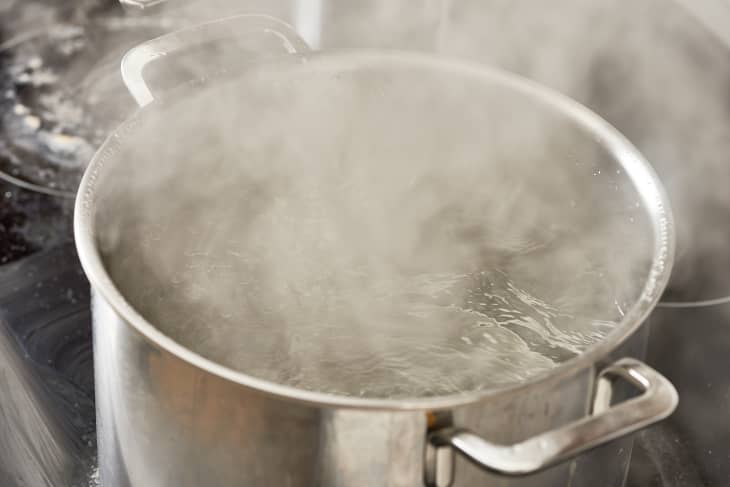
Pour hot water into the saucepan. Add a generous amount of dish soap. Heat the pan gently on the stove until it simmers. Turn off the heat and let the mixture cool. The hot soapy water loosens burnt particles. Use a sponge to wipe the pan clean. This method works best for light to medium burns.
Scrubbing Tools And Tips
Use non-abrasive scrubbers like soft sponges or nylon brushes. Avoid steel wool or metal scrubbers that can scratch the pan. For stubborn spots, use a plastic scraper carefully. Always scrub in circular motions. Rinse the pan often to check progress. Dry the saucepan completely to prevent rust or stains.
Credit: www.thekitchn.com
Alternative Natural Remedies
Natural remedies offer gentle and effective ways to clean a saucepan that has boiled dry. These methods use common kitchen ingredients that are safe and easy to find. They help remove burnt stains without harsh chemicals. Here are two simple options to try at home.
Lemon And Salt Mixture
Cut a lemon in half and sprinkle salt on the cut side. Use the lemon as a scrubber on the burnt areas. The acid in lemon helps break down burnt food. Salt works as a mild abrasive to lift stains. After scrubbing, rinse the pan with warm water. Repeat if needed for tough spots.
Cream Of Tartar Application
Mix two tablespoons of cream of tartar with water to make a paste. Spread this paste over the burnt parts of the pan. Let it sit for 30 minutes to loosen the residue. Then, scrub gently with a soft sponge. Rinse well to remove all paste and burnt bits. This method is great for stubborn stains.
When To Use Commercial Cleaners
When a saucepan boils dry, stubborn stains and burnt marks often remain. These marks can be tough to remove with just soap and water. Commercial cleaners help break down burnt food and tough stains. They save time and effort on difficult cleaning jobs.
Use commercial cleaners only when home remedies fail. These products contain strong ingredients designed for heavy-duty cleaning. They work well on burnt pans, but misuse can damage the saucepan’s surface. Always read instructions carefully before use.
Choosing The Right Product
Select a cleaner made for cookware. Avoid harsh chemicals that can scratch or corrode metal. Look for non-toxic, eco-friendly options if possible. Powdered or gel cleaners often work best on burnt pans. Check reviews and labels for safety and effectiveness.
Application Guidelines
Apply the cleaner to the cooled saucepan. Use a soft sponge or cloth to spread it evenly. Let it sit for the time stated on the label. Scrub gently to avoid scratching the surface. Rinse thoroughly with warm water to remove all residue.
Preventing Future Boil Dry Incidents
Preventing future boil dry incidents helps protect your saucepans and saves time. Simple habits can stop pans from burning or getting damaged. Small changes in your cooking routine make a big difference.
Monitoring Cooking Times
Keep an eye on how long food cooks. Set a rough time limit for each dish. Check the pan often, especially when cooking liquids. This prevents water or sauce from drying out.
Using Timer And Alerts
Use a kitchen timer or phone alarm to remind you. Set alerts for halfway and near the end of cooking. Timers help avoid forgetting about the pan on the stove. Alerts prompt you to check and stir the food.
Selecting Suitable Cookware
Choose saucepans with thick bottoms for even heat. Thin pans heat quickly and cause faster drying. Cookware with non-stick surfaces reduces food sticking and burning. The right pan keeps heat steady and food safe.
Maintaining Saucepan Longevity
Maintaining your saucepan’s longevity keeps it safe to use and looking good. Proper care helps avoid damage like stains, warping, or rust. It also saves money by reducing the need to buy new pans often. Simple habits and smart storage make a big difference for your cookware.
Regular Cleaning Habits
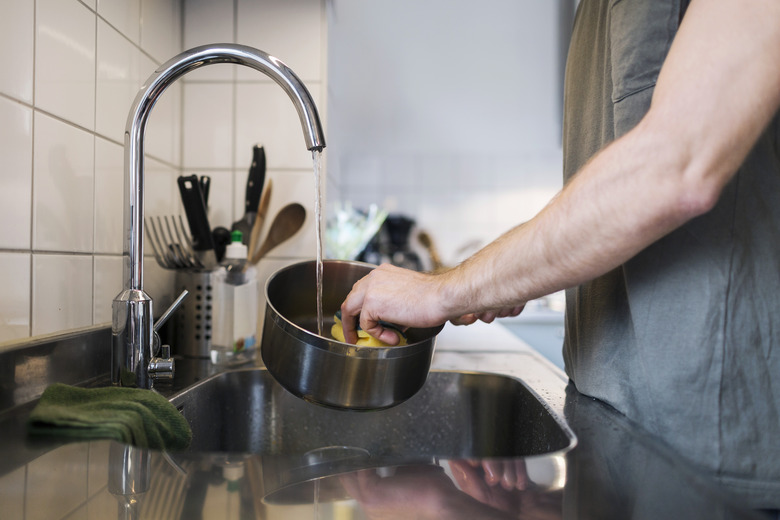
Clean your saucepan after every use. Use warm water and mild dish soap to remove food residue. Avoid harsh scrubbers that can scratch the surface. For tough stains, soak the pan before cleaning. Dry the pan completely to stop rust or water spots.
Proper Storage Practices
Store saucepans in a dry, cool place. Stack pans carefully to avoid dents or scratches. Use pan protectors or cloth between stacked items. Keep lids separate or place them upside down on the pan. Good storage prevents damage and keeps pans ready to use.
Credit: www.hunker.com
Frequently Asked Questions
How Do I Remove Burnt Residue From A Saucepan?
Fill the pan with warm water and baking soda. Let it soak for an hour. Scrub gently with a sponge to remove burnt residue without damaging the surface.
What Household Items Clean A Dried Saucepan Effectively?
Common items like baking soda, vinegar, and dish soap work well. These natural cleaners break down burnt food and stains safely and efficiently.
Can Boiling Water Help Clean A Saucepan That Boiled Dry?
Yes, boiling water softens burnt food stuck to the pan. After boiling, carefully scrub to lift residue without scratching the surface.
How Long Should I Soak A Burnt Saucepan?
Soak the saucepan for at least 30 minutes to an hour. Longer soaking loosens stubborn burnt food, making it easier to clean.
Conclusion
Cleaning a saucepan that boiled dry is simple with the right steps. Use gentle scrubbing and natural cleaners to avoid damage. Patience helps remove tough stains without harsh tools. Regular care keeps your pans looking good and lasting longer. Try these easy methods next time your saucepan burns.
Your kitchen will stay clean and your cooking smooth. No need to throw away a burned pan. Just follow these tips for a fresh, ready-to-use pot.

Hello, This is Annie Walker, a 38-year-old blogger, founder, and editor of Cookware Guider from NY, USA. I am a cookware fanatic and passionate cooker. I love to cook with different types of cooking appliances (example: all types of cookware, rice cookers, slow cookers, etc) almost every day in my kitchen. I love to share my experience with my readers in my blog. Also, I enjoy helping people to solve their problems through my website. You can follow me on Twitter & Pinterest. To know details about my blog please check the about us page.