
Your black enamel cooktop can make your kitchen look sleek and modern, but keeping it spotless isn’t always easy. Stains, grease, and burnt-on food can quickly dull its shiny surface.
If you’ve ever struggled to clean your cooktop without scratching or damaging it, you’re not alone. You’ll discover simple, effective ways to restore your black enamel cooktop to its original shine. By following these easy steps, you’ll save time and avoid costly mistakes—making your cooking space look fresh and inviting every day.
Keep reading to learn how to clean your black enamel cooktop like a pro!
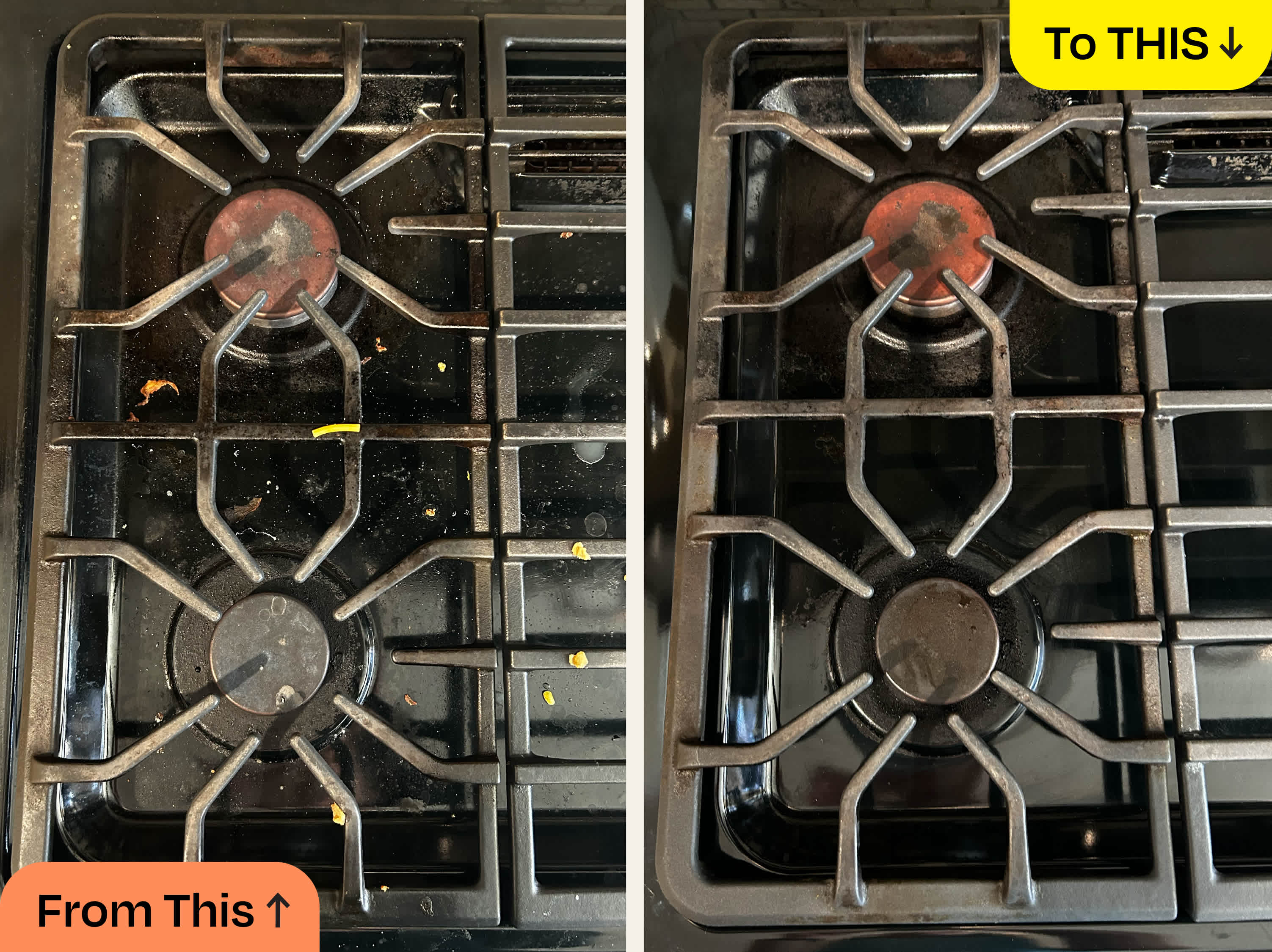
Credit: www.thekitchn.com
Prepare The Cooktop
Cleaning a black enamel cooktop starts with proper preparation. Preparing the cooktop correctly makes the cleaning process easier and protects the surface from damage. This step ensures all dirt and debris are removed safely before applying any cleaning products. Taking time to prepare the cooktop helps keep it shiny and looking new for longer.
Turn Off And Cool Down
Before cleaning, always turn off the cooktop and let it cool completely. Black enamel surfaces can become very hot during cooking. Touching or cleaning while hot can cause burns or damage the enamel finish.
Follow these safety tips:
- Switch off all burners and the main power switch.
- Wait at least 30 minutes or until the surface is cool to the touch.
- Use a thermometer or touch the edges carefully to check temperature.
Cleaning a warm cooktop can cause streaks or smears. The enamel surface may also crack if exposed to cold water immediately after use. This step helps maintain the cooktop’s durability and appearance.
| Reason to Cool Down | Effect on Cooktop |
|---|---|
| Prevent burns | Protects hands and fingers from injury |
| Avoid thermal shock | Stops enamel from cracking or warping |
| Improve cleaning results | Prevents streaks and smudges during wiping |
Remove Loose Debris
Start cleaning by removing any loose dirt, crumbs, or food particles from the cooktop surface. This step prevents scratches when wiping and helps the cleaner work better.
Use these simple tools and methods:
- Soft cloth or paper towel: Gently wipe away dust and crumbs.
- Plastic scraper or spatula: Carefully lift stuck-on bits without scratching.
- Vacuum with brush attachment: Quickly suck up loose debris from corners.
Avoid using metal scrapers or abrasive pads at this stage. They can damage the enamel coating. Focus on gentle removal only.
Check these areas for debris:
- Burner edges and seams
- Control knobs and panel
- Cooktop surface and corners
Removing loose debris makes the next cleaning steps more effective. It also helps keep your cooktop looking clean and smooth.

Credit: www.youtube.com
Choose Cleaning Supplies
Cleaning a black enamel cooktop requires the right supplies to keep its shiny surface spotless without damage. Choosing proper cleaning products and tools protects the enamel finish and helps remove stains effectively. Avoid harsh chemicals and rough materials that can scratch or dull the surface. Use gentle cleaners and soft cloths designed for delicate surfaces. This section explains how to select the best cleaning supplies for your black enamel cooktop.
Select Mild Cleaners
Use mild cleaners that clean well without harming the enamel. Strong chemicals like bleach or ammonia can cause discoloration or damage. Opt for products labeled safe for enamel or glass cooktops. Here are some ideal choices:
- Dish soap: Gentle and effective for everyday cleaning.
- Baking soda: A natural abrasive that removes stains without scratching.
- Vinegar solution: Mix equal parts water and white vinegar for grease cutting.
- Commercial enamel cleaner: Designed specifically for cooktops.
Check product labels before use. Avoid powders or creams with harsh abrasives. Test any new cleaner on a small, hidden spot first. This helps ensure it won’t harm the surface.
| Cleaner Type | Pros | Cons |
|---|---|---|
| Dish Soap | Safe, easy to find, removes grease | May need scrubbing for tough stains |
| Baking Soda | Natural, gentle abrasive, deodorizes | Needs water to make paste, rinse well |
| Vinegar Solution | Breaks down grease, disinfects | Strong smell, avoid on acid-sensitive surfaces |
| Commercial Enamel Cleaner | Formulated for cooktops, easy use | More expensive than home remedies |
Gather Soft Cloths And Sponges
Choose soft cloths and non-abrasive sponges to avoid scratching the black enamel. Rough materials can create tiny scratches that dull the surface. Microfiber cloths work well because they trap dirt and grease without damage. Soft sponges or foam scrubbers clean gently and are easy to rinse.
Here are some tips for selecting cleaning tools:
- Microfiber cloths: Use for wiping and polishing.
- Soft sponges: Perfect for scrubbing off stuck food without scratching.
- Non-scratch scrubbers: Help with tougher stains, but test first.
- Old cotton T-shirts or towels: Good for drying and buffing.
Avoid steel wool, rough brushes, or abrasive pads. These can ruin the enamel finish quickly. Always rinse and wring out cloths and sponges before use to prevent dirt from scratching the surface during cleaning.
Remove Stubborn Stains
Removing stubborn stains from a black enamel cooktop can feel tough, but simple home ingredients work well. These stains often come from burnt food or spills that sit too long. Cleaning them quickly keeps your cooktop shiny and fresh. Using natural methods prevents scratches and damage that harsh chemicals can cause. Two popular ways to tackle tough spots are using baking soda paste and a vinegar solution. Both are safe and effective for black enamel surfaces. Follow the steps carefully for the best results.
Use Baking Soda Paste
Baking soda is a mild abrasive that gently scrubs away stains without harming the cooktop’s surface. It also neutralizes odors and breaks down grease. To make a baking soda paste:
- Mix 3 tablespoons of baking soda with 1 tablespoon of water.
- Stir until it forms a thick, spreadable paste.
Apply the paste on the stained areas and let it sit for 15 to 20 minutes. This waiting time helps loosen the grime. Use a soft cloth or sponge to rub the paste in small circular motions. Avoid using steel wool or harsh scrubbers to prevent scratches.
After scrubbing, wipe the area clean with a damp cloth. For extra stubborn stains, repeat the process or let the paste sit longer before scrubbing.
| Step | Details |
|---|---|
| Mix | 3 tbsp baking soda + 1 tbsp water |
| Apply | Spread paste on stains |
| Wait | 15-20 minutes |
| Scrub | Soft cloth, circular motion |
| Rinse | Damp cloth wipe clean |
Tip: Keep the cooktop cool before cleaning to avoid burns. Baking soda paste works best on dry stains.
Apply Vinegar Solution
White vinegar cuts through grease and mineral deposits that cause stains. It also shines the black enamel finish. Prepare a vinegar cleaning spray by mixing equal parts white vinegar and water in a spray bottle.
- Spray the solution directly onto the stained cooktop surface.
- Let it sit for 10 to 15 minutes to break down grime.
- Use a soft cloth or sponge to wipe the area gently.
For extra cleaning power, spray vinegar on the surface first and then sprinkle baking soda over it. The fizzing reaction helps lift tough stains. After bubbling stops, wipe clean with a damp cloth.
Vinegar is safe for black enamel but avoid using it on natural stone countertops near the cooktop. Always dry the surface thoroughly to prevent streaks or water spots.
Quick Vinegar Solution Recipe:
1/2 cup white vinegar 1/2 cup water Mix in spray bottleThis easy method removes stains and keeps your cooktop looking new without harsh chemicals.
Clean The Surface
Cleaning the surface of a black enamel cooktop requires care and the right technique. The surface is smooth but delicate. Dirt, grease, and spills can build up quickly. Regular cleaning keeps it shiny and new. Use gentle methods to avoid damage. Proper cleaning improves the cooktop’s look and extends its life.
Wipe Gently In Circles
Start by using a soft cloth or sponge. Dampen it with warm water mixed with a few drops of mild dish soap. Wipe the cooktop in small, gentle circles. This motion helps lift dirt without scratching the surface. Avoid wiping in straight lines or harsh scrubbing motions.
Use this circular wiping method to:
- Remove light spills and stains
- Lift grease without spreading it
- Keep the surface smooth and shiny
If the cooktop has stubborn spots, apply a little more soap and let it sit for a minute before wiping. Rinse the cloth often to avoid rubbing dirt back onto the cooktop. Dry the surface with a clean, soft towel to prevent water spots.
| Step | Action |
|---|---|
| 1 | Dampen soft cloth with warm soapy water |
| 2 | Wipe surface gently in small circles |
| 3 | Rinse cloth and repeat if needed |
| 4 | Dry cooktop with a soft towel |
Avoid Abrasive Tools
Never use rough or abrasive tools on a black enamel cooktop. Scrubbers like steel wool, metal brushes, or scouring pads can scratch and dull the surface. These scratches are hard to fix and ruin the cooktop’s look.
Instead, choose cleaning tools that are gentle but effective:
- Soft microfiber cloths
- Non-abrasive sponges
- Plastic scrapers made for cooktops
Check the labels on cleaning products and tools. Many specify if they are safe for enamel surfaces. Avoid harsh chemicals like bleach or ammonia. These can damage the enamel finish and cause discoloration.
Here’s a quick guide:
| Tool or Product | Use on Black Enamel Cooktop? |
|---|---|
| Steel wool | No |
| Soft microfiber cloth | Yes |
| Harsh chemical cleaners | No |
| Plastic scraper | Yes |
Dry And Polish
Cleaning a black enamel cooktop is not complete without the final step: drying and polishing. This step removes any leftover moisture and restores the cooktop’s shiny surface. Proper drying prevents streaks and water spots, while polishing adds a protective layer. Together, these actions keep the cooktop looking new and help it resist future stains.
Use A Microfiber Cloth
A microfiber cloth is the best tool for drying a black enamel cooktop. It absorbs water well and does not scratch delicate surfaces. Regular towels or paper towels can leave lint or cause tiny scratches.
Follow these simple steps to dry your cooktop effectively:
- Choose a clean, dry microfiber cloth. Avoid using it if it is dirty or damp.
- Wipe the cooktop in gentle circular motions. This lifts moisture without pushing it around.
- Focus on edges and corners. Water tends to collect there and cause stains.
- Flip the cloth if one side gets wet. Use the dry side to finish drying.
Microfiber cloths come in different thicknesses and sizes. A soft, medium-sized cloth works best for most cooktops. The table below shows the benefits of microfiber cloths compared to other drying tools:
| Drying Tool | Absorbency | Lint Residue | Surface Safety |
|---|---|---|---|
| Microfiber Cloth | High | None | Gentle on enamel |
| Paper Towels | Medium | Some lint | May scratch |
| Regular Towels | High | Some lint | Gentle but less smooth |
Using a microfiber cloth ensures your cooktop is completely dry and ready for polishing. It also makes the next step easier and more effective.
Apply Cooktop Polish
Applying a cooktop polish enhances the black enamel’s shine and adds a protective layer. Polishing helps hide small scratches and repels dirt, making future cleaning easier. Use a polish made specifically for enamel or glass cooktops.
Follow these steps for the best results:
- Place a small amount of polish on a clean, dry microfiber cloth. A little goes a long way.
- Spread the polish evenly over the cooktop surface. Use gentle, circular motions to cover all areas.
- Let the polish sit for a few minutes. This allows it to bond with the surface.
- Buff the cooktop with a second clean microfiber cloth. This removes excess polish and brings out a high shine.
Some cooktop polishes also protect against fingerprints and heat damage. Always follow the polish manufacturer’s instructions for safety and best use. Avoid using abrasive polishes or scrubs, as they can damage the enamel.
The table below summarizes the key benefits of using cooktop polish:
| Benefit | Effect on Cooktop |
|---|---|
| Restores Shine | Makes surface look new and glossy |
| Protects Surface | Prevents scratches and stains |
| Repels Dirt | Easier to clean in the future |
| Reduces Fingerprints | Keeps cooktop looking clean longer |
Regular polishing keeps your black enamel cooktop in great condition. It complements cleaning and drying, extending the life of your appliance.
Prevent Future Damage
Keeping your black enamel cooktop looking new requires care after cleaning. Preventing future damage helps maintain its shine and function. Small habits protect the surface from stains, scratches, and dullness. Follow these simple steps to extend the life of your cooktop and keep it spotless.
Clean Spills Immediately
Spills can cause stains and damage if left on the cooktop for too long. Black enamel shows marks clearly, so quick action is key.
- Wipe spills right away using a soft cloth or sponge.
- For sticky or burnt spills, soak the area with warm, soapy water first.
- Avoid abrasive scrubbers that can scratch the enamel surface.
Use this simple routine:
- Turn off the cooktop and wait until it cools down.
- Apply a gentle cleaner or warm water on the spill.
- Wipe clean with a soft cloth, moving in circles.
- Dry the area with a microfiber towel to prevent streaks.
Cleaning spills immediately reduces the chance of buildup. It also helps avoid stubborn stains that require harsh chemicals or scrubbing.
| Type of Spill | Cleaning Method | What to Avoid |
|---|---|---|
| Water or Juice | Wipe with damp cloth, dry after | Letting it sit for hours |
| Grease or Oil | Use mild dish soap and warm water | Abrasive scrubbers |
| Burnt Food | Soak with warm water, gently scrape with plastic spatula | Metal scrapers or harsh chemicals |
Regular Maintenance Tips
Consistent care keeps your black enamel cooktop in great shape. Follow these regular maintenance tips to prevent damage and preserve its shine.
- Use non-abrasive cleaners designed for enamel surfaces.
- Clean the cooktop weekly, even if it looks clean, to remove dust and grease.
- Check and clean burner grates and drip pans to avoid buildup underneath.
- Avoid dropping heavy objects on the cooktop to prevent cracks or chips.
- Use soft cloths or microfiber towels for all cleaning tasks.
Here is a simple maintenance schedule:
| Task | Frequency | Tools Needed |
|---|---|---|
| Wipe surface with mild cleaner | Weekly | Soft cloth, mild soap |
| Clean burner grates and drip pans | Monthly | Warm water, dish soap, sponge |
| Inspect for scratches or chips | Monthly | Good lighting, magnifying glass (optional) |
Following these simple steps keeps your cooktop safe and looking new. Regular care prevents costly repairs and keeps cooking enjoyable.

Credit: www.reddit.com
Frequently Asked Questions
How Do I Clean A Black Enamel Cooktop Safely?
Use a soft cloth with warm, soapy water to clean. Avoid abrasive pads that can scratch the surface. Rinse and dry with a microfiber cloth for a streak-free finish.
What Household Items Remove Stains On Black Enamel Cooktops?
Baking soda and white vinegar work well on stains. Sprinkle baking soda, spray vinegar, let it sit, then wipe gently. This method removes grime without damaging the enamel surface.
Can I Use Commercial Cleaners On Black Enamel Cooktops?
Yes, but choose cleaners labeled safe for enamel. Avoid harsh chemicals like bleach or ammonia. Always test a small area first to prevent damage.
How Often Should I Clean My Black Enamel Cooktop?
Clean after every use to prevent buildup and stains. Regular maintenance keeps the cooktop shiny and extends its lifespan. Wipe spills immediately for best results.
Conclusion
Cleaning your black enamel cooktop is simple with the right steps. Use gentle cleaners to protect the surface. Wipe spills quickly to avoid stains. Regular care keeps it shiny and new. Avoid harsh scrubbing that can cause damage. A clean cooktop helps your kitchen look fresh.
Enjoy cooking on a spotless surface every day. Keep these tips handy for easy cleaning. Your cooktop will stay beautiful longer. Easy and quick cleaning saves time and effort.

Hello, This is Annie Walker, a 38-year-old blogger, founder, and editor of Cookware Guider from NY, USA. I am a cookware fanatic and passionate cooker. I love to cook with different types of cooking appliances (example: all types of cookware, rice cookers, slow cookers, etc) almost every day in my kitchen. I love to share my experience with my readers in my blog. Also, I enjoy helping people to solve their problems through my website. You can follow me on Twitter & Pinterest. To know details about my blog please check the about us page.