
Have you ever faced the frustration of a burnt saucepan ruining your cooking plans? It’s a common kitchen mishap that can leave stubborn stains and burnt residue, making you wonder if your pan is ruined for good.
But don’t worry—cleaning a burnt saucepan doesn’t have to be a tough or time-consuming job. You’ll discover simple, effective methods to restore your saucepan to its shiny, clean state. Keep reading, and you’ll never have to toss out a burnt pan again!
Assessing The Damage
Cleaning a burnt saucepan starts with assessing the damage. This step helps decide the best cleaning method. Different burns need different care. Some burns are light and easy to clean. Others are deep and tough to remove. Knowing the damage saves time and effort.
Checking The Burn Level
Look at the saucepan’s bottom and sides. Burns can be:
- Light: Thin, dark marks or stains.
- Medium: Thick, crusty layers of burnt food.
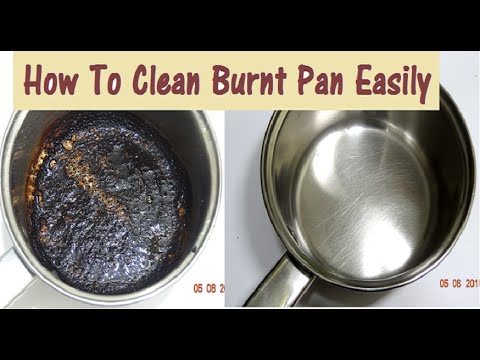
- Heavy: Black, charred patches that are hard and stuck.
Light burns need gentle cleaning. Heavy burns require strong methods.
Examining The Pan Material
Know your pan’s material. Different materials react differently:
| Material | Cleaning Caution | Common Issues |
|---|---|---|
| Stainless Steel | Can handle scrubbing and baking soda | Stains, discoloration |
| Non-stick | Avoid abrasive scrubbing to protect coating | Coating damage, peeling |
| Cast Iron | Use gentle scrubbing, avoid soap | Rust, seasoning loss |
Looking For Warping Or Damage
Check if the pan’s shape is still good. Warping means the pan is bent or uneven.
- Place the pan on a flat surface.
- See if it rocks or tilts.
- Warping affects cooking and cleaning.
Severe warping might mean replacing the pan is better than cleaning.
Credit: www.youtube.com
Gathering Cleaning Supplies
Cleaning a burnt saucepan starts with gathering the right supplies. Having everything ready makes the process easier and faster. The right tools and cleaners help remove burnt food without damaging the pan.
Essential Cleaning Tools
Start with basic tools that help scrub and clean effectively. These include:
- Sponge or scrubber: Use a non-abrasive sponge to avoid scratching.
- Scrubbing brush: Good for tough burnt spots.
- Plastic scraper: Helps remove stuck food gently.
- Rubber gloves: Protect your hands from harsh cleaners.
- Soft cloth: For wiping and drying the pan after cleaning.
Common Household Cleaners
Several safe and easy-to-find products work well on burnt saucepans:
| Cleaner | Purpose | Notes |
|---|---|---|
| Baking Soda | Deodorizes and gently scrubs burnt residue | Mix with water to form a paste |
| White Vinegar | Breaks down burnt food with acidity | Use diluted with water |
| Dish Soap | Removes grease and food particles | Works well with warm water |
| Lemon Juice | Natural acid that helps lift stains | Use fresh or bottled juice |
Optional Cleaning Aids
Some extra items can speed up the cleaning:
- Boiling water: Softens burnt layers before scrubbing.
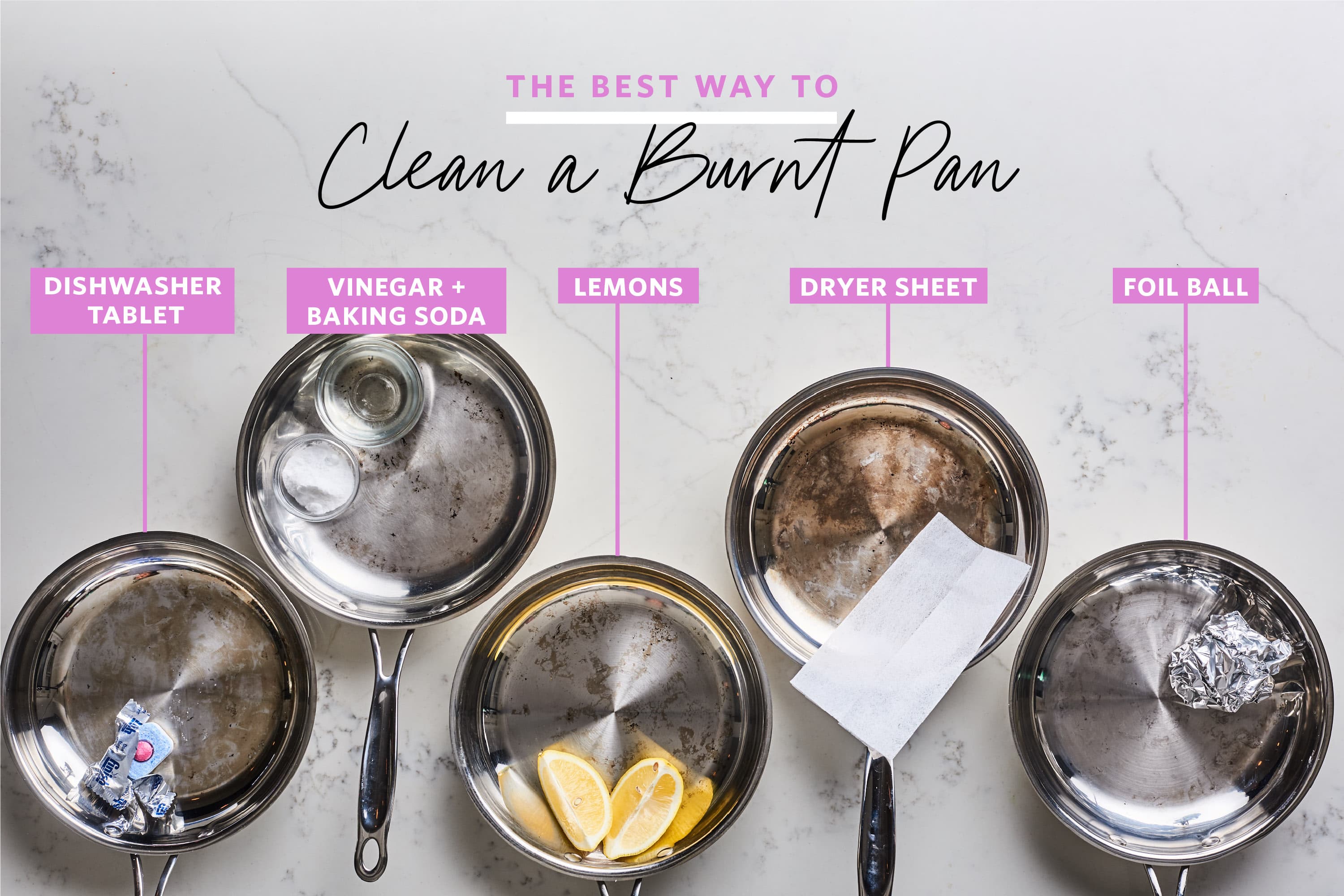
- Aluminum foil ball: Acts as a gentle scrubber for stainless steel pans.
- Microwave-safe bowl: For heating vinegar or lemon water inside the pan.
Soaking Techniques
Soaking a burnt saucepan softens the tough, charred food stuck to its surface. This step makes cleaning easier and protects the pan from scratches that scrubbing alone can cause. Soaking loosens burnt layers, allowing you to remove them with less effort. Different soaking methods target burnt stains in gentle yet effective ways. Below are two simple soaking techniques using common household items.
Using Hot Water And Soap
Start by filling the burnt saucepan with hot water. The heat helps break down the burnt residue. Add a few drops of dish soap to the water, which cuts through grease and food particles.
- Fill the saucepan with hot water until the burnt area is covered.
- Add 1-2 teaspoons of dish soap.
- Let the saucepan soak for at least 1 hour. For tough stains, soak overnight.
- Use a non-abrasive sponge to scrub gently after soaking.
This method works well for light to moderate burnt stains. The soap’s surfactants lift grease, while hot water softens burnt food. Repeat soaking if needed. Avoid boiling water directly in non-stick pans to protect the coating.
| Step | Details |
|---|---|
| Fill Pan | Use hot tap water covering burnt parts |
| Add Soap | Use mild dish soap, 1-2 teaspoons |
| Soak Time | 1 hour minimum, overnight for tough stains |
| Scrub | Non-abrasive sponge or cloth |
Applying Vinegar Or Baking Soda
Vinegar and baking soda create a natural, effective cleaning solution. Vinegar’s acidity dissolves burnt food, while baking soda acts as a gentle abrasive and deodorizer. Use one or both for soaking.
Vinegar Soak:
- Pour enough white vinegar into the saucepan to cover the burnt areas.
- Heat the pan on low until the vinegar starts to simmer. Turn off heat.
- Let it soak for 30 minutes to 1 hour.
- Pour out vinegar and scrub with a sponge.
Baking Soda Soak:
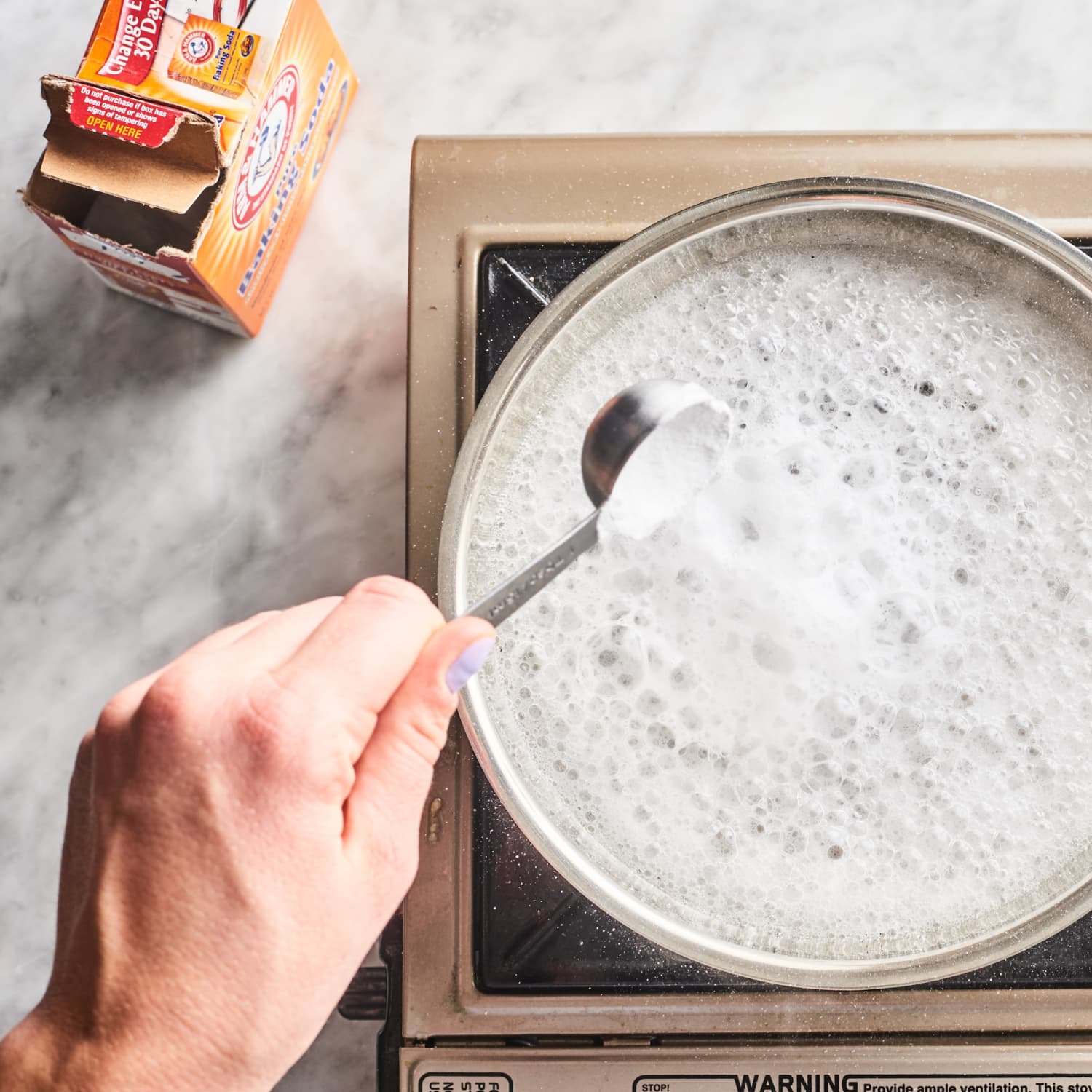
- Sprinkle a generous layer of baking soda on the burnt surface.
- Add warm water to cover the baking soda.
- Let it soak for 1-2 hours or overnight.
- Use a sponge or soft brush to scrub gently.
For extra cleaning power, combine both:
- Sprinkle baking soda on the burnt pan.
- Pour vinegar slowly over baking soda—it will fizz.
- Wait 10-15 minutes, then scrub and rinse.
This method removes stubborn burnt marks without harsh chemicals. It’s safe for most pans but avoid vinegar on aluminum as it can damage the surface.
Scrubbing Methods
Cleaning a burnt saucepan requires the right scrubbing methods to avoid damage and restore its shine. Choosing the correct tools makes scrubbing effective and safe for your cookware. Soft scrubbing tools gently remove burnt residue, while abrasive tools target tough stains. Understanding these options helps keep your saucepan clean and ready for the next use.
Soft Scrubbing Tools
Soft scrubbing tools work well on light burnt marks and delicate saucepan surfaces. These tools avoid scratching the pan’s coating or metal. They are ideal for non-stick, ceramic, or aluminum pans.
- Sponge with Soft Side: Use the non-abrasive side of a kitchen sponge. It lifts burnt food without scratching.
- Microfiber Cloth: A damp microfiber cloth can gently rub off loose residue after soaking the pan.
- Plastic Scrapers: These help scrape burnt bits without harming the pan’s surface.
- Soft Bristle Brush: A brush with soft nylon bristles can reach crevices and remove stuck particles.
Here is a simple routine for soft scrubbing:
- Soak the saucepan in warm, soapy water for 20-30 minutes.
- Use a soft sponge or cloth to rub the burnt areas gently.
- Apply mild dish soap to break down grease.
- Rinse with warm water and repeat if needed.
| Tool | Best For | Surface Safety |
|---|---|---|
| Soft Sponge | Light burnt spots | Safe on non-stick and metal |
| Microfiber Cloth | Loose residue | Very gentle |
| Plastic Scraper | Stuck food bits | Non-scratch |
| Soft Bristle Brush | Crevices and edges | Safe on most surfaces |
Abrasive Scrubbing Tools
Abrasive scrubbing tools remove stubborn burnt stains and tough grease. These tools require careful use to avoid damage. They work best on stainless steel or cast iron saucepans. Avoid abrasive tools on non-stick or ceramic pans to prevent scratches.
- Steel Wool: Effective for heavy burnt spots but can scratch delicate surfaces.
- Abrasive Scrub Pads: Pads with rough surfaces cut through burnt layers quickly.
- Scouring Pads: Good for scrubbing tough stains but should be used with caution.
- Baking Soda Paste with Scrubber: Baking soda adds mild abrasiveness when combined with a scrub pad.
Follow these tips for abrasive scrubbing:
- Test a small area first to check for scratches.
- Use gentle pressure to avoid damaging the pan.
- Combine with baking soda or vinegar for better results.
- Rinse thoroughly after scrubbing to remove residue.
| Tool | Best For | Surface Safety |
|---|---|---|
| Steel Wool | Heavy burnt stains | Safe on stainless steel |
| Abrasive Scrub Pads | Tough burnt layers | Use on metal only |
| Scouring Pads | Grease and burnt spots | Avoid on non-stick |
| Baking Soda Paste + Scrubber | Moderate burnt residue | Safe with gentle scrubbing |
Natural Cleaning Solutions
Cleaning a burnt saucepan can seem tough, but natural cleaning solutions make it easy and safe. These methods use simple ingredients found at home to remove tough stains without harsh chemicals. Natural cleaning keeps your cookware safe and your kitchen fresh. Let’s explore two effective ways to clean burnt saucepans using lemon with salt and baking soda paste.
Lemon And Salt
Lemon and salt form a powerful duo to clean burnt saucepans. The acid in lemon breaks down burnt food, while salt acts as a gentle scrubber. This method is eco-friendly and works well on stainless steel and aluminum pans.
- Cut a lemon in half. Use one half for cleaning.
- Sprinkle salt generously over the burnt area.
- Rub the lemon
- Let it sit
- Scrub again
- Rinse thoroughly
The natural acid in lemon juice helps dissolve burnt bits, while salt scrapes without scratching. This combo is safe for most saucepans and deodorizes at the same time.
| Step | Action | Why It Works |
|---|---|---|
| 1 | Cut lemon, sprinkle salt | Prepares natural abrasive and acid |
| 2 | Rub lemon on salt | Loosens burnt residue gently |
| 3 | Wait 10-15 minutes | Allows acid to break down stains |
| 4 | Scrub and rinse | Removes burnt bits and cleans pan |
Baking Soda Paste
Baking soda is a natural cleaner that absorbs odors and lifts dirt. Making a paste with water creates a mild abrasive that cleans burnt saucepans effectively. This method works for tough stains on various materials.
- Mix 3 parts baking soda with 1 part water to make a thick paste.
- Spread the paste
- Let it sit
- Use a sponge or cloth
- Rinse well
- Repeat if needed
Baking soda’s gentle scrubbing action removes burnt food without damaging your pan. It also neutralizes odors and brightens the metal surface. Use this method regularly to keep saucepans clean and shiny.
| Ingredient | Amount | Purpose |
|---|---|---|
| Baking soda | 3 parts | Provides mild abrasive and odor neutralizer |
| Water | 1 part | Creates paste for easy application |
Credit: www.thekitchn.com
Using Chemical Cleaners Safely
Cleaning a burnt saucepan can be tough. Chemical cleaners help remove stubborn stains quickly. Using these cleaners safely is very important. Chemicals can be strong and cause harm if not handled right. Follow simple safety steps to protect yourself and your saucepan. This guide shows how to use chemical cleaners safely for burnt saucepans.
Safety Gear To Use
Always wear protective gear before using chemical cleaners. This includes:
- Rubber gloves to protect your skin
- Safety glasses to shield your eyes
- A mask if the cleaner has strong fumes
This gear stops burns, irritation, and breathing problems. Never touch chemicals with bare hands.
Proper Ventilation
Use chemical cleaners in a well-ventilated area. Open windows and doors to let fresh air in.
Turn on fans if you have them. Good airflow reduces harmful fumes. Avoid breathing in strong chemical smells.
Read Instructions Carefully
Every chemical cleaner has instructions on the label. Read and follow these instructions exactly.
Check how much cleaner to use and how long to leave it on the saucepan. Do not mix different chemicals. Mixing can cause dangerous reactions.
Safe Application Tips
- Apply cleaner with a sponge or cloth, not your hands.
- Use only the amount needed to cover burnt areas.
- Let the cleaner sit for the recommended time.
- Rinse the saucepan thoroughly with water after cleaning.
Never leave chemical cleaner on the saucepan too long. It can damage the metal.
Storage And Disposal
Store chemical cleaners in a cool, dry place away from children and pets.
Dispose of empty containers properly. Follow local rules for hazardous waste.
| Do | Don’t |
|---|---|
| Wear gloves and glasses | Touch chemicals with bare hands |
| Work in fresh air | Use cleaners in closed rooms |
| Follow product instructions | Mix different chemical cleaners |
| Rinse saucepan well after use | Leave cleaner on too long |
Preventing Future Burnt Residue
Burnt residue in saucepans is frustrating and tough to clean. Taking steps to prevent future burns saves time and keeps your cookware in good shape. Simple habits during cooking and regular care help avoid tough stains and burnt food. Focus on smart cooking and maintenance to keep your pans looking new longer.
Proper Cooking Techniques
Using the right cooking methods lowers the chance of burnt residue. Start by controlling heat carefully. High heat causes food to burn quickly and stick to the pan.
- Use medium or low heat: This cooks food evenly and stops burning.
- Preheat properly: Warm the pan before adding oil or food. This helps food cook faster and prevents sticking.
- Add enough oil or butter: A thin layer creates a barrier between food and pan surface.
- Stir food regularly: Keeps food moving and stops it from sticking and burning.
- Cook in batches: Avoid crowding the pan. Crowding lowers temperature and causes uneven cooking.
Here is a simple table summarizing the best cooking practices:
| Technique | Why It Helps |
|---|---|
| Medium or low heat | Prevents food from burning and sticking |
| Proper preheating | Ensures even cooking and less sticking |
| Use oil/butter | Creates a protective layer on the pan |
| Regular stirring | Stops food from sticking and burning |
| Cook in batches | Avoids crowding and uneven heat |
Following these tips reduces burnt spots and keeps your saucepan safe. Cooking with care makes cleaning easier later.
Regular Maintenance Tips
Cleaning and caring for your saucepan after each use keeps it in top condition. Removing food bits and grease prevents buildup that causes burning.
- Clean immediately: Wash your pan soon after cooking to stop residue from hardening.
- Use gentle cleaning tools: Soft sponges or cloths avoid scratching the pan surface.
- Apply mild detergents: Harsh chemicals damage the pan’s coating and cause food to stick.
- Dry thoroughly: Prevent rust and water stains by drying the pan completely.
- Store properly: Keep saucepans in a dry place with space between them to avoid damage.
Use this maintenance checklist regularly:
| Step | Action | Benefit |
|---|---|---|
| 1 | Clean immediately after use | Stops residue from sticking and hardening |
| 2 | Use soft sponge and mild detergent | Protects pan surface and coating |
| 3 | Dry completely | Prevents rust and stains |
| 4 | Store in a dry place | Keeps pan safe and clean |
Regular upkeep keeps your saucepan free from burnt residue. It also extends the life of your cookware.
Credit: www.thekitchn.com
Frequently Asked Questions
How Can I Remove Burnt Stains From A Saucepan?
To remove burnt stains, soak the pan in warm soapy water for 30 minutes. Use a scrubber or baking soda paste to gently scrub the stains. Rinse well and repeat if necessary. This method is safe and effective for most saucepan materials.
What Household Items Clean Burnt Saucepans Effectively?
Common household items like baking soda, vinegar, lemon, and salt work well. Baking soda and vinegar create a fizzing reaction that loosens burnt residue. Lemon’s acidity helps break down stains. These natural cleaners are affordable, eco-friendly, and safe for most cookware.
Can I Use Vinegar To Clean A Burnt Saucepan?
Yes, vinegar is excellent for cleaning burnt saucepans. Mix equal parts water and vinegar, bring to a boil in the pan, then let it cool. This process loosens burnt food, making it easier to scrub off. Always rinse thoroughly after cleaning.
How Do I Prevent Saucepans From Burning Food?
Prevent burning by cooking on low to medium heat and stirring frequently. Use a heavy-bottomed pan for even heat distribution. Avoid overheating oil or food. Proper temperature control and attentive cooking reduce burnt residues and prolong pan life.
Conclusion
Cleaning a burnt saucepan is easier than it seems. Use simple ingredients like baking soda and vinegar. Let them sit to loosen the burnt parts. Scrub gently with a soft sponge. Avoid harsh tools that can damage your pan. Regular cleaning keeps your cookware in good shape.
Save time and money by caring for pans properly. Now, your saucepan looks clean and ready to use again. Try these steps next time you face burnt residue. A clean pan makes cooking more enjoyable.

Hello, This is Annie Walker, a 38-year-old blogger, founder, and editor of Cookware Guider from NY, USA. I am a cookware fanatic and passionate cooker. I love to cook with different types of cooking appliances (example: all types of cookware, rice cookers, slow cookers, etc) almost every day in my kitchen. I love to share my experience with my readers in my blog. Also, I enjoy helping people to solve their problems through my website. You can follow me on Twitter & Pinterest. To know details about my blog please check the about us page.