
Have you ever looked at your favorite stainless steel saucepan and felt frustrated by those stubborn burnt marks? You’re not alone.
Burnt stains can make your cookware look worn out and hard to clean. But don’t worry—cleaning burnt stainless steel saucepans doesn’t have to be a nightmare. You’ll discover simple, effective methods to bring back that shiny, spotless finish without wasting time or harsh scrubbing.
Keep reading, and you’ll learn how to save your pan and enjoy cooking with it again.
Assess Burnt Damage
Cleaning a burnt stainless steel saucepan starts with a clear understanding of the damage. Assessing the burnt damage helps decide the right cleaning method and prevents further harm. This step saves time and effort by targeting the problem areas correctly. Take a close look at your saucepan before applying any cleaning agents or scrubbing.
Identify Burnt Areas
First, examine the saucepan carefully to spot the burnt spots. These spots usually look black, brown, or darkened compared to the rest of the pan. The burnt areas may have different textures, such as rough patches or sticky layers. Check both the inside and outside of the pan, especially the base where food often sticks and burns.
Look for these signs:
- Discoloration: Dark or black marks on the surface
- Stubborn residue: Food stuck tightly and hard to remove
- Texture changes: Rough or uneven surfaces where the burn happened
- Odor: A burnt smell that lingers around the pan
Use a soft cloth or your fingers to feel the burnt spots. This helps understand how deep the burnt layer is. Light stains need gentle cleaning, while thick, hard burns require stronger methods.
| Burnt Damage Type | Appearance | Cleaning Difficulty |
|---|---|---|
| Light Stains | Faint discoloration, slightly dull | Easy |
| Medium Burns | Dark patches, some sticky residue | Moderate |
| Heavy Burns | Thick black crust, rough texture | Hard |
Check Pan Material
Not all stainless steel pans are the same. Different materials react differently to cleaning methods. Knowing the pan’s material helps avoid damage during cleaning. Stainless steel pans may have layers or coatings that need special care.
Here are common types of pans and cleaning notes:
- Pure stainless steel: Durable and can handle stronger cleaners and scrubbing
- Tri-ply or multi-layer: Outer layers can be stainless steel, but inner layers may be aluminum or copper
- Non-stick coated stainless steel: Use mild cleaners and avoid abrasive tools to protect coating
Use this table to match your pan type with proper care tips:
| Pan Type | Material | Cleaning Advice |
|---|---|---|
| Standard Stainless Steel | Stainless steel only | Safe for scrubbing pads and baking soda |
| Tri-ply or Multi-layer | Stainless steel + aluminum/copper core | Avoid harsh scrubbing to protect inner layers |
| Non-stick Coated | Stainless steel base with coating | Use gentle cleaners and soft sponges |
Check the bottom of the pan or packaging for material info. This step prevents cleaning mistakes that can ruin your saucepan.
Credit: www.padhuskitchen.com
Gather Cleaning Supplies
Cleaning a burnt stainless steel saucepan starts with gathering the right supplies. The right tools make the job easier and help restore your pan’s shine without damage. Choose supplies based on how badly the pan is burnt and what you have at home. Some items are simple and cost nothing extra, while others are made specifically for tough stains. Prepare everything before you begin to save time and avoid frustration.
Common Household Items
Many effective cleaning tools are already in your kitchen or pantry. These items are safe, affordable, and easy to use. They work well for light to moderate burnt stains on stainless steel pans.
- Baking Soda: A natural cleaner that gently scrubs without scratching the surface.
- White Vinegar: Breaks down burnt food and mineral deposits with its acidity.
- Lemon Juice: Acts as a mild acid to help lift stains and adds a fresh scent.
- Dish Soap: Removes grease and food residue when combined with warm water.
- Soft Scrubbing Pads or Sponges: Avoid steel wool to protect the pan’s finish.
Here’s a quick table to show how these items work:
| Item | Purpose | Usage Tip |
|---|---|---|
| Baking Soda | Scrubbing and deodorizing | Make a paste with water for easy application |
| White Vinegar | Stain removal and mineral deposit breakdown | Use diluted or full strength for tough stains |
| Lemon Juice | Natural bleaching and fresh scent | Apply directly or mix with baking soda |
| Dish Soap | Grease removal | Use warm water and let it soak |
| Soft Sponge | Gentle scrubbing | Avoid abrasive materials |
Specialized Cleaners
For stubborn burnt spots, specialized stainless steel cleaners help restore shine quickly. These products are designed to protect the metal while cleaning deeply. They often contain mild abrasives and chemicals that break down burnt residue without scratching.
- Stainless Steel Cleaner Paste: Thick and easy to apply on burnt areas for deep cleaning.
- Bar Keepers Friend: Popular powder cleaner effective on tough stains and discoloration.
- Non-Abrasive Liquid Cleaners: Safe for daily use and maintain the pan’s finish.
- Oven Cleaner (Use with Caution): Strong chemical cleaner for extreme cases, but may require thorough rinsing.
Tips for using specialized cleaners:
- Read the product instructions carefully before use.
- Test the cleaner on a small, hidden area first.
- Use gloves to protect your skin.
- Rinse the pan thoroughly after cleaning to remove all residues.
- Dry the pan completely to prevent water spots.
Specialized cleaners can save time and effort. They work best after trying common household items without success. Keep them handy if burnt pans are a frequent problem.
Pre-soak The Pan
Pre-soaking the pan is a simple and effective first step to clean a burnt stainless steel saucepan. Soaking softens the burnt food and loosens stubborn stains, making them easier to remove. This process reduces scrubbing time and helps protect the pan’s surface from scratches. Starting with a good pre-soak can save effort and improve cleaning results significantly.
Using Warm Water And Soap
Fill the saucepan with warm water and add a few drops of dish soap. The warm water helps break down grease and food residues. Soap lifts the burnt particles from the surface, making it easier to clean.
Follow these steps:
- Pour enough warm water to cover the burnt area completely.
- Add 1-2 teaspoons of dish soap.
- Let the pan soak for at least 30 minutes. For tough stains, soak for 1-2 hours or overnight.
- Use a soft sponge to gently scrub the burnt spots after soaking.
- Rinse the pan with clean water and dry it with a soft cloth.
Benefits of using warm water and soap:
| Advantage | Explanation |
|---|---|
| Easy to do | Most kitchens have soap and warm water ready. |
| Safe for pan | Does not damage stainless steel surface. |
| Effective on light burns | Softens and lifts mild burnt food residues. |
This method works best for pans with light to moderate burnt marks. For heavier burns, a stronger solution might be needed.
Adding Baking Soda Or Vinegar
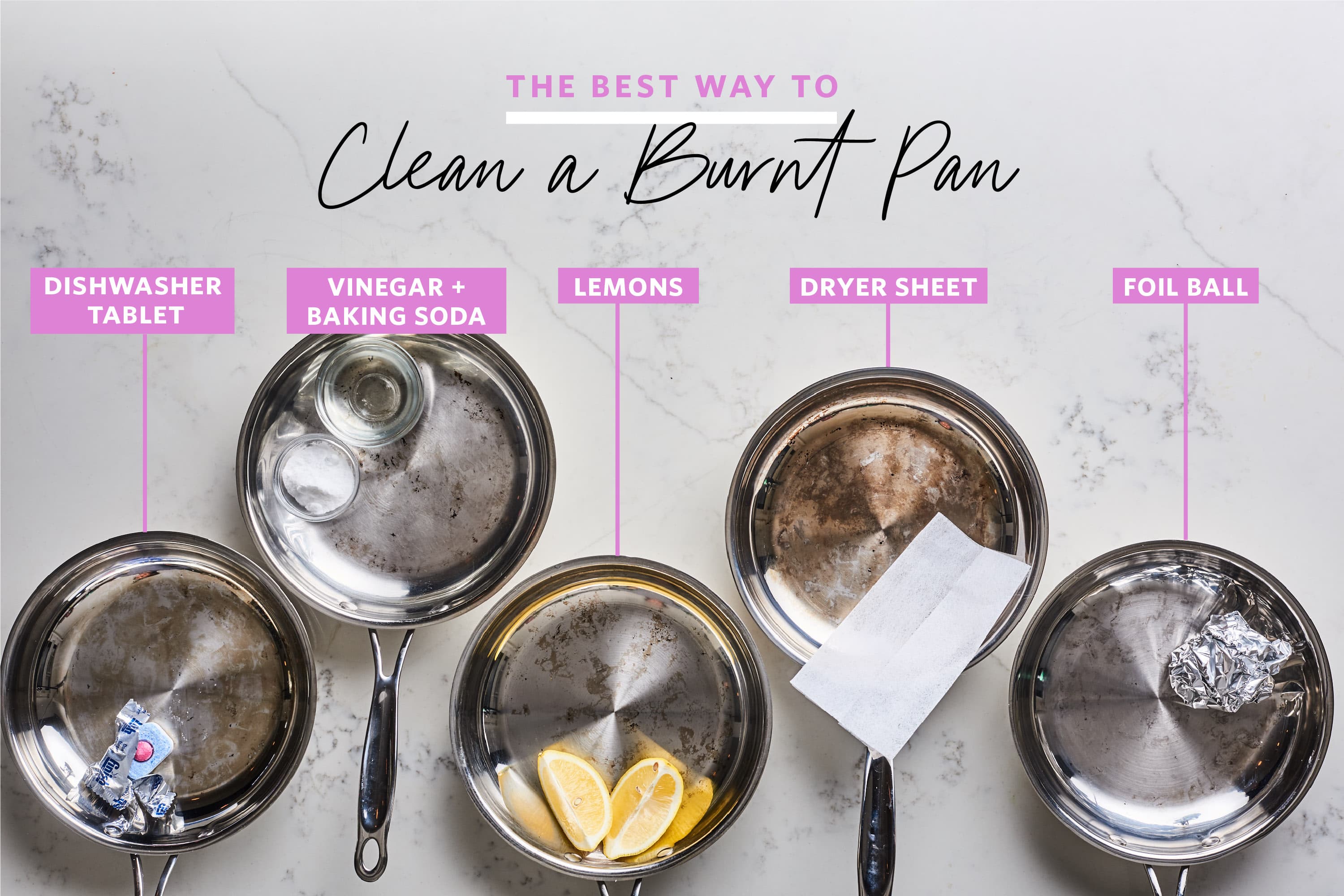
Baking soda and vinegar are natural cleaners that help remove tough burnt stains. They react with burnt food and loosen it from the pan’s surface.
Here is how to use them:
- Fill the pan with enough warm water to cover the burnt area.
- Add 2-3 tablespoons of baking soda or 1 cup of white vinegar.
- Let the mixture sit for 30 minutes to 1 hour.
- For baking soda, gently scrub with a soft sponge after soaking.
- If using vinegar, boil the mixture in the pan for 5 minutes, then let it cool and scrub.
- Rinse thoroughly and dry the pan.
Why baking soda and vinegar work well:
- Baking soda is mildly abrasive and helps scrub away burnt bits without scratching.
- Vinegar breaks down mineral deposits and burnt food with its acidity.
- Both are safe and eco-friendly options.
Use these ingredients carefully, especially vinegar, to avoid damage to the pan’s finish. Pre-soaking with these solutions softens the burnt food, reducing the need for hard scrubbing.
Credit: www.schieffer.com.br
Scrubbing Techniques
Cleaning a burnt stainless steel saucepan needs the right scrubbing techniques. Proper scrubbing removes burnt food without damaging the pan’s surface. Gentle yet effective scrubbing helps restore shine and extends the pan’s life. Using the right tools and methods makes the job easier and safer for your saucepan.
Using Non-abrasive Tools
Non-abrasive tools clean burnt stains without scratching stainless steel pans. Soft sponges, microfiber cloths, and nylon scrubbers work well. These tools remove food residue while protecting the pan’s finish.
- Soft sponges are perfect for light burnt spots and general cleaning.
- Nylon scrubbers handle tougher stains without scratching.
- Microfiber cloths polish the pan after cleaning for a shiny finish.
Avoid steel wool or harsh scrub pads. These can leave scratches and ruin the surface. Instead, use gentle scrubbing pads combined with warm water and mild dish soap. For stubborn burnt areas, soak the pan in warm soapy water for 15-30 minutes to soften residue before scrubbing.
| Tool | Best For | Notes |
|---|---|---|
| Soft Sponge | Light burnt stains | Use with soapy water |
| Nylon Scrubber | Medium to tough stains | Non-scratch, durable |
| Microfiber Cloth | Polishing and finishing | Use dry or slightly damp |
Avoiding Scratches
Scratches damage stainless steel pans and make cleaning harder later. Use these tips to keep your pan smooth:
- Choose gentle scrubbers: Avoid metal pads or rough brushes.
- Use proper pressure: Scrub lightly. Pressing hard can cause scratches.
- Soak burnt food: Soften stubborn spots before scrubbing.
- Clean regularly: Remove food residue soon after cooking.
Check the pan’s surface often during cleaning. Stop scrubbing if you see scratches forming. Instead, switch to a softer tool or use a soaking method.
Keep these points in mind to protect your saucepan’s finish and keep it looking new:
| Scratch Prevention Tips |
|---|
| Use non-abrasive cleaning tools only |
| Apply gentle scrubbing pressure |
| Soak burnt food before scrubbing |
| Clean pan regularly to avoid buildup |
Deep Cleaning Methods
Burnt stains on a stainless steel saucepan can be tough to remove with simple washing. Deep cleaning methods target stubborn burnt layers and restore shine. These methods use natural or commercial products that break down burnt food and discoloration effectively. Patience and the right technique bring back the pan’s original look without harsh scrubbing.
Boiling With Baking Soda
Boiling baking soda is a simple and natural way to clean burnt stainless steel saucepans. Baking soda softens burnt food and lifts stains without scratching the surface. The heat helps activate its cleaning power.
Steps to follow:
- Fill the saucepan with enough water to cover the burnt area.
- Add 2-3 tablespoons of baking soda to the water.
- Bring the mixture to a boil on medium heat.
- Let it boil for 10-15 minutes. The burnt residue will start loosening.
- Turn off the heat and allow the water to cool.
- Use a soft sponge to scrub gently. Most burnt spots should come off easily.
- Rinse with clean water and dry with a cloth.
Tips:
- For tough stains, repeat the process or soak overnight.
- Avoid steel wool as it can scratch the pan’s surface.
- Baking soda is safe and eco-friendly.
| Step | Action | Purpose |
|---|---|---|
| 1 | Fill pan with water and baking soda | Prepare cleaning solution |
| 2 | Boil for 10-15 minutes | Loosen burnt residue |
| 3 | Cool and scrub gently | Remove softened stains |
| 4 | Rinse and dry | Restore cleanliness |
Using Cream Of Tartar
Cream of tartar is a mild acid that can help remove burnt stains on stainless steel saucepans. It breaks down burnt particles and lightens discoloration. This method requires a paste made from cream of tartar and water.
Follow these steps:
- Mix 2 tablespoons of cream of tartar with a small amount of water to form a thick paste.
- Spread the paste evenly over the burnt areas.
- Let it sit for 30 minutes to 1 hour.
- Use a soft cloth or sponge to rub the paste gently.
- Rinse the pan thoroughly with warm water.
- Dry the pan with a clean towel.
Benefits:
- Cream of tartar is gentle and safe for cookware.
- It removes stains without harsh chemicals.
- Effective for light to moderate burnt spots.
If stains remain, repeat the application or combine with baking soda for stronger effect.
Applying Commercial Cleaners
Commercial cleaners designed for stainless steel can quickly remove burnt food and stains. These products contain ingredients that dissolve tough burnt layers while protecting the pan’s surface.
How to use commercial cleaners:
- Choose a cleaner labeled safe for stainless steel cookware.
- Follow the instructions on the product label carefully.
- Apply the cleaner to the burnt area using a sponge or cloth.
- Allow it to sit for the recommended time (usually 5-10 minutes).
- Gently scrub the pan with a non-abrasive pad.
- Rinse the pan well to remove all residues.
- Dry the pan completely to avoid water spots.
Precautions:
- Wear gloves to protect your skin.
- Work in a well-ventilated area to avoid fumes.
- Do not use cleaners containing bleach or harsh acids.
Commercial cleaners save time but use natural methods first to avoid chemicals.
Removing Stubborn Stains
Burnt stainless steel saucepans often have stubborn stains that refuse to come off with simple washing. These marks come from food residue and burnt layers that stick tightly to the pan’s surface. Removing stubborn stains requires patience and the right techniques. Using gentle scrubbing and safe household items can help restore your pan’s shine without damaging it.
Repeat Treatments
Stubborn stains sometimes need more than one cleaning session. A single wash might not remove deep burnt spots. Repeat treatments allow the cleaning agents to break down burnt residue gradually. Follow these steps to improve results:
- Apply a paste of baking soda and water on the burnt areas.
- Let it sit for 15-30 minutes to loosen the stains.
- Scrub gently with a soft sponge or brush.
- Rinse with warm water and check the stain.
- Repeat the process if the stain remains.
Patience is key. Each treatment removes a thin layer of burnt material without scratching the pan. Avoid harsh scrubbing tools, as they can damage the stainless steel surface.
| Step | Action | Purpose |
|---|---|---|
| 1 | Apply baking soda paste | Break down burnt residue |
| 2 | Let it sit for 15-30 minutes | Allow paste to work on stains |
| 3 | Gently scrub with soft sponge | Remove loosened burnt spots |
| 4 | Rinse with warm water | Wash away residue |
| 5 | Repeat if necessary | Fully clean stubborn stains |
Using Aluminum Foil Scrubber
Aluminum foil works as a simple, effective scrubber for burnt stains. It is gentle enough not to scratch stainless steel but strong enough to remove stuck-on grime. To make an aluminum foil scrubber:
- Tear a sheet of aluminum foil into a small ball.
- Dip the foil ball into warm soapy water.
- Gently rub the burnt areas with the foil ball.
Use light pressure to avoid scratching. The foil’s texture helps lift burnt bits without damaging the pan. This method works well for medium to heavy stains. It’s a cheap, eco-friendly alternative to steel wool.
Keep these tips in mind:
- Test on a small area first to check for scratches.
- Use circular motions for even cleaning.
- Rinse and dry the pan after scrubbing.
Aluminum foil scrubbers break down tough stains in minutes. This method restores shine and keeps your saucepan looking new. Combine it with repeat treatments for best results.
Preventing Future Burns
Preventing future burns on your stainless steel saucepan is key to keeping it clean and lasting longer. Burn marks form when the pan gets too hot or food is left to cook too long without stirring. Taking simple steps can protect your pan from tough stains and damage. Proper care helps you avoid scrubbing burnt spots and keeps cooking smooth and easy.
Proper Heat Settings
Using the right heat level is the best way to prevent burns. Stainless steel pans heat quickly and hold heat well. High heat can cause food to stick and burn. Medium or low heat works better for most cooking tasks.
Follow these tips for correct heat settings:
- Start with medium heat: Let the pan warm up gradually before adding oil or food.
- Adjust heat as needed: Lower the heat if you see smoke or hear sizzling sounds getting too strong.
- Use a heat diffuser: It spreads heat evenly and helps avoid hot spots.
- Avoid empty heating: Never heat the pan empty for long periods; it can cause discoloration and burns.
Here is a simple heat guide for common cooking methods:
| Cooking Method | Recommended Heat Level |
|---|---|
| Sautéing vegetables | Medium |
| Boiling water | High |
| Simmering sauces | Low to medium |
| Pan-frying meat | Medium to high |
Keep an eye on food and adjust heat. Cooking with care prevents burnt food and keeps your pan shiny.
Regular Maintenance Tips
Cleaning your saucepan after each use keeps it in good shape. Food bits and grease can build up and cause stains or burnt spots over time. Regular maintenance stops damage and makes cleaning easier.
Use these simple maintenance habits:
- Wash immediately: Clean the pan soon after cooking with warm water and mild detergent.
- Avoid harsh scrubbers: Use soft sponges or cloths to protect the steel surface.
- Dry thoroughly: Wipe the pan dry to prevent water spots and rust marks.
- Deep clean monthly: Use a paste of baking soda and water to scrub away stubborn stains.
- Polish occasionally: Apply a stainless steel cleaner or vinegar to restore shine.
Here is a quick checklist for regular maintenance:
- Clean after every use
- Use gentle cleaning tools
- Dry the pan completely
- Deep clean once a month
- Polish to keep shine
Taking care of your saucepan with these habits helps avoid burnt stains. It also keeps cooking smooth and your pan looking new.
Credit: www.youtube.com
Frequently Asked Questions
How Do I Remove Burnt Residue From Stainless Steel Pans?
To remove burnt residue, soak the pan in warm soapy water for 30 minutes. Then scrub gently with a non-abrasive sponge. For tough stains, use baking soda paste and let it sit before scrubbing.
Can Vinegar Help Clean Burnt Stainless Steel Saucepans?
Yes, vinegar effectively breaks down burnt food and stains. Boil equal parts vinegar and water in the pan for 5 minutes. Allow it to cool, then scrub with a sponge for best results.
Is Baking Soda Effective For Burnt Saucepan Cleaning?
Baking soda is a mild abrasive that lifts burnt food without scratching. Make a paste with water, apply it to the burnt areas, and let it sit for 15 minutes. Scrub gently and rinse thoroughly.
How Long Should I Soak A Burnt Saucepan?
Soak the burnt saucepan for at least 30 minutes to loosen food particles. For heavy burns, soaking overnight yields better results and makes scrubbing easier.
Conclusion
Cleaning a burnt stainless steel saucepan does not have to be hard. Use simple household items like baking soda and vinegar. Let the pan soak to loosen burnt food. Scrub gently with a soft sponge to avoid scratches. Repeat the process if needed.
Regular care keeps your saucepan shiny and ready to use. A clean pan helps cook better and lasts longer. Try these easy steps next time you face burnt stains. Your kitchen work will become easier and more pleasant.

Hello, This is Annie Walker, a 38-year-old blogger, founder, and editor of Cookware Guider from NY, USA. I am a cookware fanatic and passionate cooker. I love to cook with different types of cooking appliances (example: all types of cookware, rice cookers, slow cookers, etc) almost every day in my kitchen. I love to share my experience with my readers in my blog. Also, I enjoy helping people to solve their problems through my website. You can follow me on Twitter & Pinterest. To know details about my blog please check the about us page.