
Is your favorite cast iron cookware showing signs of rust? Don’t worry—you can bring it back to life.
Rust on cast iron might seem like a lost cause, but with the right steps, your pan can be clean, smooth, and ready to cook again. In this guide, you’ll discover simple and effective ways to remove rust and restore your cookware’s natural non-stick surface.
Keep reading, and you’ll learn how to save your cast iron and make it last for years to come.
Credit: www.thekitchn.com
Identifying Rust On Cast Iron
Rust on cast iron cookware can damage its surface and affect cooking. Knowing how to spot rust early helps protect your pans. Rust looks different depending on how much damage it has caused.
Recognizing rust is the first step to cleaning and restoring your cast iron. It often appears as rough, reddish spots. Understanding these signs will help keep your cookware in good shape.
What Rust Looks Like On Cast Iron
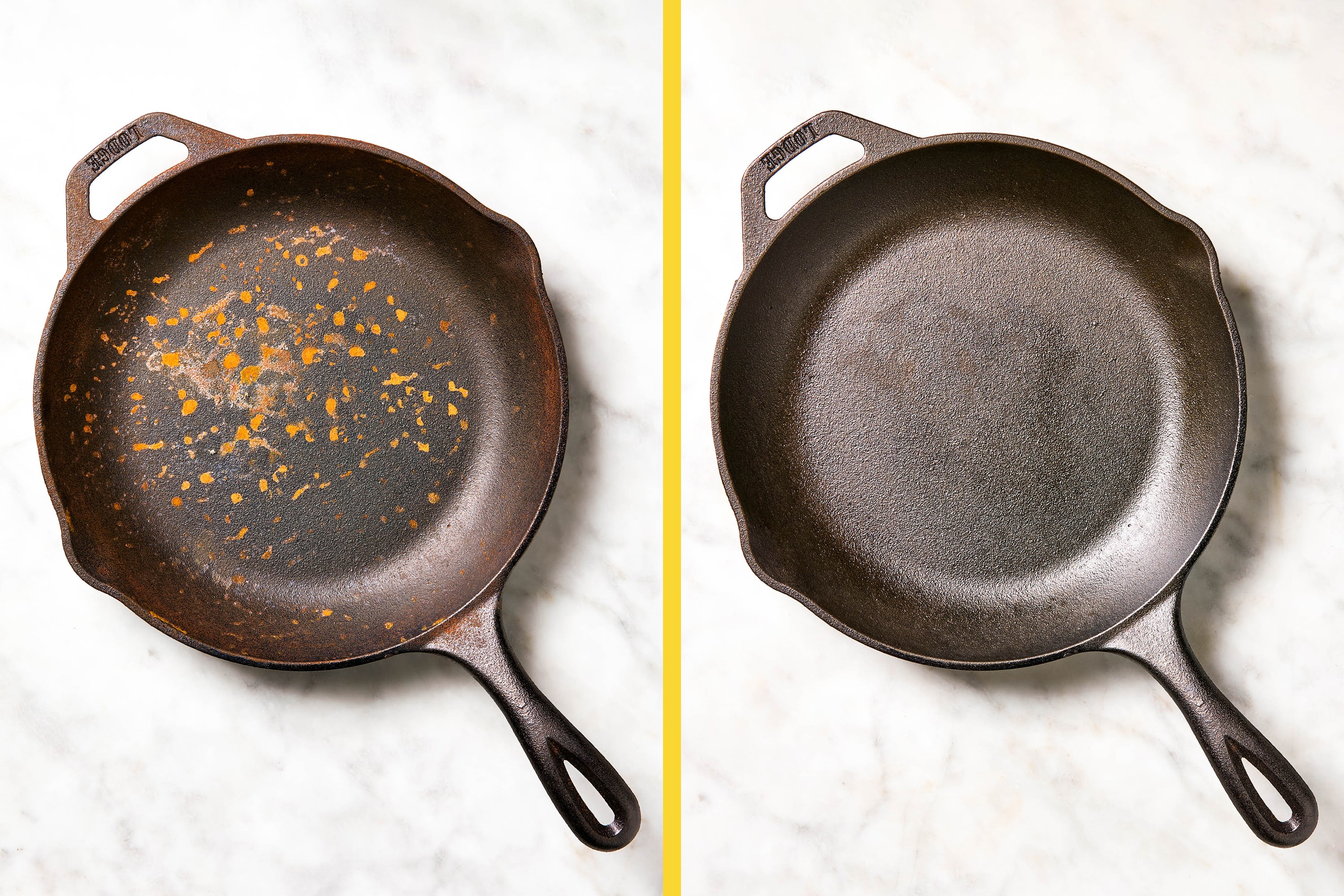
Rust usually shows as reddish or orange patches on the pan. These patches feel rough or flaky to the touch. Sometimes, rust may look like tiny specks scattered across the surface.
Common Areas For Rust To Form
Rust often forms in spots where water stays too long. The edges and corners of the pan are common areas. The bottom of the pan can also develop rust if not dried well.
How Rust Affects The Cookware Surface
Rust eats away the smooth cooking surface. It can cause small pits or holes in the iron. These damaged areas may cause food to stick during cooking.
Gathering Cleaning Supplies
Gathering the right cleaning supplies is the first step to restore rusted cast iron cookware. Having these tools ready makes the cleaning process easier and faster. Each item plays a role in removing rust and protecting your pan.
Steel Wool Or A Stiff Brush
Steel wool or a stiff brush helps scrub away rust effectively. They reach the rough spots where rust hides. Choose a tool that feels comfortable to hold and use.
White Vinegar
White vinegar is a natural acid that breaks down rust. It soaks into the rust and loosens it. Use plain white vinegar for the best results, not flavored types.
Baking Soda
Baking soda acts as a gentle abrasive and deodorizer. It helps remove rust without harming the cast iron surface. Sprinkle it on the pan for extra scrubbing power.
Dish Soap
Mild dish soap cleans away grease and dirt after rust removal. Use it sparingly to avoid stripping the pan’s seasoning. Rinse thoroughly to remove all soap residue.
Clean Cloths Or Paper Towels
Clean cloths or paper towels dry and wipe the cookware. They help remove moisture that causes rust to return. Use lint-free cloths for the best finish.
Cooking Oil
Cooking oil protects the cast iron after cleaning. It forms a barrier to stop rust from forming again. Choose a high smoke point oil like vegetable or flaxseed oil.
Removing Rust With Scrubbing Techniques
Removing rust from cast iron cookware needs some scrubbing. Rust can build up if the pan is wet or stored wrong. Scrubbing breaks the rust loose and cleans the surface. It takes a little effort but restores the pan well. Use tools and household items for scrubbing. Each method helps remove rust in a safe way. Choose the one that fits your situation best.
Using Steel Wool Or A Wire Brush
Steel wool or a wire brush works well on tough rust spots. Rub the rusty areas firmly but carefully. This breaks up the rust and cleans the metal. Use circular motions to scrub every spot. Rinse the pan with warm water after scrubbing. Dry it quickly to stop more rust from forming. Repeat if needed until rust fades.
Applying Baking Soda Paste
Baking soda makes a mild abrasive paste for rust removal. Mix baking soda with a little water to form a thick paste. Spread the paste over rusted parts of the pan. Let it sit for 10-15 minutes to loosen rust. Use a sponge or brush to scrub the paste in. Rinse thoroughly and dry the pan well after scrubbing. Baking soda is gentle and safe for cast iron.
Using White Vinegar Soak
White vinegar helps dissolve rust with its acid content. Mix equal parts vinegar and water in a container. Soak the pan in the solution for 1 to 6 hours. Check the pan often to avoid damage to the cast iron. After soaking, scrub the rust with a brush or sponge. Rinse the pan fully with water and dry it fast. Vinegar is effective but use it carefully to protect your cookware.
Rinsing And Drying Properly
Rinsing and drying cast iron cookware properly is key to stopping rust from coming back. After cleaning rust, water and moisture can cause damage fast. Proper steps protect your pan and keep it ready to use.
Use warm water to rinse the cookware well. This removes any leftover rust and cleaning bits. Avoid soap, as it can strip away seasoning from the cast iron.
Rinse With Warm Water Only
Rinse your cookware under warm running water. Do not use cold water. Warm water helps wash away rust and dirt better. Make sure all debris is gone before moving on.
Dry Immediately And Thoroughly
After rinsing, dry the cookware right away. Use a clean, dry towel to wipe all moisture off. Leaving water on cast iron causes new rust to form quickly.
Use Heat To Remove Remaining Moisture
Place your cast iron on low heat for a few minutes. This dries out any moisture you missed. Heat also helps keep the cookware ready for seasoning.
Seasoning Cast Iron After Cleaning
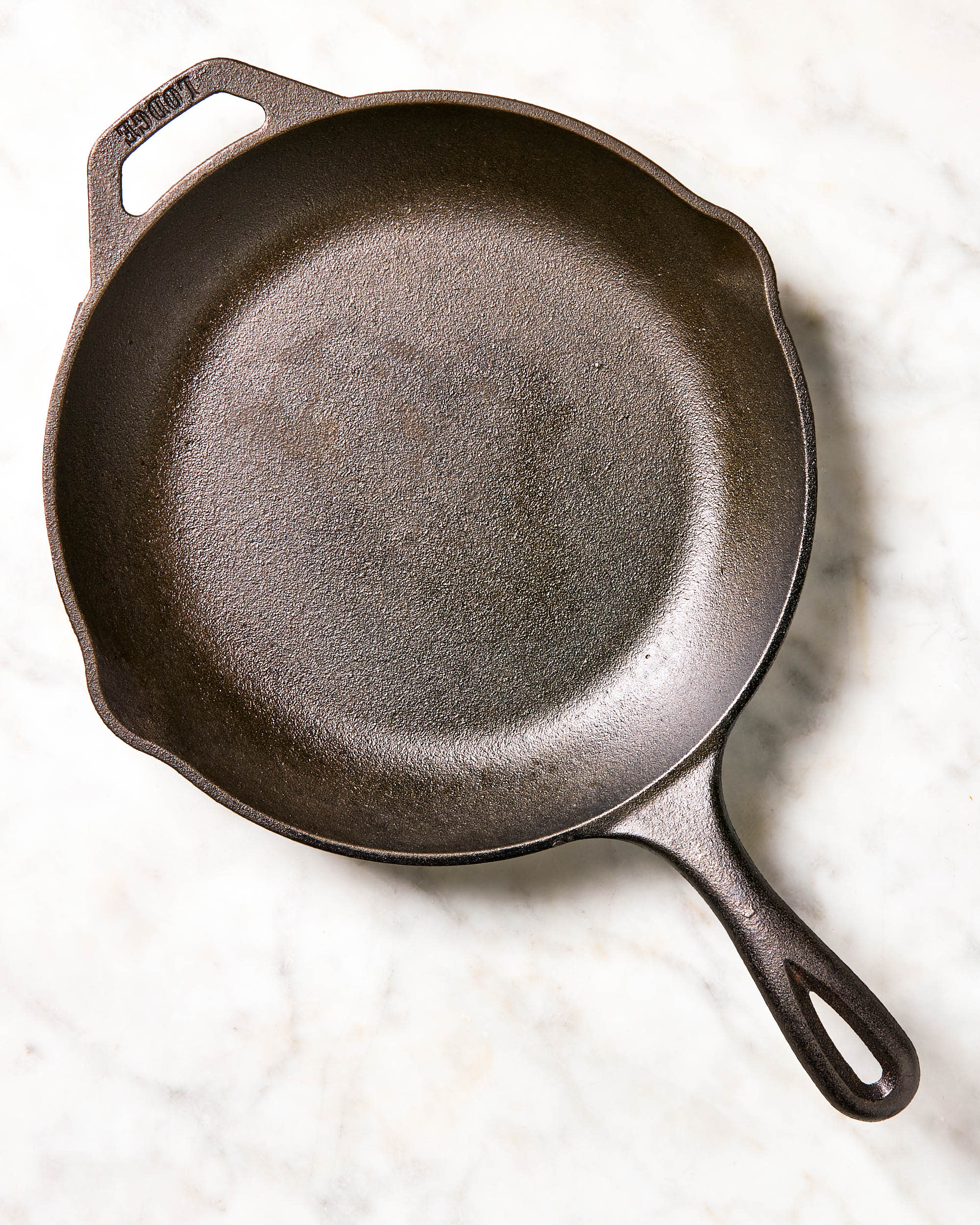
After cleaning rust off your cast iron cookware, seasoning is key. Seasoning protects the surface and stops rust from coming back. It builds a natural, non-stick layer that improves cooking. The process is simple but must be done right for best results.
Choosing The Right Oil
Pick an oil with a high smoke point for seasoning. Flaxseed, vegetable, or canola oil work well. These oils create a strong, durable coating. Avoid butter or olive oil because they burn easily.
Applying Oil Evenly
Use a clean cloth or paper towel to spread a thin layer of oil. Cover every part of the cookware, inside and out. Don’t leave thick spots. Wipe off any extra oil to prevent sticky residue.
Baking For A Durable Seasoning
Place the oiled cookware upside down in a hot oven. Set the temperature to about 450°F (232°C). Bake for one hour to bond the oil to the metal. Let it cool completely before use or storage.
Credit: www.thekitchn.com
Preventing Future Rust
Preventing rust on cast iron cookware keeps your pans in great shape for years. Rust forms when moisture stays on the metal too long. Stopping rust means controlling moisture and care. Simple habits and good storage protect your cast iron. Regular maintenance also plays a big role. Follow these tips to keep your cookware rust-free.
Proper Cleaning Habits
Clean your cast iron right after cooking. Use warm water and a soft brush. Avoid soap or harsh detergents that can strip the seasoning. Dry the pan completely with a towel. Heat it on the stove to remove any leftover moisture. Do not soak your pan in water. This prevents rust from forming.
Storage Tips
Store your cast iron in a dry place. Avoid damp cabinets or areas near the sink. Place a paper towel inside the pan to absorb moisture. Do not cover the pan with a lid tightly. Air needs to circulate to keep the surface dry. Keep pans separated to avoid scratches and moisture buildup.
Regular Maintenance
Season your pan regularly to build a protective layer. Apply a thin coat of oil after each use. Heat the pan to lock the oil in place. Check for rust spots and clean them immediately. Re-season if you notice any damage. Regular care keeps your cast iron cooking smoothly.
When To Replace Cast Iron Cookware
Cast iron cookware is built to last many years. Rust can often be removed with care. But some damage is too deep to fix. Knowing when to replace your cast iron is key. It saves time and keeps your cooking safe.
Signs Of Deep Rust Damage
Surface rust can be cleaned easily. Deep rust eats into the metal. It causes pitting and rough spots. If the rust feels like holes, replace the pan. Cooking on it can be unsafe.
Cracks And Warping
Cast iron can crack from heat stress or dropping. Warped pans don’t cook evenly. Cracks let food and moisture inside. This leads to more rust and bacteria. A cracked or warped pan needs replacing.
Missing Or Damaged Cooking Surface
The cooking surface should be smooth and sealed. Rust removal can strip this layer sometimes. If the surface is rough or flaking, cooking quality drops. It may also cause food to stick badly. Time to get a new pan.
Health And Safety Concerns
Rust can cause bacteria growth if left too long. Deep rust or cracks can contaminate food. A heavily damaged cast iron may affect health. Replace cookware to ensure safe cooking every time.

Credit: southerncastiron.com
Frequently Asked Questions
How Do I Remove Rust From Cast Iron Cookware?
To remove rust, scrub the cookware with steel wool or a scrubber. Use mild soap and warm water. Rinse and dry thoroughly. Re-season the pan by applying a thin layer of oil and heating it in the oven.
Can Vinegar Clean Rust Off Cast Iron Pans?
Yes, soaking cast iron in vinegar helps dissolve rust. Limit soaking to 1-2 hours to avoid damage. After soaking, scrub off loosened rust, rinse, dry, and re-season the pan properly to restore its protective coating.
How Often Should I Season Rusted Cast Iron Cookware?
Season rusted cookware immediately after cleaning. Regular seasoning prevents rust and keeps the surface non-stick. Season your cast iron every few uses or when the surface looks dull or sticky.
Is It Safe To Use Soap On Rusty Cast Iron?
Using mild soap is safe to clean rusted cast iron. Avoid harsh detergents that strip seasoning. Wash gently, rinse well, dry, and re-season the cookware to maintain its non-stick surface and prevent further rust.
Conclusion
Cleaning rust from cast iron cookware takes patience and care. Use gentle scrubbing with steel wool or a brush. Rinse well and dry completely to stop rust from returning. Apply a thin layer of oil to protect the surface. Regular maintenance keeps your cookware strong and safe.
Rust does not mean the end of your pan. With simple steps, your cast iron can look and work like new again. Keep cooking and enjoy your meals with confidence.

Hello, This is Annie Walker, a 38-year-old blogger, founder, and editor of Cookware Guider from NY, USA. I am a cookware fanatic and passionate cooker. I love to cook with different types of cooking appliances (example: all types of cookware, rice cookers, slow cookers, etc) almost every day in my kitchen. I love to share my experience with my readers in my blog. Also, I enjoy helping people to solve their problems through my website. You can follow me on Twitter & Pinterest. To know details about my blog please check the about us page.