
If you own clay cookware, you know how special it is for cooking delicious, healthy meals. But cleaning it the wrong way can damage your favorite pot or pan.
You might be wondering, “How do I keep my clay cookware looking great and lasting longer? ” This guide will show you simple, effective steps to clean your clay cookware safely. By following these tips, you’ll protect your investment and enjoy cooking with it every day.
Keep reading to discover how easy it is to care for your clay cookware the right way!
Choosing The Right Cleaning Tools
Choosing the right tools to clean clay cookware matters a lot. Clay pots are fragile and need gentle care. The wrong tools can scratch or damage the surface. Using soft brushes and sponges helps keep the cookware safe. Harsh chemicals can also harm the clay and change its natural properties. Careful cleaning extends the life of your clay pots and keeps them looking good.
Soft Brushes And Sponges
Use soft brushes made from natural fibers. They remove food without scratching the clay. Soft sponges work well to clean the surface gently. Avoid rough or metal scrubbers. These can cause small cracks or chips. A soft brush or sponge cleans the pot safely and keeps it in good shape.
Avoiding Harsh Chemicals
Never use strong soaps or bleach on clay cookware. These chemicals soak into the clay and ruin its flavor. Natural cleaning agents like baking soda or mild soap work best. Wash with warm water and avoid detergent with heavy perfumes. Gentle cleaning protects the clay’s porous surface and keeps your food tasting fresh.
Initial Rinse And Soaking
Cleaning clay cookware starts with the initial rinse and soaking. This step removes leftover food and softens stuck particles. Proper rinsing and soaking protect the cookware’s surface. They also prepare it for deeper cleaning later. Follow these simple steps to keep your clay pots in good shape.
Removing Loose Food Particles
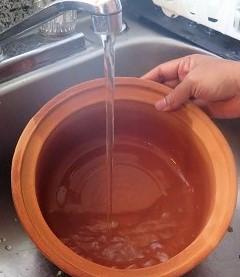
Begin by rinsing the clay cookware with warm water. Use your hand or a soft brush to remove loose food bits. Avoid using soap at this stage. Soap can soak into the clay and affect flavor. Rinse until most food debris disappears. This step prevents scratching during cleaning.
Soaking Techniques For Stubborn Stains
Fill the cookware with warm water to cover stains. Let it soak for at least 30 minutes. For tough stains, soak overnight. Use plain water or add a tablespoon of baking soda. Baking soda helps lift stains gently. Avoid harsh chemicals that can damage clay. After soaking, scrub lightly with a soft sponge. Rinse well to remove residue before drying.
Natural Cleaning Methods
Cleaning clay cookware naturally keeps it safe and long-lasting. These methods remove stains and odors without harming the clay. They use simple, everyday ingredients found in most kitchens. Natural cleaning protects the cookware’s surface and keeps your food tasting fresh.
Using Baking Soda
Baking soda is a gentle cleaner for clay pots. Sprinkle some baking soda inside the cookware. Add a little water to make a paste. Rub the paste on stains softly using a cloth. Let it sit for 15 minutes. Rinse well with warm water. This method removes stubborn dirt and smells.
Vinegar Solutions
Vinegar is great for deep cleaning clay pots. Mix equal parts of white vinegar and water. Pour the solution into the cookware. Let it soak for 20 minutes. Use a soft brush to scrub the inside gently. Rinse thoroughly with water. Vinegar kills bacteria and clears mineral buildup.
Lemon And Salt Scrubs
Lemon and salt work well to scrub clay cookware. Cut a lemon in half and dip it in salt. Rub the salted lemon over stains and marks. The salt scrubs, and lemon brightens the surface. Leave it for 10 minutes before rinsing. This natural scrub refreshes and cleans deeply.

Credit: www.youtube.com
Dealing With Tough Stains
Tough stains on clay cookware can be stubborn. They may not come off with simple washing. These stains often form from burnt food or minerals in water. Cleaning them carefully protects your cookware’s surface. It keeps your pot safe and ready for the next meal.
Use methods that are gentle but effective. Avoid harsh scrubbing or strong chemicals. These can damage the clay and shorten its life. The right approach restores the pot’s natural look and cooking quality.
Boiling Water Method
Fill the clay pot with water. Place it on the stove and bring to a boil. Let the water boil for 15 to 20 minutes. This process loosens the stuck food and stains. After boiling, carefully pour out the water. Use a soft sponge to wipe the inside. The stains should come off easier now. Repeat if needed but do not boil dry.
Gentle Scraping Tips
Use a wooden or plastic spatula to scrape off tough stains. Avoid metal tools that can scratch the clay surface. Scrape gently to remove burnt food bits. Work slowly to protect the pot’s finish. For stubborn spots, soak the pot in warm water first. This softens the residue and makes scraping easier. Rinse well after scraping to clean all loosened bits.
Drying And Storing Clay Cookware
Drying and storing clay cookware correctly keeps it safe and lasts longer. Clay pots absorb water during washing. This moisture must evaporate fully to avoid cracks or mold growth.
Proper drying and storage also prevent unwanted smells and damage. Follow simple steps to keep your cookware ready for the next use.
Proper Air Drying
After washing, dry your clay cookware with a clean cloth. Place it in a well-ventilated area. Avoid direct sunlight; it can cause cracking.
Leave the pot open to air dry completely. This may take several hours or overnight. Check if the inside and outside feel dry before storing.
Storage Best Practices
Store clay cookware in a cool, dry place. Avoid damp or humid areas to stop mold from forming. Keep pots uncovered or loosely covered for air flow.
Stack pots carefully with soft cloth or paper between them. This prevents scratches and chips. Store lids separately or upside down on the pot to save space.
Credit: miriamsearthencookware.com
Maintaining Clay Cookware Longevity
Clay cookware needs special care to last a long time. Its natural material can crack or break without proper handling. Simple steps help keep your clay pots strong and useful for years.
Cleaning is not enough. You must also prepare and protect the cookware before and after use. This keeps the clay safe from damage and improves cooking quality.
Seasoning Tips
Seasoning clay cookware creates a protective layer inside the pot. This stops food from sticking and prevents cracks. Start by soaking the pot in water for 15-20 minutes. Then, dry it slowly in a warm oven. Rub a thin coat of cooking oil inside and outside the pot. Heat it gently on low flame for about an hour. Let it cool naturally. Repeat this process every few months for the best results.
Avoiding Thermal Shock
Thermal shock happens when clay heats or cools too fast. It can cause cracks or breaks. Always warm the pot slowly on low heat. Never pour cold water into a hot clay pot. Avoid placing hot cookware on cold surfaces. Use a wooden or cloth mat under the pot. Let the pot cool down at room temperature before washing. These habits keep your clay cookware safe and strong.

Credit: www.youtube.com
Frequently Asked Questions
How Do I Clean Clay Cookware After Use?
Rinse clay cookware with warm water immediately after use. Avoid soap to preserve its natural seasoning. Use a soft brush to remove food residues gently. Let it air dry completely before storing to prevent mold and odors.
Can I Use Soap To Clean Clay Cookware?
It is best to avoid soap when cleaning clay cookware. Soap can seep into the porous surface and affect flavor. Instead, use warm water and a soft brush for cleaning. Occasionally, a mild baking soda scrub can help remove stubborn stains.
How Do I Remove Odors From Clay Cookware?
To remove odors, fill the cookware with warm water and add a tablespoon of baking soda. Let it soak for a few hours or overnight. Rinse thoroughly and air dry. This method neutralizes smells without damaging the clay.
Is It Safe To Soak Clay Cookware In Water?
Soaking clay cookware for a short time is fine to loosen food particles. Avoid prolonged soaking, as it can weaken the clay and cause cracks. Always dry the cookware completely after soaking to maintain its durability.
Conclusion
Cleaning clay cookware keeps it safe and lasts longer. Use gentle scrubbing with warm water and avoid harsh soaps. Dry the cookware well to stop cracks and mold. Regular care keeps flavors pure and cooking smooth. Simple steps make a big difference in your kitchen.
Treat your clay pots right, and they will serve you well for years. Easy cleaning helps you enjoy healthy and tasty meals every day.

Hello, This is Annie Walker, a 38-year-old blogger, founder, and editor of Cookware Guider from NY, USA. I am a cookware fanatic and passionate cooker. I love to cook with different types of cooking appliances (example: all types of cookware, rice cookers, slow cookers, etc) almost every day in my kitchen. I love to share my experience with my readers in my blog. Also, I enjoy helping people to solve their problems through my website. You can follow me on Twitter & Pinterest. To know details about my blog please check the about us page.