
Is your favorite enamel cookware looking dull and discolored on the outside? It can be frustrating when your trusted pots and pans lose their shine, making your kitchen feel less inviting.
But don’t worry—you don’t have to replace them or struggle with harsh chemicals. In this post, you’ll discover simple, effective ways to clean and restore the look of your enamel cookware. By the end, you’ll have the confidence to bring back that bright, smooth finish and keep your kitchen tools looking their best.
Ready to see your cookware sparkle again? Let’s dive in!
Credit: www.reddit.com
Causes Of Discoloration
Discoloration on the outside of enamel cookware happens for many reasons. It can make pots and pans look old and dirty. Understanding these causes helps to clean and restore their shine. Below are the main reasons enamel cookware changes color.
Heat Stains And Burn Marks
High heat can leave dark marks on enamel surfaces. These stains occur when cookware touches very hot burners. Burn marks may look black or brown. They form because enamel reacts to intense heat. Repeated exposure to heat worsens the discoloration over time.
Mineral Deposits And Residue
Water with minerals can leave white or chalky spots on enamel. These spots come from hard water or mineral-rich liquids. Residue builds up if cookware is not dried well. Mineral deposits can dull the enamel’s finish and cause patches.
Food And Grease Buildup
Grease and food particles stick to the outside of pots and pans. Over time, this buildup darkens the enamel surface. Oil splatters and food spills cause greasy spots. Cooking without cleaning the outside regularly allows grime to form.
Essential Cleaning Tools
Cleaning discolored enamel cookware outside needs the right tools. The right tools protect the surface and remove stains effectively. Choosing gentle but effective tools helps keep your cookware looking new.
Soft Sponges And Brushes
Soft sponges and brushes clean without scratching the enamel. Use non-abrasive sponges to avoid damage. Brushes with soft bristles reach corners and edges easily. These tools remove dirt and stains gently.
Mild Abrasive Cleaners
Mild abrasive cleaners help lift tough stains safely. Avoid harsh powders that can scratch enamel. Creamy or paste cleaners work well for stubborn spots. Apply them with a soft cloth or sponge for best results.
Natural Cleaning Agents
Natural cleaning agents like baking soda and vinegar are safe. Baking soda scrubs away stains without harming the surface. Vinegar helps dissolve mineral deposits and discoloration. Use these agents for a gentle, eco-friendly clean.
Step-by-step Cleaning Process
Cleaning discolored enamel cookware outside can restore its shine and look. A clear, step-by-step process makes the task simple and effective. Follow these steps carefully for the best results.
Pre-soaking The Cookware
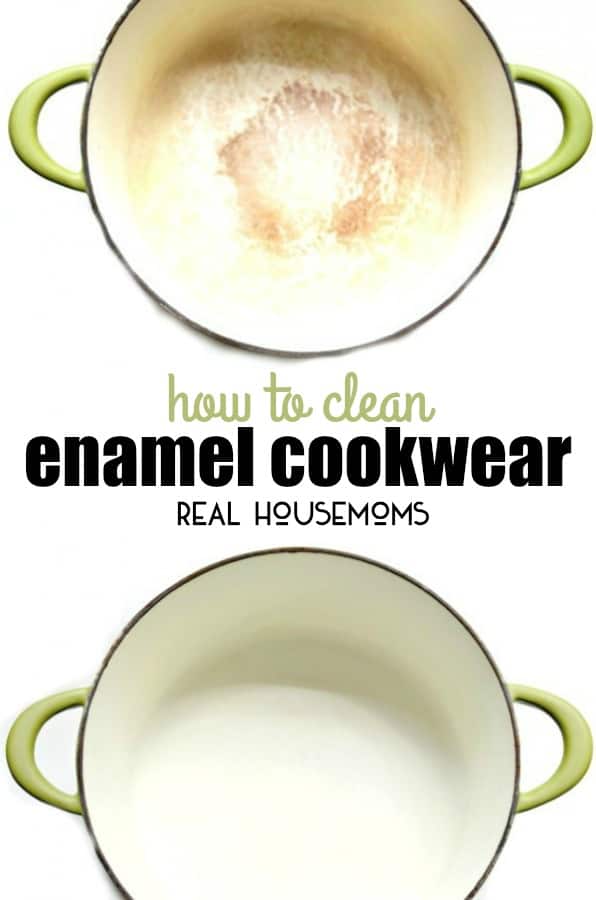
Start by filling the cookware with warm water. Add a few drops of mild dish soap. Let it soak for 15 to 30 minutes. This softens stuck-on stains and dirt. Pre-soaking loosens grime, making cleaning easier.
Scrubbing Techniques
Use a soft sponge or nylon scrubber to clean the surface. Avoid steel wool to prevent scratches. Apply gentle pressure and scrub in small circles. Focus on discolored areas but be patient. Stubborn stains may need repeated scrubbing.
Rinsing And Drying
Rinse the cookware thoroughly with clean water. Ensure all soap and residue are removed. Dry the cookware with a soft cloth or towel. Air drying can leave water spots. Proper drying keeps enamel shiny and prevents rust.
Credit: realhousemoms.com
Homemade Cleaning Solutions
Cleaning discolored enamel cookware at home is easy and safe. You do not need harsh chemicals. Simple ingredients from your kitchen can restore shine and remove stains. These homemade cleaning solutions work well and save money.
Baking Soda Paste
Make a thick paste using baking soda and water. Apply the paste on the discolored areas. Let it sit for 15 minutes. Scrub gently with a soft cloth or sponge. Rinse with warm water and dry. Baking soda removes stains without scratching the enamel.
Vinegar Soak
Fill a basin with equal parts white vinegar and water. Soak the cookware’s outside for 30 minutes. The vinegar breaks down mineral deposits and discoloration. After soaking, scrub lightly with a sponge. Rinse thoroughly and dry with a towel. Vinegar brightens enamel surfaces naturally.
Lemon Juice Application
Cut a lemon in half and rub it on the stains. Let the lemon juice sit for 10 minutes. The natural acid lifts discoloration and grease. Wipe the surface with a damp cloth. Rinse with water and dry well. Lemon juice refreshes enamel and leaves a fresh scent.
Avoiding Damage During Cleaning
Cleaning discolored enamel cookware outside needs care. The enamel surface is delicate and can scratch or chip easily. Avoid damage to keep your cookware looking good and lasting longer. Use gentle methods and tools during cleaning. Protect the enamel finish while removing stains and discoloration.
Choosing The Right Tools
Use soft cloths or sponges for cleaning. Avoid steel wool or rough scrubbers. These can scratch the enamel surface. Soft brushes can help remove dirt without damage. Use tools designed for delicate cookware.
Avoiding Harsh Chemicals
Skip bleach and strong chemicals. They can wear down the enamel finish. Mild dish soap and baking soda work well. These cleaners are gentle but effective. Use only safe products meant for enamel cookware.
Handling Tough Stains Safely
Soak the cookware in warm, soapy water first. This loosens stubborn stains gently. For tougher spots, use a paste of baking soda and water. Rub gently with a soft cloth. Avoid hard scrubbing that can chip the enamel.
Credit: www.reddit.com
Maintaining Enamel Cookware Shine
Maintaining the shine of enamel cookware keeps it looking fresh and new. Clean cookware improves kitchen appeal and lasts longer. Simple care habits protect the enamel surface from damage and discoloration. Small daily efforts bring big results over time.
Regular Cleaning Habits
Wash enamel cookware soon after use to stop stains. Use warm water and mild soap for gentle cleaning. Avoid abrasive scrubbers that can scratch the enamel surface. Soft sponges or cloths work best. Dry the cookware completely to prevent water marks and rust spots.
Proper Storage Tips
Store enamel cookware in a dry place to keep it safe. Avoid stacking pots directly on top of each other. Use soft cloth or paper towels between pieces to stop scratches. Keep lids separate or upside down to allow air circulation. This keeps the enamel bright and free from chips.
Preventing Future Discoloration
Use wooden or silicone utensils to protect the enamel surface. Avoid cooking with metal tools that can scratch and stain. Do not expose cookware to sudden temperature changes. Heat slowly and cool before washing. This stops cracks and keeps the enamel shiny longer.
Frequently Asked Questions
How Do I Remove Stains From Enamel Cookware Exterior?
Use a paste of baking soda and water. Apply it gently with a soft cloth. Rinse and dry thoroughly. Avoid abrasive scrubbers to prevent damage.
Can Vinegar Clean Discolored Enamel Cookware Outside?
Yes, vinegar effectively removes discoloration. Soak a cloth in vinegar and wipe the cookware. Rinse well and dry to restore shine.
What Household Items Clean Enamel Cookware Stains?
Baking soda, vinegar, and mild dish soap work well. Combine them for tough stains. Use soft cloths for safe cleaning.
Is It Safe To Use Bleach On Enamel Cookware?
Avoid bleach as it can damage enamel surfaces. Choose gentle cleaners like baking soda or vinegar instead. Always rinse thoroughly after cleaning.
Conclusion
Cleaning discolored enamel cookware outside can be simple. Use gentle scrubbing with baking soda or vinegar. Avoid harsh chemicals that may damage the surface. Regular care keeps your cookware looking bright and fresh. A clean pot or pan lasts longer and works better.
Small efforts make a big difference in appearance. Try these tips for a shiny, like-new finish. Your cookware will thank you with every meal cooked. Simple steps lead to great results every time.

Hello, This is Annie Walker, a 38-year-old blogger, founder, and editor of Cookware Guider from NY, USA. I am a cookware fanatic and passionate cooker. I love to cook with different types of cooking appliances (example: all types of cookware, rice cookers, slow cookers, etc) almost every day in my kitchen. I love to share my experience with my readers in my blog. Also, I enjoy helping people to solve their problems through my website. You can follow me on Twitter & Pinterest. To know details about my blog please check the about us page.