
Keeping your GE cooktop clean is more than just about looks—it’s also about safety, performance, and making your kitchen feel fresh. Many people worry about damaging their cooktop or making mistakes. But with the right approach, you can clean your GE cooktop easily and keep it shining for years. Whether you have a glass, ceramic, or gas model, this guide covers everything you need to know. You’ll learn step-by-step instructions, practical tips, and answers to common questions. Plus, there are tables comparing cleaning methods and products, so you can make smart choices. Let’s dive in and make your cooktop spotless.
Understanding Your Ge Cooktop
Before you start cleaning, it’s important to know what type of cooktop you have. GE offers several kinds:
- Glass cooktops: Smooth surface, common in electric and induction models.
- Ceramic cooktops: Similar to glass, but sometimes with a slightly different finish.
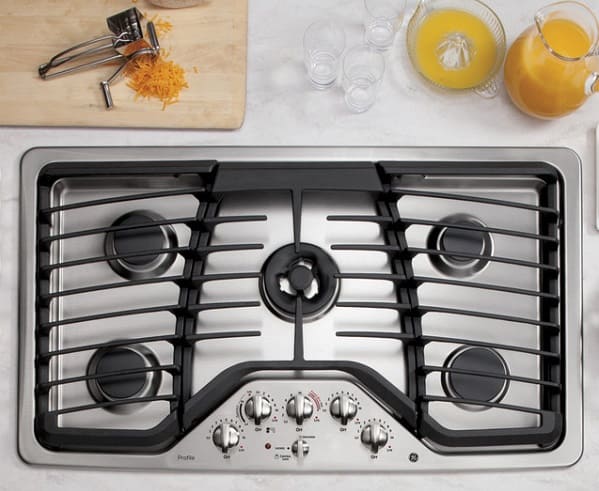
- Gas cooktops: Have burners and grates, usually made of metal and sometimes coated.
- Electric coil cooktops: Feature raised coils, often with drip pans underneath.
Each type has its own cleaning needs. Cleaning the wrong way can cause scratches, stains, or even fire hazards. Check your GE model number and the user manual if you’re unsure.
Why Clean Regularly?
A dirty cooktop can:
- Make food taste bad due to burnt residue.
- Cause uneven cooking.
- Attract pests.
- Increase fire risk.
According to the National Fire Protection Association, nearly one-third of kitchen fires start with cooking equipment. Regular cleaning helps prevent these risks.
How Often Should You Clean?
Your cleaning routine depends on how often you cook:
- Daily wipe-down: After each use, remove spills to stop buildup.
- Weekly deep clean: Once a week, clean more thoroughly.
- Monthly maintenance: Check for hidden dirt, grease, or stains.
Some experts recommend cleaning glass cooktops immediately after every spill, because dried-on stains can be hard to remove later.
Tools And Supplies You Need
Gathering the right tools makes the job easier and safer. Here are the essentials:
- Soft microfiber cloths
- Non-abrasive sponges
- Cooktop cleaner (like CeramaBryte for glass)
- Dish soap
- White vinegar
- Baking soda
- Plastic scraper (for glass/ceramic surfaces)
- Old toothbrush
- Paper towels
- Rubber gloves
- Warm water
Avoid steel wool, harsh chemicals, or anything abrasive—they can scratch or damage your cooktop.
| Tool/Supply | Best for | What to Avoid |
|---|---|---|
| Microfiber cloth | All cooktops | Linty towels |
| Cooktop cleaner | Glass/ceramic | Bleach, ammonia |
| Plastic scraper | Glass/ceramic | Metal blades |
| Dish soap | Gas/electric | Strong detergents |
| Baking soda | Stubborn stains | Overuse (can leave residue) |
Cleaning Glass And Ceramic Ge Cooktops
Glass and ceramic cooktops look sleek, but they require gentle cleaning. Scratches and stains are common mistakes. Here’s a step-by-step guide:
Step 1: Cool Down Completely
Never clean a hot cooktop. Wait until it’s cool to touch—this prevents burns and stops cleaner from drying too fast.
Step 2: Remove Loose Debris
Use a dry microfiber cloth to wipe away crumbs and loose dirt. This avoids scratching during wet cleaning.
Step 3: Apply Cleaner
Use a cooktop cleaner designed for glass or ceramic (like CeramaBryte). If you don’t have one, mix a few drops of dish soap with warm water.
- Apply cleaner directly to stains.
- Let it sit for 2-3 minutes.
Step 4: Scrub Gently
Use a non-abrasive sponge or microfiber cloth. Rub in circular motions. For tough, dried-on spots, use a plastic scraper:
- Hold scraper at 45 degrees.
- Gently push under the stain.
Never use knives or metal tools—they can scratch the surface.
Step 5: Rinse And Dry
Wipe with a damp cloth to remove cleaner. Dry with a fresh microfiber cloth to avoid streaks.
Step 6: Polish (optional)
For extra shine, use a glass cooktop polish. Buff with a clean, dry cloth.
Practical Tip
If you spill sugary foods (like jam or syrup), clean immediately. Sugar can permanently bond to glass if heated.
Credit: athensappliancerepair.net
Cleaning Gas Ge Cooktops
Gas cooktops have more parts: grates, burners, and sometimes removable knobs. Cleaning them takes a bit more time, but it’s important for safety.
Step 1: Turn Off Gas And Unplug
Safety first. Make sure all burners are off. If your model has an electric starter, unplug it.
Step 2: Remove Grates And Burner Caps
Lift grates and burner caps off the cooktop. Place them in the sink.
Step 3: Soak Parts
Fill the sink with hot, soapy water. Soak grates and caps for 15–20 minutes. This loosens grease and burnt food.
Step 4: Scrub Grates And Caps
Use a sponge or old toothbrush. For tough grease, sprinkle baking soda and scrub gently.
- Avoid steel wool—it can damage coating.
- Rinse well and dry completely.
Step 5: Clean Burner Bases
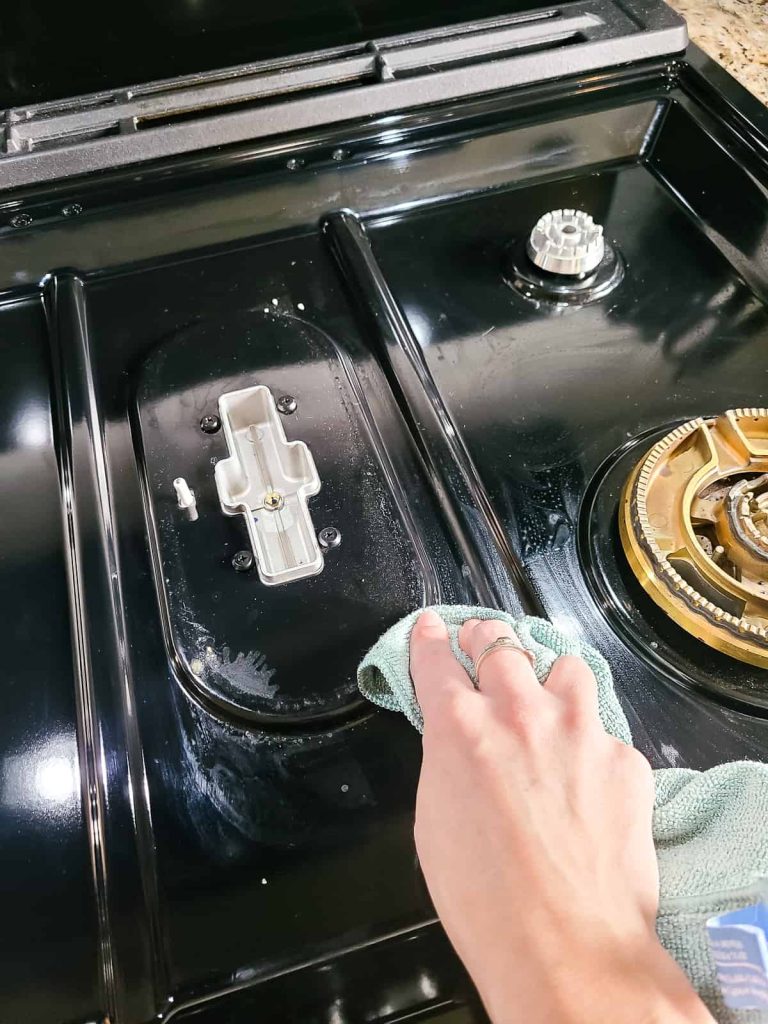
Wipe burner bases with a damp cloth. If there’s stubborn residue, use a soft brush.
- Never let water get inside gas openings.
Step 6: Clean Surface
Wipe the cooktop surface with dish soap and water. For stains, use a paste of baking soda and water.
Step 7: Reassemble
Dry all parts fully. Put grates and caps back in place. Plug in and turn on gas.
Common Mistake
Don’t use oven cleaner on gas cooktop parts—it can corrode the metal and affect performance.
Cleaning Electric Coil Ge Cooktops
Electric coil cooktops are less common now, but many GE models still use them. Cleaning is easy, but requires care.
Step 1: Unplug And Remove Coils
Make sure power is off. Gently pull coils away from connectors.
Step 2: Clean Drip Pans
Remove drip pans and soak in hot, soapy water for 15 minutes. Scrub with a sponge, rinse, and dry.
Step 3: Wipe Coils
Use a damp cloth to clean coils. Don’t get water in electrical connectors.
Step 4: Clean Surface
Wipe the cooktop with dish soap and water. For burnt stains, use a little baking soda.
Step 5: Reassemble
Dry everything well. Put drip pans and coils back.
Pro Tip
For stubborn burnt stains, use a paste of baking soda and water, let sit for 15 minutes, then scrub gently.
Removing Tough Stains
Some stains won’t come off with normal cleaning. Here’s how to tackle tough spots:
- Burnt-on food: Use a plastic scraper and baking soda paste.
- Grease buildup: Apply vinegar, let sit 5 minutes, then wipe.
- Water spots: Buff with a dry microfiber cloth.
- Sugar-based stains: Clean immediately—use a cooktop cleaner for glass.
| Stain Type | Best Removal Method | Time Needed |
|---|---|---|
| Burnt food | Baking soda paste, plastic scraper | 10–20 min |
| Grease | Vinegar, sponge | 5–10 min |
| Water spots | Microfiber buffing | 2–5 min |
| Sugar stains | Cooktop cleaner | Immediate |
Safe Cleaning Products For Ge Cooktops
Using the right products protects your cooktop and your health. Here’s a comparison of common products:
| Product | Suitable Cooktop | Effectiveness | Safety |
|---|---|---|---|
| CeramaBryte | Glass/Ceramic | High | Safe, non-abrasive |
| Baking soda | All types | Medium | Safe, eco-friendly |
| Vinegar | Gas/Electric | Medium | Safe, natural |
| Dish soap | All types | Medium | Safe, gentle |
| Oven cleaner | None (Not recommended) | High | Unsafe for cooktops |
Preventing Scratches And Damage
Many people accidentally scratch their cooktop or damage parts. Here’s how to avoid that:
- Use only soft cloths and plastic scrapers.
- Never drag heavy pots across the surface.
- Clean up spills quickly—especially sugar and acidic foods.
- Avoid harsh chemicals (like bleach or ammonia).
- Don’t use steel wool or abrasive pads.
If you see scratches, buff gently with cooktop polish. Deep scratches may need professional repair.
Cleaning Knobs, Controls, And Edges
These spots get dirty but are often forgotten. Dirt and grease can cause controls to stick or malfunction.
- Remove knobs gently (most GE models let you pull them off).
- Soak in soapy water, scrub with a brush, rinse, and dry.
- Wipe controls and edges with a damp cloth. Avoid too much water—it can seep into electronics.
- Use a cotton swab for tight spaces.
Credit: kroisbrewery.com
Keeping Your Ge Cooktop Clean Longer
Cleaning often is smart, but you can also reduce how much you need to clean:
- Wipe after every use: A quick wipe stops stains from becoming permanent.
- Use proper cookware: Heavy, smooth-bottom pans reduce scratches.
- Avoid overflows: Watch boiling liquids; use lids to prevent spills.
- Clean spills immediately: Especially sugary or acidic foods.
- Check and clean vent filters: Grease from cooking can settle on the cooktop.
Non-obvious Insight
Many beginners don’t realize that small crumbs or salt grains can cause scratches. Always wipe away dry debris before wet cleaning.
What Not To Do
Making mistakes can harm your cooktop. Avoid these common errors:
- Don’t clean a hot cooktop.
- Don’t use abrasive pads or cleaners.
- Don’t use too much water, especially on gas or electric models.
- Don’t ignore burnt-on stains—they get harder to remove.
- Don’t use oven cleaner (except inside ovens—not on cooktops).
- Don’t let water drip into gas burner openings or electric connectors.
Professional Cleaning And Repairs
If you have deep stains, scratches, or broken parts, sometimes you need expert help. GE offers professional cleaning and repair services. Prices vary, but basic cleaning usually costs $80–$150, while repairs depend on the part.
If your cooktop is under warranty, check with GE before trying repairs yourself. You can find service info at the official GE Appliances website or through local dealers.
Real-life Example: Cleaning A Glass Ge Cooktop
Let’s look at how a real person cleaned a tough stain:
Maria spilled syrup on her GE glass cooktop. She waited too long, and the syrup burned on. She tried wiping with a cloth, but the stain wouldn’t budge. Next, she used a plastic scraper and baking soda paste. She let it sit for 10 minutes, then gently scraped.
The stain came off with patience, and her cooktop looked new again.
Lesson: Don’t wait to clean sticky spills, but even tough stains can come off with the right tools and gentle scraping.

Credit: www.youtube.com
Environmental Impact Of Cleaning Products
Some cleaners harm the environment. Using natural products like vinegar and baking soda is safer and eco-friendly. GE recommends using non-toxic, biodegradable cleaners when possible.
If you want to learn more about safe cleaning practices, check out this guide from the Environmental Protection Agency.
Frequently Asked Questions
How Do I Remove Burnt Food From My Ge Cooktop?
For burnt food, use a plastic scraper and a paste of baking soda and water. Let the paste sit for 10–15 minutes. Gently scrape the burnt spot, then wipe with a damp cloth. Avoid using metal tools, as they can scratch the surface.
Is It Safe To Use Vinegar On My Ge Cooktop?
Yes, white vinegar is safe for most GE cooktops. It helps cut grease and remove stains. For glass and ceramic cooktops, mix vinegar with water to avoid streaks. Do not use vinegar on aluminum parts, as it can cause discoloration.
Can I Use Dish Soap To Clean My Cooktop?
Dish soap is safe for all GE cooktops. Mix a few drops with warm water. Wipe the surface with a sponge or microfiber cloth. Rinse and dry afterward to avoid residue.
How Often Should I Deep Clean My Ge Cooktop?
Deep cleaning is best done once a week if you cook daily. If you cook less often, deep clean every two weeks. Always wipe up spills right away to prevent buildup.
What Should I Do If My Cooktop Has Scratches?
For light scratches, use a cooktop polish and buff gently with a microfiber cloth. Deep scratches may need professional repair. Never use abrasive pads, as they make scratches worse.
Keeping your GE cooktop clean isn’t difficult, but it does require the right tools, products, and routines. Regular cleaning helps your cooktop last longer, cook better, and look newer. Remember to avoid harsh chemicals and abrasives. With these steps, your kitchen will stay safe and beautiful.
If you ever run into tough stains or damage, don’t hesitate to ask for professional help. Clean smart, and enjoy cooking every day.

Hello, This is Annie Walker, a 38-year-old blogger, founder, and editor of Cookware Guider from NY, USA. I am a cookware fanatic and passionate cooker. I love to cook with different types of cooking appliances (example: all types of cookware, rice cookers, slow cookers, etc) almost every day in my kitchen. I love to share my experience with my readers in my blog. Also, I enjoy helping people to solve their problems through my website. You can follow me on Twitter & Pinterest. To know details about my blog please check the about us page.