
Keeping your porcelain cooktop clean is more than just about appearances. A spotless surface prevents scratches, keeps your kitchen hygienic, and ensures your cooktop works efficiently. But cleaning porcelain isn’t always simple. It’s easy to damage the glossy finish with harsh chemicals or the wrong tools. If you’ve ever noticed stubborn stains or dull patches, you’re not alone—many people struggle to keep their cooktop in top shape. In this guide, you’ll learn practical, step-by-step instructions to clean your porcelain cooktop safely, avoid common mistakes, and discover tips that most beginners miss. Whether you cook daily or just occasionally, these methods will help you maintain the shine and performance of your cooktop.
What Makes Porcelain Cooktops Unique
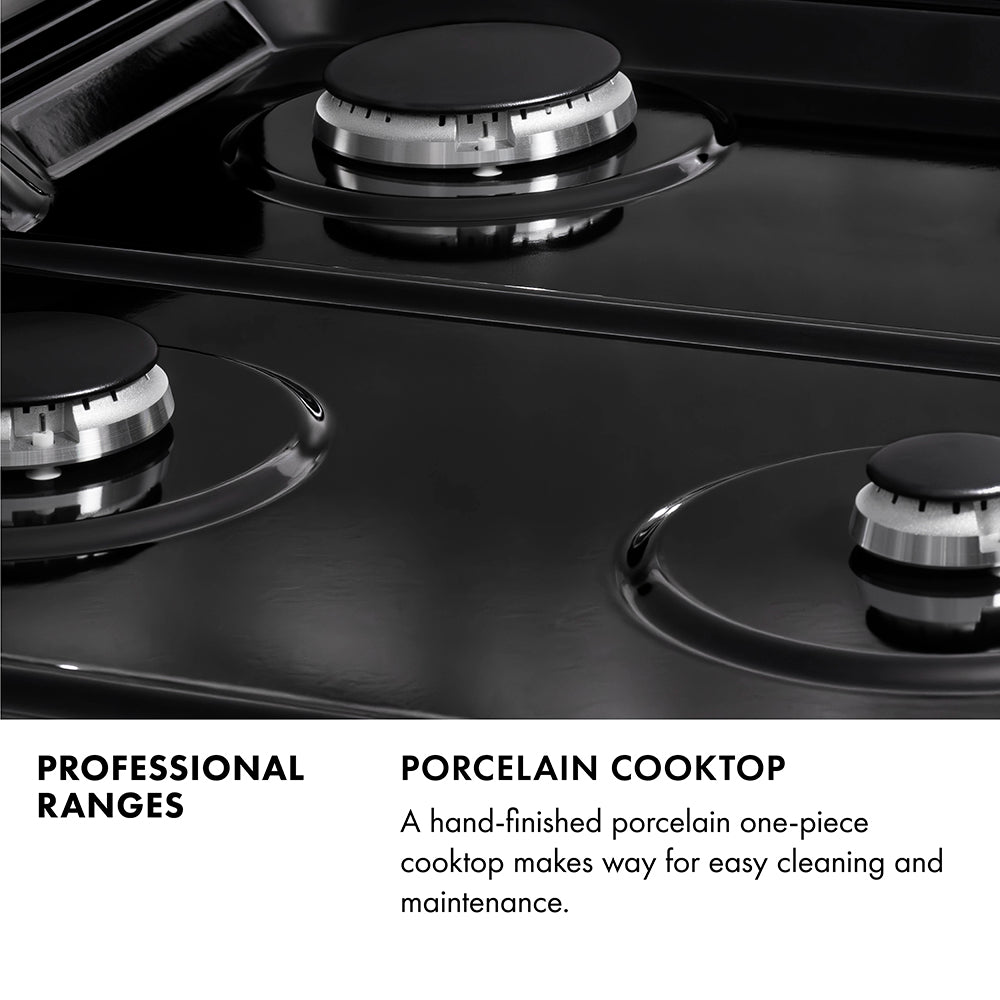
Porcelain is a tough, glass-like material commonly used for cooktops. It’s loved for its glossy finish, heat resistance, and scratch resistance. However, it’s not indestructible. Porcelain can chip if you drop heavy objects or use abrasive cleaners. It also stains if spills aren’t cleaned promptly.
Porcelain cooktops have three main advantages:
- Durability: They can withstand high heat and resist most scratches.
- Easy to clean: Smooth surface doesn’t trap food, making wiping easier.
- Stylish look: The glossy finish adds elegance to any kitchen.
But these benefits come with a few challenges. Porcelain can develop tough stains, especially from burnt food or sugary spills. Using the wrong cleaning products can dull the shine or even cause micro-cracks.
Everyday Cleaning: Keeping Your Cooktop Spotless
Routine cleaning helps maintain the porcelain finish and prevents buildup. If you wipe the cooktop daily, you’ll avoid most stains and scratches.
Quick Daily Cleaning Steps
- Let the cooktop cool: Never clean when it’s hot. Wait at least 20-30 minutes after cooking.
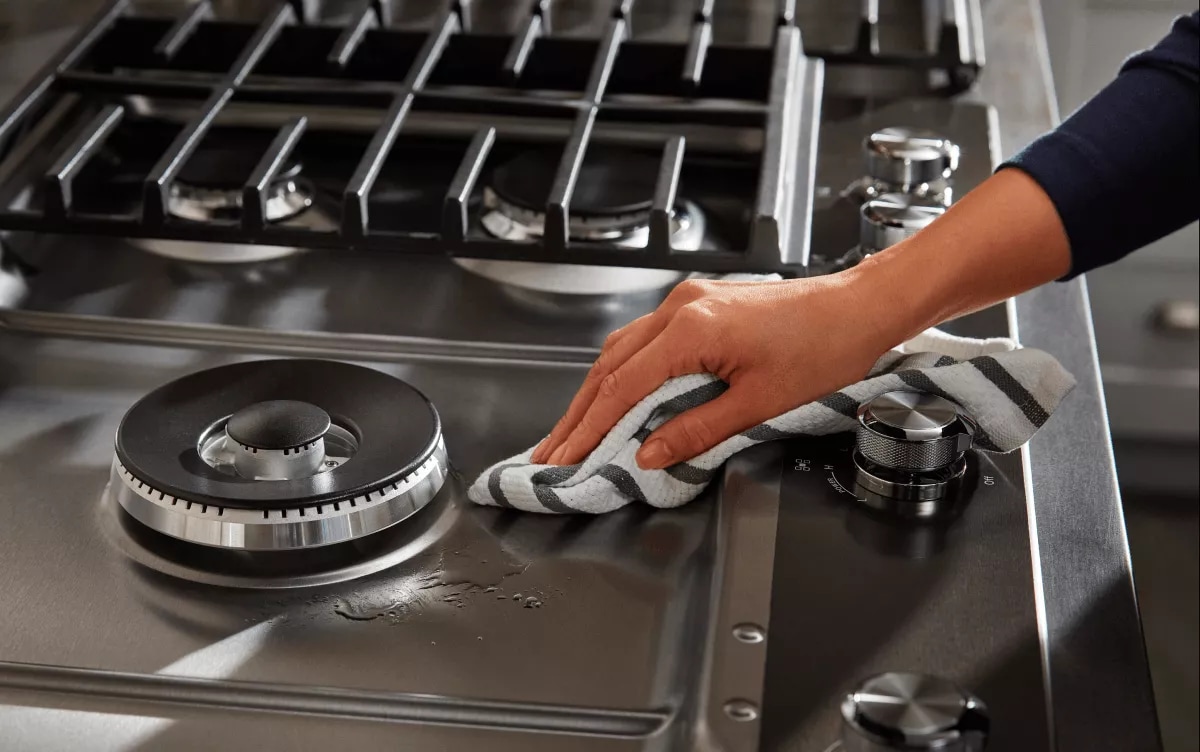
- Remove loose debris: Use a soft cloth or paper towel to wipe away crumbs and spills.
- Wipe with warm soapy water: Mix a few drops of mild dish soap in warm water. Dip a soft sponge, wring it out, and gently clean the surface.
- Rinse and dry: Use a clean damp cloth to wipe off soap residue. Dry with a soft towel to avoid water spots.
Best Cleaning Tools For Porcelain
Not all tools are safe. Avoid anything rough, like steel wool or hard brushes.
Safe cleaning tools include:
- Microfiber cloths
- Soft sponges
- Paper towels
- Non-scratch pads
Unsafe tools:
- Steel wool
- Scouring pads
- Metal scrapers
Here’s a quick comparison of cleaning tool safety:
| Tool | Safe for Porcelain? | Effectiveness |
|---|---|---|
| Microfiber cloth | Yes | High |
| Soft sponge | Yes | Medium |
| Paper towel | Yes | Low |
| Steel wool | No | High (but risky) |
| Scouring pad | No | Medium (but risky) |

Credit: www.youtube.com
Deep Cleaning: Removing Tough Stains
Sometimes, food spills and grease stick to the porcelain surface. Deep cleaning is needed if you see:
- Burn marks
- Grease buildup
- Dried sugary spills
Step-by-step Deep Cleaning Process
- Remove grates and burner caps: If your cooktop has removable parts, take them off and soak in warm soapy water.
- Apply a cleaning paste: Mix baking soda and water to form a thick paste. Spread on stained areas.
- Let it sit: Wait 15-20 minutes. Baking soda lifts stains without scratching.
- Scrub gently: Use a soft sponge to rub the paste in circles. Don’t press too hard.
- Rinse thoroughly: Wipe the area with a damp cloth to remove all paste.
- Dry and polish: Use a microfiber cloth to dry and buff the cooktop.
Cleaning Stubborn Spots
If stains don’t come off with baking soda, try a mix of white vinegar and water. Spray onto the stain, wait 10 minutes, then wipe. Vinegar helps dissolve mineral deposits and burnt food.
A practical tip: For burnt-on food, use a plastic scraper. Hold it at a shallow angle and gently lift the residue. Never use metal scrapers, as they can scratch the porcelain.
Safe Commercial Cleaners
If you prefer store-bought products, choose ones labeled “safe for porcelain” or “non-abrasive. ” Avoid oven cleaners, bleach, or ammonia-based products.
A few recommended cleaners:
- Bar Keepers Friend Soft Cleanser
- Cerama Bryte Cooktop Cleaner
- Weiman Cooktop Cleaner
Test any new cleaner on a small area first.
Handling Common Cooktop Problems
Porcelain cooktops face unique challenges. Some issues need special attention.
Dealing With Scratches
Scratches can dull the shine. If you see light scratches, try buffing with a small amount of toothpaste and a soft cloth. Rub gently in a circular motion, then wipe clean.
Deep scratches cannot be fully removed, but you can reduce their appearance. Avoid aggressive polishing—this can make things worse.
Removing Burnt Sugar And Syrup
Sugary spills are tough. They harden and stick to the surface. Here’s what to do:
- Sprinkle baking soda over the spill.
- Pour a little warm water to soften.
- Let it sit for 10–15 minutes.
- Use a plastic scraper to lift the hardened sugar.
- Wipe clean with a damp cloth.
Preventing Discoloration
Porcelain can discolor from food, heat, or harsh cleaners. Never use bleach or colored cleaning products. If you notice yellowish stains, apply a mix of vinegar and baking soda, leave for 15 minutes, then wipe.
Cleaning Grates And Burner Caps
Grates and burner caps get dirty too. Keeping them clean helps the cooktop work better.
How To Clean Grates
- Remove grates and soak in hot soapy water for 30 minutes.
- Scrub with a soft brush or sponge.
- Rinse and dry thoroughly before placing back.
For tough stains, use a paste of baking soda and water. If you see rust, apply a drop of vegetable oil after cleaning.
Cleaning Burner Caps
- Wipe with a damp cloth.
- For stubborn stains, use baking soda paste.
- Rinse and dry completely.
Never soak burner caps if they have electronic parts. Always check the manufacturer’s manual.
What To Avoid: Protecting Your Porcelain Cooktop
A few mistakes can ruin your cooktop’s finish. Many beginners unknowingly cause damage.
Common Mistakes
- Using abrasive cleaners or rough pads
- Cleaning when the surface is hot
- Letting spills sit for hours
- Using bleach, ammonia, or oven cleaners
- Placing heavy pots directly on the surface
Avoid these to keep your cooktop looking new.
Hidden Risks Most People Miss
- Don’t use colored sponges: Dye can transfer to porcelain.
- Never spray water directly onto hot porcelain—it can crack.
- Always dry the cooktop after cleaning to prevent water spots.
Porcelain Cooktop Maintenance Tips
Good cleaning habits extend the life of your cooktop and keep it shining.
Regular Maintenance Routine
- Clean after each use, even if it looks clean.
- Polish once a week with a soft cloth to restore shine.
- Check grates and burner caps monthly for buildup.
Protective Measures
- Use cooktop protectors: These are thin mats that cover the surface while cooking.
- Avoid sliding pots: Lift pots to prevent scratches.
- Keep sharp objects away: Don’t use knives or metal tools near the cooktop.
A practical insight: Always keep a microfiber cloth nearby. Quick wipe-ups prevent most stains.
Eco-friendly Cleaning Solutions
You don’t need harsh chemicals. Simple, eco-friendly methods work well for porcelain.
Natural Cleaners
- Baking soda: Gentle scrubbing power, safe for porcelain.
- White vinegar: Cuts through grease and mineral deposits.
- Lemon juice: Removes odors and light stains.
Mix these ingredients for tough stains. For example, combine baking soda and lemon juice to form a paste.
Homemade Cleaner Recipe
- 1 cup baking soda
- 1/4 cup white vinegar
- 1 tablespoon lemon juice
Mix to form a paste. Apply to stains, wait 15 minutes, then wipe clean.
Eco-friendly cleaning reduces chemical exposure and keeps your kitchen safe.
How Often Should You Clean?
Frequency matters. Cleaning too little leads to stains; cleaning too much with harsh products can wear down the surface.
Cleaning Frequency Table
Here’s a quick guide to cleaning frequency for porcelain cooktops:
| Cleaning Task | Recommended Frequency | Purpose |
|---|---|---|
| Wipe after use | Daily | Remove fresh spills |
| Deep clean stains | Weekly | Prevent buildup |
| Clean grates & caps | Monthly | Improve efficiency |
| Polish surface | Weekly | Restore shine |
Troubleshooting: When Cleaning Isn’t Enough
Sometimes, cleaning doesn’t solve all problems. You might face persistent stains, cracks, or dull patches.
Persistent Stains
If stains don’t go away after deep cleaning, try repeating the process. Use a porcelain-safe cleaner and let it sit longer. If stains persist, consult the manufacturer’s guide or contact a professional.
Chips And Cracks
Porcelain chips can’t be fully restored. If you see a chip, avoid cooking on that spot. You can use a porcelain repair kit, but results vary.
Dull Finish
If the surface loses its shine, use a cooktop polish designed for porcelain. Apply with a microfiber cloth and buff gently. Don’t over-polish.
Credit: www.kitchenaid.com
Comparing Porcelain Cooktops To Other Types
Understanding how porcelain cooktops differ from other surfaces helps you choose the best cleaning method.
Porcelain Vs Glass Vs Stainless Steel
| Cooktop Material | Cleaning Difficulty | Scratch Resistance | Stain Resistance |
|---|---|---|---|
| Porcelain | Medium | High | Medium |
| Glass | High | Medium | High |
| Stainless Steel | Low | Medium | Low |
Porcelain is tougher than glass but needs careful handling to avoid chips. Stainless steel is easier to clean but scratches more easily.
Expert Tips For Long-lasting Shine
A few professional tips can make your cooktop last longer and stay beautiful.
- Always clean spills immediately—especially tomato sauce and sugary foods.
- Use a dedicated cooktop cleaner once a week.
- Buff with a dry microfiber cloth after cleaning to enhance shine.
- Avoid all abrasive tools and cleaners, even for tough stains.
A non-obvious insight: Most people forget to clean around the edges and under the grates. These areas can hide grease and cause odor.
Credit: zlinekitchen.com
Safety Precautions When Cleaning
Safety matters. Always use cleaning products in a ventilated area. Wear gloves to protect your skin from cleaning solutions.
Never mix cleaning chemicals. For example, mixing bleach and vinegar creates toxic fumes. Stick to one product at a time.
If you use a commercial cleaner, follow instructions closely. Test on a small area before using it on the whole cooktop.
For more safety tips and porcelain care, visit Home Depot.
Frequently Asked Questions
How Do I Remove Burnt Food From A Porcelain Cooktop?
Use a baking soda paste and let it sit for 15–20 minutes. Gently scrub with a soft sponge. For tough spots, use a plastic scraper. Never use metal tools—they can scratch the surface.
Is It Safe To Use Vinegar On Porcelain Cooktops?
Yes, white vinegar is safe for porcelain. It helps remove mineral deposits and grease. Always rinse well to remove any vinegar residue.
Can I Use Commercial Oven Cleaners On My Cooktop?
No, avoid oven cleaners. They are too harsh and can damage the porcelain finish. Stick to cleaners labeled “safe for porcelain” or use natural solutions like baking soda and vinegar.
How Can I Prevent Scratches On My Cooktop?
Use only soft cleaning tools—microfiber cloths, soft sponges, and plastic scrapers. Avoid sliding pots and pans. Clean up after each use to prevent grit from scratching the surface.
What Should I Do If My Cooktop Develops A Chip?
Stop using that area to prevent further damage. You can try a porcelain repair kit, but chips are hard to fix completely. Contact the manufacturer if the chip is large or affects cooking.
Keeping your porcelain cooktop clean doesn’t have to be difficult. With the right tools, gentle methods, and regular care, your cooktop will stay beautiful and efficient for years. Clean spills quickly, avoid harsh cleaners, and treat stains with patience. These steps protect your investment and keep your kitchen looking its best. If you follow the guidance here, you’ll enjoy a cooktop that shines every day—no stress, no mess.

Hello, This is Annie Walker, a 38-year-old blogger, founder, and editor of Cookware Guider from NY, USA. I am a cookware fanatic and passionate cooker. I love to cook with different types of cooking appliances (example: all types of cookware, rice cookers, slow cookers, etc) almost every day in my kitchen. I love to share my experience with my readers in my blog. Also, I enjoy helping people to solve their problems through my website. You can follow me on Twitter & Pinterest. To know details about my blog please check the about us page.