
If you’ve ever struggled with cooking basmati rice perfectly on the stove, you’re not alone. Getting fluffy, separate grains without it turning sticky or mushy can be tricky.
But what if you could master this simple skill and turn your plain rice into a delicious base for any meal? In this guide, you’ll learn exactly how to cook basmati rice in a saucepan with ease. By following a few easy steps, you’ll impress yourself—and anyone you’re cooking for—with perfectly cooked rice every time.
Keep reading to unlock the secret to that perfect pot of basmati rice.
Choosing The Right Basmati Rice
Choosing the right basmati rice is the first step to cooking perfect rice in a saucepan. The type of rice you select affects the taste, texture, and aroma of your dish. Picking good quality rice makes cooking easier and results tastier.
Types Of Basmati Rice
Basmati rice comes in two main types: white and brown. White basmati rice has the outer bran layer removed. It cooks faster and has a lighter texture. Brown basmati rice keeps the bran layer, making it healthier and chewier. Both types offer a nutty aroma and long grains.
Within these types, you may find aged basmati rice. Aged rice is dried for months or years. This process improves its flavor and makes grains less sticky. Many chefs prefer aged basmati for cooking in a saucepan.
Quality Indicators
High-quality basmati rice grains are long and slender. They should separate easily after cooking and not stick together. Good rice has a fresh, nutty smell. Avoid rice with a stale or musty odor.
Check the packaging for purity. Pure basmati rice has no broken grains or dirt. Look for brands that mention “100% basmati.” Clear labeling often means better quality. Always store rice in a cool, dry place to keep it fresh.
Preparing Rice Before Cooking
Preparing basmati rice before cooking is a key step for perfect texture and flavor. Proper preparation removes excess starch and improves the rice’s softness. It also helps grains cook evenly and prevents clumping. Simple steps like rinsing and soaking make a big difference in your final dish.
Rinsing Techniques
Rinsing basmati rice removes surface starch that makes rice sticky. Place the rice in a bowl or fine mesh strainer. Rinse with cold water gently. Swirl the rice with your hand while water runs. Repeat rinsing until water runs clear. This usually takes 3 to 4 rinses. Clear water means most starch is washed away. Proper rinsing keeps rice grains separate after cooking.
Soaking Benefits
Soaking basmati rice helps grains absorb water before cooking. Soak rice in cold water for 20 to 30 minutes. This softens the grains and shortens cooking time. Soaking also helps rice cook evenly and stay fluffy. Drain soaked rice well before cooking to avoid mushiness. Soaking is a simple step that improves texture and taste.
Selecting The Saucepan
Selecting the right saucepan is key to cooking perfect basmati rice. The pan affects how evenly the rice cooks. It also controls how much water evaporates during cooking.
Choosing a good saucepan helps avoid sticking or burning. It keeps rice fluffy and separate. The right pan makes the cooking process easier and faster.
Material And Size
Choose a saucepan made of heavy material. Stainless steel or aluminum pans work well. They spread heat evenly and prevent hot spots.
The size matters too. Pick a pan that fits the rice and water comfortably. A 2 to 3-quart pan is ideal for one to two cups of rice. It gives enough room for the rice to expand.
Lid Importance
A tight-fitting lid is essential. It traps steam inside the pan. Steam cooks the rice gently and evenly.
Without a proper lid, steam escapes. The rice may dry out or cook unevenly. The lid keeps moisture locked in. This results in soft, fluffy basmati rice every time.

Credit: www.madaboutmacarons.com
Water-to-rice Ratio
The water-to-rice ratio is the key to perfectly cooked basmati rice. It controls how soft or firm your rice will be. Using the right amount of water helps the rice cook evenly. Too much water makes the rice mushy. Too little water leaves it hard and undercooked.
Understanding the right ratio can make cooking easier. It saves time and avoids guesswork. This section explains the best water-to-rice measurements. It also covers how to change the ratio for your preferred texture.
Standard Measurements
The usual water-to-rice ratio for basmati rice is 1.5 cups of water for every 1 cup of rice. This amount works well for most stoves and saucepans. It gives fluffy, separate grains that are soft but not sticky. Rinse the rice before cooking to remove extra starch. This helps the grains stay separate after cooking.
Adjusting For Texture
Want firmer rice? Use slightly less water, about 1.25 cups per 1 cup of rice. This keeps grains a bit chewy and more separate. For softer rice, increase water to 1.75 cups per 1 cup of rice. This makes the rice tender and stickier, good for some dishes. Adjust water based on your taste and cooking method. Keep notes to remember what works best for you.
Cooking Steps For Fluffy Rice
Cooking basmati rice in a saucepan is simple when you follow clear steps. The key is to get fluffy, separate grains without any stickiness. This section breaks down the process into three easy parts. Each part helps you control the heat and time perfectly.
Bringing Water To Boil
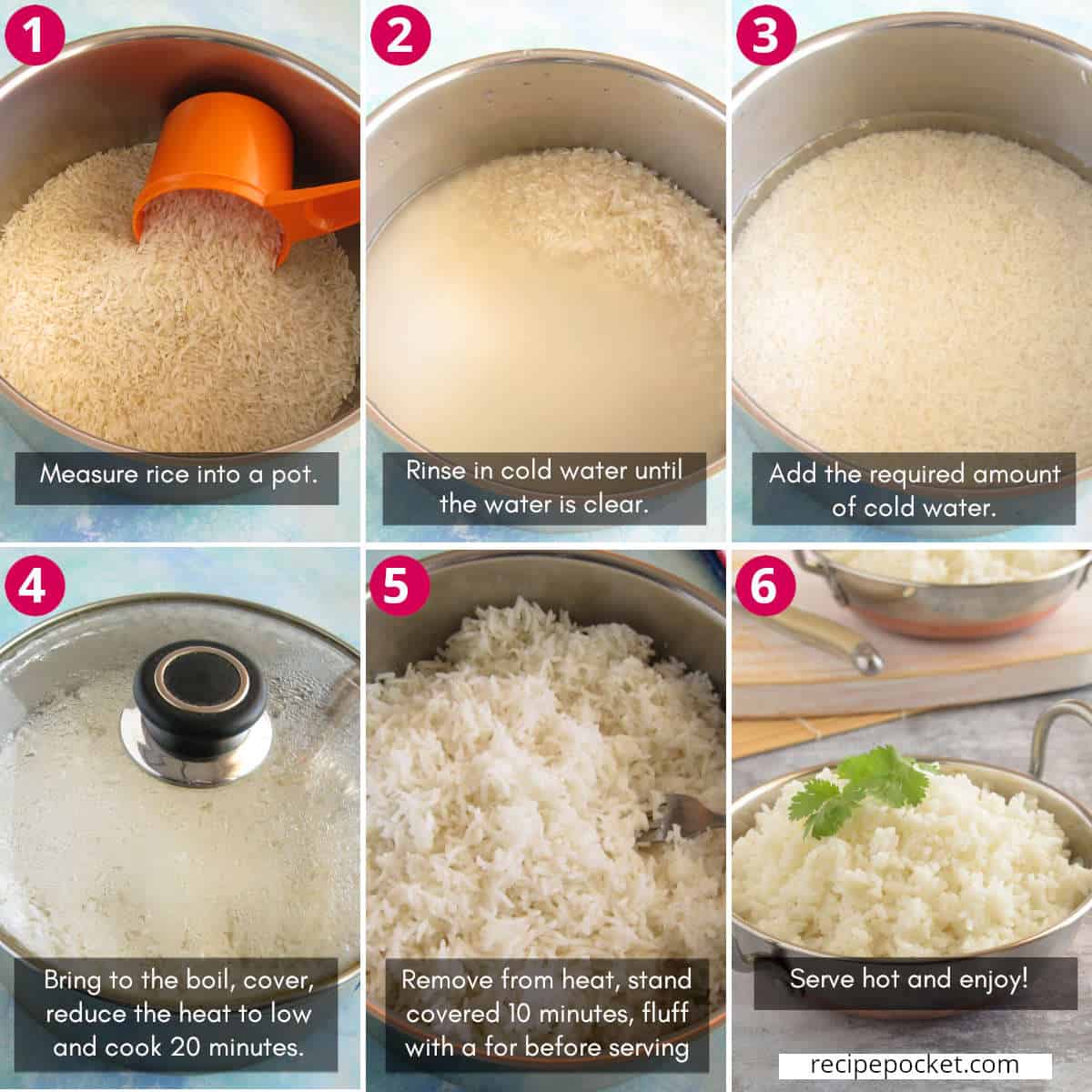
Start by measuring water and rice in the right ratio. Usually, use 1.5 cups water for 1 cup rice. Pour water into the saucepan and place it on high heat. Wait until the water boils vigorously. Boiling water is hot enough to cook rice evenly.
Simmering Process
After water boils, add rinsed rice carefully. Stir once to separate the grains. Lower the heat to a gentle simmer. Cover the saucepan with a tight lid. Let the rice cook without lifting the lid. Simmer for about 15 minutes until water is absorbed.
Resting Period
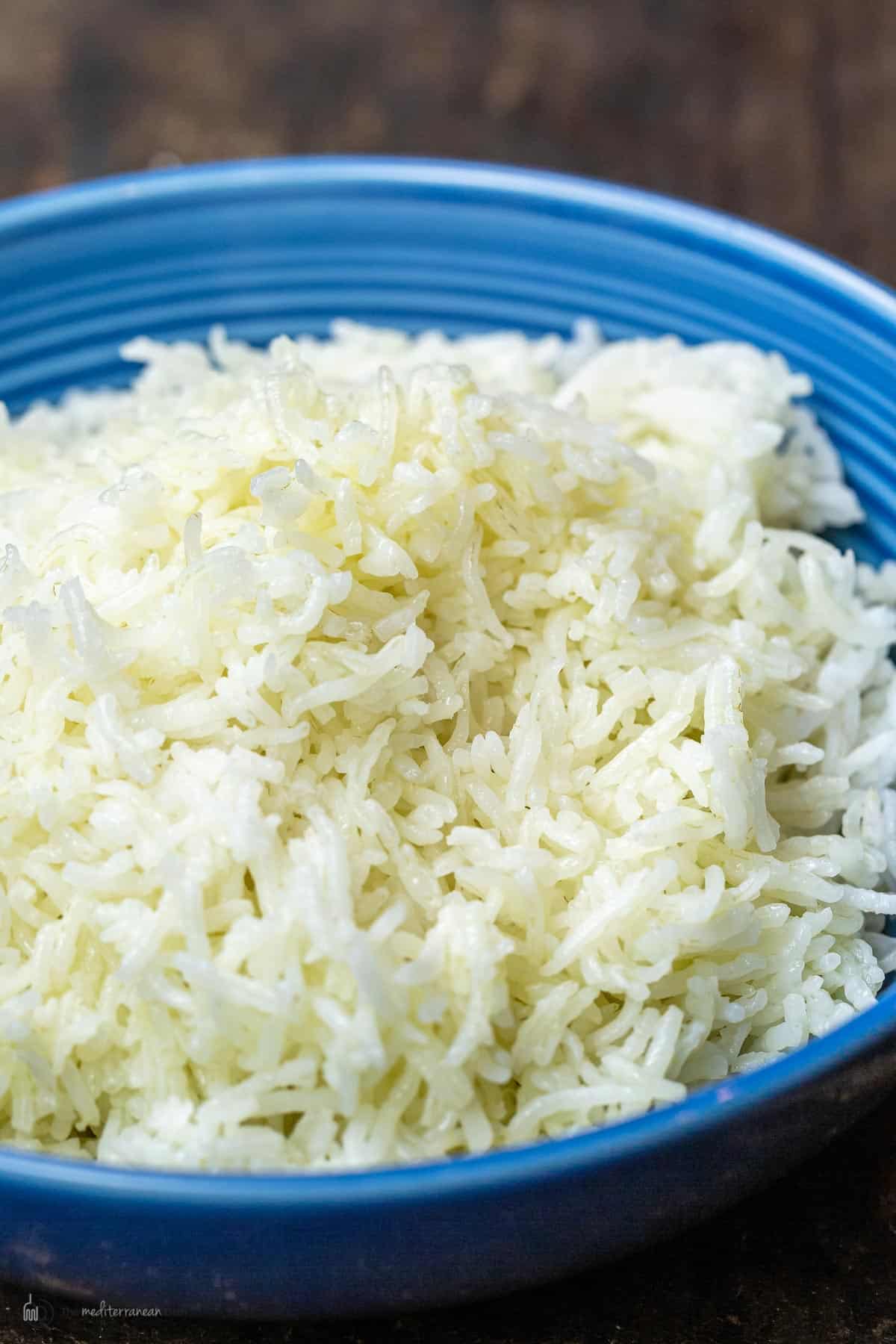
Turn off the heat but keep the lid on. Let the rice rest for 10 minutes. This step lets steam finish cooking the rice. Fluffy, soft grains form during this resting time. Afterward, fluff rice gently with a fork before serving.
Credit: www.themediterraneandish.com
Common Mistakes To Avoid
Cooking basmati rice in a saucepan might seem easy. Yet, small errors can spoil the texture and taste. Avoiding common mistakes helps you get fluffy and separate grains every time. Here are some key errors to watch out for.
Overcooking
Overcooking basmati rice makes it mushy and sticky. It loses its natural fluffy texture. Keep an eye on the cooking time. Usually, 15 to 20 minutes is enough. Turn off the heat once the water is absorbed.
Insufficient Water
Using too little water causes dry and undercooked rice. Basmati needs enough water to cook fully. The usual ratio is one cup of rice to one and a half cups of water. Measure carefully for best results.
Skipping Resting
Resting rice after cooking is very important. It allows steam to finish cooking the grains evenly. Skip this step, and rice stays hard in places. Let the rice sit covered for 5 to 10 minutes before serving.
Enhancing Flavor
Cooking basmati rice in a saucepan is simple. But adding flavor makes it special. Enhancing the taste brings a new level of enjoyment. Small changes create big differences in your rice dish.
Adding Spices
Spices give your rice a warm, rich taste. Try whole spices like cinnamon sticks, cardamom pods, or cloves. Add them to the saucepan before cooking. The heat releases their aroma and flavor. Ground spices like turmeric or cumin also work well. Use a small amount to avoid overpowering the rice. Spices make your basmati rice fragrant and tasty.
Using Broth Instead Of Water
Use broth instead of plain water to cook the rice. Chicken, vegetable, or beef broth adds depth to the flavor. The rice absorbs the savory taste while cooking. Make sure the broth is low-sodium to control salt levels. This simple swap turns plain rice into a flavorful side dish. It pairs well with many meals and boosts the overall taste.
Credit: recipepocket.com
Serving And Storing Tips
Serving and storing basmati rice properly keeps its texture and flavor fresh. Knowing the right steps helps you enjoy your rice every time. Here are simple tips to serve and store your basmati rice after cooking.
Fluffing The Rice
Fluff the rice gently with a fork before serving. This separates the grains and stops clumping. Avoid stirring with a spoon to keep the rice light. Fluffing also releases steam, which cools the rice slightly. Serve the rice warm for the best taste and texture.
Storage Guidelines
Cool the rice quickly after cooking to prevent bacteria growth. Place it in an airtight container before refrigerating. Store the rice in the fridge for up to four days. Reheat only the portion you need to avoid drying out the rice. For longer storage, freeze rice in small portions. Thaw in the fridge or microwave before serving.
Frequently Asked Questions
How Much Water Is Needed To Cook Basmati Rice?
Use 1. 5 to 2 cups of water per cup of basmati rice. Adjust water slightly for softer or firmer rice.
Should I Rinse Basmati Rice Before Cooking?
Yes, rinse basmati rice under cold water until water runs clear. This removes excess starch and prevents stickiness.
How Long Does Basmati Rice Take To Cook In A Saucepan?
Basmati rice usually cooks in 15 to 20 minutes on low heat. Let it rest for 5 minutes after cooking.
Can I Add Salt Or Spices While Cooking Basmati Rice?
Yes, add salt, bay leaves, or whole spices while cooking. This enhances the flavor of the rice.
Conclusion
Cooking basmati rice in a saucepan is simple and quick. Rinse the rice well to remove extra starch. Use the right water-to-rice ratio for fluffy grains. Cook on low heat and avoid lifting the lid often. Let the rice rest after cooking to absorb steam.
Follow these easy steps to enjoy perfect basmati rice every time. Serve it with your favorite dishes and enjoy a tasty meal. Keep practicing, and cooking rice will become second nature.

Hello, This is Annie Walker, a 38-year-old blogger, founder, and editor of Cookware Guider from NY, USA. I am a cookware fanatic and passionate cooker. I love to cook with different types of cooking appliances (example: all types of cookware, rice cookers, slow cookers, etc) almost every day in my kitchen. I love to share my experience with my readers in my blog. Also, I enjoy helping people to solve their problems through my website. You can follow me on Twitter & Pinterest. To know details about my blog please check the about us page.