
Cooking lamb chops in a pan is one of those kitchen skills that transforms a simple meal into something special. The sizzle of the meat, the aroma of herbs, and the golden crust that forms on each chop make pan-fried lamb a favorite for many.
Yet, many home cooks worry about overcooking, underseasoning, or ending up with a chewy texture. If you want to master this dish, you’re in the right place. Here, you’ll learn how to pan fry lamb chops for perfect results every time—even if you’re a beginner or you’ve struggled with lamb before.
Choosing The Right Lamb Chops
The foundation of a great dish starts with the right cut. Lamb chops come in several types, and each offers a different experience when pan-fried.
Types Of Lamb Chops
There are three main cuts you’ll see in stores:
- Rib chops: Recognized by their “handle” bone and tender texture. They cook quickly and are ideal for pan frying.
- Loin chops: Shaped like small T-bones, offering both tenderloin and strip portions. Juicy and flavorful.
- Shoulder chops: Less expensive, a bit tougher, but full of flavor. They need a slightly longer cook and benefit from marinating.
Here’s a quick comparison to help you choose:
| Type | Texture | Flavor | Best Use |
|---|---|---|---|
| Rib Chop | Very tender | Mild, delicate | Quick pan-fry |
| Loin Chop | Tender, juicy | Rich, meaty | Pan-fry or grill |
| Shoulder Chop | Chewier | Strong, robust | Marinate, slower cook |
Insight for beginners: Many people think only rib chops are good for pan frying, but loin chops can be just as delicious if cooked with care. Shoulder chops are often overlooked—they’re great if you use a marinade and cook them a bit longer.
What To Look For When Buying
- Color: Choose lamb with a light pink to red color. Too dark can mean older meat, which is tougher.
- Fat: Look for creamy white fat. Yellow fat is a sign of older lamb.
- Marbling: Fine streaks of fat in the meat (marbling) add flavor and juiciness.
Ask your butcher for chops around 1 inch thick for even cooking. Too thin and they can dry out; too thick and they may not cook through on the stove.
Ingredients And Tools You’ll Need
Before you start, gather everything you need for smooth cooking.
Basic Ingredients
- 4 lamb chops (rib or loin, about 1 inch thick)
- 2 tablespoons olive oil (or vegetable oil)
- 1 teaspoon kosher salt
- 1/2 teaspoon freshly ground black pepper
Flavor Boosters (optional But Recommended)
- 2 garlic cloves, smashed
- 2–3 fresh rosemary sprigs (or 1 teaspoon dried)
- 1–2 thyme sprigs
- Zest of 1 lemon
For Serving
- Lemon wedges
- Fresh herbs like parsley or mint
Tools
- Heavy skillet (cast iron or stainless steel works best)
- Tongs
- Instant-read thermometer (for perfect doneness)
- Small bowl for seasoning mix
- Paper towels
Expert tip: Cast iron pans hold heat well, giving your lamb a better sear and crust. Nonstick pans can work, but won’t give quite the same result.
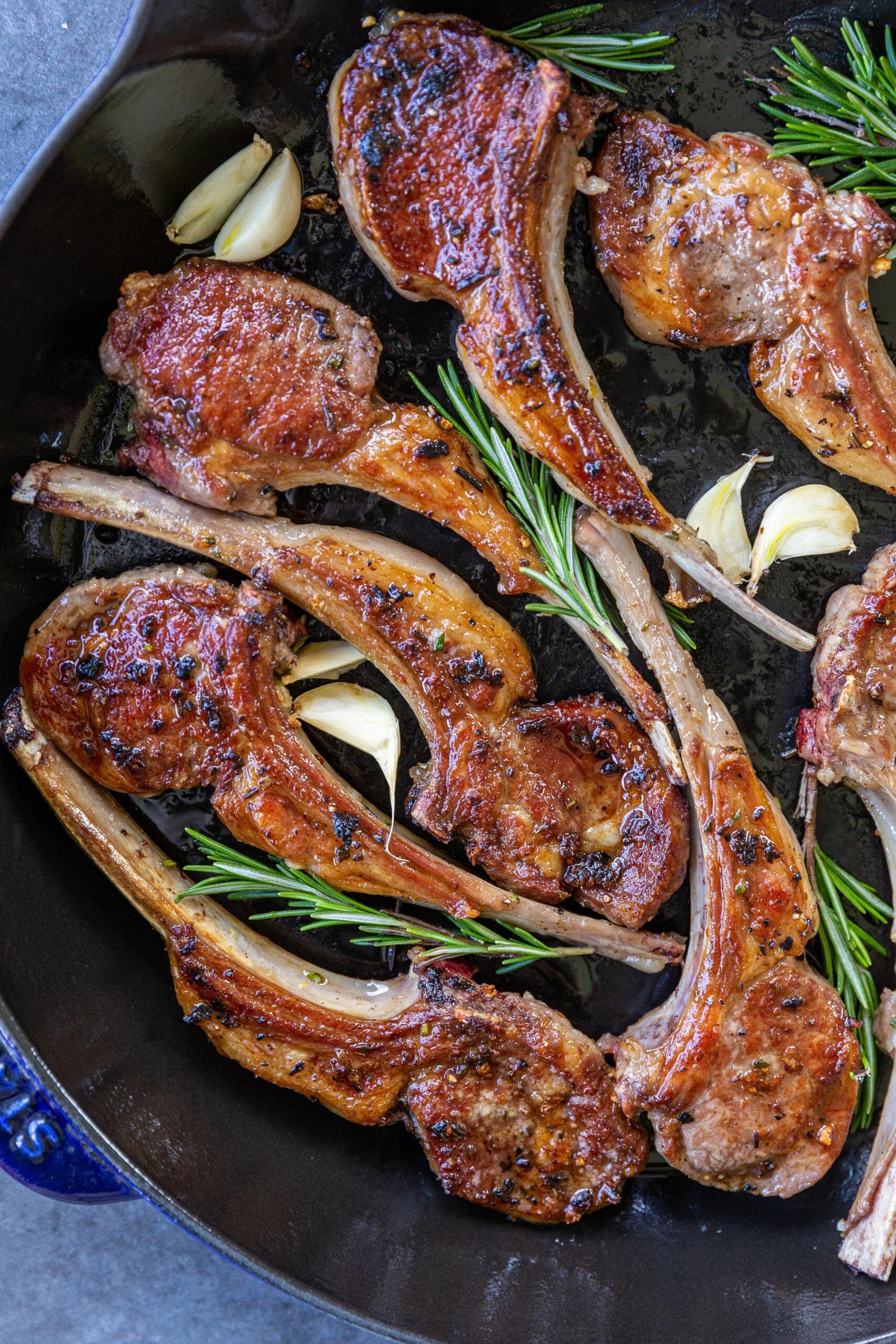
Credit: momsdish.com
Preparing Lamb Chops For Pan Frying
How you prepare your lamb before it hits the pan is key to flavor and tenderness.
Step 1: Bring To Room Temperature
Remove lamb chops from the fridge 30–45 minutes before cooking. Cold meat cooks unevenly and may become tough.
Step 2: Pat Dry
Use paper towels to dry the surface. Removing moisture helps the chops brown, not steam.
Step 3: Season Generously
Rub both sides with salt and pepper. Don’t be shy—lamb loves bold seasoning. Add minced garlic and herbs if you like.
Step 4: Optional Marinade
For shoulder chops or if you have time, marinate the lamb for 1–2 hours in olive oil, garlic, herbs, and lemon zest. This boosts flavor and tenderness, especially for tougher cuts.
Beginner’s mistake: Skipping the drying step. Wet chops won’t brown properly, and that crust is what makes pan-fried lamb delicious.
Pan Frying: Step-by-step Instructions
Cooking lamb chops is fast, but timing and technique matter. Here’s how to do it right.
Step 1: Heat The Pan
Place your skillet over medium-high heat. Add oil and let it get hot—almost shimmering, but not smoking.
Step 2: Sear The Lamb
Add the lamb chops in a single layer. Don’t crowd the pan; if needed, cook in batches.
- Sear untouched for 2–4 minutes. You’ll see the edges turning golden brown.
Step 3: Flip And Sear The Other Side
Use tongs to flip each chop. Sear for another 2–4 minutes. For extra flavor, add garlic and rosemary to the pan now. Spoon some hot oil over the top of the chops (this is called “basting”).
Step 4: Check Doneness
The best way to know if your lamb is cooked right is with a thermometer.
- Rare: 120–125°F (49–52°C)
- Medium-rare: 130–135°F (54–57°C)
- Medium: 140–145°F (60–63°C)
- Well-done: 150–155°F (65–68°C)
Remove lamb 5°F before your target (it keeps cooking as it rests).
Step 5: Rest The Lamb
Transfer the chops to a plate and cover loosely with foil. Let them rest 5–10 minutes so juices redistribute.
Step 6: Serve
Sprinkle with lemon juice and fresh herbs. Serve hot.
Cooking Times For Different Thicknesses
Lamb chops cook quickly, but thickness matters. Here’s a helpful guide:
| Thickness | Cook Time (per side) | Doneness |
|---|---|---|
| 3/4 inch | 2–3 min | Medium-rare |
| 1 inch | 3–4 min | Medium-rare to medium |
| 1 1/2 inch | 4–5 min | Medium |
Non-obvious tip: Bone-in chops cook a bit slower than boneless ones. Always check the thickest part with your thermometer.
Flavor Variations And Seasoning Ideas
Pan-fried lamb is a blank canvas for flavors. Try these seasoning options for variety:
- Mediterranean: Garlic, rosemary, thyme, and lemon zest.
- Moroccan: Ground cumin, coriander, cinnamon, and paprika.
- Indian: Garam masala, ground cumin, and a little yogurt marinade.
- Herb-crusted: Finely chopped mint, parsley, and oregano with olive oil.
Mix your seasoning blend with oil and rub onto the meat before cooking.
Beginner’s insight: Many people are afraid to use strong spices on lamb. Lamb can handle bold flavors—don’t hold back.
Common Mistakes And How To Avoid Them
Even experienced cooks can make errors. Here are mistakes to watch out for:
- Overcooking: Use a thermometer to avoid dry, tough meat.
- Crowding the pan: Too many chops lower the pan’s temperature, leading to steaming instead of searing.
- Skipping rest time: Cutting into lamb too soon causes juices to run out.
- Not enough seasoning: Lamb tastes best with a generous hand.
- Not drying the meat: Moisture prevents browning.
If your chops are thicker than 1. 5 inches, sear both sides, then finish in a 350°F oven for 5–10 minutes.
Serving Suggestions
Lamb chops pair well with many sides. Here are some easy options:
- Roasted vegetables: Carrots, potatoes, or Brussels sprouts
- Salads: Greek salad or simple arugula with lemon
- Grains: Couscous, rice pilaf, or quinoa
- Sauces: Mint sauce, chimichurri, or tzatziki
Pro tip: Serve lamb on a warm plate to keep it juicy longer.
Nutritional Benefits Of Lamb
Lamb is not only tasty but also nutritious:
- Protein: High-quality protein helps build and repair muscles.
- Iron: Important for energy and preventing anemia.
- B vitamins: Especially B12, which supports brain and nerve health.
- Zinc: Boosts immunity.
A 3-ounce cooked lamb chop has about 25 grams of protein and 200 calories.
Here’s a nutritional breakdown:
| Nutrient | Per 3 oz Cooked | % Daily Value |
|---|---|---|
| Protein | 25g | 50% |
| Iron | 2.2mg | 12% |
| B12 | 2.3mcg | 96% |
| Zinc | 5mg | 45% |
| Calories | 200 | – |
Non-obvious insight: Lamb fat contains more omega-3 fatty acids than most red meats, especially if the lamb is grass-fed.
Storing And Reheating Leftover Lamb Chops
If you have leftovers, proper storage keeps lamb tasty and safe.
- Refrigerate: Store in an airtight container within 2 hours of cooking. Eat within 3 days.
- Freeze: Wrap tightly and freeze up to 2 months.
- Reheat: Warm gently in a pan over low heat or in a 300°F oven. Avoid microwaving, which can make lamb tough.
Beginner’s tip: Slice leftovers thin and use in salads or wraps for a tasty lunch.
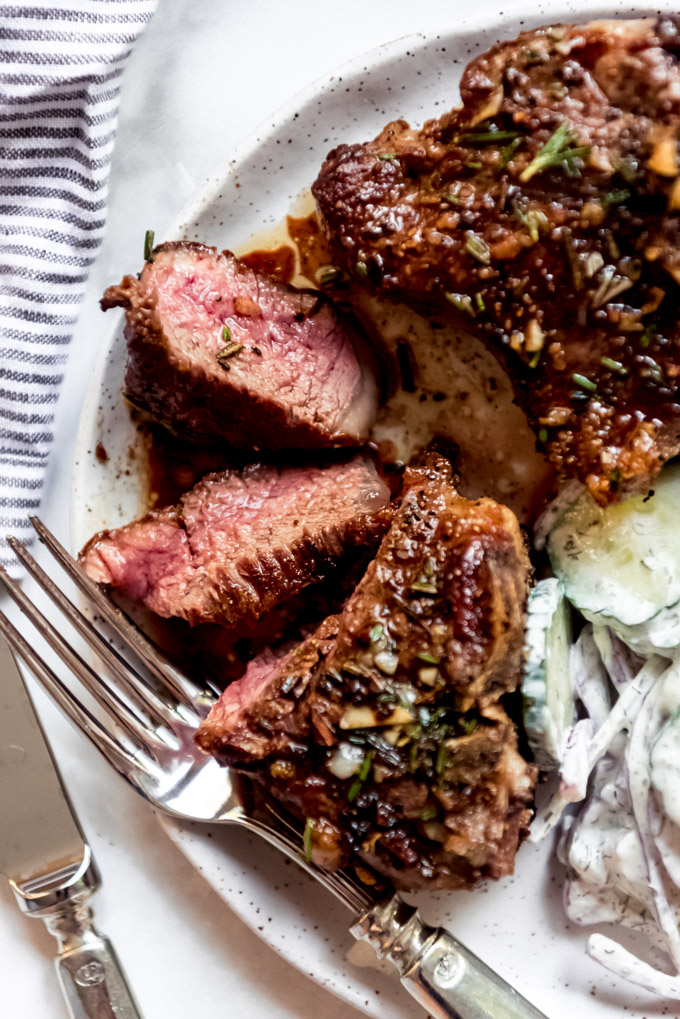
Credit: gimmedelicious.com
Troubleshooting: If Something Goes Wrong
Everyone has kitchen mishaps. Here’s how to fix common problems:
- Too rare: Put back in the pan for 1–2 minutes, flipping halfway.
- Too tough: Slice thinly against the grain and serve with a sauce.
- Not browned: Make sure the pan is hot and the meat is dry before cooking.
Expert advice: If you accidentally overcook, drizzle with a little olive oil or a squeeze of lemon to add moisture.
Advanced Tips For Perfect Lamb Chops
If you want to take your lamb chops to the next level, try these advanced tips:
- Butter basting: Add a tablespoon of butter and herbs to the pan for the last minute. Spoon melted butter over the chops.
- Reverse sear: For thick chops, cook in the oven at low heat (250°F) until almost done, then sear in a hot pan for a crisp crust.
- Flavor infusion: Infuse your oil with garlic and herbs before adding the meat for deeper flavor.
Non-obvious trick: Letting seasoned lamb rest for 10–15 minutes before cooking helps the salt penetrate, making the meat more flavorful.
When To Choose Pan Frying Over Other Methods
Pan frying is perfect when you want a quick meal with a crisp crust. It’s best for:
- Small quantities: 1–6 chops
- Thin to medium-thick cuts: Up to 1.5 inches
- Quick cooking: Less than 20 minutes
Other methods like grilling or oven roasting work for larger batches or thicker cuts, but pan frying gives you the most control over doneness and browning.
Beginner’s insight: Many people think lamb is only for special occasions. Pan frying makes it easy for any weeknight.
Recipe: Classic Pan Fried Lamb Chops
Here’s a step-by-step recipe to tie everything together:
Ingredients:
- 4 lamb chops (rib or loin, 1 inch thick)
- 2 tablespoons olive oil
- 1 teaspoon kosher salt
- 1/2 teaspoon black pepper
- 2 garlic cloves, smashed
- 2 rosemary sprigs
- Lemon wedges
Instructions:
- Bring lamb chops to room temperature for 30 minutes.
- Pat dry with paper towels. Season with salt and pepper.
- Heat oil in a heavy skillet over medium-high heat.
- Add lamb chops (don’t crowd). Sear 3–4 minutes without moving.
- Flip, add garlic and rosemary, and sear another 3–4 minutes.
- Baste with pan juices for extra flavor.
- Check doneness with a thermometer (130°F for medium-rare).
- Rest chops on a plate, loosely covered, for 5–10 minutes.
- Serve with lemon wedges and fresh herbs.
Prep Time: 10 Minutes
Cook Time: 8 Minutes
Rest Time: 5–10 Minutes
Serves: 2–4 People
Pro tip: For a Mediterranean twist, add lemon zest and a pinch of dried oregano to the seasoning.
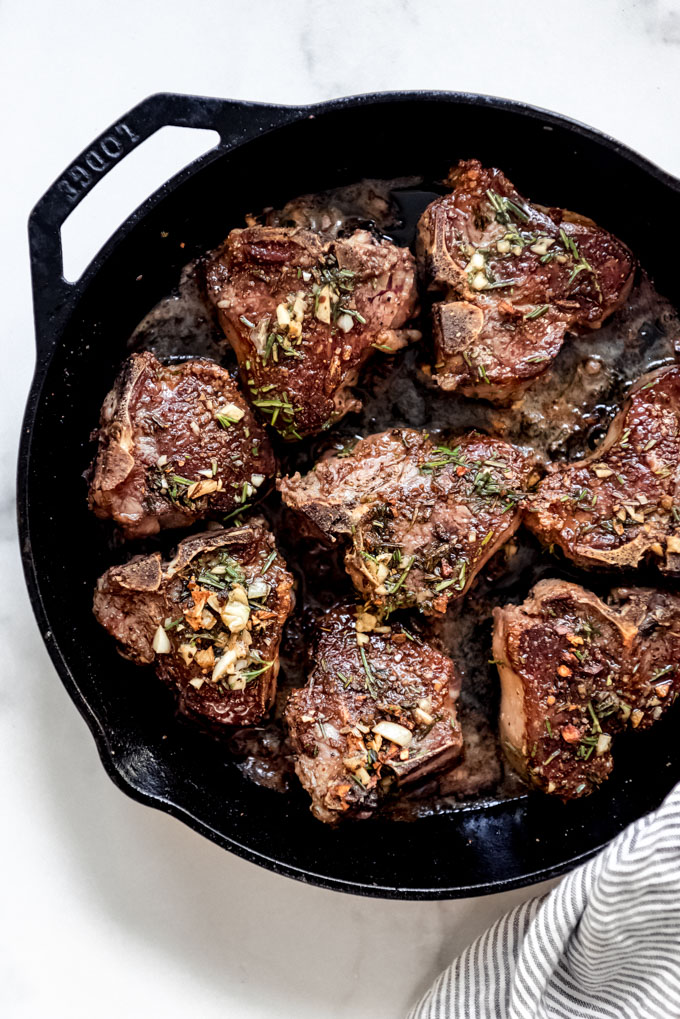
Credit: gimmedelicious.com
Frequently Asked Questions
What Is The Best Cut For Pan-fried Lamb Chops?
The rib chop is the most popular for pan frying because it’s very tender and cooks quickly. Loin chops are also great and a bit more affordable. Shoulder chops can work if marinated and cooked a little longer.
How Do I Know When Lamb Chops Are Done Without A Thermometer?
You can use the finger test: press the center of the chop with your finger or tongs. Rare will feel soft, medium will have some bounce, and well-done will feel firm. However, a thermometer gives the most reliable results.
Can I Pan Fry Frozen Lamb Chops?
It’s best to thaw lamb chops before cooking for even results. If cooking from frozen, add a few minutes per side and finish in the oven, but the crust may not develop as well. Always check that the internal temperature reaches at least 130°F for safety.
What Oil Should I Use For Pan Frying Lamb?
Olive oil is a classic choice, but any oil with a high smoke point—like canola or vegetable oil—works well. For extra flavor, add a tablespoon of butter near the end of cooking.
How Do I Keep Lamb Chops From Drying Out?
Don’t overcook. Use a thermometer and take the lamb off the heat a few degrees before your target temperature. Resting the meat is also key—this keeps juices inside.
Cooking lamb chops in a pan is simple, quick, and delivers restaurant-quality results at home. With the right cut, seasoning, and technique, you’ll serve juicy, flavorful lamb every time. For more tips on lamb and cooking methods, visit the Wikipedia Lamb and Mutton page. Now, grab your skillet and enjoy the art of pan frying lamb chops—your next meal will impress even the toughest critics.

Hello, This is Annie Walker, a 38-year-old blogger, founder, and editor of Cookware Guider from NY, USA. I am a cookware fanatic and passionate cooker. I love to cook with different types of cooking appliances (example: all types of cookware, rice cookers, slow cookers, etc) almost every day in my kitchen. I love to share my experience with my readers in my blog. Also, I enjoy helping people to solve their problems through my website. You can follow me on Twitter & Pinterest. To know details about my blog please check the about us page.