
Cooking rice on the stove top is a simple skill, but many people struggle to get perfect, fluffy grains every time. Maybe your rice turns out sticky, undercooked, or burnt at the bottom. The good news? With a few clear steps and some practical tips, you can make excellent rice with just a pot, water, and heat.
Whether you enjoy jasmine, basmati, long grain, or short grain, mastering this process will help with countless meals, from stir-fries to curries. Let’s look at how to cook rice on the stove top, why water ratios matter, and which mistakes to avoid.
Why Cooking Rice On The Stove Still Matters
Some people wonder why you’d cook rice on the stove when rice cookers exist. The answer is simple: stove top rice gives you more control over texture and flavor. You can adjust the process for different rice types, add seasonings, or even toast the rice for a nuttier taste. In many kitchens worldwide, the stove remains the main way to prepare rice. Plus, you don’t need special equipment—just a pot, a lid, and a little attention.
Rice is a staple food for over half the world’s population. According to the Food and Agriculture Organization, over 500 million tons of rice are produced each year. That’s a lot of rice, and the vast majority is cooked on stoves, not in machines.
Types Of Rice And Their Differences
Not all rice is the same. The variety you choose affects taste, texture, and cooking technique. Here’s a quick overview of the most common types:
| Rice Type | Grain Length | Typical Texture | Main Uses |
|---|---|---|---|
| Long Grain (e.g., Basmati, Jasmine) | Long and slender | Fluffy, separate grains | Pilafs, stir-fries |
| Medium Grain (e.g., Arborio) | Shorter, fatter | Moist, slightly sticky | Risotto, paella |
| Short Grain (e.g., Sushi rice) | Plump, round | Sticky, clumps together | Sushi, rice balls |
| Brown Rice | Varies | Chewy, nutty | Salads, healthy bowls |
Important insight: Beginners often forget that different rice types need different water amounts and cooking times. Always check the packaging, but use these as starting points.
Essential Equipment For Cooking Rice
You don’t need much to cook great rice, but the right tools make a difference:
- Medium to large saucepan or pot: Nonstick is helpful but not required.
- Tight-fitting lid: Keeps in moisture for even cooking.
- Measuring cups: For rice and water. Consistency matters.
- Fine-mesh sieve: For rinsing rice.
- Fork: To fluff rice at the end.
Pro tip: Avoid pots with loose lids—steam will escape, leaving rice dry or undercooked.
Understanding Water-to-rice Ratios
One key to perfect rice is using the right amount of water. Too much, and your rice is mushy. Too little, and it’s hard or burns.
| Rice Type | Standard Ratio (Rice:Water) | Cook Time |
|---|---|---|
| White Long Grain | 1:2 | 15-18 min |
| White Short Grain | 1:1.25 | 15-20 min |
| Basmati | 1:1.5 | 12-15 min |
| Jasmine | 1:1.5 | 12-15 min |
| Brown Rice | 1:2.5 | 35-45 min |
Common beginner mistake: Not all cups are the same size! Always use the same cup for both rice and water.
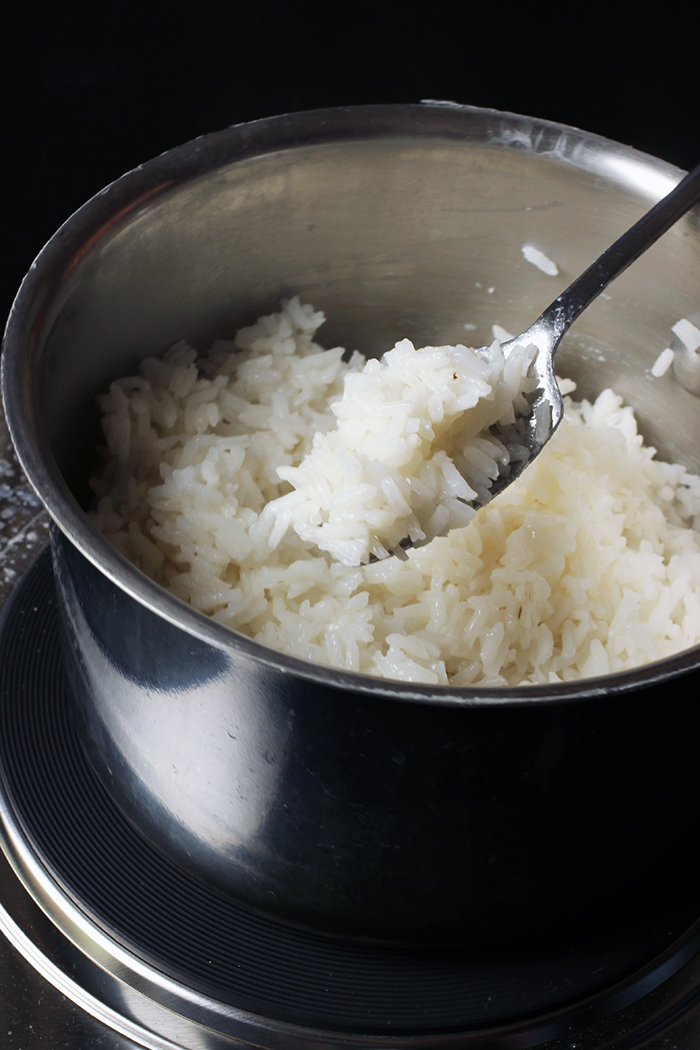
Credit: goodcheapeats.com
Step-by-step Guide: How To Cook Rice On Stove Top
Let’s walk through the basic method for cooking standard white rice. This process works for most long grain and jasmine rice, with minor tweaks for other varieties.
1. Measure Your Rice
Decide how much rice you need. One cup of uncooked rice makes about three cups cooked—enough for three average servings.
2. Rinse The Rice
Place the rice in a fine-mesh sieve and rinse under cold water. Gently stir with your hand until the water runs clear. Rinsing removes extra starch, which can make rice sticky.
Non-obvious insight: Skipping rinsing is a common mistake—especially with white rice. This often causes clumping.
3. Measure Water
Using the ratios above, measure water into your pot. Add a pinch of salt if desired.
4. Combine Rice And Water
Add the rinsed rice to the pot. Give it a quick stir, making sure all grains are covered by water.
5. Bring To A Boil
Place the pot on the stove over medium-high heat. Do not cover yet. Wait for the water to reach a rolling boil.
6. Reduce Heat And Cover
Once boiling, stir once, reduce heat to the lowest setting, and cover with a tight lid. If your stove runs hot, use the smallest burner.
7. Simmer Without Peeking
Set a timer based on the rice type. Resist the urge to lift the lid—steam is critical for even cooking.
8. Check And Rest
When the timer finishes, turn off the heat. Let the rice sit, covered, for 5-10 minutes. This resting period lets any extra moisture absorb.
9. Fluff And Serve
Open the lid and gently fluff the rice with a fork. This separates the grains and improves texture.
Extra tip: If the rice is still wet after cooking, leave the lid off for a few minutes to let steam escape.
Adjusting For Different Rice Types
Each rice variety has its quirks. Here’s how to adjust for the most popular types:
Basmati Rice
- Rinse and soak for 20-30 minutes before cooking for even fluffier grains.
- Use a 1: 1.5 rice-to-water ratio.
- Cook uncovered for the first 5 minutes, then cover.
Jasmine Rice
- Rinse well, but do not soak.
- Use a 1: 1.5 ratio.
- Cook as you would standard white rice.
Brown Rice
- Needs more water and time.
- Use a 1: 2.5 ratio.
- Simmer for 35-45 minutes.
- Let rest for 10 minutes after cooking.
Short Grain/sushi Rice
- Rinse thoroughly—up to 4 times.
- Use a 1: 1.25 ratio.
- After cooking, add a little vinegar for sushi.
Not obvious: Older rice may need a bit more water because it dries out during storage.
Troubleshooting Common Problems
Even experienced cooks sometimes get rice wrong. Here’s how to fix the most common issues:
Rice Is Sticky Or Mushy
- Too much water or overcooking.
- Try using less water next time or draining excess liquid if caught early.
Rice Is Undercooked Or Hard
- Not enough water or cooked too fast.
- Add a few tablespoons of water and steam on low for 5 more minutes.
Rice Burned On The Bottom
- Heat was too high or the pot was too thin.
- Use a heavier pot and the lowest possible heat.
Rice Is Clumpy
- Not rinsed enough or stirred too much after adding water.
- Rinse more thoroughly next time.
Flavor Variations And Add-ins
Plain rice is tasty, but you can easily add flavor:
- Broth instead of water: Use chicken, beef, or vegetable broth for a richer taste.
- Bay leaf or spices: Add a bay leaf, cardamom pod, or cinnamon stick while cooking.
- Butter or oil: Stir in a tablespoon before or after cooking for creaminess.
- Peas or corn: Add frozen vegetables during the last 5 minutes for color and nutrition.

Credit: www.recipetineats.com
How To Store And Reheat Leftover Rice
Rice is safe to keep for 3–4 days in the fridge. Always cool it quickly after cooking. Store in an airtight container. To reheat, sprinkle with a tablespoon of water and microwave covered, or steam in a pan.
Safety tip: Never leave cooked rice at room temperature for more than two hours. Rice can grow harmful bacteria if not stored quickly.
Rice Cooking Myths Debunked
Many home cooks hear advice that can actually ruin rice. Let’s clear up a few common myths:
- “You must always soak rice.” Not true for all types. Only basmati and some brown rice benefit from soaking.
- “Never lift the lid.” You should avoid it, but a quick peek at the end is fine if you suspect a problem.
- “Rice should be stirred while cooking.” Don’t do this—stirring breaks grains and releases starch, making rice sticky.
Comparing Stove Top Rice To Other Methods
How does the stove compare to rice cookers, microwaves, or instant rice?
| Method | Texture Control | Active Time | Equipment Needed | Result Consistency |
|---|---|---|---|---|
| Stove Top | High | Medium | Pot, lid | Varies with skill |
| Rice Cooker | Medium | Low | Rice cooker | Very consistent |
| Microwave | Low | Low | Microwave-safe dish | Inconsistent |
| Instant Rice | Low | Very low | Pot, water | Always soft |
Stove top rice gives the best balance of taste, texture, and flexibility, especially for meals where rice is the star.
Advanced Tips For Perfect Rice Every Time
Want to level up your rice? Try these ideas:
- Toasting rice: Heat dry rice in the pot with a little oil before adding water. This gives a nutty flavor.
- Resting longer: For extra-fluffy rice, let it sit covered for up to 15 minutes after cooking.
- Use a clean towel: Place a folded kitchen towel under the lid while the rice rests (make sure it doesn’t touch the burner). This absorbs extra moisture and makes grains fluffier.

Credit: www.recipetineats.com
Cooking Rice For A Crowd
For larger groups, scale up the recipe but keep the ratio the same. Use a bigger pot so rice cooks evenly. If making more than 4 cups of rice, check for even moisture by fluffing gently halfway through resting.
Expert advice: For parties, cook rice in batches. Too much rice in one pot can lead to uneven results.
Rice As A Global Staple
Rice is more than just a side dish—it’s the heart of many cuisines. In Japan, short grain rice is used for sushi and onigiri. In India, basmati rice forms the base of biryanis and pilafs. In Latin America, long grain rice is paired with beans, meats, and vegetables.
Understanding how to cook rice well opens up a world of recipes, from Thai fried rice to Middle Eastern pilaf. According to the International Rice Research Institute, people eat an average of 56 kilograms of rice per person per year in many Asian countries.
Frequently Asked Questions
How Do I Keep Rice From Boiling Over?
Rice boils over when starch foams up. Use a large enough pot, don’t overfill, and keep heat low once covered. Adding a few drops of oil can help reduce foaming.
Can I Freeze Cooked Rice?
Yes! Spread cooled rice on a baking sheet, freeze, then transfer to a bag. Reheat in the microwave with a splash of water or steam on the stove.
How Do I Add Flavor To Plain Rice?
Cook rice in broth instead of water, or add spices, herbs, or a knob of butter before serving. Toasting the rice before adding water also adds flavor.
Is It Okay To Cook Rice Without Rinsing?
Rinsing is best for most types, especially long and medium grain, to remove extra starch. Some fortified rice (in the US) shouldn’t be rinsed—check the package instructions.
What’s The Healthiest Rice To Cook On The Stove?
Brown rice has more fiber and nutrients than white rice, but takes longer to cook. Wild rice and black rice also offer unique flavors and health benefits.
Cooking perfect rice on the stove top may take a few tries, but with the right method, anyone can succeed. The real secret is practice—after a few batches, you’ll find the exact timing and ratio that works for your kitchen. For more on rice varieties and their histories, visit the Wikipedia page on rice.
With these tips, your next pot of rice will be fluffy, delicious, and just the way you like it.

Hello, This is Annie Walker, a 38-year-old blogger, founder, and editor of Cookware Guider from NY, USA. I am a cookware fanatic and passionate cooker. I love to cook with different types of cooking appliances (example: all types of cookware, rice cookers, slow cookers, etc) almost every day in my kitchen. I love to share my experience with my readers in my blog. Also, I enjoy helping people to solve their problems through my website. You can follow me on Twitter & Pinterest. To know details about my blog please check the about us page.