
Cooking rice on the stove top is a skill everyone can master, but many people find it tricky. Perfect rice is fluffy, not sticky or mushy, and each grain stands on its own. If you’ve ever ended up with burnt, wet, or undercooked rice, you’re not alone.
In this guide, you’ll learn how to cook rice on the stove top with confidence, using simple steps and clear explanations. We’ll cover the most common types of rice, the best ratios, how to avoid mistakes, and a few expert tips that most beginners miss.
You’ll also find answers to popular questions, so by the end, you’ll have everything you need to make rice like a pro, every time.
Understanding Rice Types
Before you start, it’s important to know that not all rice is the same. The method you use can change based on the type of rice you choose. Here’s a look at the most common varieties:
White Rice
This is the most popular type, found in kitchens worldwide. It includes long-grain, medium-grain, and short-grain varieties. Long-grain white rice, like Basmati and Jasmine, tends to be fluffy and separate. Short-grain rice, often used in sushi, is more sticky.
Brown Rice
Brown rice keeps its outer layer, called the bran. This makes it healthier, with more fiber and nutrients, but it also takes longer to cook and needs more water.
Specialty Rices
There are many other types, such as wild rice (which is not a true rice), arborio (used for risotto), black rice, and red rice. Each has its own texture and flavor.
Here’s a simple comparison of the most common rice types:
| Type | Texture | Typical Use | Water Ratio | Cooking Time |
|---|---|---|---|---|
| Long-Grain White | Fluffy, separate | Side dishes, pilaf | 1:2 (rice:water) | 15-18 min |
| Short-Grain White | Sticky, moist | Sushi, pudding | 1:1.25 (rice:water) | 15-20 min |
| Basmati/Jasmine | Light, fragrant | Curry, stir-fry | 1:1.5 (rice:water) | 12-15 min |
| Brown Rice | Chewy, nutty | Salads, bowls | 1:2.5 (rice:water) | 35-45 min |
Non-obvious insight: Many people think all rice cooks the same way, but water ratio and timing are different for each type. Using the wrong ratio is a common cause of soggy or undercooked rice.
Essential Equipment And Ingredients
To cook rice on the stove top, you don’t need fancy tools, but a few basics matter:
- Pot with a tight-fitting lid: This keeps steam in, which is key for even cooking.
- Measuring cups: For accurate rice and water ratios.
- Strainer: For rinsing rice.
- Fork or rice paddle: For fluffing the rice without breaking grains.
You’ll also need:
- Rice: Any type you like.
- Water: Clean, fresh.
- Salt (optional): For flavor.
- Oil or butter (optional): A teaspoon can prevent sticking and add taste.
Practical tip: Avoid pots that are too wide, as rice can cook unevenly. A medium saucepan is usually perfect for 1-2 cups of rice.
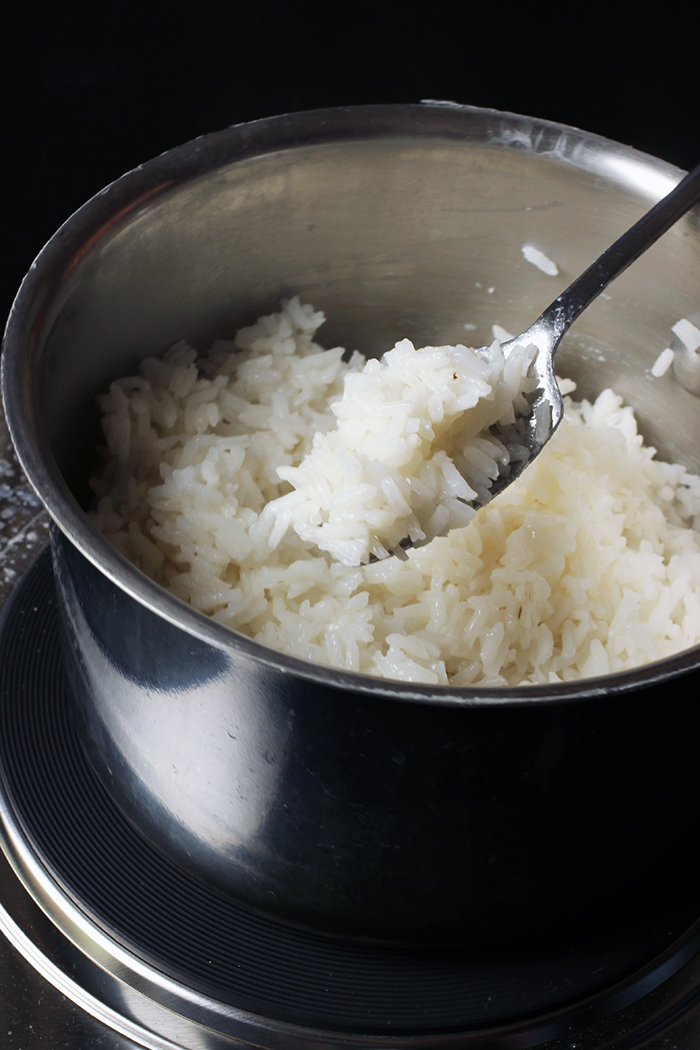
Credit: goodcheapeats.com
Step-by-step Guide: How To Cook Rice On The Stove Top
Let’s walk through the classic method for cooking rice. We’ll use long-grain white rice as the example, and then explain adjustments for other types.
1. Measure Rice And Water
The standard ratio for long-grain white rice is 1 part rice to 2 parts water. For example, 1 cup of rice needs 2 cups of water. This makes about 3 cups of cooked rice, enough for 3-4 servings.
Tip: If you want firmer rice, use a little less water (1.75 cups per cup of rice). For softer rice, add a bit more.
2. Rinse The Rice
Place the rice in a fine-mesh strainer. Rinse under cool running water, gently swirling with your hand, until the water runs clear. This removes extra starch, which prevents the rice from becoming gummy.
Non-obvious insight: Skipping the rinse step is a common mistake. Extra starch can make your rice stick together.
3. Combine Ingredients In The Pot
Add the rinsed rice and measured water to your pot. Add a pinch of salt for flavor, and a teaspoon of oil or butter if you like.
4. Bring To A Boil
Place the pot over medium-high heat and bring to a boil. You’ll see bubbles forming on the surface. Do not cover the pot yet.
5. Cover And Simmer
Once boiling, give the rice a quick stir to prevent sticking. Lower the heat to the smallest simmer (low heat) and cover the pot tightly with the lid.
Important: Do not lift the lid while the rice is cooking. The steam is what cooks the rice evenly.
6. Cook Without Disturbing
Set a timer for 15 minutes (for long-grain white rice). Do not stir or peek. If you do, steam escapes and the rice can cook unevenly.
7. Turn Off The Heat And Steam
After the timer goes off, turn off the heat. Leave the lid on and let the rice sit (steam) for another 5-10 minutes. This step allows the moisture to redistribute, making the rice fluffy.
8. Fluff And Serve
Remove the lid and gently fluff the rice with a fork or rice paddle. This separates the grains and releases extra steam.
Now Your Rice Is Ready To Serve!
How To Adjust For Different Rice Types
Here’s how to tweak the method for other common rice types:
Brown Rice
- Use 1 part rice to 2.5 parts water.
- Cooking time: 35-45 minutes.
- Let steam for 10 minutes after cooking.
Basmati Or Jasmine Rice
- Use 1 part rice to 1.5 parts water.
- Cooking time: 12-15 minutes.
- Rinse well before cooking to remove excess starch.
Short-grain Rice
- Use 1 part rice to 1.25 parts water.
- Cooking time: 15-20 minutes.
- Rinse until water runs clear.
Wild Rice
- Use 1 part rice to 3 parts water.
- Cooking time: 40-50 minutes.
- Drain off extra water if needed.
Here’s a quick reference for rice types and their ideal water ratios and cook times:
| Rice Type | Water Ratio | Cook Time | Special Notes |
|---|---|---|---|
| White, Long-Grain | 1:2 | 15-18 min | Steam 5-10 min |
| White, Short-Grain | 1:1.25 | 15-20 min | Best for sushi |
| Basmati | 1:1.5 | 12-15 min | Rinse well |
| Brown Rice | 1:2.5 | 35-45 min | Steam 10 min |
| Wild Rice | 1:3 | 40-50 min | Drain excess water |
Common Problems And How To Fix Them
Even experienced cooks sometimes end up with imperfect rice. Here are the most common problems and what to do:
Rice Is Too Mushy Or Wet
- Possible cause: Too much water or overcooking.
- Fix: Spread the rice on a baking sheet and let it dry for a few minutes. Next time, reduce the water slightly.
Rice Is Hard Or Undercooked
- Possible cause: Not enough water or heat was too high.
- Fix: Add a few tablespoons of water, cover, and steam on low heat for 5 minutes.
Rice Is Burnt On The Bottom
- Possible cause: Heat was too high or pan was too thin.
- Fix: Use a heavier pot and always cook on low heat. If rice burns, don’t scrape the bottom—just save the good rice on top.
Rice Is Clumped Or Sticky
- Possible cause: Not rinsing rice or using the wrong type for the dish.
- Fix: Rinse rice before cooking. For fluffy rice, use long-grain types.
Expert tip: If you live at a high altitude, water boils at a lower temperature. Add a few extra tablespoons of water and increase cook time by 5 minutes.
Cooking Rice With Flavor
Plain rice is good, but you can add a lot of taste with small changes. Here are some ideas:
- Sauté rice in oil or butter for 2 minutes before adding water. This gives a nutty flavor and helps keep grains separate.
- Cook rice in broth instead of water for a richer taste.
- Add spices like bay leaf, cinnamon stick, or cardamom pod to the pot.
- Stir in herbs, peas, or chopped vegetables after cooking for color and nutrition.
Non-obvious insight: Adding flavor to the cooking water is more effective than adding ingredients after the rice is cooked.
How Much Rice Per Person?
This is a common question. As a rule, 1 cup of uncooked rice makes about 3 cups cooked. This is enough for 3-4 people as a side dish.
If you’re serving rice as the main part of a meal (like fried rice or a rice bowl), plan for 1/2 cup uncooked rice per person.
Here’s a quick guide:
| Uncooked Rice | Servings as Side | Servings as Main |
|---|---|---|
| 1 cup | 3-4 | 2 |
| 2 cups | 6-8 | 4 |
| 3 cups | 9-12 | 6 |
Practical tip: If you have leftover rice, it keeps well in the fridge for up to 5 days. It’s perfect for fried rice or adding to soups.
Rice Cooking Myths And Truths
People often hear advice about rice that isn’t always true. Let’s clear up a few myths:
- Myth: You must stir rice while cooking.
- Truth: Stirring releases starch and makes rice sticky. Only stir at the start, then leave it alone.
- Myth: You need a rice cooker for perfect rice.
- Truth: A simple pot works just as well if you follow the right steps.
- Myth: Lifting the lid is harmless.
- Truth: Opening the lid lets out steam and stops rice from cooking evenly.
- Myth: All rice needs the same amount of water.
- Truth: Each type is different. Check the package or use the guides above.
- Myth: Salt is necessary for rice.
- Truth: Salt adds flavor, but it’s not required for cooking.
Understanding these points helps you avoid common beginner mistakes.

Credit: www.recipetineats.com
Storing And Reheating Rice Safely
Leftover rice is useful, but it must be stored properly. Cooked rice can grow bacteria if left at room temperature for too long.
How to store:
- Cool rice quickly after cooking. Spread on a tray or place in a shallow container.
- Store in an airtight container in the fridge for up to 5 days.
How to reheat:
- Add a splash of water and cover with a damp paper towel.
- Microwave in 1-minute intervals, fluffing between, until hot.
- On the stove, add a little water and steam with the lid on.
Important note: Never leave rice at room temperature for more than 2 hours. For safety tips, you can check the CDC’s food safety guide.
Creative Uses For Cooked Rice
Rice isn’t just a side dish. Here are some ways to use leftovers:
- Fried Rice: Quick meal with veggies, egg, and soy sauce.
- Rice Pudding: Sweet dessert made by simmering rice with milk and sugar.
- Stuffed Peppers: Use rice as a filling with ground meat and spices.
- Salads: Mix cold rice with beans, corn, and vinaigrette.
- Soup Thickener: Stir rice into brothy soups for heartiness.
Leftover rice actually works better for fried rice because it’s drier and less sticky.
Frequently Asked Questions
What Is The Best Ratio Of Water To Rice?
The best ratio depends on the rice type. For most long-grain white rice, use 1 cup rice to 2 cups water. For brown rice, it’s usually 1 cup rice to 2.5 cups water. Always check the package or the guides above for the exact ratio.
Do I Have To Rinse Rice Before Cooking?
Rinsing rice is recommended, especially for white and jasmine rice. It removes extra starch that can make rice sticky. For brown rice, rinsing is less important but still a good idea.
Why Did My Rice Stick To The Bottom Of The Pot?
Rice can stick if you use too much heat, don’t use enough water, or don’t stir once at the start. Use a heavy-bottomed pot and always cook on low heat after boiling.

Credit: www.recipetineats.com
Can I Cook Rice Without A Lid?
A tight-fitting lid is important to trap steam. If you don’t have a lid, try covering the pot with foil or a baking sheet. Without a lid, rice may dry out or cook unevenly.
How Long Can I Store Cooked Rice?
Cooked rice can be kept in the fridge for up to 5 days in a sealed container. Always cool rice quickly and reheat until steaming hot to stay safe.
—
Learning how to cook rice on the stove top is a skill that brings confidence and opens up new recipes at home. With the right ratio, attention to detail, and a few simple tricks, you’ll be able to make perfect, fluffy rice every time.
Remember, practice and small adjustments are key. Soon, you’ll find the method that works best in your kitchen. Enjoy your rice, and don’t be afraid to experiment with flavors and uses!

Hello, This is Annie Walker, a 38-year-old blogger, founder, and editor of Cookware Guider from NY, USA. I am a cookware fanatic and passionate cooker. I love to cook with different types of cooking appliances (example: all types of cookware, rice cookers, slow cookers, etc) almost every day in my kitchen. I love to share my experience with my readers in my blog. Also, I enjoy helping people to solve their problems through my website. You can follow me on Twitter & Pinterest. To know details about my blog please check the about us page.