
If you’ve ever struggled with food sticking to your pans or uneven cooking, stainless steel cookware might just be the game-changer you need. But using it the right way can feel tricky at first.
What if you could unlock the secrets to cooking delicious meals without frustration or waste? You’ll discover simple, effective tips to master stainless steel cookware. Imagine turning out perfectly seared steaks, tender veggies, and flawless sauces every time. Ready to make your cooking easier and more enjoyable?
Keep reading, and let’s get started.
Credit: stahlkitchens.com
Choosing Stainless Steel Cookware
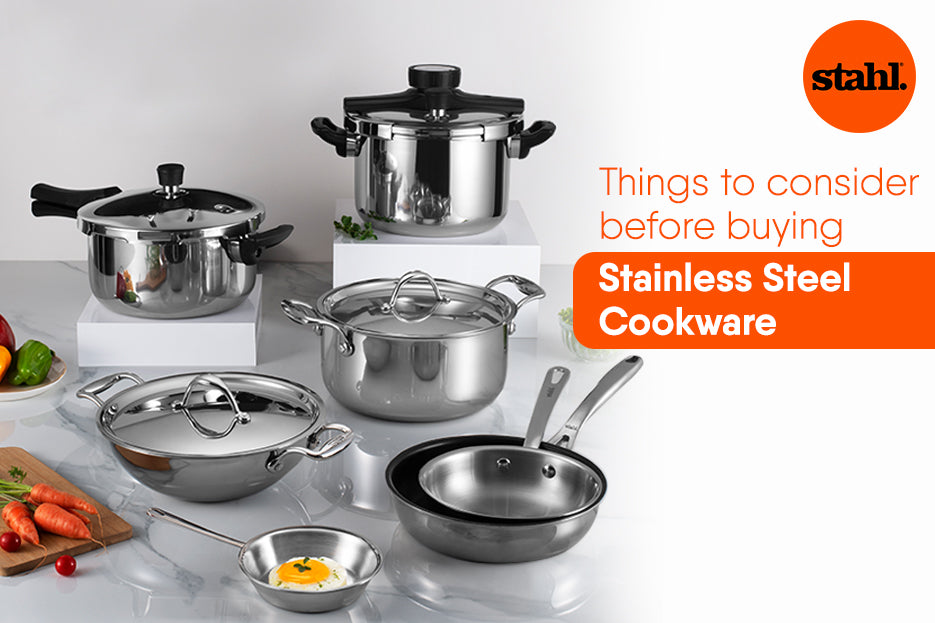
Choosing the right stainless steel cookware can make cooking easier and more enjoyable. Different types and sizes suit different cooking needs. Quality also affects how well the cookware performs and lasts. Understanding these factors helps pick the best set for your kitchen.
Types Of Stainless Steel
Stainless steel cookware comes in several types. The most common is 18/10, which means 18% chromium and 10% nickel. This type resists rust and stains well. Another type is 18/8, with slightly less nickel but still durable. Some cookware has an aluminum or copper core for better heat distribution. Choose types that fit your cooking style and budget.
Size And Shape Considerations
Choose cookware sizes based on how many people you cook for. Smaller pans are good for one or two servings. Larger pots work well for families or batch cooking. Shapes matter too. Deep pots hold soups and stews. Shallow pans are better for frying or sautéing. Pick sizes and shapes that match your meals.
Quality Indicators
Look for thick, heavy cookware. Thin pans heat unevenly and warp easily. Check the base for a layered design; this improves heat flow. Seamless construction often means better durability. Handles should feel sturdy and stay cool. Good quality stainless steel cookware lasts many years and cooks food evenly.
Preparing Your Cookware
Preparing your stainless steel cookware properly helps improve cooking results. It also protects your pans and keeps them looking new. Taking small steps before the first use makes a big difference in how your cookware performs.
Seasoning Tips
Seasoning stainless steel cookware is a simple process. Heat the pan on medium heat for a few minutes. Add a small amount of oil and spread it evenly. Let the oil heat until it starts to smoke lightly. Turn off the heat and let the pan cool. Wipe away any extra oil with a paper towel. This creates a thin, non-stick layer on the surface.
Repeat seasoning occasionally to keep the pan smooth. This helps reduce food sticking and makes cleaning easier.
Cleaning Before First Use
Wash new stainless steel cookware before cooking. Use warm water and mild dish soap. Scrub gently with a soft sponge or cloth. Avoid harsh cleaners or steel wool. Rinse well to remove all soap. Dry the cookware with a soft towel to prevent water spots.
This step removes factory oils and dust. It also helps maintain the pan’s shiny surface and cooking quality.
Mastering Heat Control
Controlling heat is key when cooking with stainless steel cookware. It helps food cook evenly and prevents sticking. Knowing the right temperature keeps your meals tasty and your pans in good shape.
Optimal Temperature Settings
Use medium heat for most cooking tasks. Stainless steel holds heat well, so high heat is rarely needed. Start with medium heat and adjust as needed. For searing, raise heat just before adding food. Lower heat quickly if food cooks too fast.
Avoiding Overheating
Overheating can damage your cookware and food. Never heat an empty pan for long. Add oil or butter before turning the heat up. Watch the pan carefully; smoke means it is too hot. Turn heat down immediately to save your pan.
Heat Distribution Tips
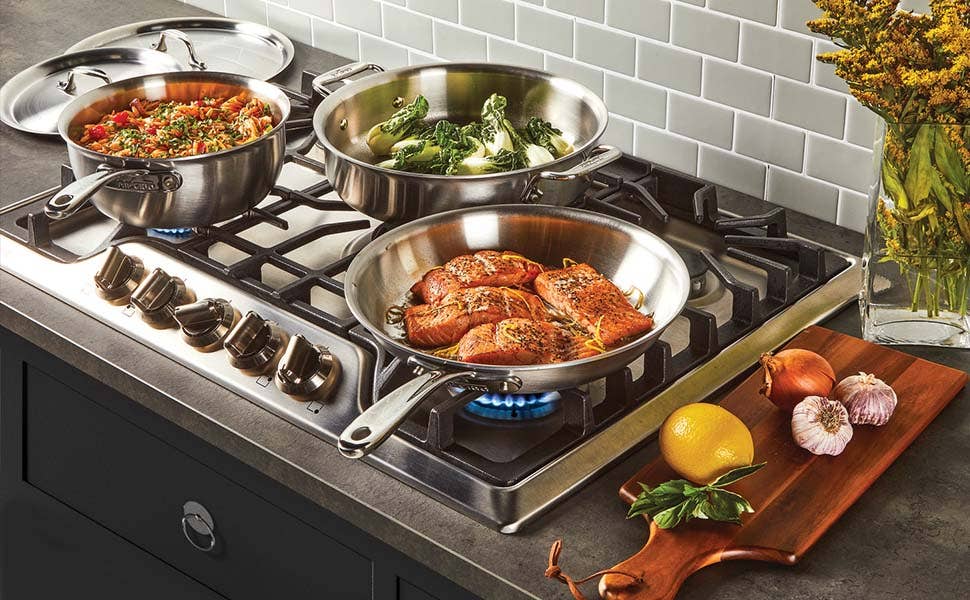
Use pans with a thick, heavy bottom for even heat. Allow the pan to heat evenly before adding food. Move food around gently to avoid hot spots. Avoid overcrowding the pan to keep heat steady. Stir or flip food regularly for uniform cooking.
Credit: www.all-clad.com
Preventing Food Sticking
Cooking with stainless steel cookware is rewarding but requires care. Food can stick if you do not use the right methods. Preventing food from sticking helps keep your meals tasty and your pans clean. Small changes in cooking style make a big difference.
Proper Preheating Techniques
Preheat your pan before adding anything. Heat it on medium for a few minutes. To test, sprinkle a few drops of water on the surface. If the drops dance or form beads, the pan is ready. This step creates a natural non-stick layer.
Using The Right Amount Of Oil
Use enough oil to coat the pan evenly. Too little oil causes sticking. Too much oil makes food greasy. Spread the oil with a paper towel or brush. Let the oil heat until it shimmers before adding food.
When To Add Ingredients
Wait for the oil to heat well before adding food. Add food in a single layer without crowding the pan. Crowding lowers the temperature and causes sticking. Let the food cook undisturbed until it naturally releases from the pan.
Cooking Techniques With Stainless Steel
Stainless steel cookware offers great versatility for many cooking methods. It heats evenly and holds temperature well. This makes it perfect for various techniques. Learning how to use it properly can improve your meals.
Searing And Browning
Searing locks in juices and creates a tasty crust. Heat your pan until it is hot but not smoking. Add a small amount of oil and place meat or vegetables in the pan. Avoid moving food too soon. Let it brown before flipping. This technique adds rich flavor and appealing color.
Deglazing For Flavor
After searing, small browned bits stick to the pan. These bits are full of flavor. Pour a little liquid like broth, wine, or water into the hot pan. Use a spoon to scrape the bits off the bottom. This process makes a delicious base for sauces and gravies. It enhances the taste of your dish.
Simmering And Boiling
Stainless steel works well for simmering and boiling. Bring liquids to a boil over medium-high heat. Lower the heat to keep a gentle simmer. This method is good for soups, stews, and pasta. It cooks food evenly without burning. Use a lid to keep heat and moisture inside.
Cleaning And Maintenance
Stainless steel cookware lasts longer with proper cleaning and care. Good maintenance keeps the surface shiny and smooth. It also prevents damage and keeps food tasting fresh. Follow simple steps to keep your pans looking new.
Removing Stubborn Stains
Use warm water and mild soap for regular cleaning. For tough stains, soak the pan in soapy water. Scrub gently with a soft sponge or cloth. Avoid steel wool; it can scratch the surface. For burnt food, boil water with baking soda inside the pan. Let it cool, then scrub lightly to remove residue.
Avoiding Scratches
Use wooden or silicone utensils while cooking. Metal tools can scratch and damage the surface. Avoid stacking pans directly on top of each other. Place a soft cloth or paper towel between pans. Clean with non-abrasive sponges and avoid harsh scrubbers.
Storage Tips
Store pans in a dry place to prevent rust spots. Keep lids separate or upside down to avoid trapped moisture. Hang pans by their handles if space allows. Proper storage keeps pans in great condition and ready for use.
Common Mistakes To Avoid
Stainless steel cookware is a durable and versatile choice for many kitchens. It cooks food evenly and lasts a long time. Yet, some common mistakes can reduce its performance and lifespan. Avoiding these errors helps you get the best results from your cookware.
Using High Heat Only
Many people think stainless steel needs very high heat to cook well. This is not true. High heat can cause food to stick and burn. It can also damage the cookware’s surface. Start with medium or low heat. Let the pan warm up slowly. This keeps food from sticking and cooks it evenly.
Neglecting Proper Cleaning
Cleaning stainless steel cookware properly is very important. Avoid using harsh cleaners or steel wool. These can scratch the surface. Instead, use warm water, mild soap, and a soft sponge. For stuck food, soak the pan before washing. Dry the cookware right after cleaning to prevent water spots.
Using Metal Utensils
Metal utensils can scratch stainless steel pans. These scratches affect cooking and look bad. Use wooden, silicone, or plastic utensils instead. They are gentle and keep the pan’s surface smooth. This helps your cookware last longer and cook better.

Credit: madeincookware.com
Frequently Asked Questions
How Do I Prevent Food From Sticking To Stainless Steel Cookware?
To prevent sticking, preheat the pan on medium heat before adding oil. Ensure the oil shimmers before placing food. Avoid cooking on high heat initially, and let the food naturally release when properly seared.
What Is The Best Way To Clean Stainless Steel Cookware?
Clean with warm, soapy water and a soft sponge after each use. For tough stains, use a paste of baking soda and water. Avoid abrasive cleaners to maintain the cookware’s shine and durability.
Can I Use Stainless Steel Cookware On Induction Cooktops?
Yes, stainless steel cookware works well on induction cooktops if it has a magnetic base. Check the manufacturer’s specifications to confirm compatibility before use to ensure efficient heating.
How Do I Properly Heat Stainless Steel Pans For Cooking?
Heat the pan gradually over medium heat for even cooking. Avoid high heat to prevent warping and food sticking. Add oil only after the pan is heated to the right temperature.
Conclusion
Stainless steel cookware offers great cooking results and durability. It heats evenly and keeps food flavors pure. Use the right heat and oil to avoid sticking. Clean your pans well to keep them shiny and lasting. With simple care, these pots and pans become kitchen favorites.
Enjoy cooking meals that taste fresh and healthy every time. Try these tips to make your stainless steel cooking easier and more fun. Keep practicing, and you will see better results each time.

Hello, This is Annie Walker, a 38-year-old blogger, founder, and editor of Cookware Guider from NY, USA. I am a cookware fanatic and passionate cooker. I love to cook with different types of cooking appliances (example: all types of cookware, rice cookers, slow cookers, etc) almost every day in my kitchen. I love to share my experience with my readers in my blog. Also, I enjoy helping people to solve their problems through my website. You can follow me on Twitter & Pinterest. To know details about my blog please check the about us page.