
Cooking perfect white rice in a saucepan might seem simple, but getting it just right can be tricky. If you’ve ever ended up with mushy, sticky, or undercooked rice, you know how frustrating it can be.
Imagine serving fluffy, separate grains every time—your meals instantly feel more satisfying and impressive. In this post, you’ll discover easy, foolproof steps to cook white rice perfectly on your stove. No fancy gadgets, no complicated tricks—just clear, simple instructions you can trust.
Ready to master the art of saucepan rice? Keep reading and transform your cooking today.
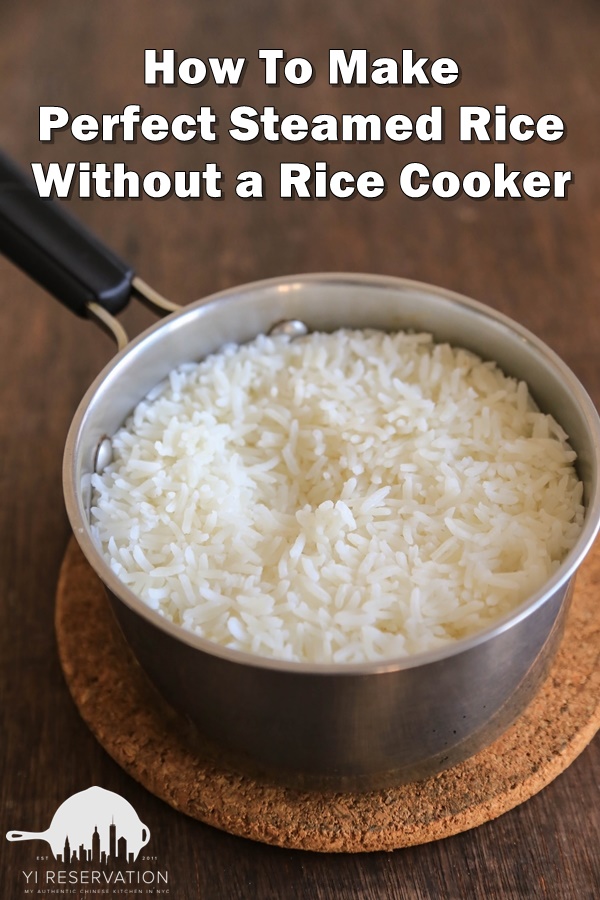
Credit: yireservation.com
Choosing The Right Rice
Choosing the right rice is the first step to perfect white rice. The type and quality affect taste and texture. Picking the right one makes cooking easier and results better. Understanding rice types helps you decide what suits your dish and cooking style.
Types Of White Rice
White rice comes in many types. Long-grain rice stays fluffy and separate when cooked. Medium-grain rice is softer and a bit sticky. Short-grain rice is very sticky and creamy, great for sushi or desserts. Each type has unique uses and cooking times. Choose based on the texture you want.
Selecting Quality Rice
Good quality rice cooks better and tastes fresher. Look for grains that are whole and uniform in size. Avoid rice with broken or yellow grains. Check the package for the harvest date to ensure freshness. Store rice in a cool, dry place to keep quality. Proper rice makes your meal more enjoyable.
Preparing The Rice
Preparing the rice is the first step to perfect white rice. It helps the rice cook evenly and taste better. Simple steps make a big difference in the final dish.
Start by measuring the rice carefully. Then, rinse it to remove extra starch. Clean rice cooks fluffy and separate.
Measuring The Rice
Use a standard measuring cup for accuracy. One cup of uncooked rice usually serves two people. Pour the rice into the cup lightly. Avoid packing it tightly. This keeps the measurement correct.
Measure rice according to how many servings you need. Too much rice can be wasteful. Too little may leave you hungry.
Rinsing Techniques
Place the rice in a fine-mesh sieve or bowl. Rinse under cold running water. Stir the rice gently with your hand. This washes away surface starch.
Rinse until the water runs clear. Usually, two to three rinses are enough. Clear water means less sticky rice after cooking.
Drain the rice well before cooking. Excess water can change the cooking time and texture.
Selecting The Saucepan
Choosing the right saucepan is key to cooking perfect white rice. The pan affects how evenly the rice cooks and if it stays fluffy or becomes sticky. Picking the right size and material helps control heat and moisture. A good lid locks in steam and keeps rice tender. Let’s explore what to look for when selecting your saucepan.
Size And Material
Pick a saucepan that fits your rice amount. A small pan may cause rice to burn. A large pan wastes heat and water. Medium size pans work well for most servings.
Choose materials that spread heat evenly. Stainless steel pans heat well and resist sticking. Non-stick pans need less oil and are easy to clean. Avoid thin pans that heat unevenly or burn rice.
Lid Importance
A tight-fitting lid keeps steam inside the pan. Steam cooks rice gently and evenly. Without a good lid, rice dries out or cooks unevenly.
Look for lids that seal well and fit snugly. Glass lids let you watch rice without lifting the lid. Avoid loose lids that let steam escape.
Water-to-rice Ratio
The water-to-rice ratio is key to cooking perfect white rice in a saucepan. It controls the rice’s texture and fluffiness. Using the right amount of water helps the rice cook evenly. Too much water makes the rice mushy. Too little water leaves the rice hard or undercooked. Understanding this ratio makes cooking rice easier and more consistent.
Standard Ratios
For most white rice types, the common water-to-rice ratio is 2:1. This means two cups of water for every one cup of rice. This ratio works well for long-grain and medium-grain rice. It creates soft and fluffy rice with separate grains. Some brands may suggest slightly different ratios, so check the package instructions. This standard ratio is a good starting point for beginners.
Adjusting For Altitude And Texture
Higher altitudes need more water because water boils at lower temperatures there. Add about 10% more water for every 3,000 feet above sea level. For softer rice, increase water slightly by 1 to 2 tablespoons per cup of rice. For firmer rice, reduce water by the same amount. Small changes in water adjust the rice texture to your liking.
Cooking Process
Cooking white rice in a saucepan is simple but needs attention. The cooking process has clear steps. Each step helps rice cook evenly and taste good. Follow these steps for soft, fluffy rice every time.
Bringing Water To Boil
Start by measuring the right amount of water. Usually, use two cups of water for one cup of rice. Pour water into the saucepan and place it on high heat. Wait until the water boils. You will see big bubbles and steam. Do not add rice yet. Boiling water cooks rice faster and better.
Simmering And Timing
Once water boils, add the rice carefully. Stir once to separate the grains. Turn the heat to low. Cover the saucepan with a tight lid. Let the rice simmer gently. Cook for about 15 minutes. Do not lift the lid while cooking. Steam inside the pot cooks the rice evenly.
Avoiding Common Mistakes
Do not use too much or too little water. Too much water makes rice mushy. Too little water makes it dry and hard. Avoid stirring rice while it cooks. Stirring breaks grains and makes rice sticky. Do not remove the lid early. This causes steam to escape and rice to undercook.
Resting And Fluffing
Resting and fluffing white rice is a key step after cooking. It helps the rice finish cooking evenly and become soft. This process prevents the rice from being sticky or clumpy. Proper resting and fluffing make your rice light and fluffy.
Letting Rice Sit
After cooking, turn off the heat and cover the saucepan. Let the rice sit for 10 minutes. This allows the steam to finish cooking the rice. The grains absorb moisture and become tender. Do not remove the lid during this time. This keeps the heat and steam trapped inside.
Using A Fork To Fluff
After resting, use a fork to fluff the rice gently. Stir the rice with the fork to separate the grains. Avoid using a spoon or spatula, which can mash the rice. Fluffing helps release extra steam and keeps rice light. This step makes the rice soft and perfect to serve.
Troubleshooting Tips
Cooking white rice in a saucepan can sometimes be tricky. Small mistakes can change the texture of the rice. This section helps fix common problems. Follow these tips to improve your rice every time.
Fixing Mushy Rice
Mushy rice happens when too much water is used. It can also occur if the rice cooks too long. To save mushy rice, spread it on a baking sheet. Let it dry for a few minutes. You can also cook it on low heat with the lid off. This removes extra moisture. Next time, use less water and watch the cooking time closely.
Dealing With Undercooked Rice
Undercooked rice feels hard or crunchy. This means it needs more cooking time or water. Add a few tablespoons of hot water to the saucepan. Cover it again and cook on low heat for 5 to 10 minutes. Check the rice often to avoid overcooking. Use a fork to fluff the rice when done.
:max_bytes(150000):strip_icc()/__opt__aboutcom__coeus__resources__content_migration__simply_recipes__uploads__2020__02__HTC-White-Rice-Lead-3-5073a46b67124ca8b405143cd373da0c.jpg)
Credit: www.simplyrecipes.com
Enhancing Flavor
White rice can taste plain if cooked with just water. Enhancing its flavor makes every meal better. Small changes bring big flavor without extra effort. Let’s explore simple ways to make rice tasty and inviting.
Adding Salt And Spices
Salt is the easiest way to boost rice flavor. Add a pinch or two before cooking. It brings out the natural taste of rice. Try spices like garlic powder, cumin, or bay leaves. These give rice a gentle aroma and depth. Use fresh or dried herbs for extra flavor. Stir them in at the start of cooking.
Using Broth Instead Of Water
Swap water with chicken, beef, or vegetable broth. Broth adds rich taste and color to rice. Choose low-sodium broth to control salt levels. This simple switch turns plain rice into a savory side. Warm the broth before adding for even cooking. The rice will soak up more flavor this way.
Storing And Reheating
Storing and reheating white rice properly keeps it fresh and safe to eat. Doing this right helps keep its texture and taste. It also prevents food waste and saves time for your next meal.
Proper Storage Methods
Let the rice cool down to room temperature before storing. Put it in an airtight container to stop moisture and bacteria. Store the container in the refrigerator within two hours of cooking. Use the rice within 3 to 4 days for best quality. Avoid leaving rice out at room temperature for long periods.
Best Practices For Reheating
Reheat rice until it is steaming hot all the way through. Use a microwave, stovetop, or steamer for reheating. Add a little water to keep the rice moist while heating. Stir the rice occasionally to heat it evenly. Never reheat rice more than once to avoid food poisoning.
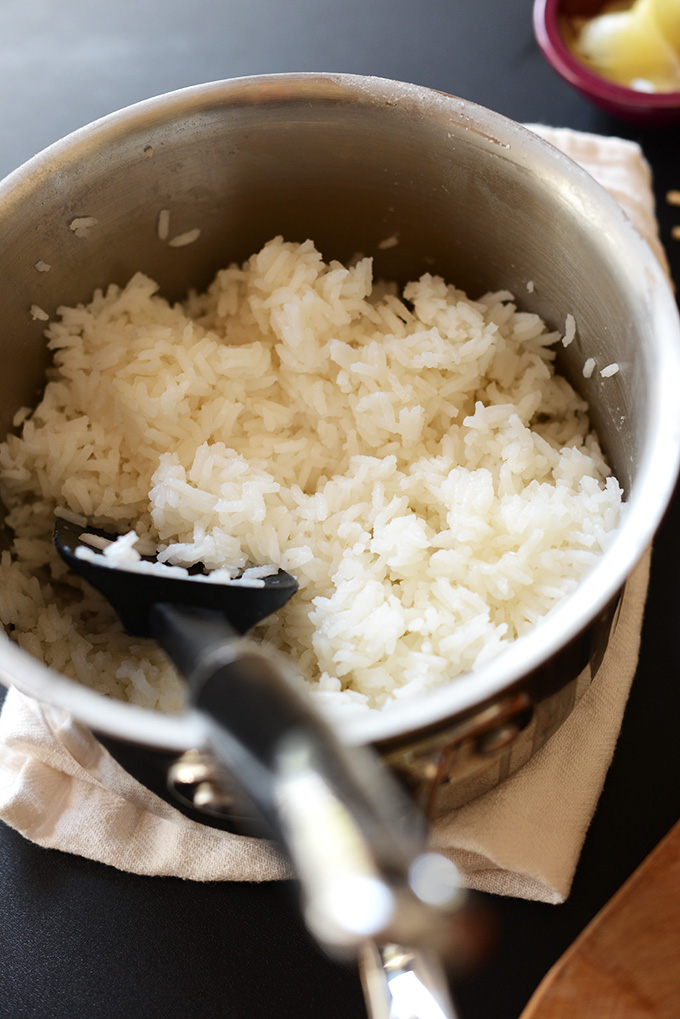
Credit: minimalistbaker.com
Frequently Asked Questions
How Much Water Is Needed To Cook White Rice?
Use a 2:1 water-to-rice ratio. For 1 cup of rice, add 2 cups of water. This ensures fluffy, well-cooked rice.
How Long Should I Simmer White Rice In A Saucepan?
Simmer white rice for 15-20 minutes on low heat. Avoid lifting the lid to keep steam inside.
Should I Rinse White Rice Before Cooking?
Yes, rinse white rice under cold water until it runs clear. This removes excess starch and prevents stickiness.
Can I Use Broth Instead Of Water To Cook Rice?
Yes, using broth adds flavor to white rice. Substitute broth for water in the same quantity for richer taste.
Conclusion
Cooking white rice in a saucepan is simple and quick. Just follow the right steps for perfect texture every time. Use the correct water amount and keep the heat low. Let the rice rest after cooking to finish absorbing moisture.
This method saves time and works well for many dishes. Practice a few times to find what suits your taste best. Enjoy soft, fluffy rice with your favorite meals easily at home.

Hello, This is Annie Walker, a 38-year-old blogger, founder, and editor of Cookware Guider from NY, USA. I am a cookware fanatic and passionate cooker. I love to cook with different types of cooking appliances (example: all types of cookware, rice cookers, slow cookers, etc) almost every day in my kitchen. I love to share my experience with my readers in my blog. Also, I enjoy helping people to solve their problems through my website. You can follow me on Twitter & Pinterest. To know details about my blog please check the about us page.