
Cooking pasta in a saucepan might sound simple, but getting it just right can change your entire meal. You want pasta that’s perfectly cooked—never mushy or sticky—and ready to soak up your favorite sauce.
If you’ve struggled with uneven cooking or messy pots, this guide is made for you. Keep reading, and you’ll discover easy steps that make cooking pasta in a saucepan quick, clean, and foolproof every time. Your next delicious pasta dish is just a few minutes away!
Choosing The Right Pasta
Choosing the right pasta is key to making a perfect meal in your saucepan. Different pasta shapes change the texture and how the sauce sticks. Picking good pasta can make your dish taste better and cook evenly.
Think about the sauce you want to use. Some pasta shapes hold sauce well, while others do not. The right pasta complements the sauce, making each bite delicious.
Types Of Pasta
There are many pasta types. Spaghetti is long and thin. It works well with light sauces like tomato or olive oil. Penne has tubes that trap thick sauces. It is great for creamy or chunky sauces. Fusilli is spiral-shaped. It holds sauce on its curves. Each pasta shape offers a different eating experience.
Selecting Quality Pasta
Choose pasta made from durum wheat. It cooks firm and holds shape. Avoid pasta that looks dull or breaks easily. Check the package for cooking time and ingredients. Quality pasta tastes better and cooks evenly in your saucepan.

Credit: familystylefood.com
Preparing The Saucepan
Preparing the saucepan is the first step to cooking perfect pasta. It affects how well the pasta cooks and tastes. A good start makes the whole process easier and faster.
Choosing The Saucepan Size
Pick a saucepan large enough for the pasta to move freely. Crowding pasta leads to uneven cooking. A pot with at least 4 to 6 quarts works best. Use a bigger pot for long pasta like spaghetti. Small pans cause sticky pasta and clumps.
Adding Water And Salt
Fill the saucepan with plenty of water. About 4 to 6 quarts per pound of pasta is ideal. Salt the water generously to enhance the pasta’s flavor. Use about 1 to 2 tablespoons of salt for each 4 quarts of water. Stir the water to dissolve the salt well. Bring the water to a rolling boil before adding pasta.
Boiling The Pasta
Boiling pasta is an important step to get the perfect texture. It needs the right amount of water and heat. The pasta should cook evenly and not stick together. Follow these simple steps to boil pasta in a saucepan easily.
Bringing Water To A Boil
Start with a large saucepan. Fill it with enough water to cover the pasta. Place the pan on high heat. Wait until the water boils vigorously. This means bubbles rise quickly and break on the surface. Boiling water cooks pasta faster and stops it from becoming mushy.
Adding Pasta To The Saucepan
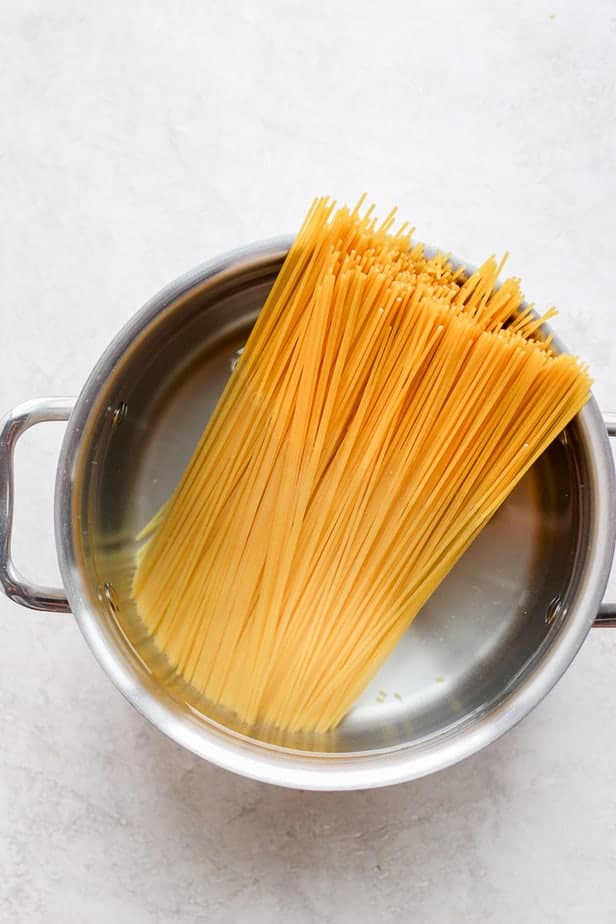
Once the water boils, add the pasta carefully. Pour it slowly to avoid splashing. Use enough water so pasta can move freely. This helps the pasta cook evenly. Stir gently after adding to separate the strands or shapes.
Stirring To Prevent Sticking
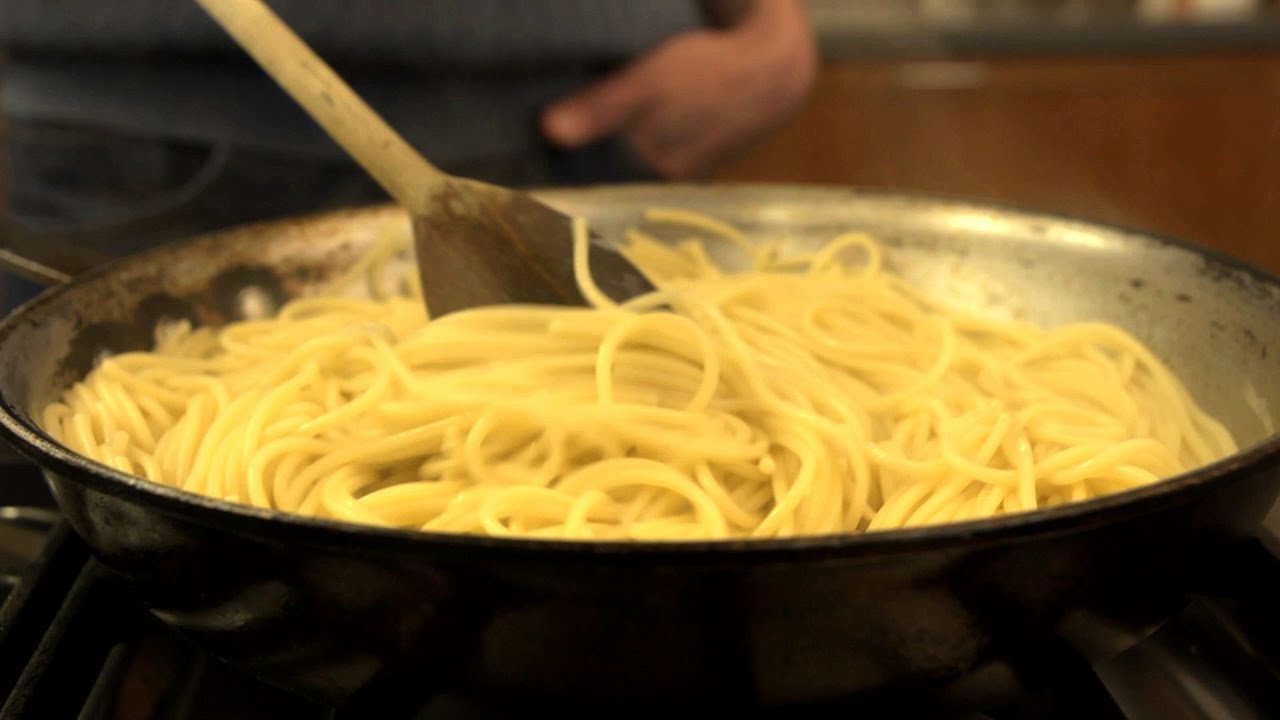
Stir the pasta often in the first few minutes. This stops the pasta pieces from sticking together. Use a wooden spoon or a heat-safe spatula. Stir gently but regularly until the pasta is soft. Keep the water at a steady boil during cooking.
Credit: feelgoodfoodie.net
Cooking Time Tips
Cooking pasta in a saucepan needs careful time control. Proper timing makes pasta tasty and perfect for your sauce. Overcooked pasta becomes mushy, while undercooked pasta feels hard. Follow these cooking time tips for the best results.
Checking Pasta Doneness
Start checking pasta a few minutes before the package time ends. Take a small piece out with a fork. Bite it to test texture. It should be soft with a slight firmness inside. If it feels too hard, cook for one more minute and test again. Repeat until the pasta reaches your preferred texture.
Al Dente Vs. Soft Pasta
Al dente means pasta is cooked but still firm. It holds shape and has a slight bite. Soft pasta is fully cooked and tender throughout. Al dente pasta works well with thick sauces. Soft pasta blends better with creamy sauces. Choose your cooking time based on the sauce and your taste.
Draining And Saving Pasta Water
Draining pasta properly is an important step in cooking pasta in a saucepan. It helps stop the cooking and removes excess water. Saving some pasta water is also helpful. This water is starchy and can improve your sauce.
Here are two simple ways to drain pasta and save its water for better cooking results.
Using A Colander
Pour the cooked pasta into a colander placed in the sink. Let the water drain completely. Shake the colander gently to remove extra water. Avoid rinsing the pasta, as this removes starch needed for sauce.
Reserving Pasta Water For Sauce
Before draining, scoop out a cup of pasta water with a heat-safe cup. Keep this water for mixing with your sauce. The starch in the water helps the sauce stick to the pasta. Add small amounts of this water until the sauce reaches the right thickness.
Combining Pasta With Sauce
Combining pasta with sauce is an important step in making a tasty meal. It helps the flavors blend well and makes each bite delicious. The right sauce can bring out the best in your pasta. Mixing them correctly ensures the sauce sticks to the pasta and does not slide off. This part of cooking is simple but needs some care and attention.
Choosing The Right Sauce
Pick a sauce that matches your pasta shape. Thick sauces work well with wide pasta. Thin sauces suit thin, long pasta. Tomato sauce is a popular choice for most pasta types. Creamy sauces go well with short pasta. Consider flavors you like. Spicy, mild, or savory sauces can all be great. Fresh ingredients in sauce make the dish better. Store-bought sauces are quick but check the taste first.
Mixing Pasta And Sauce In Saucepan
Drain pasta but keep some cooking water. Add pasta back to the saucepan. Pour the sauce over the pasta. Stir gently to coat each piece evenly. Heat the pasta and sauce together for a few minutes. The cooking water helps the sauce stick better. Stir often to avoid sticking or burning. Taste and adjust seasoning if needed. Serve hot for best flavor and texture.
Serving Suggestions
Serving pasta cooked in a saucepan is simple and satisfying. The right touches can make your meal look and taste better. Small changes add color, texture, and flavor. These ideas help you enjoy your pasta even more.
Garnishing Ideas
Fresh herbs bring a bright, fresh taste to pasta. Try parsley, basil, or oregano. Grated cheese is a classic choice. Parmesan or pecorino adds a salty, rich flavor. A drizzle of olive oil gives a smooth finish. Toasted nuts add crunch and depth. A pinch of chili flakes adds a mild heat. Lemon zest gives a fresh, zesty note. These simple garnishes make your dish inviting and tasty.
Pairing With Side Dishes
Salads balance the richness of pasta well. A crisp green salad with a light dressing is perfect. Garlic bread or crusty bread adds crunch and soaks up sauce. Steamed or roasted vegetables provide color and nutrients. Simple grilled chicken or fish can make the meal more filling. Soup is a warm, comforting start. These sides create a complete, satisfying meal.
Common Mistakes To Avoid
Cooking pasta in a saucepan seems easy but many make simple mistakes. These errors affect taste and texture. Avoiding them improves your pasta dishes every time.
Overcooking Pasta
Overcooked pasta turns mushy and sticky. It loses its firm texture, known as “al dente.” Watch the cooking time closely. Check pasta a minute before the package time ends. Drain immediately when it is soft but still slightly firm. This keeps the perfect bite and flavor.
Skipping Salt In Water
Salt adds flavor to pasta while it cooks. Without salt, pasta tastes bland even with sauce. Add about one tablespoon of salt for every four quarts of water. Salt also helps the water boil faster. Do not add oil to the water; it stops sauce from sticking later.
Credit: www.youtube.com
Frequently Asked Questions
How Long Should I Cook Pasta In A Saucepan?
Cook pasta in boiling water for 8-12 minutes, depending on the type. Stir occasionally to prevent sticking. Test for doneness by tasting a piece. Drain immediately once cooked to your preferred texture.
Can I Cook Pasta Directly In Sauce In A Saucepan?
Yes, you can cook pasta in sauce by adding liquid. Use enough water or broth to soften pasta evenly. Stir often to avoid clumping. This method blends flavors but requires careful monitoring.
What Saucepan Size Is Best For Cooking Pasta?
Choose a large saucepan with ample water capacity to avoid overcrowding. At least 4-6 quarts is ideal for most pasta portions. More space helps pasta cook evenly and prevents sticking.
Should I Salt The Water When Cooking Pasta In A Saucepan?
Yes, add about 1-2 tablespoons of salt per gallon of water. Salting enhances pasta’s flavor as it cooks. Add salt after water boils and before adding pasta.
Conclusion
Cooking pasta in a saucepan is simple and quick. Boil water, add pasta, and stir often. Watch the time to avoid overcooking. Drain the pasta well to keep it from getting soggy. You can add sauce right after cooking for best flavor.
Practice these steps to improve your pasta dishes. Enjoy tasty meals with little effort. Cooking pasta this way saves time and energy. Try it today and see how easy it is!

Hello, This is Annie Walker, a 38-year-old blogger, founder, and editor of Cookware Guider from NY, USA. I am a cookware fanatic and passionate cooker. I love to cook with different types of cooking appliances (example: all types of cookware, rice cookers, slow cookers, etc) almost every day in my kitchen. I love to share my experience with my readers in my blog. Also, I enjoy helping people to solve their problems through my website. You can follow me on Twitter & Pinterest. To know details about my blog please check the about us page.