
Getting the perfect bowl of rice can sometimes feel tricky, especially when using a Tiger rice cooker. You might wonder how much water to add for the best texture—fluffy, not mushy or dry.
The right rice to water ratio is the secret that makes all the difference. You’ll discover the exact measurements you need to achieve perfect rice every time with your Tiger rice cooker. Keep reading, and say goodbye to guesswork and soggy rice forever!
Choosing The Right Rice
Choosing the right rice is key for perfect cooking with your Tiger rice cooker. Different types of rice need different water amounts. Using the correct rice type helps you get fluffy, tasty results every time.
Types Of Rice For Tiger Rice Cooker
White rice is the most common choice. It cooks quickly and has a soft texture. Brown rice keeps its bran and takes longer to cook. It needs more water than white rice. Jasmine rice has a fragrant aroma and a sticky texture. Sushi rice is short-grain and very sticky, perfect for sushi dishes. Each type has unique features that affect cooking time and water needs.
Impact Of Rice Variety On Water Ratio
Water ratio changes with rice variety. White rice usually needs one cup of water per cup of rice. Brown rice requires extra water, about one and a half cups per cup of rice. Sticky rice needs less water to keep its texture. Using too much or too little water changes rice texture. Knowing your rice type helps you add the right water amount. This ensures rice cooks evenly and tastes great.
Measuring Rice And Water
Measuring rice and water correctly is key to perfect rice in your Tiger rice cooker. Too much water can make rice mushy. Too little water leaves it dry and hard. Knowing the right ratio helps you cook rice that is fluffy and tasty every time.
Use the measuring cup that comes with your rice cooker. It is usually smaller than a standard cup. Level the rice in the cup without packing it down. Use the same cup to measure water for accuracy.
Standard Rice To Water Ratios
For most white rice, use 1 cup of rice to 1.5 cups of water. This ratio works well in the Tiger rice cooker. It produces soft and tender rice with a good texture. Brown rice needs more water, about 2 cups per 1 cup of rice, because it takes longer to cook.
Adjusting Water For Different Rice Types
Short grain rice requires slightly less water than long grain rice. Use 1.25 cups of water for each cup of short grain rice. Jasmine rice cooks well with a 1:1.25 ratio. For sticky rice, reduce water to 1 cup per cup of rice to keep it from becoming mushy.
Check the rice after cooking and adjust water for your taste. Climate and rice brand may need small changes in water amount.
Using The Tiger Rice Cooker
Using the Tiger Rice Cooker is simple and efficient. It helps cook rice evenly and perfectly every time. This cooker uses a special rice-to-water ratio for best results. Knowing how to prepare the cooker and follow the right steps ensures tasty rice.
Preparing The Cooker
First, clean the inner pot with water and a soft cloth. Avoid using harsh scrubbers that can damage the pot. Place the pot inside the cooker securely. Measure the rice with the provided cup. Rinse the rice until the water runs clear. This removes excess starch and prevents sticky rice. Add the rice to the pot. Next, pour water according to the rice-to-water ratio guide in the cooker. Close the lid firmly before starting.
Steps For Perfect Rice Cooking
Press the cook button to start the cooking process. The cooker will automatically adjust temperature and time. Avoid opening the lid while rice cooks to keep steam inside. When cooking finishes, the cooker switches to keep warm mode. Let the rice rest for 10 minutes before opening the lid. Fluff the rice gently with the provided spatula. This releases trapped steam and improves texture. Serve the rice warm for best taste.

Credit: www.youtube.com
Tips For Fluffy Rice
Making fluffy rice with your Tiger rice cooker is easy with the right tips. Proper technique helps each grain stay separate and soft. Follow these simple steps to improve your rice’s texture every time.
Rinsing Rice Properly
Rinse the rice before cooking to remove extra starch. Use cold water and stir the rice gently. Repeat until the water runs clear. This prevents the rice from becoming sticky or clumpy.
Resting Time After Cooking
Let the rice rest after the cooker finishes. Keep the lid closed and wait for 10 minutes. This allows steam to finish cooking the rice evenly. The result is fluffier, tender rice that is easy to serve.
Common Mistakes To Avoid
Cooking rice with a Tiger rice cooker is simple, but many users make common mistakes. These errors affect the rice texture and taste. Avoiding these mistakes helps you get perfect rice every time. Below are some frequent pitfalls and tips to fix them.
Too Much Or Too Little Water
Using the wrong water amount is the top mistake. Too much water makes rice mushy and sticky. Too little water leaves it dry and hard. Follow the Tiger rice cooker rice to water ratio carefully. Measure both rice and water with a cup for accuracy. Adjust slightly based on rice type or personal taste.
Overcooking And Undercooking
Overcooked rice becomes soft and clumpy. Undercooked rice stays crunchy and uneven. The Tiger rice cooker has settings to prevent this. Do not open the lid during cooking. Let the cooker finish its cycle to keep rice fluffy. Use the timer to avoid leaving rice warm for too long after cooking.

Credit: www.amazon.com
Adjusting For Altitude And Climate
Adjusting the rice to water ratio in your Tiger rice cooker depends on your altitude and climate. These factors change how water boils and how rice cooks. Paying attention to these details helps you get perfect rice every time.
Water Ratio Changes At High Altitude
At high altitudes, water boils at a lower temperature. This makes rice take longer to cook. You need to add more water than usual. Try adding 10% to 20% extra water for best results. This keeps rice soft and fully cooked.
Humidity Effects On Cooking
Humidity affects how much water rice absorbs. In dry climates, rice may need more water to stay soft. In humid places, reduce water slightly to avoid mushy rice. Adjust water amounts in small steps to find what works best for your area.
Cleaning And Maintenance
Cleaning and maintenance are key to keeping your Tiger rice cooker working well. A clean cooker cooks rice better and lasts longer. Regular care stops problems and keeps your kitchen safe.
Keeping The Cooker In Good Condition
Unplug the cooker before cleaning. Use a soft cloth and warm water for the outside. Avoid harsh chemicals that can damage the surface. Clean the inner pot after every use. Use a non-abrasive sponge to avoid scratches. Dry all parts before putting them back.
Preventing Residue Build-up
Residue can stick to the inner pot and lid. Wipe the lid gasket and steam vent often. Remove leftover rice stuck inside the cooker. Use a soft brush or cloth to clean hard spots. Clean the condensation collector if your model has one. This stops bad smells and keeps the cooker fresh.
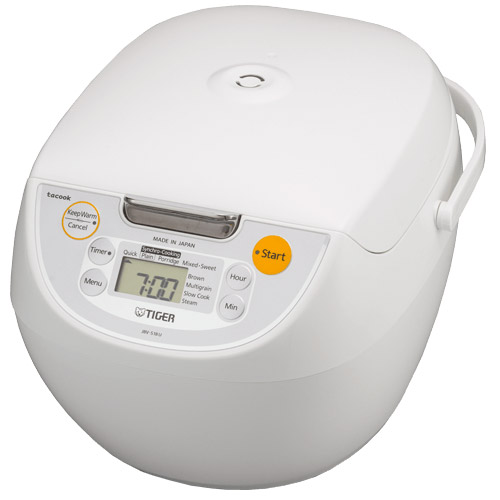
Credit: www.tiger-corporation.com
Frequently Asked Questions
What Is The Ideal Rice To Water Ratio For Tiger Rice Cooker?
The ideal ratio is 1 cup of rice to 1 to 1. 25 cups of water. Adjust slightly for softer or firmer rice.
How Does Water Amount Affect Tiger Rice Cooker Rice Texture?
More water makes rice softer, while less water yields firmer grains. Proper water balance ensures perfect texture every time.
Can I Use Different Water Ratios For Various Rice Types?
Yes, white rice needs less water, while brown rice requires more. Follow specific ratios for best results in your Tiger cooker.
Why Is Measuring Water Precisely Important In Tiger Rice Cookers?
Accurate water measurement prevents undercooked or mushy rice. It guarantees consistent texture and taste with every cooking cycle.
Conclusion
Getting the rice-to-water ratio right makes cooking easier. Tiger rice cookers work best with a 1:1. 1 or 1:1. 2 ratio. This means a little more water than rice. It helps the rice cook fully and stay soft. Try measuring carefully for perfect results every time.
Adjust slightly based on your rice type and taste. Simple steps lead to better, fluffier rice. Enjoy your meals with less guesswork and more consistency. Cooking rice becomes a smooth, stress-free process. Keep this ratio in mind for your next meal.

Hello, This is Annie Walker, a 38-year-old blogger, founder, and editor of Cookware Guider from NY, USA. I am a cookware fanatic and passionate cooker. I love to cook with different types of cooking appliances (example: all types of cookware, rice cookers, slow cookers, etc) almost every day in my kitchen. I love to share my experience with my readers in my blog. Also, I enjoy helping people to solve their problems through my website. You can follow me on Twitter & Pinterest. To know details about my blog please check the about us page.