
Choosing the right cookware can make a huge difference in your kitchen. But how do you know if your pots and pans are truly non-stick?
You might have seen shiny surfaces or heard claims, but spotting genuine non-stick cookware isn’t always easy. If you want to save time, avoid frustrating food messes, and protect your health, it’s important to recognize the real deal. Keep reading, and you’ll discover simple ways to identify non-stick cookware that works perfectly for you.
Types Of Non Stick Cookware
Non stick cookware comes in several types. Each type has unique features and benefits. Knowing these types helps you pick the right pan for your kitchen.
Teflon And Ptfe Coatings
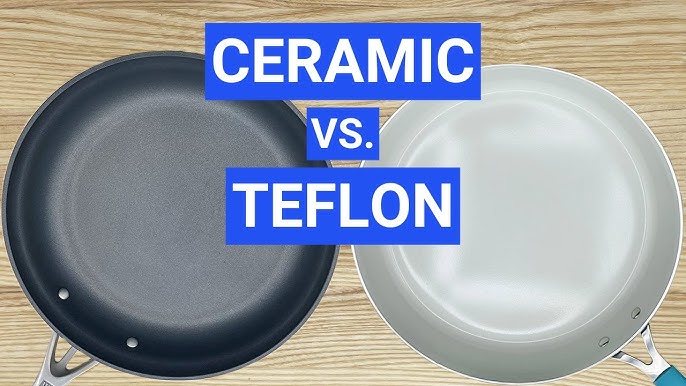
Teflon and PTFE are popular non stick coatings. They create a smooth surface that stops food from sticking. These pans heat evenly and clean easily. They work best with low to medium heat. Avoid metal utensils to keep the coating safe.
Ceramic Coatings
Ceramic coatings are made from natural materials. They offer a non stick surface without chemicals like PTFE. These pans can handle higher heat. They are safe for cooking and easy to clean. The coating may wear off faster than Teflon.
Anodized Aluminum
Anodized aluminum is a strong metal treated to resist sticking. It heats quickly and stays durable. This type often has a non stick layer added. It resists scratches and corrosion well. Anodized pans work well for everyday cooking.
Cast Iron With Non Stick Seasoning
Cast iron pans gain non stick power through seasoning. Seasoning is a layer of oil baked into the pan. It creates a natural, durable non stick surface. These pans need regular care and oiling. Cast iron heats evenly and lasts for years.

Credit: food.ndtv.com
Key Features To Look For
Choosing the right non-stick cookware can make cooking easier and cleaning faster. Knowing key features helps pick quality pans that last. Focus on the surface, weight, handles, and safety to find the best fit for your kitchen.
Surface Texture And Finish
The non-stick surface should be smooth and even. A rough or scratched finish may mean poor quality. Look for a shiny, uniform coating. This helps food release easily and cleans well. Avoid pans with peeling or flaking surfaces.
Weight And Material Quality
Good non-stick pans feel sturdy but not too heavy. Lightweight pans may warp or wear out fast. Heavy pans usually mean better materials. Aluminum and stainless steel are common and durable. Check for even thickness to ensure quick, even heating.
Handle Comfort And Stability
Handles must be comfortable to hold and firmly attached. Loose or thin handles can be unsafe. Look for heat-resistant materials like silicone or sturdy plastic. Handles should not get hot during cooking. A good grip helps avoid accidents in the kitchen.
Oven And Dishwasher Safety
Check if the cookware is safe for oven use and dishwasher cleaning. Oven-safe pans offer more cooking options. Dishwasher-safe pans save time on cleanup. Avoid pans with plastic parts that cannot handle heat. Always follow the manufacturer’s care instructions.
Testing Non Stick Performance
Testing non stick performance helps you find cookware that works well and lasts long. This test shows how food slides off and how easy the pan cleans up. It also checks if the surface stays smooth and safe after use.
Water Drop Test
Place a few drops of water on the pan’s surface. Watch if the water beads up or spreads out. Beads mean the surface repels water well. This usually means better non stick quality. If water spreads, the surface may not be fully non stick.
Cooking Trial With Eggs
Cook eggs on the pan without oil or butter. See if the eggs stick to the surface. Non stick pans let eggs slide easily. Sticking eggs mean the coating may be weak or worn out. This simple test shows real cooking performance.
Scratch Resistance Check
Gently rub the pan’s surface with a soft utensil. Look for scratches or marks. Good non stick pans resist scratches well. Deep scratches can damage the coating. This check helps you understand the pan’s durability.
Common Signs Of Fake Non Stick Cookware
Fake non stick cookware often looks real at first. But poor quality signs appear quickly. These signs affect cooking and health safety. Knowing these common signs helps avoid bad purchases. Trustworthy cookware lasts longer and cooks better.
Peeling Or Flaking Coating
One clear sign of fake non stick cookware is peeling. The coating may start to come off after few uses. Small flakes can mix with your food. This can be harmful if swallowed. Real non stick pans keep their coating intact. Peeling shows poor material or bad manufacturing.
Uneven Heat Distribution
Fake cookware often heats unevenly. Some parts get too hot while others stay cool. Food may burn or cook slowly in spots. This affects taste and texture of meals. Good non stick pans spread heat evenly. Uneven heating wastes energy and ruins dishes.
Strong Chemical Odors
New non stick cookware usually has no strong smell. Fake pans often release strong chemical odors. These smells can be unpleasant and harmful. They may come from cheap coatings or toxic materials. Safe cookware has a mild or no odor at all. Avoid pans with harsh chemical smells.
Maintenance Tips For Longevity
Non stick cookware stays useful longer with good care. Simple steps help keep the coating strong. Follow these tips to protect your pans and save money.
Proper Cleaning Methods
Clean non stick cookware gently after each use. Use warm water and mild soap. Avoid harsh scrubbers or steel wool. Soft sponges work best to protect the surface. Dry the pan well before storing it.
Avoiding Metal Utensils
Metal tools can scratch and damage the non stick layer. Use wooden, silicone, or plastic utensils instead. These materials are safe and keep the coating intact. Small scratches can reduce the pan’s performance over time.
Storage Recommendations
Store pans with care to avoid scratches. Place a soft cloth or paper towel between stacked pans. Avoid piling heavy pots on top. Keep cookware in a dry place to prevent rust on metal parts.
Credit: www.youtube.com
Price Vs Quality Insights
Choosing non-stick cookware means balancing price and quality. Price does not always show the best value. Some affordable pans perform well, while expensive ones might offer extra benefits. Knowing what to expect from each price range helps make smart decisions.
Budget Options That Work
Budget non-stick pans can handle everyday cooking. Many use simple coatings that prevent food from sticking. They heat evenly and clean easily. These pans suit light to medium cooking needs. Expect them to last a few years with proper care. Avoid harsh scrubbing to keep the coating intact.
Premium Features Worth Paying For
Higher-priced cookware often has stronger coatings. Some use ceramic or titanium layers for durability. These pans resist scratches and can handle metal utensils. They also offer better heat distribution. Premium sets often include lids and ergonomic handles. These extras improve cooking comfort and results.
Top Brands To Consider
Choosing the right non-stick cookware depends on trust and quality. Brands with good reputations often deliver consistent performance. Some brands have been around for decades. Others bring fresh ideas to the kitchen. Both types offer great options.
Trusted Established Brands
Brands like T-fal and Calphalon have proven their worth. They use durable materials and tested non-stick coatings. These brands focus on safety and easy cleaning. Their products often come with warranties. Many home cooks prefer these brands for reliability. Their wide range fits many cooking styles and budgets.
Innovative Newcomers
New brands bring fresh technology to non-stick cookware. Companies like GreenPan use ceramic coatings instead of traditional chemicals. These coatings are often safer and eco-friendly. New brands experiment with designs for better heat control. Some focus on healthy cooking without harmful toxins. Trying these brands can offer new benefits and options.

Credit: www.americastestkitchen.com
Frequently Asked Questions
How To Check If Cookware Is Non-stick?
Look for a smooth, often dark coating inside the pan. Non-stick cookware usually has a Teflon or ceramic layer. You can also check the label or packaging for non-stick claims.
What Materials Indicate Non-stick Cookware?
Non-stick cookware typically uses materials like Teflon, ceramic, or anodized aluminum. These materials prevent food from sticking and make cleaning easier.
Can You Identify Non-stick Cookware By Weight?
Yes, non-stick cookware tends to be lighter than cast iron but heavier than aluminum. Weight alone isn’t definitive, but it can help in identification.
Is Non-stick Cookware Safe To Use?
When used correctly at low to medium heat, non-stick cookware is safe. Avoid overheating as it can damage the coating and release fumes.
Conclusion
Non-stick cookware makes cooking and cleaning easier. Identifying the right type helps avoid damage and health risks. Look for smooth surfaces and labels that mention non-stick coatings. Check materials like Teflon or ceramic for better results. Avoid scratches to keep the coating safe.
Choose cookware that fits your cooking style and budget. A good non-stick pan saves time and effort daily. Keep these tips in mind for smarter kitchen choices. Cook well, clean fast, and enjoy your meals more.

Hello, This is Annie Walker, a 38-year-old blogger, founder, and editor of Cookware Guider from NY, USA. I am a cookware fanatic and passionate cooker. I love to cook with different types of cooking appliances (example: all types of cookware, rice cookers, slow cookers, etc) almost every day in my kitchen. I love to share my experience with my readers in my blog. Also, I enjoy helping people to solve their problems through my website. You can follow me on Twitter & Pinterest. To know details about my blog please check the about us page.