
Are you confused about which cookware in your kitchen is truly ceramic? Knowing how to identify ceramic cookware can save you money, improve your cooking, and keep your meals healthier.
You might think all non-stick pans are the same, but ceramic cookware has unique qualities that make it stand out. You’ll discover simple tips to spot genuine ceramic cookware and understand why it matters for your kitchen. Keep reading—your next perfect pan is waiting to be found!
Credit: www.youtube.com
Types Of Ceramic Cookware
Ceramic cookware comes in various types. Each type serves different cooking needs. Knowing these types helps you pick the right pot or pan. Understanding the differences also helps identify genuine ceramic cookware.
Traditional Ceramic Pots
Traditional ceramic pots are made from natural clay. They are shaped and fired at high temperatures. These pots retain heat well and cook food evenly. They often have an earthy look and feel. Traditional pots are great for slow cooking and stews.
Enameled Ceramic Cookware
Enameled ceramic cookware has a metal base coated with ceramic enamel. This coating adds color and protects the metal from rust. Enameled pots and pans heat quickly and clean easily. They do not react with acidic foods, keeping flavors pure.
Non-stick Ceramic Coated Pans
Non-stick ceramic coated pans have a smooth ceramic layer on top. This layer prevents food from sticking without harmful chemicals. These pans need less oil for cooking. They are lightweight and easy to handle. Non-stick ceramic pans are good for frying and sautéing.
Key Features To Look For
Identifying ceramic cookware is easier when you know the key features. These features help you tell ceramic from other materials. Focus on surface texture, weight, and color to spot real ceramic cookware. Each detail reveals important clues about the quality and type.
Surface Texture And Finish
Ceramic cookware has a smooth and often glossy surface. The finish feels glass-like and cool to touch. It does not have rough patches or bumps. This smoothness helps with easy cleaning and food release. Some ceramic pieces show tiny cracks in the glaze, called crazing. These are normal and add character but avoid deep cracks.
Weight And Thickness
Ceramic cookware tends to be heavier than metal pots. The thickness is usually consistent and solid. Thin or very light pieces may not be fully ceramic. A heavier pan holds heat better and cooks food evenly. Check the weight by holding the cookware. It should feel sturdy and balanced in your hand.
Color And Glaze Variations
Ceramic cookware comes in many colors but often has a natural, earthy tone. The glaze may show subtle color changes or speckles. These variations happen during the firing process. Bright or overly shiny finishes might signal a non-ceramic coating. Look for a matte or soft shine that feels natural. Variations in color usually mean the cookware is handmade or hand-finished.
Material Composition Insights
Understanding the material composition of ceramic cookware helps you choose safe and durable options. Ceramic cookware can be made from natural clay or synthetic materials. Each type has unique features that affect cooking performance and safety. Knowing the differences helps you pick the best cookware for your kitchen.
Natural Clay Vs. Synthetic Materials
Natural clay ceramic cookware is made from earth minerals shaped and baked at high temperatures. This type often has a rustic look and feels heavier. It offers excellent heat retention and even cooking.
Synthetic ceramic cookware uses man-made materials combined with a ceramic coating. This coating creates a smooth, non-stick surface. It is usually lighter and easier to clean than natural clay cookware.
Natural clay is porous and can absorb oils and liquids. Synthetic ceramics resist stains and odors better. Both types can be safe, but quality and manufacturing methods matter a lot.
Lead And Cadmium Safety Checks
Lead and cadmium are harmful metals sometimes found in low-quality ceramic cookware. These metals can leach into food during cooking. This poses serious health risks over time.
Always check if the cookware meets safety standards for lead and cadmium. Look for products tested by recognized agencies. Certification labels or product descriptions often mention this information.
Choose ceramic cookware labeled as free from lead and cadmium. Avoid chipped or cracked items, as they may release harmful substances. Regularly inspect your ceramic cookware for damage to stay safe.
Testing Ceramic Cookware At Home
Testing ceramic cookware at home helps confirm its quality and safety. Simple tests can reveal if the cookware is truly ceramic or mixed with other materials. These quick checks require only items commonly found in kitchens. You can easily perform these tests without special tools. Below are three practical methods to test ceramic cookware.
Water Absorption Test
Pour a few drops of water on the cookware surface. Watch if the water soaks in or stays on top. Real ceramic cookware does not absorb water. If water disappears quickly, the material might be porous or low-quality. This test helps check if the ceramic is properly sealed and safe to use.
Scratch And Heat Resistance
Use a spoon or knife to gently scratch the surface. High-quality ceramic cookware resists scratches easily. Next, heat the cookware on low to medium flame. Good ceramic handles heat well without cracking or discoloring. These checks show the durability of the ceramic coating and its heat tolerance.
Magnet Test For Metal Content
Hold a small magnet near the cookware. Ceramic alone will not attract magnets. If the magnet sticks, the cookware contains metal parts inside. This test is useful to identify if the cookware is ceramic-coated metal or fully ceramic. Knowing this helps understand the cookware’s true nature and safety.
Trusted Brands And Certifications
Choosing the right ceramic cookware means trusting the brand and checking for certifications. Trusted brands offer products made with safe materials and good craftsmanship. Certifications prove the cookware meets safety and quality rules. These points help you find cookware that lasts and cooks well.
Top Ceramic Cookware Brands
Brands like GreenLife, GreenPan, and Cuisinart are known for good ceramic cookware. These companies use non-toxic materials and focus on durability. Their products usually have good reviews from users worldwide. Buying from these brands reduces risk of low-quality cookware. Many of their sets also come with warranties for extra trust.
Certifications To Verify Quality
Look for certifications like FDA approval and LFGB certification on ceramic cookware. FDA approval means cookware is safe for food contact. LFGB certification is a strict German safety standard for kitchen products. PFOA-free and PTFE-free labels show non-toxic coatings. These marks help confirm the cookware is safe and reliable.
Credit: www.youtube.com
Caring For Ceramic Cookware
Caring for ceramic cookware keeps it safe and working well for years. This type of cookware needs gentle handling. It is delicate but durable when cared for properly. Simple habits help keep the surface smooth and non-stick. Follow these tips to keep your ceramic pots and pans in top shape.
Cleaning Tips
Clean ceramic cookware soon after use. Let it cool before washing. Use warm water and mild soap only. Avoid harsh scrubbers or steel wool. A soft sponge or cloth works best. For stuck food, soak in warm water. This loosens residue without damage. Dry thoroughly to stop water spots.
Storage Recommendations
Store ceramic cookware carefully to avoid scratches. Use soft liners or cloth between stacked pieces. Keep lids separate or upside down. Avoid stacking heavy items on top. Place in a dry, cool area. Proper storage keeps the surface smooth and intact.
Avoiding Common Mistakes
Do not use metal utensils on ceramic cookware. They can scratch and damage the coating. Avoid sudden temperature changes that cause cracks. Do not place ceramic pots on high heat. Use medium or low heat instead. Never use ceramic cookware in the microwave if not labeled safe.

Credit: safetouseit.com
Frequently Asked Questions
What Are The Key Features Of Ceramic Cookware?
Ceramic cookware has a smooth, non-porous surface. It is usually white or light-colored inside. It offers even heat distribution and is non-toxic, free from PTFE and PFOA chemicals, making it safe for cooking.
How To Distinguish Ceramic From Non-stick Cookware?
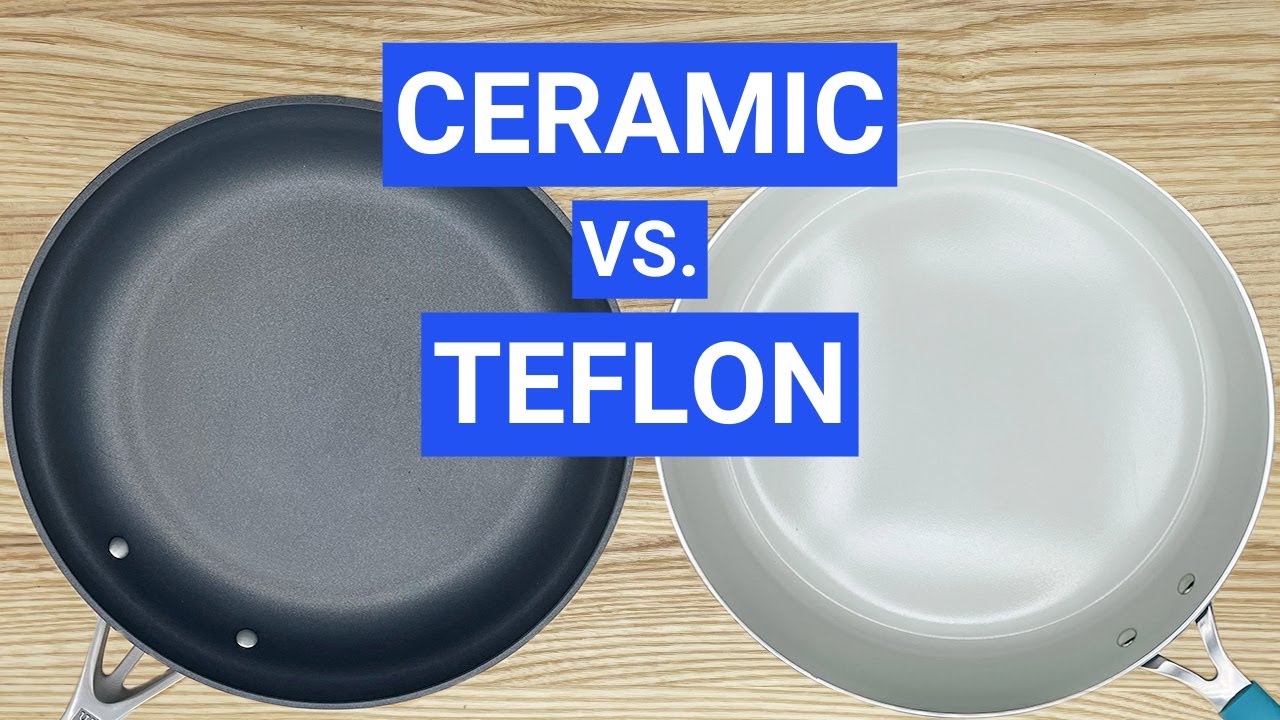
Ceramic cookware feels hard and smooth, unlike soft non-stick coatings. It often has a glossy finish and does not peel. Non-stick pans usually have a darker, matte surface and can flake over time.
Can Ceramic Cookware Handle High Heat?
Ceramic cookware can withstand moderate to high heat but avoid extreme temperatures. It heats evenly but sudden temperature changes may cause cracking. Always follow manufacturer heat guidelines to prolong cookware life.
Is Ceramic Cookware Dishwasher Safe?
Most ceramic cookware is dishwasher safe, but hand washing is recommended. Harsh detergents and high heat in dishwashers can degrade the ceramic coating over time. Gentle cleaning extends its durability.
Conclusion
Identifying ceramic cookware is easier with the right tips. Check the surface for smoothness and color. True ceramic cookware often feels heavier than metal pans. Look for labels or markings that say “ceramic” or “100% ceramic. ” Avoid cookware that chips or peels easily.
Knowing these signs helps you choose safe and durable pots. Trust your eyes and hands when inspecting cookware. This way, cooking becomes safer and more enjoyable. Remember, good ceramic cookware lasts long and cooks food evenly. Simple steps make a big difference in your kitchen.

Hello, This is Annie Walker, a 38-year-old blogger, founder, and editor of Cookware Guider from NY, USA. I am a cookware fanatic and passionate cooker. I love to cook with different types of cooking appliances (example: all types of cookware, rice cookers, slow cookers, etc) almost every day in my kitchen. I love to share my experience with my readers in my blog. Also, I enjoy helping people to solve their problems through my website. You can follow me on Twitter & Pinterest. To know details about my blog please check the about us page.