
If you’ve ever struggled with food sticking to your stainless steel cookware, you know how frustrating it can be. Stuck-on food means more scrubbing, wasted meals, and lost time.
But what if you could cook your favorite dishes without this hassle? You’re about to discover simple, effective tips that will keep your stainless steel pans non-stick naturally. By following these easy steps, you’ll enjoy smoother cooking, better flavors, and cookware that lasts longer.
Keep reading to unlock the secrets that professional chefs use every day.

Credit: www.youtube.com
Choosing The Right Stainless Steel Cookware
Choosing the right stainless steel cookware is key to preventing food from sticking. Not all stainless steel pans perform the same. Some have better heat distribution and smoother surfaces.
Good cookware makes cooking easier and cleaning faster. Knowing what to pick helps you avoid frustration in the kitchen.
Material Quality
Look for high-quality stainless steel with a smooth finish. Better quality means less chance of food sticking. Cheaper pans may have rough surfaces that trap food.
Construction And Layers
Cookware with multiple layers spreads heat evenly. Tri-ply or five-ply pans work best. They prevent hot spots where food sticks or burns.
Pan Thickness
Thicker pans hold heat better. They keep the temperature steady. Thin pans heat unevenly and cause sticking.
Pan Size And Shape
Choose the right size for your cooking needs. A wider pan gives more space to cook without crowding. Crowded pans cause food to stick together.

Credit: www.onegoodthingbyjillee.com
Proper Seasoning Techniques
Proper seasoning techniques help keep stainless steel cookware from sticking. Seasoning creates a smooth surface on the pan. This surface reduces food sticking during cooking. It also makes cleaning easier.
Seasoning stainless steel is simple. It involves heating the pan and adding oil. These steps form a thin, non-stick layer. This layer protects the pan and improves cooking results.
Preheating The Pan
Start by heating your pan on medium heat. Let it warm up for about two minutes. A hot pan helps oil spread evenly. Avoid overheating or burning the pan. Proper heat prepares the surface for seasoning.
Using Oil For Seasoning
Choose a cooking oil with a high smoke point. Examples include canola, vegetable, or grapeseed oil. Pour a small amount into the hot pan. Use a paper towel to spread the oil all over. Heat the pan with oil for a few minutes. Turn off the heat and let it cool. This process forms a smooth, non-stick layer.
Optimal Cooking Temperatures
Cooking with stainless steel cookware needs the right temperature. Too hot or too cold can cause food to stick. Knowing the best heat level helps keep your food from sticking and cooks it evenly. This section explains how to use heat properly for great results.
Avoiding High Heat
High heat can make stainless steel cookware stick. It can burn food quickly. The surface gets too hot, causing food to bond and stick. Using very high heat can also damage the pan. Avoid using the highest heat setting to keep food from sticking.
Medium Heat Benefits
Medium heat is perfect for stainless steel pans. It cooks food evenly without burning. The pan heats up enough to create a natural non-stick effect. This temperature helps food release easily after searing or browning. Medium heat saves your cookware and improves cooking results.
Effective Cooking Methods
Effective cooking methods help prevent food from sticking to stainless steel cookware. These methods control heat and timing. This keeps the cooking surface smooth and food easy to release. Understanding how to use heat and water can improve your cooking results.
Using The Water Test
Start by heating your pan on medium heat. Sprinkle a few drops of water on the surface. If the water forms small beads and dances, the pan is ready. This means the heat is just right for cooking. Too hot or too cold will cause sticking. Adjust the heat until you see the water move like this.
Adding Food At The Right Time
Place food only after the pan passes the water test. Adding food too early causes it to stick. Wait for the food to release naturally before flipping or stirring. This usually takes a few minutes. Patience helps food cook evenly and prevents sticking. Use a spatula to gently lift food from the pan. If it sticks, give it more time to cook.
Choosing The Best Oils And Fats
Choosing the best oils and fats helps prevent food from sticking to stainless steel cookware. Different oils have different smoke points. The smoke point is the temperature when oil starts to burn. Using oils with a high smoke point keeps the pan smooth and non-stick. Oils with a low smoke point can break down and cause food to stick. This section explains which oils work best for cooking with stainless steel pans.
High Smoke Point Oils
Oils like avocado, grapeseed, and peanut have high smoke points. They can handle high heat without burning. This prevents food from sticking and keeps the pan clean. These oils also add a neutral flavor to your dishes. Use them for frying, sautéing, or searing meats.
Butter And Clarified Butter (ghee)
Butter adds rich flavor but has a low smoke point. It can burn quickly and cause sticking. Clarified butter, or ghee, removes milk solids. This raises the smoke point and reduces sticking. Use ghee for gentle frying or medium heat cooking.
Olive Oil For Medium Heat
Regular olive oil works well at medium heat. Its smoke point is moderate, so avoid using it for high heat cooking. Olive oil adds a light, fruity taste to food. It is great for sautéing vegetables or light frying.
Avoid Using Oils With Low Smoke Points
Oils like unrefined flaxseed or walnut oil have low smoke points. They burn easily and create sticky residue. This makes cleaning difficult and damages the pan surface. Save these oils for dressings or low heat cooking only.
Cleaning And Maintenance Tips
Proper cleaning and maintenance keep stainless steel cookware in good shape. These steps help prevent food from sticking and extend the pan’s life.
Simple habits protect the surface and make cooking easier. Clean your cookware right after use. Avoid strong chemicals and tough scrubbing to keep it smooth.
Avoiding Abrasive Cleaners
Do not use steel wool or harsh scrubbers. These can scratch the pan’s surface. Scratches cause food to stick more easily. Use soft cloths or sponges instead.
Choose mild dish soap and warm water for cleaning. Avoid bleach or cleaners with ammonia. These damage the finish and reduce non-stick properties.
Restoring The Pan’s Surface
Sometimes pans lose their shine or develop stains. To fix this, fill the pan with water and add a few tablespoons of baking soda. Heat gently and let it sit for 15 minutes.
Use a soft sponge to scrub away residue. Rinse well with warm water and dry completely. This helps restore the smooth surface and reduces sticking.
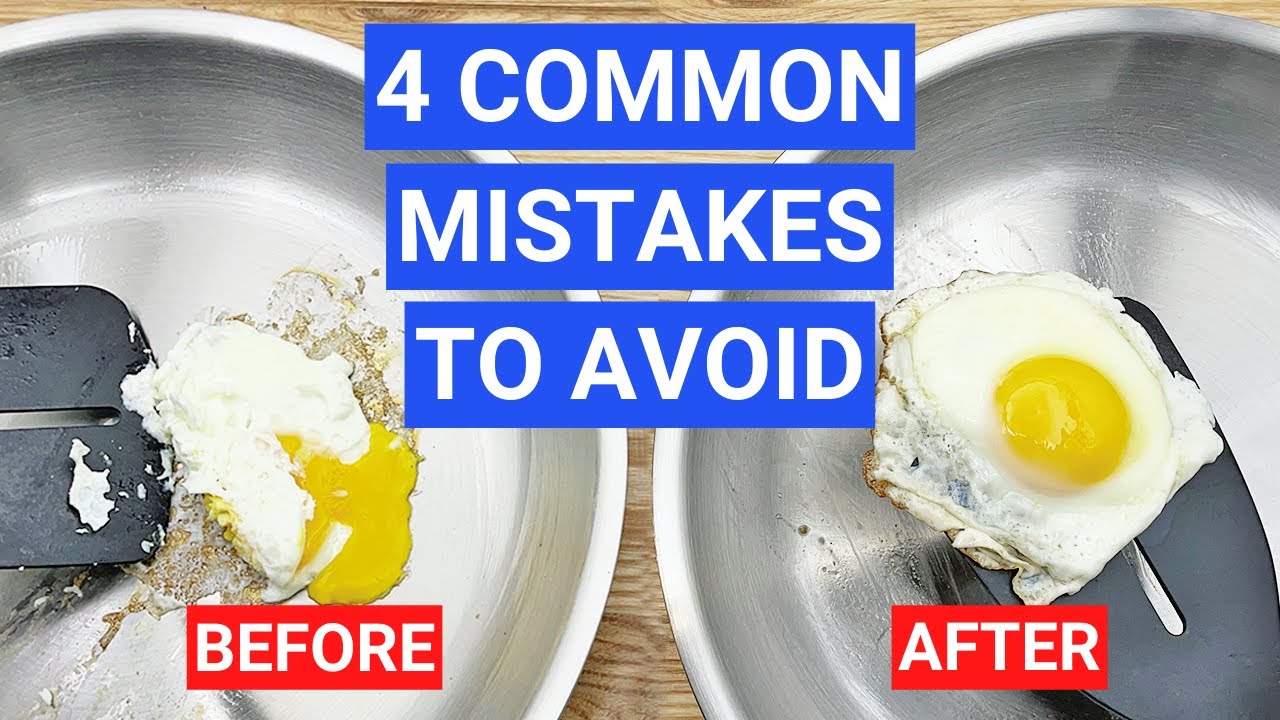
Common Mistakes To Avoid
Stainless steel cookware is great but can be tricky to use. Many people face sticking problems because of common mistakes. Avoiding these errors helps keep your food from sticking and makes cooking easier.
Not Preheating The Pan Properly
Starting with a cold pan causes food to stick. Heat the pan on medium for a few minutes. This creates a natural barrier between food and metal.
Using Too Little Or Too Much Oil
Too little oil makes food stick easily. Too much oil causes greasy, uneven cooking. Use just enough oil to coat the surface.
Adding Food Before The Pan Is Hot
Put food in only after the oil shimmers. Adding food too soon can cause sticking and tearing.
Cooking On Too High Heat
High heat can make food stick and burn. Medium or medium-high heat works best for most cooking.
Moving Food Too Early
Let food form a crust before flipping or stirring. Moving food too soon makes it stick and break apart.
Using The Wrong Utensils
Sharp or rough utensils can damage the pan’s surface. Use wooden, silicone, or nylon tools to protect your cookware.
Credit: www.youtube.com
Frequently Asked Questions
How Do I Prevent Food From Sticking To Stainless Steel?
Preheat the pan on medium heat before adding oil. Add oil and let it heat until shimmering. Cook food without overcrowding to avoid sticking.
What Oils Are Best For Stainless Steel Cookware?
Use oils with high smoke points like canola, avocado, or grapeseed oil. These oils prevent sticking and withstand high heat well.
Can Seasoning Stainless Steel Pans Reduce Sticking?
Yes, seasoning creates a natural non-stick layer. Heat oil in the pan, spread evenly, then cool. Repeat to maintain the coating.
Why Does Food Stick To Stainless Steel Cookware?
Food sticks due to improper heating or using low-quality oil. Overcrowding and cold pans also cause sticking issues. Proper technique avoids this.
Conclusion
Keeping stainless steel cookware from sticking takes simple steps. Heat the pan before adding oil. Use enough oil to create a smooth surface. Let food cook undisturbed until it naturally releases. Avoid overcrowding the pan for even cooking. Clean the cookware gently after use.
These habits help meals turn out better and make cooking easier. Enjoy cooking with less mess and more taste. Small changes make a big difference in the kitchen. Give these tips a try and see the results yourself.

Hello, This is Annie Walker, a 38-year-old blogger, founder, and editor of Cookware Guider from NY, USA. I am a cookware fanatic and passionate cooker. I love to cook with different types of cooking appliances (example: all types of cookware, rice cookers, slow cookers, etc) almost every day in my kitchen. I love to share my experience with my readers in my blog. Also, I enjoy helping people to solve their problems through my website. You can follow me on Twitter & Pinterest. To know details about my blog please check the about us page.