
You mix 1 cup of powdered sugar with 1 to 2 tablespoons of milk or water to solve how to make icing out of icing sugar for a simple glaze. Stir the liquid in slowly until the mixture turns smooth, glossy, and thick enough to coat the back of a spoon.
Your final texture depends directly on the liquid ratio, your choice of dairy or water, and whether your powdered sugar contains added cornstarch. Adjusting the liquid by just a half-teaspoon changes the glaze from a thin bun wash into a stiff spread for cookies.
Bakers Who Need This Glaze
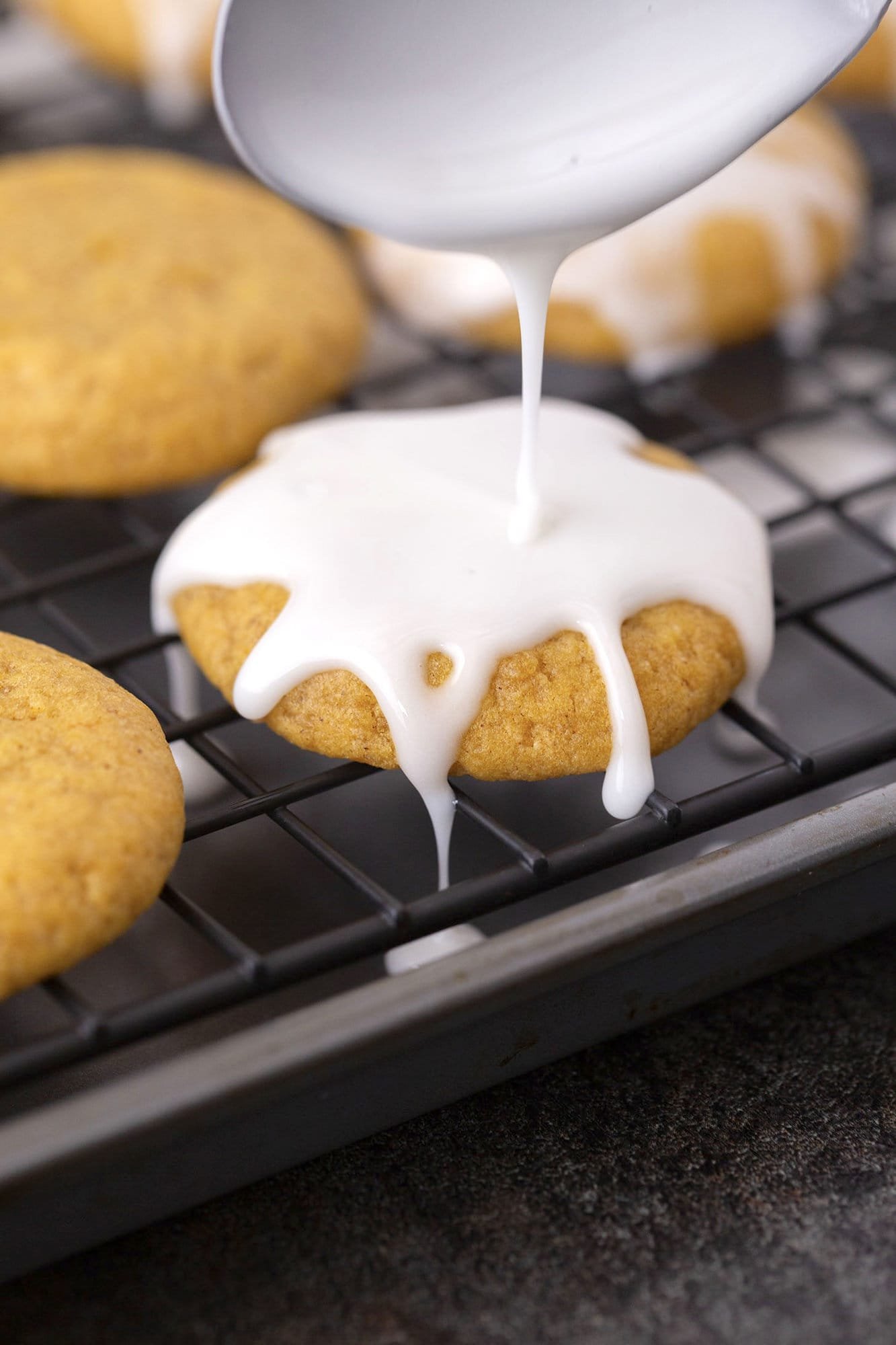
A home baker who just pulled a batch of cinnamon rolls or sugar cookies from the oven gets the best results from this guide. You only need a fork, a small bowl, powdered sugar, and a spoonful of liquid from the fridge. This simple icing sets by letting its liquid evaporate into the room, so you don’t need a stand mixer or cooking thermometer.
This guide isn’t for someone decorating a multi-tiered wedding cake or piping tall decorative flowers. Structured cake designs require an American or Swiss meringue buttercream with whipped solid fats. A basic sugar glaze stays semi-translucent, runs flat, and can’t hold sharp vertical edges. If you need structural piping, turn to a whipped butter recipe instead.
We assume you’re working with standard store-bought powdered sugar at room temperature. If your kitchen is very humid, the sugar absorbs moisture directly from the air, which cuts down the amount of liquid you must add.
Watch the consistency closely before you begin. If the glaze ribbons back into the bowl and vanishes within three seconds, it’s too thin for detail work. If it sits on the surface for ten seconds or more, it’s perfect for drizzling. Beginners often add too much milk at once, which forces them to waste extra sugar to thicken the batch. Always add liquid by the half-teaspoon.
Liquid Ratio And Sifting Control The Texture
The volume of liquid you add decides whether you get a pourable dip or a spreadable paste. One extra half-teaspoon of water can turn thick cookie frosting into runny syrup because sugar dissolves instantly once saturated. Always measure your dry sugar first, add half the liquid, and stir until completely combined before adding more drops.
Sifting the dry sugar directly controls whether your finished icing turns out smooth or gritty. Powdered sugar packs tightly during shipping and forms firm, dry clumps in the bag. If you skip sifting, those lumps trap dry starch inside, leaving tiny white spots across your baked goods.
The temperature of your baked food also changes your final look. Pouring glaze over a hot pastry melts the sugar crystals instantly, turning the white icing into a clear, wet film that soaks into the bread. If you want a solid white finish, let the pastry cool to room temperature before icing.
Added fats change the shine and bite of the finished glaze. Using whole milk or heavy cream introduces butterfat, which creates a softer bite and an opaque white color. Water creates a brittle, clear glaze that dries with a glassy crunch.
How To Make Icing Out Of Icing Sugar: Step By Step
- Set a fine-mesh sieve over a clean, dry mixing bowl.
- Pour 1 cup (about 120 grams) of powdered sugar into the sieve.
- Tap the side of the sieve with your hand until all the sugar falls into the bowl, leaving no clumps behind.
- Add 1 tablespoon of whole milk or room-temperature water directly into the center of the sugar.
- Add 1/4 teaspoon of pure vanilla extract for flavor, noting that brown vanilla will tint the icing an off-white cream color.
- Stir the mixture with a small wire whisk or fork for 30 seconds, scraping down the sides of the bowl. The mix will look dry and sandy at first before suddenly turning into a smooth paste.
- Lift your whisk out of the bowl and watch how the icing falls. If it drops in a thick ribbon that holds its shape for 2 seconds before melting back into the bowl, the icing is ready to use.
- Add an extra 1/2 teaspoon of liquid if the icing feels too stiff to stir, or add 1 tablespoon of sifted sugar if it runs off the spoon like water.
- Spread the icing over completely cooled baked goods immediately using the back of a metal spoon or an offset spatula.
The single judgement call that separates a good glaze from a poor one is stopping your liquid additions early. Sugar takes several seconds of stirring to dissolve into liquid; if you pour more milk while the bowl still looks dry, you’ll end up with runny sugar soup.
If you want to decorate complex shapes or write names, this basic powdered sugar glaze will spread out too much. Stop here and switch to a stiff royal icing made with egg whites or meringue powder.
Matching Glaze Thickness To Baked Goods
A single icing ratio doesn’t fit every treat. Use this guide to match your sugar-to-liquid ratio to the dessert you’re baking today.
| Situation | What to do | What it takes | What to watch for |
|---|---|---|---|
| Warm cinnamon rolls | Mix 1 cup sugar with 1.5 tbsp milk | 3 minutes mixing | Icing melting clear on hot bread |
| Crisp sugar cookies | Mix 1 cup sugar with 1 tbsp corn syrup and 2 tsp water | 5 minutes mixing | Surface wrinkling before spreading |
| Bundt cake drizzle | Mix 1 cup sugar with 4 tsp lemon juice | 3 minutes mixing | Acid thinning the glaze too fast |
| Scones and turnovers | Whisk 1 cup sugar with 1 tbsp heavy cream | 2 minutes mixing | Streaks drying unevenly |
| Doughnut dip | Heat glaze with 1 tbsp melted butter and 1.5 tbsp milk | 4 minutes mixing | Skin forming across the top |
Achieving A Flawless Surface Finish
The difference between a flat, cloudy glaze and a professional bakery shine comes down to how you handle temperature and trapped air. Experienced bakers handle the sugar gently and work quickly before the outer crust begins to harden.
Controlling Air Bubbles And Separation
Whisking your glaze too fast whips air bubbles into the sugar paste. Those bubbles rise to the surface after you spread the icing, leaving tiny craters and pinholes across your cookies once the sugar sets.
- Stir your glaze in slow, wide circles using a flat rubber spatula or a fork instead of an egg whisk.
- Tap the bottom of your mixing bowl firmly against your kitchen counter 3 times after mixing to force trapped air bubbles to the top.
- Pop any stubborn surface bubbles with a clean toothpick before you apply the glaze to your food.
Timing Your Application
Powdered sugar icing begins to lose moisture to the room within 60 seconds of mixing. If you leave the bowl sitting open on the counter, a thin, papery skin forms over the top that tears into ugly white flakes when you try to spread it later.
If you aren’t using the glaze immediately, press a piece of plastic wrap flat against the surface of the icing inside the bowl to block all air.
Fixing Mixing Problems
Small measurement mistakes happen quickly with powdered sugar. Use this table to diagnose texture and drying problems as soon as they appear in your bowl.
| What you notice | What it usually means | What to do first | How to stop it happening again |
|---|---|---|---|
| White specks in glaze | Lumps of dry sugar | Beat hard with fork | Sift sugar through a sieve |
| Glaze runs off sides | Too much liquid added | Add 2 tbsp sugar | Add liquid in half teaspoons |
| Icing looks grey or dull | Used tap water only | Add 1 drop white food dye | Use whole milk or cream |
| Surface cracks instantly | Glaze dried too fast | Brush with warm milk | Cover bowl with plastic wrap |
| Icing never sets firm | Kitchen is too humid | Move to cool room | Use water instead of dairy |
| Dull, gritty mouthfeel | Sugar didn’t dissolve | Let sit for 5 minutes | Whisk until fully glossy |
Sugar And Dairy Standards
Store-bought powdered sugar in the United States, often sold as 10x confectioner’s sugar, contains about 3% to 5% cornstarch added by the manufacturer to stop the fine sugar crystals from clumping in the bag. Pure powdered sugar without starch dissolves slightly faster and yields a clearer syrup, which matters if you’re making fruit jellies or clear glazes.
If your icing uses cow’s milk or heavy cream, store any iced pastries according to standard dairy handling rules. A glaze made with high amounts of milk shouldn’t sit out at room temperature for more than two days, especially in warm climates. Store milk-glazed pastries in the refrigerator to prevent the dairy from spoiling.
The most common mistake is assuming the high sugar concentration acts as a preservative for the milk. While sugar is hygroscopic, it doesn’t lower the water activity enough to inhibit bacterial growth in dairy-based icings. If you see the glaze weeping or separating, discard the pastry immediately.
The Cost In Time And Ingredients
Making a batch of basic sugar icing costs very little money and takes less than 5 minutes of work. A standard 32-ounce bag of powdered sugar yields about 8 cups of sifted sugar, which is enough to glaze four large Bundt cakes or eight dozen cookies.
The biggest cost is time lost to fixing the consistency. If you pour your liquid too fast, you waste cups of extra sugar trying to thicken the bowl back up. Keep your costs down by pouring your liquid with a measuring spoon rather than directly from a milk carton or water jug.
Storing Leftover Glaze
Powdered sugar icing keeps well because high sugar concentrations act as a natural preservative. Transfer leftover icing into a clean glass jar or a small plastic container with an airtight lid.
Press a small piece of parchment paper or wax paper directly onto the top of the icing before closing the lid to prevent a crust from forming inside the container. If you mixed the icing with milk or cream, keep the sealed container in the refrigerator for up to 5 days.
Avoid the common mistake of storing glaze in a container that’s too large for the remaining amount. Excess air inside the jar accelerates drying and encourages a thick, sugary skin to develop regardless of the lid seal. If you have less than a quarter cup of glaze, move it to a small ramekin or a tiny glass jar to minimize the surface area exposed to oxygen.
When you want to use the glaze again, let the jar sit on the counter for 20 minutes to reach room temperature. The sugar will look separated and stiff at first; stir it vigorously with a fork and add 3 drops of warm water to restore its smooth, glossy finish. If the glaze remains grainy, add water one drop at a time until the consistency returns.
When Buttercream Or Royal Icing Works Better
Don’t use basic sugar glaze if you need to build sharp decorative borders, write fine lettering, or frost a tall layer cake. Because this glaze lacks structural fat or whipping proteins, it slowly flows downward with gravity until it pools around the base of your dessert.
Use traditional American buttercream—beaten butter, sugar, and milk—when you need to frost birthday cakes or pipe swirls onto cupcakes. American buttercream stays fluffy and thick. This fat-based structure holds its shape at room temperature for up to three days, making it the superior choice for soft, sliceable surfaces.
If you’re building gingerbread houses or making decorated cookies that must stack flat in a tin without smudging, use royal icing made with egg whites. Royal icing dries rock-hard and won’t dent under pressure. Use this icing when your primary goal is structural integrity rather than flavor. If you can push your fingernail into the frosting and leave a mark, the icing is too soft for shipping or long-term storage. Choose royal icing for high-detail work that requires a crisp, permanent edge.
Frequently Asked Questions
Can you use granulated sugar instead of icing sugar?
No, regular granulated sugar won’t work because the coarse sugar crystals can’t dissolve properly in such a small splash of cold liquid. Your icing will feel like wet sand in your mouth and look gritty across your baked goods.
Why is my icing see-through on the cake?
Your glaze turned clear because you added too much liquid or poured it over warm bread. Warmth melts the sugar crystals into syrup, while excess water spreads the sugar molecules too thin to reflect white light.
How long does simple sugar icing take to set?
About 15 to 30 minutes at normal room temperature. The outer surface forms a thin dry shell within 5 minutes, but the interior layers need up to a half-hour to dry completely firm to the touch.
Is it safe to leave milk glaze on the counter?
No, dairy-based glazes should be refrigerated. The very high concentration of sugar binds to the water molecules in the milk, which keeps the dairy safe from rapid bacterial growth over a short weekend.
What happens if I use water instead of milk?
Your icing will turn out slightly more translucent and will dry with a crisper, firmer shell. Water-based glaze lacks the soft mouthfeel of dairy fat, but it lasts longer on the kitchen counter without spoiling.
Does adding corn syrup change the icing?
Yes, replacing one teaspoon of your liquid with light corn syrup gives the dried icing a brilliant, glossy shine. It also keeps the glaze slightly flexible so it doesn’t shatter when you bite into the cookie.
Starting Your First Batch
Measure your powdered sugar into a small bowl right now and sift out the lumps before reaching for the milk carton. Sifting is essential; even tiny clumps will clog your piping tip and ruin your line work.
You’ll know your glaze is ready when it flows slowly from your spoon like warm honey and settles completely flat within 5 seconds. If the mixture remains stiff like clay or turns thin like water, adjust it with half-teaspoons of liquid or sugar until it coats the back of your spoon smoothly.
Icing Out, in short
Most beginners make the mistake of adding liquid too quickly. If you overshoot the consistency, you lose the structural integrity needed for crisp edges. If you’re piping intricate details, aim for a “10-second” consistency where the trail holds its shape. For flooding large surfaces, aim for the 5-second mark to ensure a perfectly level finish.

Hello, This is Annie Walker, a 38-year-old blogger, founder, and editor of Cookware Guider from NY, USA. I am a cookware fanatic and passionate cooker. I love to cook with different types of cooking appliances (example: all types of cookware, rice cookers, slow cookers, etc) almost every day in my kitchen. I love to share my experience with my readers in my blog. Also, I enjoy helping people to solve their problems through my website. You can follow me on Twitter & Pinterest. To know details about my blog please check the about us page.