
You combine 1/2 ounce each of vodka, light rum, gin, tequila, and triple sec with 1 ounce of sour mix and a splash of cola to create a balanced drink. How to make Long Island Iced Tea is a process of layering these five clear spirits over ice so that the final drink tastes light and refreshing rather than overly alcoholic.
The result depends on the quality of your sour mix and the temperature of your ingredients. If you use fresh lemon juice and simple syrup instead of pre-made mix, the drink becomes much brighter. If you use a lower-quality spirit, the high alcohol content will be more noticeable on the palate.
Who should make this iced tea
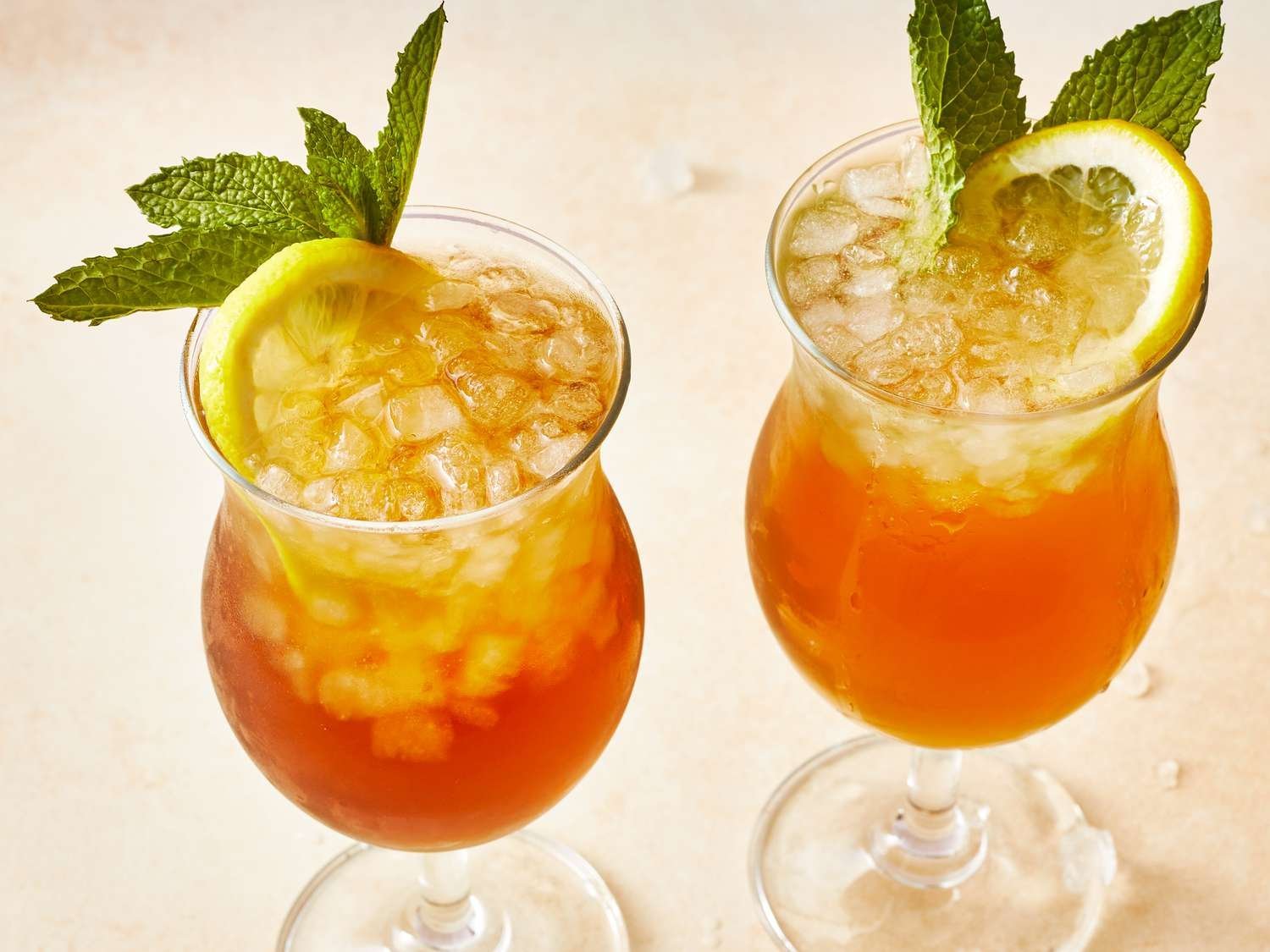
This guide is for the home host who wants to serve a classic, crowd-pleasing cocktail without needing a complex bar setup. You likely already have the standard clear spirits in your cupboard, or you’re planning to stock them for a party. You need a recipe that delivers a consistent, professional result every time you shake it, rather than a drink that tastes like pure alcohol.
This page serves the person who values speed and balance. If you’re looking for a drink with a single base spirit or a low-alcohol option, this isn’t the right recipe for you. This article assumes you’re using a standard cocktail shaker and a jigger to measure your pours. If you don’t have a jigger, you’ll struggle to keep the flavors balanced, as even a small “free pour” error with five different spirits can ruin the profile.
If you’re a beginner, stick to the exact measurements provided. Experienced bartenders often adjust the sour-to-cola ratio based on the sweetness of their specific brand of triple sec. If you prefer a less sweet drink, you can reduce the triple sec by a quarter ounce.
Factors that change the flavor
The quality of your ice is the first thing people ignore. Large, solid cubes melt slower than small, crushed ice, which keeps the drink from becoming watery before you finish it. If you use old freezer ice that has absorbed food smells, those flavors will ruin the drink.
The temperature of your spirits matters more than you might think. Keeping your vodka, gin, and tequila in the freezer creates a smoother mouthfeel. If your spirits are at room temperature, the ice melts faster during the shaking process, which dilutes the cocktail and lowers the intensity of the flavor.
The brand of cola you choose acts as the final balance. A standard cola provides the caramel notes and acidity needed to cut through the five spirits. If you use a diet cola, the artificial sweeteners can leave a bitter aftertaste when mixed with the citrus in the sour mix. Always use a full-sugar version for the best results.
Your technique for shaking is the most common mistake. Beginners often shake too gently or for too little time. You must shake the cocktail vigorously for at least 15 seconds. This is the only way to properly aerate the mixture and chill it to the point where the spirits integrate. If you shake for less than 10 seconds, the drink will feel sharp and disjointed.
How To Make Long Island Iced Tea: Step-by-Step
- Fill a cocktail shaker two-thirds full with fresh, solid ice cubes.
- Pour 1/2 ounce of vodka, 1/2 ounce of white rum, 1/2 ounce of gin, 1/2 ounce of silver tequila, and 1/2 ounce of triple sec into the shaker.
- Add 1 ounce of fresh sour mix, which consists of equal parts lemon juice and simple syrup.
- Secure the shaker lid tightly and shake vigorously for 15 seconds until the outside of the shaker feels very cold to the touch.
- Fill a tall Collins glass with fresh ice cubes, leaving about an inch of space at the top.
- Strain the mixture from the shaker into the glass, pouring slowly to avoid splashing.
- Top the glass with 2 to 3 ounces of cold cola, just enough to fill the remaining space.
- Stir the drink once gently with a long spoon to combine the cola with the spirits without removing the carbonation.
- Garnish with a fresh lemon wedge placed on the rim of the glass.
The goal is a drink that’s cold and crisp. If the color is too dark, you have added too much cola; if it’s too pale, you need a splash more. As noted in the safe minimum internal temperatures provided by FoodSafety.gov, always handle citrus and garnishes with clean hands to prevent contamination. This is a simple process, but it requires precision. If you don’t measure, the high alcohol volume will mask the other ingredients.
Drink variations at a glance
| Situation | What to do | What it takes | Watch for |
|---|---|---|---|
| Party size | Batch in pitcher | 5 minutes | Dilution speed |
| Less sweet | Cut triple sec | 1 minute | Sour balance |
| More citrus | Add lemon twist | 30 seconds | Bitter oils |
| Stronger kick | Add more spirit | 1 minute | Alcohol bite |
| Low calorie | Use club soda | 1 minute | Flat taste |
When batching for a crowd, don’t add ice to the pitcher itself. Ice melts at different rates depending on the surface area of your cubes. Instead, keep the base mixture chilled in the fridge and pour over fresh ice in individual glasses. This prevents the drink from turning watery before the first round is finished.
If you find a drink too sweet, don’t simply add more lime juice. You must also increase the base spirit by a quarter ounce to maintain the structural integrity of the cocktail. Without this, the drink will lose its body and taste thin.
For those adjusting for low calories, avoid using tonic water as a substitute for club soda. Tonic contains high-fructose corn syrup that negates your goal. If the club soda makes the drink taste flat, add a pinch of salt or a dash of bitters to restore the mouthfeel.
Finally, when adding a lemon twist, express the oils over the surface of the glass rather than dropping the peel in immediately.
Getting the best result
Preparation and technique
The difference between a good cocktail and a bad one is the temperature of the glass. Place your Collins glass in the freezer for 10 minutes before you begin. This keeps the drink cold while you’re drinking it. Use a jigger for every single pour. If you guess the amounts, you’ll end up with a drink that tastes like nothing but fire.
Always use fresh lemon juice. Bottled lemon juice contains preservatives that alter the flavor profile significantly. You can make your own simple syrup by dissolving one part sugar into one part hot water and letting it cool. This simple step separates a professional-tasting drink from one that tastes like a cheap bar mix.
Refining the pour
When you add the cola, pour it down the side of the glass. This prevents the soda from foaming over the top. If you pour it directly into the center, you lose the carbonation that gives the drink its refreshing bite. A single stir with a long spoon is enough to mix the layers. Don’t over-stir, as this flattens the soda and ruins the texture.
What goes wrong, and what to do
| What you notice | What it means | What to do first | How to stop it |
|---|---|---|---|
| Too strong | Bad ratio | Add more cola | Measure accurately |
| Too watery | Over-shaken | Use less ice | Shake less time |
| Bitter taste | Low quality mix | Use fresh lemon | Use fresh juice |
| Flat soda | Old cola | Open new bottle | Keep bottle sealed |
| Metallic tang | Cheap spirits | Change brands | Use premium base |
The most common mistake is failing to account for dilution. If your drink turns watery within minutes, you likely over-shaken or used ice that was already melting. To test this, check your ice; if it looks rounded rather than jagged, it’s too wet and will ruin the drink’s texture.
If you find the flavor profile shifting mid-drink, the culprit is usually the temperature of your glassware. A room-temperature glass forces the ice to melt twice as fast. Always chill your glass for at least ten minutes in the freezer before pouring.
When measuring, never eyeball the pour. A difference of just half an ounce shifts the balance from a balanced cocktail to a harsh, alcohol-forward mess. If you’re serving a crowd, use a jigger every single time.
Finally, if the drink tastes “off” despite using premium ingredients, check your citrus. If you squeezed the juice more than two hours ago, the oxidation has already turned the flavor flat and acidic. If you can’t juice on demand, stick to whole fruit wedges instead.
Rules for serving
Alcohol safety is the primary rule for any mixed drink. The high volume of spirits in this cocktail means it contains significantly more alcohol than a standard beer or glass of wine. Always serve this drink with water on the side and ensure your guests have food available.
A common mistake is assuming that mixers mask the potency of the spirits. This leads guests to consume the drink faster than their bodies can process the alcohol. If you notice a guest slurring their words or losing coordination, cut them off immediately. It’s better to face a moment of social awkwardness than to risk a medical emergency or legal liability.
If you’re serving alcohol in a public or commercial setting, you must follow your local liquor laws regarding serving sizes and responsible service. These rules vary by country and state; check your local government’s licensing board website for the exact legal limits in your area.
Never serve this drink to anyone who is already intoxicated or to anyone under the legal drinking age. If you’re hosting, it’s your responsibility to monitor consumption and provide non-alcoholic alternatives.
Use this simple decision rule: if a guest can’t walk in a straight line or hold a coherent conversation, stop service. Offer them a glass of water and arrange for a safe ride home. If you don’t have the proper equipment or knowledge to serve alcohol safely, stick to non-alcoholic beverages.
The cost of the ingredients
The cost of this cocktail varies based on the quality of the five spirits you choose. If you buy small, entry-level bottles, the cost per drink is quite low, often very inexpensive. If you choose premium, top-shelf spirits, the cost can easily triple.
The biggest expense isn’t the ingredients, but the waste. If you buy five full-sized bottles for a single party, you’re spending a significant amount of money upfront. To keep costs down, look for 375ml bottles if you don’t plan on making these drinks frequently. This prevents you from having half-empty bottles sitting on your shelf for years.
A common mistake is buying bulk sizes to save on the per-ounce price. This only works if you finish the bottle within six months. Beyond that, oxidation ruins the flavor profile of delicate gins and vermouths.
The price of fresh lemons and sugar is negligible. Always compare prices at your local store before buying, as liquor taxes change the final price depending on your location. Use a simple rule: if you host fewer than four parties a year, prioritize smaller formats over bulk discounts.
Keeping your bar stocked
Store your spirits in a cool, dark place away from direct sunlight. High temperatures and light can degrade the flavor of gin and triple sec over time. Once opened, these bottles will stay good for several months if the caps are sealed tightly.
If you notice a change in the color or a strange odor when you open a bottle, it’s time to discard it. Simple syrup should be stored in the refrigerator and will stay fresh for about two weeks. If you see any cloudiness or mold in the syrup, throw it away immediately.
A common mistake is keeping citrus-based liqueurs or vermouths in the cupboard after opening. Treat these like perishable food; they must be refrigerated to prevent oxidation that turns them sour within weeks. If the label says “fortified wine,” it belongs in the fridge.
Clean your shaker and jigger with hot, soapy water after every use. Residue from previous drinks can turn rancid and ruin your next batch. If your shaker lid becomes stuck, run the metal under warm water to help loosen the seal.
When to choose another drink
This recipe isn’t the right choice if you’re hosting guests who prefer low-alcohol drinks. Because this cocktail contains five different spirits, it’s inherently potent. If your guests are driving, serve a non-alcoholic mocktail instead.
If you’re using a plastic shaker, you’ll struggle to get the drink cold enough. Plastic doesn’t conduct cold as well as metal, which leads to a lukewarm, watery cocktail. If you don’t have a metal cocktail shaker, use a heavy-duty glass jar with a tight lid. Don’t attempt to make this without a way to measure the spirits. If you don’t have a jigger, use a tablespoon to measure. One ounce equals two tablespoons. If you find the process of measuring five different spirits too tedious for a large group, choose a punch recipe that allows for easier batching.
Can I use lime instead of lemon?
Yes, you can use lime juice, but it changes the profile to a more tart, citrusy flavor. Most classic recipes call for lemon to maintain the balance with the sweetness of the cola and triple sec. Use fresh-squeezed juice for the best results, regardless of which citrus you choose.
Is it safe to shake with ice?
Yes, shaking with ice is the standard method for chilling and diluting this cocktail simultaneously. The ice must be clean and free of freezer odors. If you’re worried about dilution, use large, dense ice cubes that melt more slowly during the 15-second shaking process.
Why does my drink taste bitter?
Bitterness usually comes from using low-quality, artificial sour mix or old, oxidized citrus juice. Ensure you’re using fresh-squeezed lemon juice and a high-quality simple syrup. Also, check that your triple sec isn’t expired, as citrus liqueurs can turn bitter if stored improperly for too long.
How long does the simple syrup last?
Simple syrup lasts for about two weeks when stored in a sealed container in the refrigerator. If you notice any cloudiness, sediment, or a change in smell, discard the batch immediately. You can make a fresh batch in five minutes by boiling equal parts water and sugar.
Does the order of ingredients matter?
No, the order in which you add the spirits to the shaker doesn’t affect the final taste. The most important factor is the ratio of the five spirits and the sour mix. Ensure you measure each pour accurately so that no single spirit overpowers the others in the final glass.
Can I batch this for a party?
Yes, you can batch this by multiplying the ratios and keeping the mixture in a pitcher in the refrigerator. Don’t add the ice or the cola until the moment you’re ready to serve. Add the cola to individual glasses just before serving to ensure the drink stays fizzy.
Follow the measurements exactly as listed to ensure the balance of the five spirits remains consistent. You’ll know the drink is ready when the shaker is frosted and the contents are thoroughly chilled. If you feel unsure about your ability to serve alcohol responsibly, stop the process and choose a non-alcoholic option instead.

Hello, This is Annie Walker, a 38-year-old blogger, founder, and editor of Cookware Guider from NY, USA. I am a cookware fanatic and passionate cooker. I love to cook with different types of cooking appliances (example: all types of cookware, rice cookers, slow cookers, etc) almost every day in my kitchen. I love to share my experience with my readers in my blog. Also, I enjoy helping people to solve their problems through my website. You can follow me on Twitter & Pinterest. To know details about my blog please check the about us page.