
Craving a crunchy, warm snack but don’t have a popcorn maker? You can easily make popcorn right on your stovetop using a simple saucepan.
It’s quick, fun, and gives you full control over the flavor and freshness. Imagine the satisfying pop sounds filling your kitchen and the smell of freshly popped corn tempting your taste buds. Keep reading, and you’ll learn exactly how to turn just a few ingredients into the perfect batch of popcorn, every time.
Your next movie night snack just got a whole lot better!
Choosing The Right Ingredients
Making popcorn in a saucepan is simple and fun. The secret to perfect popcorn starts with choosing the right ingredients. Each choice affects the taste, texture, and healthiness of your snack. Quality ingredients make a big difference. Fresh kernels, good oil, and tasty seasonings create a delicious treat. Let’s explore how to pick these key items for the best popcorn.
Selecting Popcorn Kernels
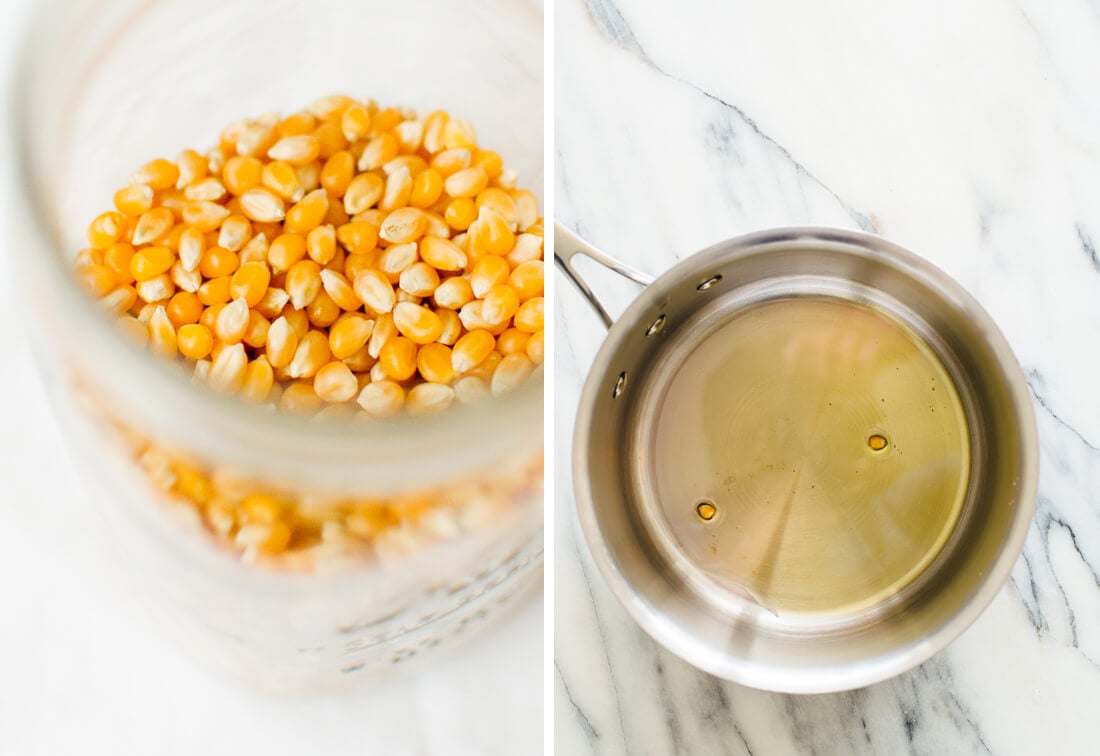
Popcorn kernels come in different types and sizes. Choosing the right kernels affects how well your popcorn pops and how fluffy it becomes.
- Freshness matters: Old kernels may not pop well. Buy from a store with high turnover.
- Kernel type: There are two main types: butterfly and mushroom. Butterfly kernels have irregular shapes with wings. They are light and crispy. Mushroom kernels are round and dense, perfect for coatings like caramel.
- Moisture content: Kernels with about 13-14% moisture pop best. Too dry or too wet kernels will leave many unpopped.
| Kernel Type | Shape | Best For |
|---|---|---|
| Butterfly | Irregular, fluffy wings | Classic popcorn, light and crispy |
| Mushroom | Round and compact | Coated popcorn like caramel or cheese |
Pick kernels labeled for popping, not for decoration. Store them in a cool, dry place. Use within six months for best results.
Picking The Best Oil
Oil helps popcorn pop evenly and adds flavor. Choosing the right oil affects health and taste.
Use oils with a high smoke point to avoid burning. Here are good options:
- Canola oil: Mild flavor, affordable, and healthy fats.
- Coconut oil: Adds a subtle sweetness and classic popcorn taste.
- Peanut oil: Strong flavor and high smoke point, good for richer taste.
- Vegetable oil: Neutral flavor and widely available.
| Oil Type | Smoke Point (°F) | Flavor | Health Notes |
|---|---|---|---|
| Canola | 400 | Mild | Low in saturated fat |
| Coconut | 350 | Slightly sweet | Contains saturated fat |
| Peanut | 450 | Rich, nutty | Good for heart health |
| Vegetable | 400 | Neutral | Common, affordable |
Avoid butter or olive oil for popping. Butter burns easily and olive oil has a low smoke point. Add butter after popping for flavor.
Optional Seasonings
Seasonings turn plain popcorn into a tasty snack. Choose simple or bold flavors to suit your mood.
Common seasoning options:
- Salt: The classic choice. Use fine salt for even coverage.
- Butter or butter-flavored spray: Adds richness and moisture.
- Cheese powder: For a savory and tangy taste.
- Cinnamon and sugar: Sweet and warm flavor perfect for dessert popcorn.
- Spices like paprika, chili powder, or garlic powder: Add heat and depth.
Use a small bowl or shaker to mix seasonings with popped popcorn. Toss gently for even coating.
Try combining flavors like salt and nutritional yeast for a cheesy taste without dairy. Or make sweet popcorn using honey drizzle and a pinch of salt.
Credit: cookieandkate.com
Preparing The Saucepan
Making popcorn in a saucepan is simple and fun. The first step is preparing the saucepan properly. A well-prepared pan helps popcorn pop evenly and prevents burning. Pay attention to the pan size and temperature before adding kernels. This preparation ensures fluffy, tasty popcorn every time.
Choosing The Proper Pan Size
Selecting the right pan size is important for perfect popcorn. A pan that is too small will crowd the kernels, causing uneven popping and burning. A pan that is too large may waste oil and heat unevenly.
Here are some tips to choose the proper pan size:
- Use a pan with a heavy bottom: It helps distribute heat evenly and avoids hot spots.
- Opt for a 3 to 4-quart saucepan: This size fits about 1/3 cup of popcorn kernels well, allowing space for popping.
- Check for a tight-fitting lid: It keeps the heat in and prevents popcorn from flying out.
- Material matters: Stainless steel or enameled pans work well. Non-stick pans can be used but avoid high heat to protect coating.
The following table compares pan sizes and their benefits:
| Pan Size | Best For | Pros | Cons |
|---|---|---|---|
| 2-quart | Small batches (1/4 cup kernels) | Easy to handle, less oil needed | May crowd popcorn, less airflow |
| 3 to 4-quart | Medium batches (1/3 to 1/2 cup kernels) | Enough space for popping, even heat | Takes more storage space |
| 5-quart or larger | Large batches (more than 1/2 cup kernels) | Great for big groups | Hard to shake, uses more oil |
Preheating The Pan
Preheating the saucepan is key for popping success. A hot pan heats the kernels quickly, making them pop faster and better. Start with medium heat to avoid burning the oil or kernels.
Follow these steps to preheat your pan:
- Place the empty saucepan on the stove over medium heat.
- Let it warm for about 2 minutes.
- Add 2 to 3 tablespoons of oil with a high smoke point (like vegetable or canola oil).
- Swirl the oil to coat the bottom of the pan evenly.
- Wait until the oil shimmers but does not smoke.
- Test heat by dropping 2-3 kernels into the oil.
When these test kernels pop, the pan is ready. Add the rest of your kernels quickly and cover the pan with a lid. Preheating helps kernels pop almost all at once, giving you fluffy popcorn and less burning.
Popping The Corn
Popping popcorn in a saucepan is a simple and satisfying way to enjoy fresh popcorn at home. The key step is popping the corn correctly, which requires attention to heat, oil, and timing. This process turns hard kernels into fluffy, crunchy popcorn. Understanding how to add oil and kernels, cover the pan, and shake it for even cooking ensures every kernel pops just right. Follow these steps carefully for the best results.
Adding Oil And Kernels
Start by choosing the right oil. Use an oil with a high smoke point like canola, vegetable, or coconut oil. Avoid butter because it burns easily. Add about 2 to 3 tablespoons of oil to a medium saucepan.
Heat the oil over medium heat for about 1 minute. To test the heat, drop 2 or 3 kernels into the oil. When they pop, the oil is ready.
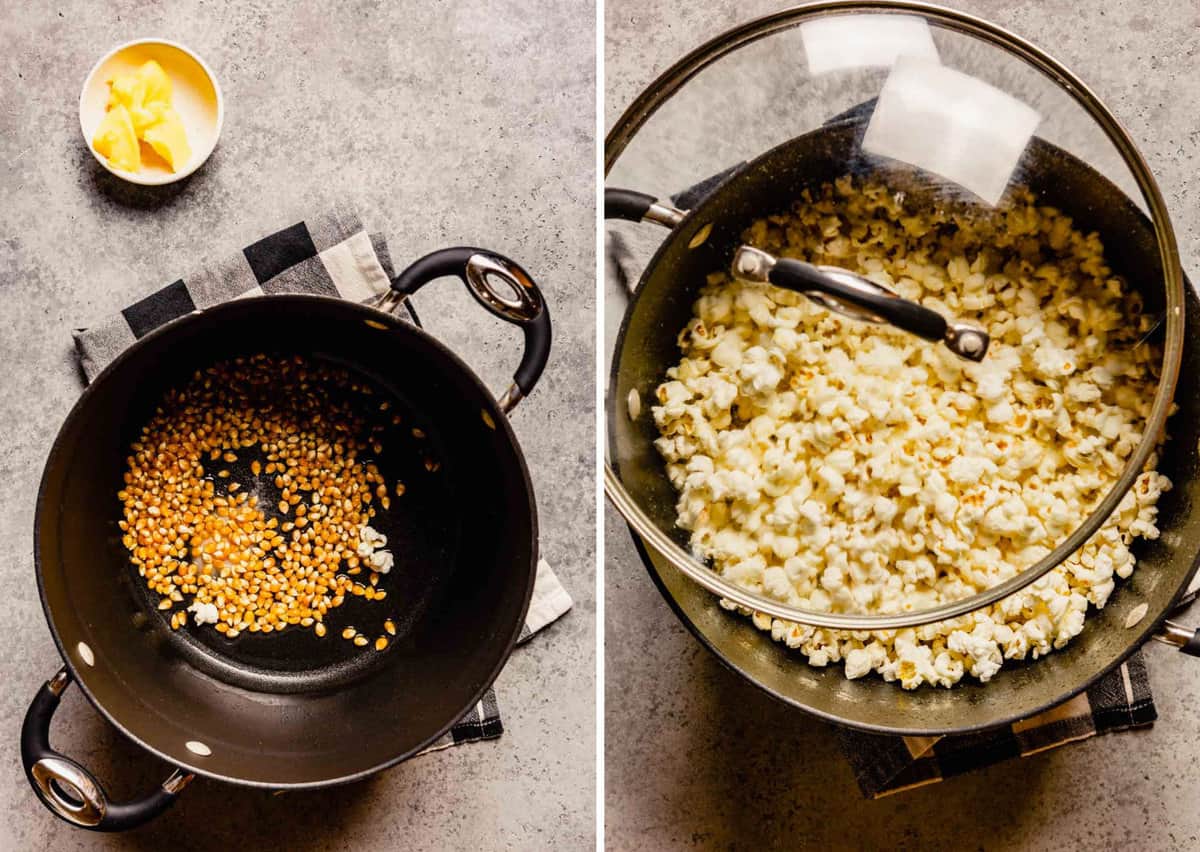
Next, add 1/3 cup of popcorn kernels in an even layer on the bottom of the pan. Do not overcrowd the pan; kernels need space to pop.
| Step | Amount | Notes |
|---|---|---|
| Oil | 2-3 tablespoons | Use high smoke point oil |
| Kernels | 1/3 cup | Even layer, no crowding |
Important: Avoid adding too many kernels. Too many can cause burning and uneven popping. The oil should just cover the bottom of the pan.
Covering The Pan
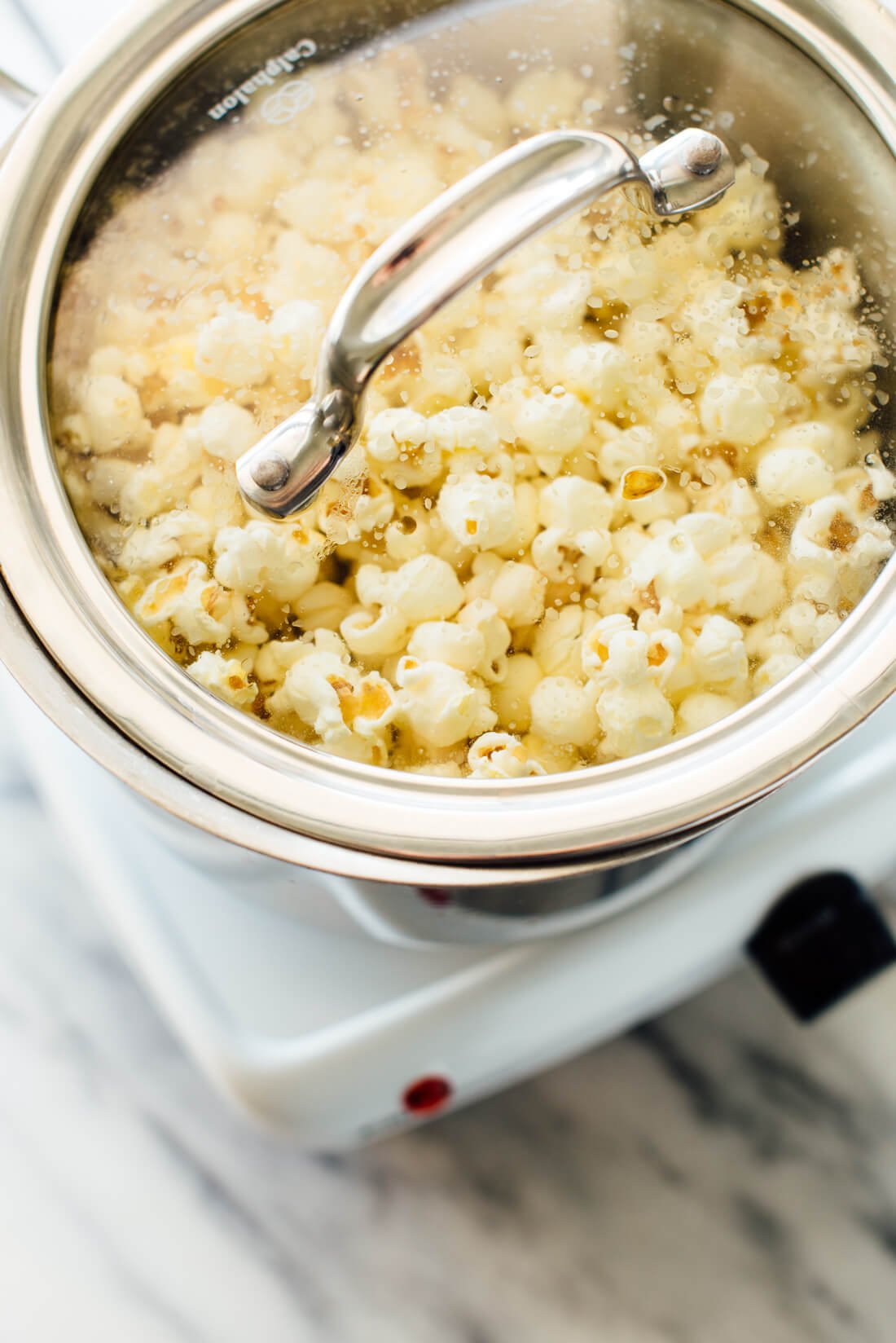
Covering the saucepan is essential to keep the heat inside and let the popcorn pop properly. Use a tight-fitting lid to trap steam and heat.
Steam helps the kernels explode into fluffy popcorn. Without the lid, the heat escapes, and kernels may burn or remain unpopped.
- Place the lid securely on the pan before popping starts.
- Leave a small gap or vent if the lid doesn’t have a steam vent. This prevents soggy popcorn.
- Do not remove the lid during popping to keep the heat steady.
Tip: If the lid does not fit tightly, use a metal spatula or spoon to hold it slightly ajar. This allows steam to escape while keeping most heat inside.
Keeping the lid on helps popcorn pop evenly and prevents mess from flying kernels. It also keeps the kitchen cleaner.
Shaking For Even Cooking
Shaking the pan while popping is important. It moves kernels around, so heat spreads evenly. This stops popcorn from burning on one side.
Hold the pan handle with one hand and the lid with the other. Shake gently back and forth every few seconds.
- Start shaking as soon as popping begins.
- Shake in short, steady motions to mix kernels.
- Keep the pan over medium heat while shaking.
Shaking also helps unpopped kernels reach the hot oil. This increases popping rate and reduces waste.
Warning: Do not shake too hard or too fast. Hot oil can splash and cause burns.
When popping slows to about 2 seconds between pops, remove the pan from heat. Keep shaking for a few seconds off heat to finish popping.
Credit: cookieandkate.com
Finishing Touches
After the popcorn kernels finish popping in your saucepan, the final steps bring out the best flavors and textures. These finishing touches make your homemade popcorn a delicious snack. Properly removing the pan from heat, adding tasty seasonings, and serving it just right will transform simple popcorn into a treat everyone will enjoy.
Removing From Heat
Once the popping slows down to about 2 seconds between pops, it’s time to remove the saucepan from the heat. Leaving it on the burner too long can burn the popcorn or make it taste bitter. Follow these steps to safely and effectively take the pan off the heat:
- Turn off the stove burner immediately. This stops the heat source and prevents burning.
- Lift the pan carefully using oven mitts. The handle can be very hot.
- Place the pan on a heat-resistant surface. Avoid countertops that might crack or get damaged by the hot pan.
- Keep the lid on for a few seconds. This lets any last kernels finish popping without flying out.
Removing the pan too late risks burnt popcorn, while too early leaves many unpopped kernels. Watch the popping sound closely for the best timing.
Adding Seasonings
Seasoning popcorn is where creativity meets taste. Freshly popped popcorn is warm and ready to absorb flavors. Follow these tips for even seasoning:
- Transfer popcorn to a large bowl. This gives space to mix seasonings without crushing the popcorn.
- Drizzle melted butter or oil. It helps the seasonings stick better.
- Sprinkle seasonings gradually. Toss or stir the popcorn gently after each addition.
Here are some popular seasoning ideas:
| Seasoning | Flavor Profile | How to Use |
|---|---|---|
| Salt | Classic, savory | Sprinkle lightly for balanced taste |
| Parmesan cheese | Rich, cheesy | Grate finely, toss well |
| Chili powder | Spicy, smoky | Add small amounts for heat |
| Cinnamon and sugar | Sweet, warm | Mix sugar with cinnamon, sprinkle evenly |
| Garlic powder | Savory, aromatic | Use sparingly to avoid overpowering |
Experimenting with different seasonings creates unique popcorn flavors. Add a little at a time and taste as you go.
Serving Suggestions
Presentation matters. Serving popcorn in an inviting way enhances the snack experience. Here are some ideas to serve your homemade popcorn:
- Use colorful bowls or paper cones. Bright colors make popcorn look more fun.
- Offer a seasoning bar. Let guests add their own toppings like cheese, chocolate chips, or nuts.
- Pair popcorn with drinks. Serve with soda, juice, or tea for a complete snack time.
- Serve warm. Popcorn tastes best fresh and warm, so serve immediately after seasoning.
For parties or movie nights, portion popcorn into small cups or bags for easy sharing. Adding a sprinkle of extra seasoning on top before serving adds a final touch.
These finishing touches make popcorn more enjoyable and turn simple kernels into a tasty treat everyone will appreciate.
Troubleshooting Common Issues
Making popcorn in a saucepan is simple and fun. Yet, some common issues can spoil the experience. Troubleshooting helps fix problems like unpopped kernels, burnt popcorn, or heat differences on various stovetops. Understanding these issues saves time and ensures tasty popcorn every time.
Dealing With Unpopped Kernels
Unpopped kernels, also called “old maids,” are a common problem. They happen because some kernels lack enough moisture or the heat is uneven.
Ways to reduce unpopped kernels:
- Use fresh popcorn kernels. Old kernels dry out and won’t pop well.
- Store kernels in an airtight container to keep moisture inside.
- Preheat the oil properly. The oil should be hot but not smoking before adding kernels.
- Shake the saucepan gently during popping. This moves kernels for even heat.
- Use the right amount of oil. Too little oil causes uneven heating; too much makes popcorn oily.
Here is a simple table showing moisture content and popping success:
| Moisture Content | Effect on Popping |
|---|---|
| ~13.5% | Ideal moisture, kernels pop well |
| <12% | Kernels dry, many won’t pop |
| >14% | Kernels too wet, may pop poorly or steam |
Try these tips to get more kernels popped and less waste.
Avoiding Burnt Popcorn
Burnt popcorn smells bad and tastes bitter. It happens when heat is too high or popcorn stays too long on the stove.
Steps to prevent burning:
- Use medium heat to allow kernels to pop without burning.
- Keep the lid on the saucepan to trap heat but shake often to avoid hot spots.
- Remove the pan from heat when popping slows to 2-3 seconds between pops.
- Choose a heavy-bottomed saucepan for even heat distribution.
- Do not leave popcorn unattended.
Here is a quick guide for heat levels and popping results:
| Heat Level | Outcome |
|---|---|
| Low | Slow popping, some unpopped kernels |
| Medium | Good popping, no burning |
| High | Fast popping, risk of burning |
Watching the popcorn and controlling heat stops burning and keeps flavor fresh.
Adjusting For Different Stovetops
Stovetops vary in heat output and how they spread heat. Gas, electric, and induction cooktops need different popcorn techniques.
Gas stovetops: Provide quick, strong heat. Use medium or medium-low heat and shake the pan often. The flame can be uneven, so constant movement is key.
Electric stovetops: Heat slower and keep heat longer. Start at medium heat, and reduce if popcorn burns. Use a heavy pan to spread heat evenly.
Induction stovetops: Heat very fast and react quickly to adjustments. Use medium or low heat and watch popcorn closely. Choose a pan compatible with induction cooking.
Here is a summary of stovetop types and tips:
| Stovetop Type | Heat Characteristics | Popcorn Tips |
|---|---|---|
| Gas | Fast, uneven heat | Medium heat, shake pan often |
| Electric | Slow heating, even heat | Medium heat, heavy pan |
| Induction | Fast, precise heat | Low to medium heat, use induction pan |
Adjust heat and technique based on your stovetop for the best popcorn results.
Credit: www.browneyedbaker.com
Frequently Asked Questions
How Do I Make Popcorn In A Saucepan?
Heat oil in a saucepan over medium heat. Add popcorn kernels and cover with a lid. Shake occasionally until popping slows. Remove from heat and season as desired. This method produces fresh, crispy popcorn quickly and easily.
What Type Of Oil Is Best For Stovetop Popcorn?
Use oils with high smoke points like coconut, canola, or vegetable oil. These oils prevent burning and ensure even popping. Avoid butter or olive oil as they can burn at high heat, affecting flavor and texture.
How Much Popcorn Should I Use Per Batch?
Use about 1/4 cup of kernels for a standard saucepan. This yields roughly 6 cups of popped popcorn. Avoid overcrowding to ensure even heat distribution and prevent unpopped kernels.
Can I Add Seasonings While Making Popcorn In A Saucepan?
It’s best to add salt or dry seasonings after popping. Adding seasonings during cooking may burn them or cause uneven flavor. Toss popcorn with melted butter or seasoning immediately after popping for best taste.
Conclusion
Making popcorn in a saucepan is quick and easy. Just a few simple steps create a tasty snack. You control the ingredients and flavors yourself. No need for special machines or bags. Use oil and kernels, heat, and wait for popping.
Listen for the popping to slow down. Then, enjoy fresh popcorn right at home. Try different seasonings for fun tastes. This method saves money and reduces waste. Perfect for movie nights or anytime you want a treat. Popcorn in a saucepan is a simple, delicious choice.

Hello, This is Annie Walker, a 38-year-old blogger, founder, and editor of Cookware Guider from NY, USA. I am a cookware fanatic and passionate cooker. I love to cook with different types of cooking appliances (example: all types of cookware, rice cookers, slow cookers, etc) almost every day in my kitchen. I love to share my experience with my readers in my blog. Also, I enjoy helping people to solve their problems through my website. You can follow me on Twitter & Pinterest. To know details about my blog please check the about us page.