
If you want to cook healthy meals quickly and easily, a saucepan steamer can be your best kitchen helper. Using this simple tool can keep your food full of flavor and nutrients without extra oil or fat.
But maybe you’re not sure how to use it right or get the best results. Don’t worry—this guide will show you step-by-step how to make the most of your saucepan steamer. By the end, you’ll be confident to prepare delicious steamed dishes that your whole family will love.
Ready to unlock the secret to easy, tasty, and healthy cooking? Let’s dive in!
Choosing The Right Saucepan Steamer
Choosing the right saucepan steamer makes cooking easier and healthier. A good steamer fits well on your saucepan and suits your cooking needs. It saves time and helps keep food fresh and full of nutrients. Knowing about materials, sizes, and steamer basket types helps you pick the best one for your kitchen.
Materials And Sizes
Steamer baskets come in different materials. Each has benefits and drawbacks. Here are the common materials:
- Stainless Steel: Durable, rust-resistant, and easy to clean. It works well for long-term use.
- Bamboo: Lightweight and natural. Bamboo steamers add a mild flavor to food but require careful cleaning.
- Silicone: Flexible and heat-resistant. Easy to store and clean but less sturdy than metal.
Choosing the right size is important. The steamer basket must fit your saucepan tightly. If too small, steam will escape. If too big, it won’t sit properly. Common sizes include:
| Diameter | Best For |
|---|---|
| 6-7 inches | Small saucepans, single servings, small families |
| 8-9 inches | Medium saucepans, typical family meals |
| 10-12 inches | Large pots, steaming larger amounts or bigger vegetables |
Measure your saucepan’s diameter before buying a steamer basket. This ensures a snug fit. Also, consider the height of the steamer. It should allow enough space for steam to circulate under the lid.
Steamer Basket Types
There are different steamer basket designs. Each type fits specific needs and saucepan shapes. Common types include:
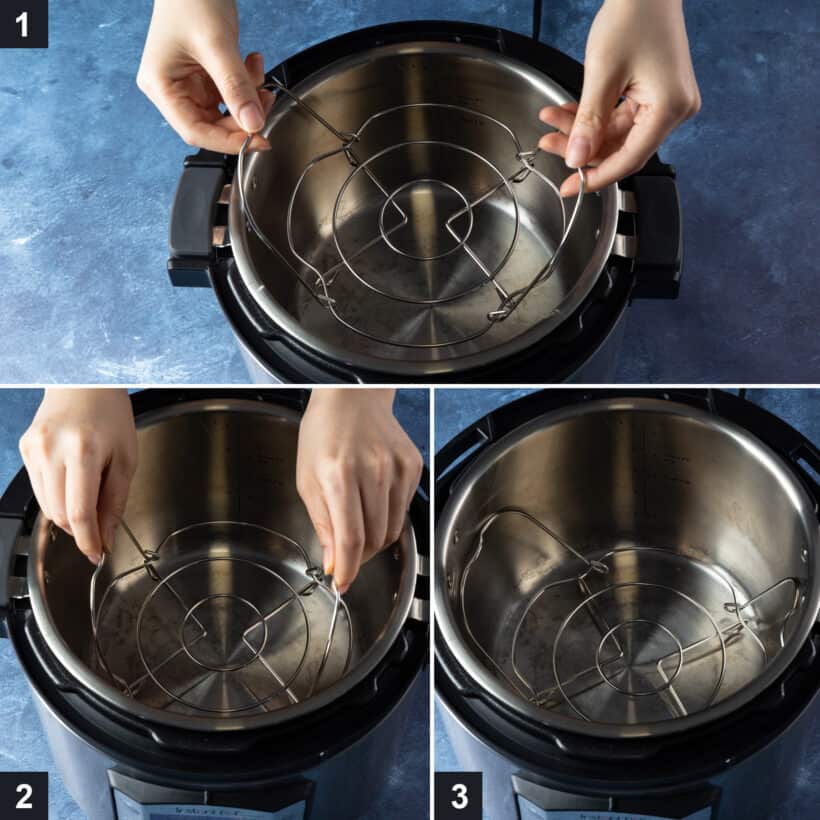
- Collapsible Steamer Basket: Expands to fit multiple pan sizes. Easy to store in small kitchens.
- Flat Steamer Basket: Sits flat at the bottom of the saucepan. Good for delicate food that needs even steam.
- Tiered Steamer Basket: Has multiple layers to steam several foods at once. Saves time and space.
Here is a quick comparison:
| Type | Best Use | Pros | Cons |
|---|---|---|---|
| Collapsible | Various saucepan sizes | Adjustable, easy storage | Less stable on some pans |
| Flat | Delicate food, even steaming | Stable, simple design | Limited to pan size |
| Tiered | Multiple foods at once | Efficient, saves time | Takes more space |
Think about the type of food you cook most. Choose a steamer basket that matches your cooking style. This helps improve your kitchen experience and meal quality.
Credit: naranjosdemarbella.com
Preparing Your Saucepan Steamer
Preparing your saucepan steamer is the first step to cooking healthy and tasty meals. A saucepan steamer uses steam to cook food gently. This keeps vitamins and flavors inside the food. Proper preparation helps steam cook evenly and prevents accidents. Follow simple steps to get your saucepan and steamer ready before cooking.
Filling With Water
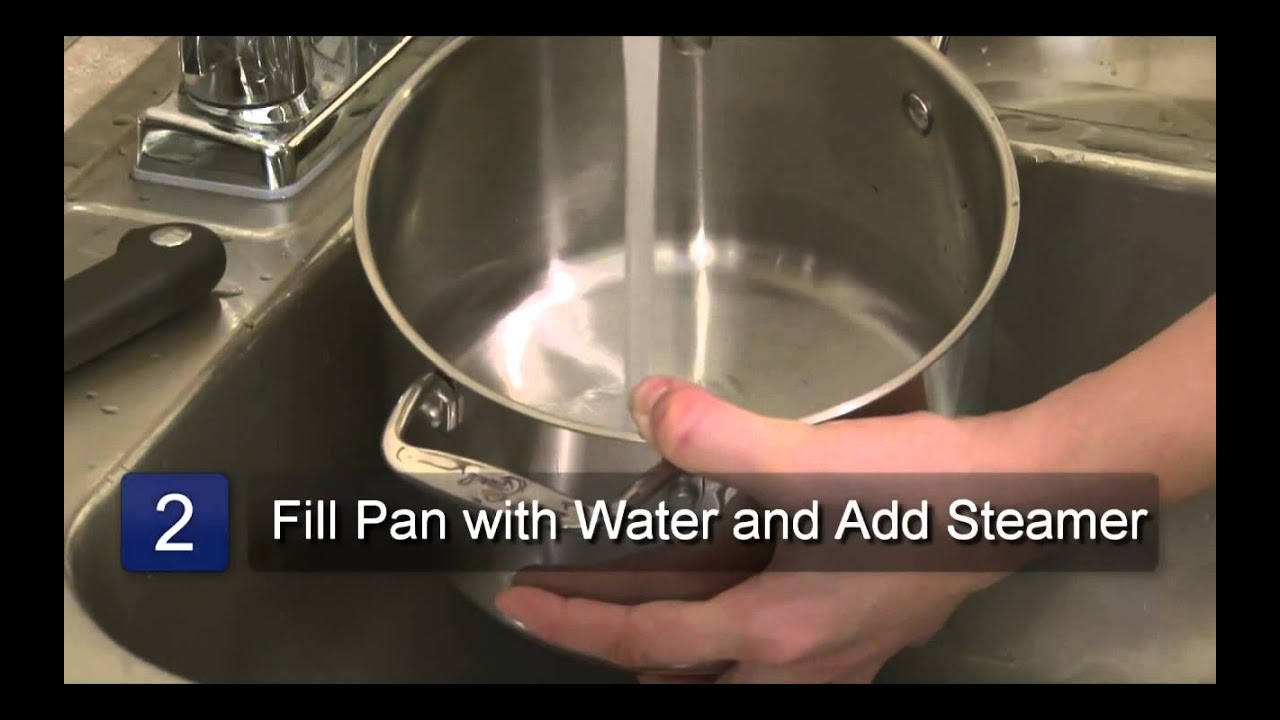
Start by filling the saucepan with the right amount of water. The water should not touch the bottom of the steamer basket. Too much water can boil over. Too little water will dry out and burn the pan.
Steps to fill water correctly:
- Check the steamer basket height.
- Pour water into the saucepan below the basket level.
- Use cold or room temperature water for best results.
- Do not fill water above the basket’s base.
Here is a simple table for water levels based on steamer basket height:
| Steamer Basket Height | Water Level |
|---|---|
| 2 inches (5 cm) | 1 inch (2.5 cm) |
| 3 inches (7.5 cm) | 1.5 inches (4 cm) |
| 4 inches (10 cm) | 2 inches (5 cm) |
Check water level during cooking. Add hot water if it gets low to keep steam going. Use a spoon or cup to add water carefully. Avoid removing the lid too often. This keeps steam inside and cooks food faster.
Setting Up The Steamer Basket
Place the steamer basket correctly in the saucepan. The basket holds food above the water so steam can cook it. A good setup helps steam go around food evenly. This cooks food well and keeps it moist.
How to set up the basket:
- Make sure the basket fits the saucepan size.
- Place the basket gently over the water-filled pan.
- Check that the basket is stable and does not wobble.
- Arrange food in a single layer inside the basket for even cooking.
- Leave space between food pieces so steam can circulate.
Follow these tips for better results:
- Use a basket with holes or perforations for good steam flow.
- Do not overcrowd the basket; steam needs space.
- Cover the saucepan with a tight lid to trap steam.
Proper basket setup reduces cooking time and keeps food texture perfect. It also prevents water from splashing onto your food. Take time to arrange food and basket carefully before turning on the heat.
Steaming Techniques
Steaming is a gentle and healthy way to cook food using a saucepan steamer. It keeps vitamins and flavors inside the food while using only water and heat. To get the best results, knowing the right steaming techniques is important. These techniques help cook food evenly and prevent it from drying out or burning. Two key areas to focus on are maintaining the water level and controlling the steam temperature.
Maintaining Water Level
Keeping the right water level in your saucepan steamer is essential. If the water runs out, the steamer will stop producing steam, and the food may burn or cook unevenly. On the other hand, too much water can touch the food, making it soggy instead of steamed.
Follow these tips to maintain the water level:
- Check water before heating: Fill the saucepan with water below the steamer basket level. Usually, 1 to 2 inches of water works well.
- Do not overfill: Water should not touch the food. The steam cooks the food, not the water itself.
- Replenish water carefully: If steaming takes longer than expected, add hot water to avoid stopping the steam process.
- Use a lid: Cover the saucepan to keep steam inside and prevent water from evaporating quickly.
Here is a simple guide for water levels based on cooking time:
| Steaming Time | Water Level |
|---|---|
| Up to 10 minutes | 1 inch |
| 10 to 20 minutes | 1.5 inches |
| More than 20 minutes | 2 inches |
Controlling Steam Temperature
Steam temperature affects how food cooks in a saucepan steamer. Steam is usually at 212°F (100°C) at sea level. Keeping this temperature steady ensures food cooks evenly and stays moist.
Use these methods to control steam temperature:
- Start with high heat: Bring water to a boil quickly to create steam fast.
- Lower heat to medium or low: Once steam forms, reduce heat to keep a steady steam flow without boiling over.
- Watch the steam: Too much steam means too high heat, which can dry the food. Too little steam means heat is too low, and food cooks slowly.
- Use a thermometer: A kitchen thermometer can help monitor steam temperature if needed.
Here is a quick temperature guide for common foods:
| Food Type | Steam Temperature | Heat Level |
|---|---|---|
| Vegetables | 212°F (100°C) | Medium |
| Fish | 210°F (99°C) | Medium-Low |
| Dumplings | 212°F (100°C) | Medium |
Credit: www.youtube.com
Cooking Times For Common Foods
Using a saucepan steamer is a simple way to cook food gently, keeping nutrients and flavor intact. Knowing the right cooking times for common foods helps you get perfect results every time. Steaming speeds up cooking and prevents drying out. This guide shows approximate times for vegetables, seafood, poultry, rice, and grains. Adjust times slightly based on food size and your stove’s heat. Use a timer to avoid overcooking or undercooking. Steaming is healthy and easy, making meals quick and tasty.
Vegetables
Vegetables steam quickly and keep their bright color and crunch. Different vegetables need different times to become tender but not mushy. Cut vegetables into similar sizes for even cooking.
- Leafy greens like spinach or kale take just 2-3 minutes.
- Broccoli and cauliflower need about 5-7 minutes.
- Carrots and green beans take 7-10 minutes depending on thickness.
- Potatoes and sweet potatoes require 15-20 minutes.
Here is a quick reference table for steaming vegetables:
| Vegetable | Steaming Time |
|---|---|
| Spinach | 2-3 minutes |
| Broccoli | 5-7 minutes |
| Carrots (sliced) | 7-10 minutes |
| Green beans | 7-10 minutes |
| Potatoes (cubed) | 15-20 minutes |
Check tenderness by piercing with a fork. Stop steaming when vegetables are soft but still firm.
Seafood And Poultry
Seafood and poultry cook quickly in a saucepan steamer. Steaming keeps them moist and tender. Avoid overcooking to keep texture nice.
Here are typical steaming times:
- Fish fillets: 6-10 minutes depending on thickness.
- Shrimp: 4-6 minutes until pink and opaque.
- Chicken breasts: 15-20 minutes until internal temperature reaches 165°F (74°C).
- Chicken thighs: 20-25 minutes due to extra fat and bone.
Use a meat thermometer for poultry to ensure safety. Cover the steamer to keep heat and steam inside.
| Food | Steaming Time |
|---|---|
| Fish fillets | 6-10 minutes |
| Shrimp | 4-6 minutes |
| Chicken breasts | 15-20 minutes |
| Chicken thighs | 20-25 minutes |
Rice And Grains
Steaming rice and grains takes longer but keeps a fluffy texture. Rinse rice or grains before steaming to remove starch or dust.
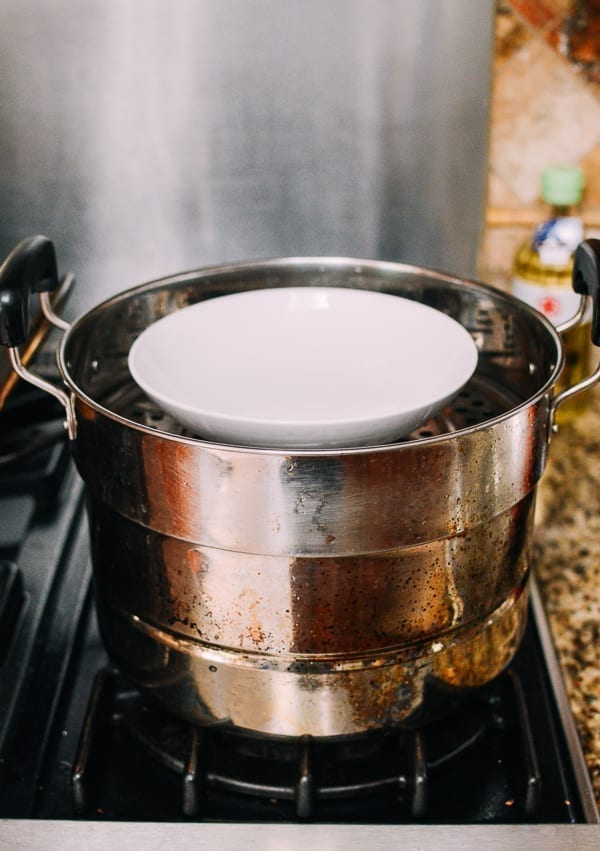
Use a heatproof bowl inside the saucepan steamer to hold rice or grains with water. Cover tightly to trap steam.
- White rice: 20-25 minutes steaming after soaking 20 minutes.
- Brown rice: 40-50 minutes due to outer bran layer.
- Quinoa: 15-20 minutes and fluff with fork.
- Bulgur wheat: 15 minutes for a light texture.
| Grain | Steaming Time | Notes |
|---|---|---|
| White rice | 20-25 minutes | Soak first for best results |
| Brown rice | 40-50 minutes | Longer cook time needed |
| Quinoa | 15-20 minutes | Rinse well before cooking |
| Bulgur wheat | 15 minutes | Quick and easy option |
Test grains after steaming. They should be tender but not mushy. Let them sit covered for a few minutes after steaming.
Cleaning And Maintenance Tips
Keeping your saucepan steamer clean and well-maintained ensures it works properly and lasts longer. Regular cleaning stops mineral buildup and food residue from damaging the steamer. Proper care also keeps your food tasting fresh and safe. Follow these simple cleaning and maintenance tips to enjoy your steamer every time you cook.
Removing Mineral Deposits
Mineral deposits, also called limescale, can form inside your saucepan steamer. These come from hard water and reduce the steamer’s effectiveness. Removing these deposits is important for good steam flow and to avoid bad smells or stains.
Use this easy method to clean mineral deposits:
- Fill the saucepan with equal parts water and white vinegar until it covers the steamer basket.
- Bring the solution to a boil, then turn off the heat and let it sit for 30 minutes.
- Remove the steamer basket and scrub it gently with a soft brush or sponge.
- Pour out the vinegar solution and rinse the saucepan and basket well with clean water.
- Dry all parts completely with a clean towel before storing.
Repeat this cleaning every 1-2 months depending on water hardness. Avoid using harsh chemicals or metal scrubbers, as they can damage the steamer’s surface.
| Step | What to Do | Why It Helps |
|---|---|---|
| 1 | Fill with water and vinegar | Breaks down mineral buildup |
| 2 | Boil and soak | Loosens deposits inside the steamer |
| 3 | Scrub gently | Removes leftover residue |
| 4 | Rinse and dry | Prevents vinegar taste and rust |
Storing Your Steamer
Storing your saucepan steamer properly keeps it clean and ready to use. Moisture or dirt can cause rust or odors if you do not store it well.
Follow these storage tips for your steamer:
- Dry completely: Always dry the steamer and basket fully before storing to stop rust and mold.
- Keep parts separate: Store the steamer basket and lid separately if possible to allow air flow.
- Use a dry cupboard: Place the steamer in a cool, dry cupboard away from moisture and strong smells.
- Avoid stacking heavy items: Do not put heavy pots or pans on top of the steamer to keep it from bending.
- Cover with a cloth: Use a clean cloth or towel to cover the steamer to keep dust off.
These simple steps protect your saucepan steamer and keep it in the best condition. Good storage prevents damage and keeps your steamer ready for quick use.
Troubleshooting Common Issues
Using a saucepan steamer is simple, but some common problems can occur during cooking. Troubleshooting these issues helps achieve perfect results every time. This section covers two frequent problems: water boiling over and uneven cooking. Understanding causes and fixes improves your steaming experience.
Water Boiling Over
Water boiling over happens when steam escapes too fast or the pot is too full. It can create a mess on your stove and waste water. To stop water from boiling over, try these tips:
- Use the right amount of water: Fill the saucepan with water below the steamer basket level, usually 1-2 inches.
- Lower the heat: Once water boils, reduce to medium or low heat to maintain gentle steam.
- Check the lid fit: A loose lid lets steam escape quickly, causing water to boil harder.
- Add a wooden spoon: Place a wooden spoon across the pot’s top to break bubbles and reduce boil-over.
Here is a quick guide to prevent water boiling over:
| Cause | Solution |
|---|---|
| Too much water | Fill water below steamer basket level |
| High heat setting | Lower heat after water boils |
| Loose lid | Use a tight-fitting lid |
| Rapid boiling bubbles | Place a wooden spoon on top |
Uneven Cooking
Uneven cooking occurs when some food pieces are overcooked, while others stay raw. This problem arises from poor food arrangement or wrong steamer use. Fix uneven cooking with these easy steps:
- Cut food evenly: Make sure food pieces are similar in size for uniform cooking.
- Arrange food properly: Place food in a single layer with space between pieces for steam to circulate.
- Don’t overcrowd: Too much food blocks steam and causes uneven heat.
- Rotate food: Turn or swap food halfway through cooking for even heat exposure.
- Use multiple layers carefully: If using stacked baskets, place faster-cooking food on top and slower below.
Here is a checklist to avoid uneven cooking:
- Cut food into equal sizes
- Leave space between pieces
- Avoid overfilling the steamer
- Rotate food during cooking
- Use proper layering if stacking
Credit: thewoksoflife.com
Frequently Asked Questions
How Do I Use A Saucepan Steamer Properly?
To use a saucepan steamer, fill the pan with water below the steamer basket. Place food in the basket and cover. Heat until water boils and steam cooks the food evenly without direct contact with water.
What Foods Are Best For A Saucepan Steamer?
Vegetables like broccoli, carrots, and green beans steam well. Fish and dumplings are also ideal. Steaming preserves nutrients and flavor better than boiling or frying, making it a healthy cooking method.
Can I Use Any Saucepan As A Steamer?
Not all saucepans work well. Use a saucepan with a tight-fitting lid and a steamer basket or insert. This setup traps steam efficiently for even cooking without water touching the food.
How Long Does Steaming Food In A Saucepan Take?
Steaming time varies by food type and size. Vegetables usually take 5-10 minutes, while fish or dumplings may need 10-15 minutes. Check food regularly to avoid overcooking and retain texture and nutrients.
Conclusion
Using a saucepan steamer helps cook food quickly and healthily. Steam keeps nutrients and natural flavors in your meals. It works well for vegetables, fish, and even dumplings. Just add water below the steamer basket and cover with a lid.
Watch the cooking time to avoid overcooking. Clean your steamer after each use to keep it ready. Simple steps lead to tasty, healthy dishes every time. Try steaming today and enjoy fresh, light meals with ease.

Hello, This is Annie Walker, a 38-year-old blogger, founder, and editor of Cookware Guider from NY, USA. I am a cookware fanatic and passionate cooker. I love to cook with different types of cooking appliances (example: all types of cookware, rice cookers, slow cookers, etc) almost every day in my kitchen. I love to share my experience with my readers in my blog. Also, I enjoy helping people to solve their problems through my website. You can follow me on Twitter & Pinterest. To know details about my blog please check the about us page.