
Are you tired of your stainless steel cookware sticking to your food and making cooking a frustrating mess? You’re not alone.
Many people love the durability and look of stainless steel but struggle with sticking issues. What if you could turn your stainless steel pans into almost non-stick surfaces without buying new expensive cookware? You’ll discover simple, practical tips that can make your stainless steel cookware easier to cook with and clean.
Keep reading—you’re just a few steps away from cooking like a pro and enjoying stress-free meals.

Credit: thatothercookingblog.com
Choosing The Right Stainless Steel
Choosing the right stainless steel is key to making your cookware non-stick. Not all stainless steel types work the same. The right choice helps food cook evenly and stick less. This section explains which grades suit best and what to check in thickness and finish.
Grades That Work Best
Look for stainless steel grades like 304 and 316. These types resist rust and handle heat well. They also have a smooth surface that helps food slide off easily. Avoid lower grades that can react with food or wear out fast.
Importance Of Thickness And Finish
Thicker stainless steel heats evenly and keeps temperature steady. Thin pans can cause hot spots where food sticks. A polished or brushed finish creates a smoother cooking surface. This finish reduces sticking and makes cleaning easier.

Credit: www.theminichef.com
Preparing Your Cookware
Preparing stainless steel cookware is the first step to making it non-stick. Proper preparation helps food release easily. It also protects the pan and improves cooking results. Follow simple steps to get your pan ready for cooking.
Cleaning Before Use
Start by washing your stainless steel cookware. Use warm water and mild dish soap. Scrub gently with a soft sponge or cloth. Remove any factory oils or residues. Rinse well and dry with a clean towel. Clean cookware allows seasoning to stick better.
Seasoning Your Pan
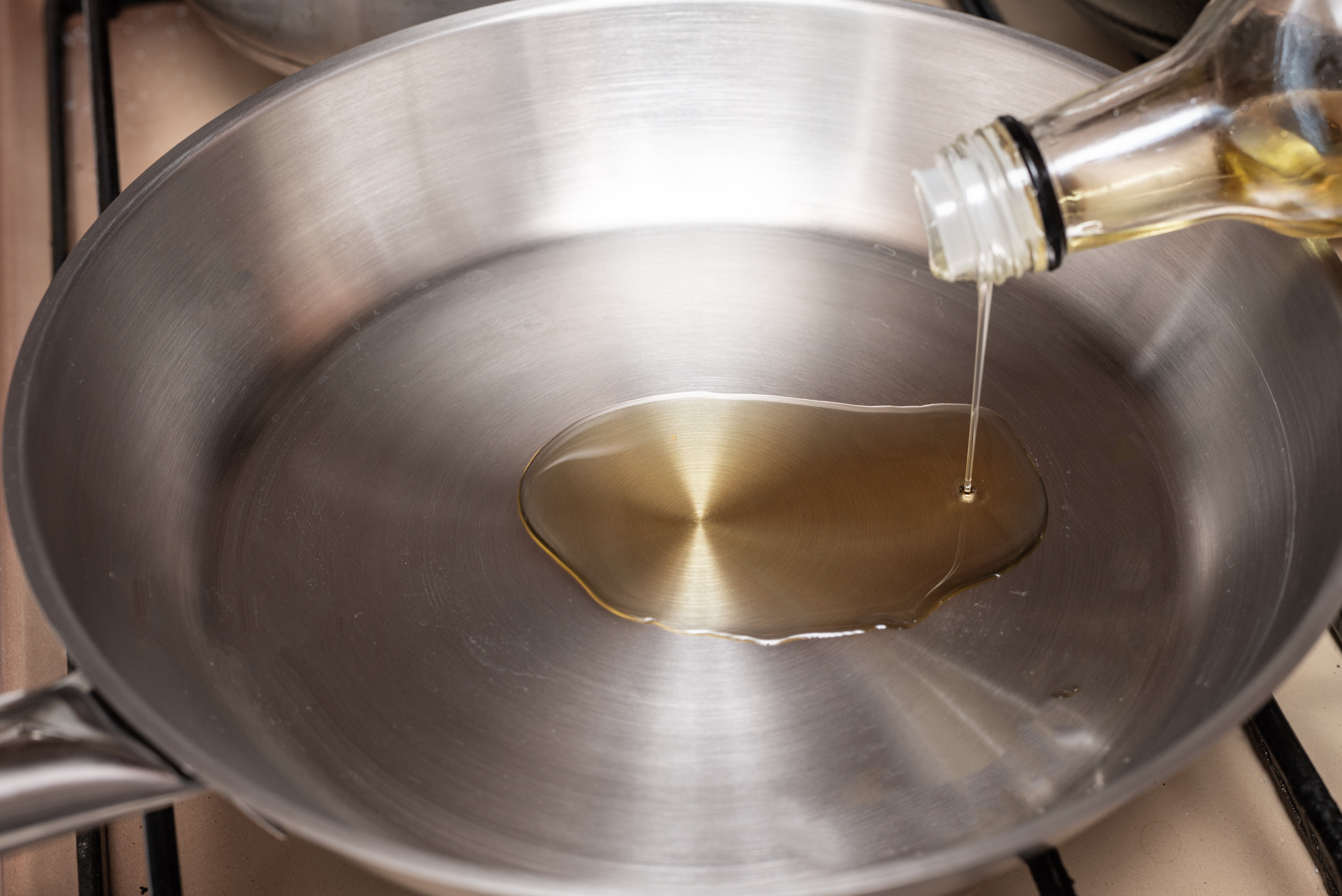
Seasoning creates a thin, smooth layer on the pan’s surface. Heat your pan on medium until warm. Add a small amount of cooking oil with a high smoke point, like vegetable or canola oil. Spread the oil evenly across the surface. Let it heat until it just starts to smoke. Turn off the heat and let the pan cool. Wipe out any extra oil with a paper towel. Repeat this process two or three times for best results.
Seasoning Techniques
Seasoning stainless steel cookware creates a thin, non-stick layer on its surface. This layer helps food slide off easily. It also protects the pan from rust and stains. Seasoning is simple and improves cooking over time.
Follow the right techniques for the best results. Use the correct oils and a careful process. This makes your cookware last longer and work better.
Oil Types To Use
Choose oils with a high smoke point. These oils can handle heat without burning. Examples include vegetable oil, canola oil, and grapeseed oil. Avoid oils like olive oil that burn quickly. Using the right oil helps create a smooth, durable coating.
Oils rich in polyunsaturated fats work well. They polymerize under heat, forming a strong layer. This layer prevents food from sticking and protects the metal.
Step-by-step Seasoning Process
Start with a clean, dry pan. Wash with soap and water, then dry thoroughly. Pour a small amount of oil into the pan. Spread it evenly using a paper towel or cloth.
Heat the pan on medium heat for 10-15 minutes. The oil will start to smoke slightly. This means the seasoning layer is forming. Turn off the heat and let the pan cool completely.
Wipe off any excess oil with a clean cloth. Repeat this process 2-3 times for a stronger coating. The more you season, the better the non-stick effect.
Credit: www.unclebuffalo.com.au
Cooking Tips For Non Stick Results
Getting non stick results from stainless steel cookware is all about technique. The right steps can help food release easily. This makes cooking and cleaning simpler. Follow these tips for better results every time.
Preheating Properly
Preheat your pan before adding any food or oil. Heat the pan over medium heat for a few minutes. This creates an even hot surface. Check by flicking a few drops of water on the pan. If they dance or sizzle, the pan is ready.
Using The Right Amount Of Oil
Add a small layer of oil or fat to the heated pan. Just enough to cover the surface works well. Too little oil can cause sticking. Too much oil makes food greasy. Let the oil heat until it shimmers before adding food.
Optimal Cooking Temperatures
Cook on medium to medium-high heat for the best results. Too high heat can burn food and stick it to the pan. Too low heat won’t sear or brown food properly. Adjust the heat as needed during cooking to keep food from sticking.
Maintaining Your Cookware
Keeping your stainless steel cookware non-stick takes some care. Proper maintenance helps your pans last longer and cook better. Small daily habits make a big difference.
Cleaning and re-seasoning are key steps. They keep the surface smooth and food from sticking. Let’s explore how to clean and re-season your cookware right.
Cleaning Methods To Preserve Non Stick
Wash your cookware with warm water and mild soap. Use a soft sponge or cloth to avoid scratching. Avoid steel wool or harsh scrubbers. They damage the surface and reduce non-stick quality.
Remove stuck food by soaking the pan in warm water first. Scrub gently after soaking. Dry the cookware completely to prevent rust and water spots. Proper cleaning keeps the seasoning intact.
Re-seasoning When Needed
Heat the pan on medium heat before cooking. Add a thin layer of cooking oil and spread evenly. Let the oil heat until it starts to smoke lightly. Turn off the heat and let the pan cool.
Wipe off any excess oil with a paper towel. This process forms a protective layer on the surface. Re-season your cookware after deep cleaning or when food starts sticking. It restores the non-stick effect for smooth cooking.
Common Mistakes To Avoid
Making stainless steel cookware non-stick takes care and the right steps. Many people make simple mistakes that stop the pan from becoming non-stick. Avoiding these errors helps your pan last longer and cook better.
Overheating The Pan
Heating stainless steel too much can damage the surface. High heat causes food to stick and burn. Always use medium or low heat for better cooking. Let the pan warm slowly before adding oil or food.
Using Harsh Cleaners
Strong cleaners scratch the pan’s surface. Scratches make food stick more easily. Use gentle soap and soft sponges instead. Avoid steel wool or abrasive pads to keep the pan smooth.
Skipping Seasoning Steps
Seasoning creates a natural non-stick layer on the pan. Skipping this step leaves the surface sticky and rough. Follow seasoning instructions carefully for best results. Repeat the process for a stronger non-stick coating.
Frequently Asked Questions
How Can I Make Stainless Steel Cookware Non-stick?
To make stainless steel cookware non-stick, preheat the pan, add oil, and let it heat before cooking. This process creates a temporary non-stick surface, preventing food from sticking and making cleaning easier.
What Oils Work Best For Non-stick Stainless Steel Pans?
Oils with high smoke points like vegetable, canola, or avocado oil work best. They withstand heat without burning, creating a smooth non-stick layer on stainless steel cookware.
Is Seasoning Stainless Steel Cookware Necessary For Non-stick Use?
Seasoning stainless steel cookware is optional but helpful. It builds a natural non-stick layer, improves cooking performance, and reduces food sticking when done properly.
Can I Use Non-stick Sprays On Stainless Steel Pans?
Non-stick sprays can cause buildup and uneven cooking on stainless steel pans. It’s better to use oils or butter for creating a non-stick surface.
Conclusion
Making stainless steel cookware non-stick is simple with the right steps. Heat the pan properly before adding oil. Use enough oil to cover the surface. Let the oil heat until it shimmers. Cook food without moving it too soon. Clean the pan gently after use.
These small habits help food release easily. Enjoy cooking with less sticking and easy cleanup. Your stainless steel pans can work like non-stick ones. Practice these tips and see the difference yourself. Cooking becomes easier and more fun this way.

Hello, This is Annie Walker, a 38-year-old blogger, founder, and editor of Cookware Guider from NY, USA. I am a cookware fanatic and passionate cooker. I love to cook with different types of cooking appliances (example: all types of cookware, rice cookers, slow cookers, etc) almost every day in my kitchen. I love to share my experience with my readers in my blog. Also, I enjoy helping people to solve their problems through my website. You can follow me on Twitter & Pinterest. To know details about my blog please check the about us page.