
If you have old cast iron cookware sitting in your kitchen, you might be missing out on one of the best tools for cooking. But what if your pan looks rusty, sticky, or worn out?
Don’t worry—you can bring it back to life. Reconditioning cast iron cookware is easier than you think, and once you know how, your pans will cook better, last longer, and even improve the flavor of your food. You’ll discover simple, step-by-step methods to restore your cast iron to its former glory.
Ready to unlock the full potential of your cookware? Keep reading, and let’s get started.
Signs Your Cast Iron Needs Reconditioning
Knowing the signs that your cast iron cookware needs reconditioning helps keep it safe and effective. Cast iron ages well but shows wear after heavy use or poor care. Spotting these problems early saves your pan from damage and improves cooking results.
Rust And Corrosion Spots
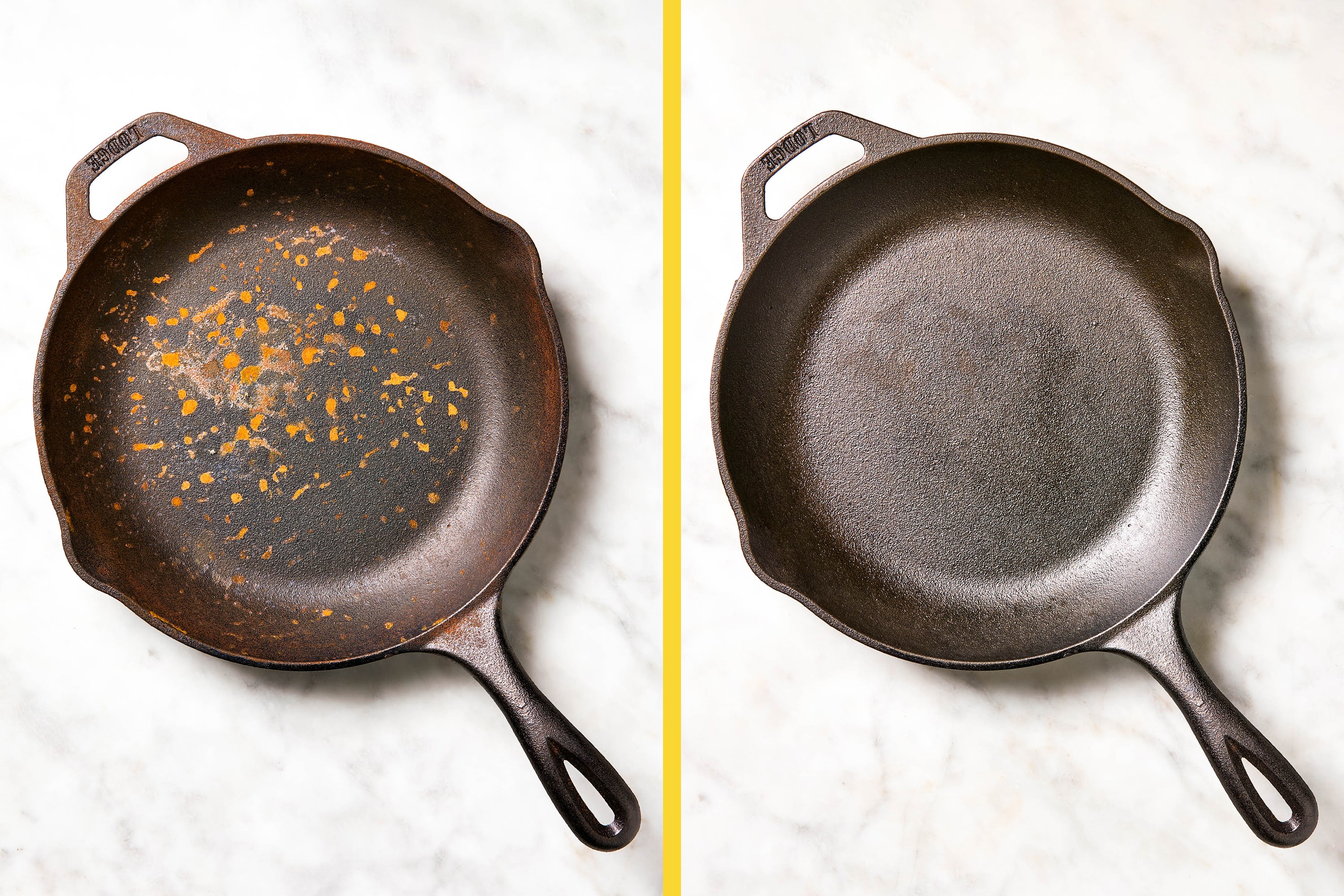
Rust appears as reddish-brown patches on the pan’s surface. These spots form when moisture stays on the cast iron too long. Corrosion weakens the metal and affects food taste. Rust always needs cleaning and reseasoning to restore the pan.
Flaking And Chipping
The seasoning layer can peel off in flakes or chips. This happens if the pan is overheated or scrubbed too hard. Flaking exposes bare metal, which can rust quickly. A smooth, even surface is vital for good seasoning and cooking.
Sticky Or Uneven Surface
A sticky or rough surface means the seasoning is damaged or built up unevenly. This can cause food to stick or cook unevenly. It happens from cooking with too much oil or not heating the pan properly. Fixing this requires stripping the old layer and reseasoning.
Gathering Essential Tools And Materials
Before you start reconditioning your cast iron cookware, gather all necessary tools and materials. Having the right items makes the process easier and more effective. This section covers the basic supplies needed for cleaning, scraping, and seasoning your cast iron.
Cleaning Supplies
Start with basic cleaning supplies. You will need mild dish soap to remove dirt and old grease. Use a soft sponge or cloth to avoid scratching the surface. Paper towels or clean rags help dry the cookware thoroughly. Gloves protect your hands from harsh cleaning agents.
Abrasives And Scrapers
Abrasives remove rust and stubborn residue. Steel wool or a stiff brush works well for scrubbing. Avoid harsh metal brushes that can damage the cast iron. A plastic or metal scraper helps lift stuck food without harming the pan.
Seasoning Oils And Brushes
Choose oils with a high smoke point for seasoning. Flaxseed, vegetable, or canola oil are good choices. Use a small brush or clean cloth to apply oil evenly. This step creates a smooth, non-stick surface and protects the cookware from rust.
Removing Old Rust And Residue
Removing old rust and residue is the first step to restore cast iron cookware. Rust weakens the surface and affects cooking quality. Residue from past use can cause sticking and uneven heating. Cleaning these off prepares your pan for reseasoning and safe use.
Soaking Techniques
Soaking helps loosen rust and stuck-on residue. Fill a container with white vinegar and water in equal parts. Submerge the cast iron completely. Leave it for up to 8 hours, checking often. Do not soak longer to avoid damage. After soaking, rinse the pan with water to remove loosened rust.
Scrubbing And Scraping Methods
Use a stiff brush or steel wool to scrub the surface. Focus on rusty spots and stubborn residue. For thick rust, gently scrape with a plastic or metal scraper. Avoid harsh tools that can scratch deeply. Rinse and dry the pan well after scrubbing to prevent new rust.
Using Chemical Rust Removers Safely
Chemical rust removers can speed up cleaning. Choose a product made for cast iron or metals. Read and follow all safety instructions carefully. Wear gloves and work in a well-ventilated area. Apply the remover only to rusty areas. Rinse thoroughly after use and dry the cookware immediately.
:max_bytes(150000):strip_icc()/__opt__aboutcom__coeus__resources__content_migration__serious_eats__seriouseats.com__images__2014__11__20141121-cast-iron-pan-restoration-daniel-gritzer-edit-9-f23a39c0040e416e97ae6b7e68b21d41.jpg)
Credit: www.seriouseats.com
Deep Cleaning And Preparing The Surface
Deep cleaning and preparing the surface is the first step to recondition cast iron cookware. It removes rust, old seasoning, and dirt. This process creates a clean, smooth base for reseasoning. Proper cleaning makes your pan last longer and cook better.
Follow these steps carefully to get your cast iron ready for use again.
Washing And Drying
Start by scrubbing the pan with hot water and a stiff brush. Avoid soap if possible, as it can strip seasoning. Use coarse salt for tough spots. Rinse the pan well to remove all debris.
Dry the pan immediately. Use a clean towel or place it on low heat. Moisture causes rust quickly. Make sure the pan is completely dry before moving on.
Sanding For Smoothness
Light sanding removes rust and rough patches. Use fine-grit sandpaper or steel wool. Work in small circles over the entire surface. Focus on rusty or uneven areas.
Wipe away the dust with a damp cloth. Let the pan dry again. Smoothing the surface helps new seasoning stick better and prevents food from sticking.
Eliminating Odors
Old cast iron can hold unpleasant smells. Use a mixture of baking soda and water to scrub the pan. Let it sit for 15 minutes before rinsing.
You can also heat the pan in the oven at 350°F for an hour. Heat kills odor-causing bacteria. This step leaves your cookware smelling fresh and clean.
Seasoning Your Cast Iron
Seasoning your cast iron is key to protecting it from rust and making it non-stick. This process builds a natural layer on the surface. It also improves cooking performance over time.
Proper seasoning makes your cast iron last longer. It also helps food cook evenly and prevents sticking. Follow these steps carefully to get the best results.
Choosing The Right Oil
Pick an oil with a high smoke point. Vegetable oil, canola oil, and flaxseed oil work well. Avoid oils that spoil quickly or have low smoke points. These can leave a sticky residue or smell bad.
Use oils that create a hard, durable coating. This helps your cast iron stay smooth and non-stick. Choose oils you can easily find in stores.
Applying Thin, Even Coats
Apply a very thin layer of oil to the entire pan. Use a cloth or paper towel for even spreading. Too much oil causes sticky or uneven seasoning.
Cover all surfaces, including the handle and outside. Wipe off excess oil until the pan looks almost dry. Thin layers bake better and form a stronger coating.
Baking Process And Temperature Tips
Preheat your oven to 450°F (230°C). Place the pan upside down on the middle rack. Put a foil sheet below to catch drips.
Bake the pan for one hour to allow the oil to bond. Turn off the oven and let the pan cool inside. This slow cooling helps the seasoning set well.
Repeat this process 2 to 3 times for best results. Each layer adds protection and improves non-stick quality.
Maintaining Your Reconditioned Cookware
Maintaining your reconditioned cast iron cookware keeps it in great shape for years. Proper care protects the seasoning layer and prevents rust. Follow simple steps to enjoy smooth cooking and easy cleaning.
Proper Cleaning After Use
Clean cast iron with warm water and a soft brush. Avoid soap or harsh detergents that remove seasoning. Use a plastic scraper for stuck food. Dry the pan completely with a cloth or low heat. Moisture causes rust quickly.
Avoiding Common Mistakes
Never soak cast iron in water. Avoid putting it in the dishwasher. Do not cook acidic foods for long periods. These actions damage seasoning and cause rust. Use wooden or silicone utensils to protect the surface.
Regular Re-seasoning Schedule
Apply a thin layer of oil after each cleaning. Heat the pan on the stove or in the oven for a few minutes. This keeps the seasoning strong. Re-season deeply every few months or when food starts to stick. Consistency extends cookware life.
Troubleshooting Common Issues
Reconditioning cast iron cookware can bring old pans back to life. Sometimes, the process has bumps. Common issues may arise during seasoning or cleaning. These problems need simple fixes. Understanding these issues helps keep your pan in great shape.
Sticky Or Gummy Surface
A sticky or gummy surface happens when oil builds up. Too much oil or low heat causes this. To fix it, scrub the pan with hot water and a stiff brush. Avoid soap, as it can remove seasoning. Then, dry the pan well. Apply a thin layer of oil and bake it at 400°F for one hour. Let it cool slowly. This process removes stickiness and creates a smooth surface.
Uneven Seasoning Spots
Uneven spots appear when oil is not spread well. Thick oil layers or missed areas cause this. Use a cloth to spread a thin, even layer of oil. Make sure to coat the entire pan, inside and out. Bake the pan in the oven at 400°F for one hour. Repeat this process two or three times. This helps build a strong, even seasoning layer.
Persistent Rust Problems
Rust forms when the pan is wet or stored poorly. To remove rust, scrub the rusty area with steel wool. Rinse and dry the pan completely. Next, apply a thin coat of oil to the clean surface. Bake the pan at 400°F for one hour. Store the pan in a dry place. Use it often to keep rust away. Regular maintenance stops rust from coming back.
Credit: www.thekitchn.com
Tips For Extending Cast Iron Lifespan
Extending the life of cast iron cookware requires some simple habits. Proper care keeps the surface smooth and prevents rust. It helps maintain the seasoning that makes cooking easier and food taste better. Follow these tips to protect your cast iron for many years.
Storage Best Practices
Store cast iron in a dry place to avoid rust. Avoid stacking wet pans together. Use paper towels or cloth between pans to absorb moisture. Keep lids slightly open to allow air circulation. This prevents trapped moisture and keeps the surface dry.
Using Compatible Utensils
Use wooden, silicone, or plastic utensils with cast iron. Metal tools can scratch the seasoning layer. Scratches expose the iron and cause rust. Soft utensils protect the smooth cooking surface. They also help keep the seasoning intact longer.
Periodic Inspection And Care
Check your cast iron regularly for rust or damage. Remove any rust spots with a gentle scrub. Re-season the pan if the surface looks dull or sticky. Clean with warm water and a brush after each use. Dry thoroughly before storing to stop rust from forming.

Credit: www.youtube.com
Frequently Asked Questions
How Do You Clean Cast Iron Before Reconditioning?
First, scrub the pan with hot water and mild soap. Use a stiff brush to remove rust and debris. Dry it completely to prevent rust. This prepares the surface for seasoning and ensures better coating adherence.
What Is The Best Oil For Reconditioning Cast Iron?
Flaxseed oil, vegetable oil, or grapeseed oil work best. They create a durable, non-stick seasoning layer. Apply a thin coat and heat the pan to polymerize the oil for lasting protection.
How Many Times Should I Season Cast Iron Cookware?
Season cast iron 3 to 6 times for optimal results. Each seasoning layer strengthens the non-stick surface. Repeat until the pan develops a smooth, shiny finish that resists sticking and rust.
Can I Use Oven Or Stove To Recondition Cast Iron?
Using an oven is preferred for even seasoning. Heat the pan upside down at 450°F for one hour. Stove top seasoning can supplement but may cause uneven coating.
Conclusion
Reconditioning cast iron cookware brings old pans back to life. It saves money and cuts waste. The process needs care but is simple to follow. Clean, dry, and season your pan well. Regular use keeps the surface smooth and non-stick.
Enjoy cooking with your renewed cast iron every day. It offers great flavor and even heat. Try these steps to keep your cookware strong. Your kitchen will thank you for it. Cast iron can last for generations with good care.

Hello, This is Annie Walker, a 38-year-old blogger, founder, and editor of Cookware Guider from NY, USA. I am a cookware fanatic and passionate cooker. I love to cook with different types of cooking appliances (example: all types of cookware, rice cookers, slow cookers, etc) almost every day in my kitchen. I love to share my experience with my readers in my blog. Also, I enjoy helping people to solve their problems through my website. You can follow me on Twitter & Pinterest. To know details about my blog please check the about us page.