
If you have old cast iron cookware sitting unused, you’re missing out on a kitchen treasure. These pots and pans can last for generations, but only if they’re properly cared for.
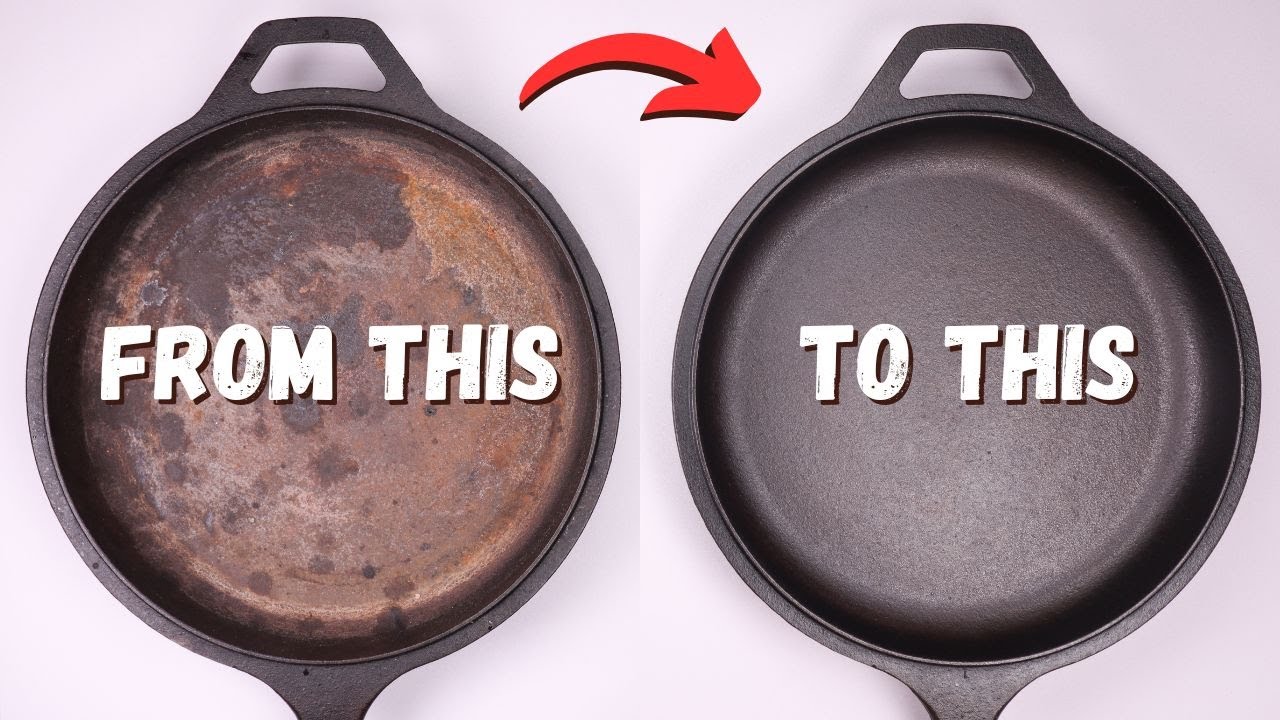
Refurbishing your cast iron cookware is easier than you think, and it can bring back that smooth, non-stick surface you love. Imagine cooking your favorite meals with a pan that heats evenly and lasts forever. Keep reading, and you’ll learn simple steps to restore your cast iron to its former glory—saving money and making your cooking experience better than ever.
:max_bytes(150000):strip_icc()/__opt__aboutcom__coeus__resources__content_migration__serious_eats__seriouseats.com__images__2014__11__20141121-cast-iron-pan-restoration-daniel-gritzer-edit-27-468df3ad74404edabd52537bd0184aae.jpg)
Credit: www.seriouseats.com
Assessing Cast Iron Condition
Before starting to refurbish cast iron cookware, check its condition carefully. This step helps you know what work is needed. Assessing the cast iron ensures better results and longer use. It saves time and effort in the refurbishment process.
Look closely at the surface, edges, and inside of the cookware. Notice any spots that look different or damaged. This simple check guides your next steps.
Checking For Rust And Damage
Rust is common on old cast iron. It appears as reddish or brown patches. Use a brush or steel wool to spot loose rust flakes. Scrape gently to see how deep rust goes.
Check for cracks or chips on the cookware. Small cracks can weaken the pan. Large cracks might make the pan unsafe to use. Also, look for warped or bent areas. These affect cooking performance.
Identifying Old Seasoning Layers
Seasoning is the black, shiny coating on cast iron. It protects the pan and makes it non-stick. Old seasoning can be thick, uneven, or sticky. It may have patches where food sticks easily.
Look for flaky or peeling layers. These show the seasoning needs a refresh. Sometimes old seasoning hides rust or damage underneath. Removing it helps to clean and re-season properly.
Credit: www.youtube.com
Gathering Necessary Tools
Before starting to refurbish cast iron cookware, gather all necessary tools. Having the right tools makes the process easier and safer. It helps achieve better results and saves time. Below are the essential items you need to prepare.
Cleaning Supplies
Cleaning is the first step in refurbishing cast iron. You need a stiff brush to scrub off rust and dirt. Steel wool works well for tough spots. Use mild dish soap to remove grease. Paper towels or clean cloths help dry the cookware. A plastic scraper can remove stuck-on food without scratching.
Safety Equipment
Protect yourself during the restoration process. Wear rubber gloves to keep your hands clean and safe. Eye protection prevents dust and debris from getting in your eyes. Use a mask if sanding or scrubbing creates dust. Work in a well-ventilated area to avoid breathing fumes from cleaning products or oils.
Restoration Materials
After cleaning, you need materials to restore the cookware’s surface. Food-grade mineral oil or flaxseed oil works best for seasoning. A high-smoke-point oil helps create a non-stick layer. Heat-resistant gloves protect your hands during oven seasoning. Aluminum foil can line the oven to catch drips. Sandpaper or a wire brush may be needed to remove stubborn rust.
Removing Rust And Residue
Removing rust and residue is the first step to restore cast iron cookware. Rust can damage the pan’s surface and stop it from cooking well. Residue from old food or oils can also affect taste and safety. Cleaning the pan carefully brings it back to life.
Soaking And Scrubbing Techniques
Start by soaking the pan in warm water. Add a little mild dish soap to help loosen rust and residue. Let it sit for at least one hour. This softens the rust and stuck-on food.
Use a sponge or a soft brush to scrub the pan gently. Avoid steel wool at this stage to prevent scratching. Focus on rusty spots and areas with residue. Rinse the pan well to check progress. Repeat soaking and scrubbing if needed.
Using Abrasive Methods Safely
If rust stays, use abrasive methods carefully. Steel wool or a wire brush works for tough rust. Scrub gently to avoid damaging the pan’s surface. Work in small circles on rusty areas only.
Wear gloves to protect your hands from sharp rust and rough tools. After scrubbing, rinse the pan thoroughly. Dry it right away to stop new rust from forming. Abrasive cleaning can remove rust but must be done with care.
Stripping Old Seasoning
Stripping old seasoning from cast iron cookware is an important step in refurbishment. The old layer can be sticky, uneven, or damaged. Removing it prepares your pan for a fresh, smooth seasoning. This makes cooking easier and improves the pan’s lifespan. Use the right method to clean the surface well without damage.
Chemical Strippers Vs Natural Methods
Chemical strippers remove old seasoning fast. They break down the oily layer quickly. Use gloves and work in a ventilated area. Follow instructions carefully to avoid damage. After applying, scrub the pan to remove residue. Rinse with warm water and dry thoroughly.
Natural methods take more time but are safer. One way is baking soda and water paste. Scrub the pan with this paste to lift old seasoning. Another method is using salt and oil as a scrub. Heat the pan slightly to loosen the old layer. Both ways avoid harsh chemicals and are eco-friendly.
Preparing Surface For New Seasoning
After stripping, wash the pan with warm water. Use a brush or sponge to remove all bits. Dry the pan completely to stop rust. Heat it on the stove to remove any moisture.
Check for rust spots and scrub them gently with steel wool. Rinse and dry again. Your pan is now ready for a new seasoning layer. A clean, dry surface helps oil stick evenly. This creates a strong, smooth cooking layer.
Drying And Inspecting Surface
After cleaning your cast iron cookware, drying and inspecting the surface is key. This step helps protect the pan and prepares it for seasoning or further care. Proper drying stops rust from forming quickly. Careful inspection finds any damage that needs fixing before use. Take your time to check every part of the pan’s surface.
Preventing Flash Rust
Flash rust appears very fast on wet cast iron. Dry the pan right after washing. Use a clean cloth or paper towel to wipe off all water. Heat the pan on low for a few minutes to evaporate hidden moisture. Avoid air drying alone. This process keeps your cookware safe from early rust spots.
Checking For Cracks Or Pits
Look closely at the surface for cracks or pits. Cracks can cause the pan to break during use. Pits are small holes that trap food and moisture. Use good light and run your fingers over the surface. If you find damage, decide if repair or replacement is best. This check helps keep your cast iron safe and long-lasting.
Applying New Seasoning
Applying new seasoning is a key step to restore your cast iron cookware. It builds a strong, non-stick surface. Seasoning also protects the pan from rust. This process involves oil, heat, and time. Patience matters here for the best results.
Choosing The Right Oil
Pick an oil with a high smoke point. Flaxseed, grapeseed, or vegetable oil work well. Avoid oils that leave sticky residues. The oil should spread easily and dry fast. This helps create a smooth, durable layer.
Coating Techniques
Start with a clean, dry pan. Use a cloth or paper towel to apply a thin layer of oil. Cover every part, inside and out. Wipe off extra oil to avoid a sticky surface. Thin coats build better seasoning than thick ones.
Oven Curing Process
Preheat your oven to 450°F (230°C). Place the pan upside down on the top rack. Put a foil sheet below to catch drips. Bake for one hour to let the oil bond. Turn off the oven and let the pan cool inside. Repeat this for 2 to 3 layers for stronger seasoning.
Maintaining Refurbished Cookware
Maintaining refurbished cast iron cookware keeps it working well for years. Proper care protects the seasoning and prevents rust. Clean and treat it right after each use. Small habits help keep the surface smooth and non-stick. A well-maintained pan cooks evenly and lasts longer.
Cleaning Tips After Use
Clean cast iron right after cooking. Use warm water and a soft brush or sponge. Avoid soap or harsh detergents that remove seasoning. For stuck food, scrub gently with coarse salt and a little water. Dry the pan completely to stop rust. Heat it briefly on the stove to evaporate moisture.
Re-seasoning Frequency
Re-season cast iron as needed. If food starts sticking or the surface looks dull, it’s time. Apply a thin layer of oil and heat in the oven. This rebuilds the protective coating. Often, seasoning once every few months works well. More frequent use may need more frequent seasoning.
Avoiding Common Mistakes
Don’t soak cast iron in water for long. Avoid dishwasher use; it damages seasoning. Never use metal scrubbers that scratch the surface. Skip cooking acidic foods in a newly seasoned pan. Store cookware in a dry place to prevent rust. These habits keep your pan healthy and ready.
Troubleshooting Common Issues
Refurbishing cast iron cookware can bring old pans back to life. Some problems may happen during the process. These common issues can slow you down. Knowing how to fix them saves time and effort. Here are solutions to three frequent problems.
Removing Sticky Residue
Sticky residue often comes from old seasoning or soap. Use hot water and a stiff brush to scrub the pan. Avoid soap if possible, as it can damage seasoning. For tough residue, sprinkle coarse salt and scrub again. Rinse well and dry immediately to stop rust.
Dealing With Uneven Seasoning
Uneven seasoning shows as patches that are shiny or dull. Apply a thin layer of oil all over the pan. Heat it in an oven at 350°F for one hour. Let the pan cool inside the oven. Repeat this process two to three times for a smooth finish.
Fixing Rust Recurrence
Rust happens if the pan stays wet or is not oiled. Remove rust with steel wool or a wire brush. Wash and dry the pan well after rust removal. Apply a light coat of oil to protect the surface. Store in a dry place to keep rust away.

Credit: www.youtube.com
Frequently Asked Questions
How Do I Clean Rust From Cast Iron Cookware?
To remove rust, scrub the cast iron with steel wool or a wire brush. Rinse with warm water and dry thoroughly. Apply a thin layer of oil to prevent further rusting.
What Is The Best Oil For Seasoning Cast Iron?
Flaxseed oil, vegetable oil, and canola oil are popular choices. These oils polymerize well, creating a durable, non-stick surface after seasoning.
How Often Should I Re-season Cast Iron Cookware?
Re-season your cast iron cookware every few months or when food starts sticking. Regular seasoning maintains a protective, non-stick coating.
Can I Use Soap To Clean Cast Iron Pans?
Mild soap can be used occasionally but avoid harsh detergents. Excessive soap removes seasoning and can cause rust.
Conclusion
Refurbishing cast iron cookware brings old pans back to life. Clean the rust, season the surface, and cook with care. Regular use keeps the pan smooth and non-stick. Cast iron lasts for many years with simple steps. Enjoy delicious meals made in your refreshed cookware.
Taking time to care for your pan saves money and waste. Your kitchen will benefit from well-maintained cast iron tools. Keep practicing these steps for the best cooking results.

Hello, This is Annie Walker, a 38-year-old blogger, founder, and editor of Cookware Guider from NY, USA. I am a cookware fanatic and passionate cooker. I love to cook with different types of cooking appliances (example: all types of cookware, rice cookers, slow cookers, etc) almost every day in my kitchen. I love to share my experience with my readers in my blog. Also, I enjoy helping people to solve their problems through my website. You can follow me on Twitter & Pinterest. To know details about my blog please check the about us page.