
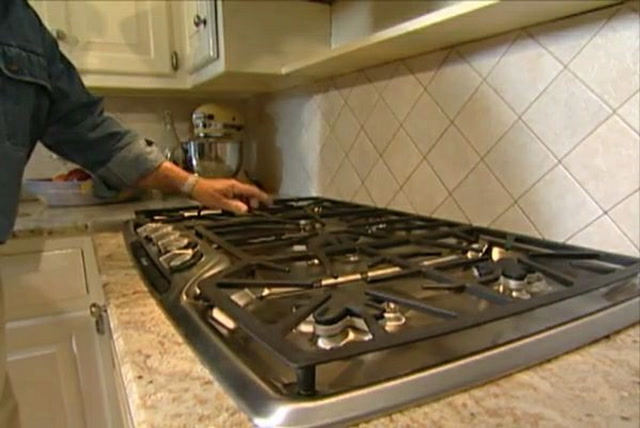
Removing a gas cooktop can feel like a big job if you’ve never done it before. But with careful planning, the right tools, and some basic safety steps, most homeowners can handle this task themselves. Whether you’re upgrading your kitchen, replacing a damaged unit, or switching to electric, knowing how to remove a gas cooktop safely is essential.
This guide walks you through every step, shares expert tips, and highlights common mistakes so you finish with confidence.
Safety First: Gas Shutoff And Preparation
Before you touch anything, your main concern should be safety. Gas leaks are dangerous, and even small mistakes can lead to fire or carbon monoxide exposure.
- Find the gas shutoff valve. Usually, it’s below the cooktop or nearby in a cabinet.
- Turn the valve clockwise to shut off the gas. If you’re not sure, check your cooktop manual or search for your model online.
- Open windows to ventilate the area. Air circulation helps remove any lingering gas.
- Wait a few minutes to make sure there’s no lingering gas smell. If you smell gas after shutoff, leave the house and call your gas supplier.
Gas shutoff valves sometimes require extra force, especially if they haven’t been used in years. Don’t use excessive pressure—wiggle gently and try again if it’s stuck. If your home has a main gas shutoff outside, you can turn off the supply there for extra safety.
Tip: Always check local regulations. In some areas, only licensed professionals can disconnect gas appliances. This is not just a suggestion; in certain regions, doing the work yourself could void home insurance or violate safety codes.
Tools And Materials You’ll Need
Having the right tools ready saves time and reduces stress. Here’s what most people need:
- Adjustable wrench or pipe wrench
- Screwdrivers (flathead and Phillips)
- Work gloves
- Safety goggles
- Soap solution (for leak testing)
- Bucket or towels (for cleaning up)
- Flashlight (if your kitchen is dim)
- Zip ties or tape (for securing loose wires)
If your cooktop is installed in a tight space, a small socket set or a stubby screwdriver can help reach awkward screws. For older gas lines, you might need penetrating oil to loosen stuck fittings.
Non-obvious insight: Some gas lines use flare fittings—not standard threads—so a special flare nut wrench may be needed. Check your connection before buying tools. If you see a cone-shaped fitting, that’s a flare connection and requires a matching wrench for safe removal.

Credit: www.youtube.com
Accessing The Cooktop: Clearing The Area
Clear everything off and around the cooktop. Remove pots, pans, and any items stored underneath. You want plenty of space to work.
- Unplug any electrical connections. Most gas cooktops have at least a power cord for igniters.
- If your cooktop has a glass surface, lay a towel across it to prevent scratches.
- Set aside knobs and burner caps in a safe spot.
Cooktops often have small screws or parts that roll away easily. Use a bowl or tray to keep everything together and avoid losing crucial hardware.
Practical tip: Take pictures of the setup before removing anything. It helps if you need to reinstall or troubleshoot later. If your cooktop has a complicated ignition system, photos can save hours of frustration.
Disconnecting The Gas Line
This step is critical. If you’re unsure, get help from a professional.
Step-by-step Gas Line Removal
- Check again that the gas is off. Reconfirm before proceeding.
- Locate the flexible gas connector (usually a metal hose).
- Use your wrench to loosen the fitting connecting the cooktop to the gas supply. Turn gently, as overtightening can damage the fitting.
- Gently pull the connector off. If it sticks, wiggle it carefully—don’t use force. If you feel resistance, stop and check for hidden fasteners or old sealant.
- Once disconnected, plug the open gas line with a gas-rated cap or plug (available at hardware stores).
Some connectors have a small rubber gasket—inspect it for cracks and avoid reusing if damaged.
Common mistake: Not capping the gas line. Leaving it open is unsafe and can cause leaks. Even a tiny leak can fill a room with gas overnight, so never skip this step.
Data: According to the U.S. Consumer Product Safety Commission, gas leaks cause over 4,000 home fires per year—most are preventable with proper disconnection. Always double-check the connection and cap before continuing.
Removing The Cooktop From The Countertop
Cooktops are usually held in place by clips, screws, or adhesive.
Typical Cooktop Mounting Methods
| Mount Type | Removal Difficulty | Tools Needed |
|---|---|---|
| Metal Clips | Easy | Screwdriver |
| Screws | Moderate | Screwdriver |
| Adhesive/Sealant | Hard | Utility Knife |
- Locate all attachment points. Some are underneath, others are on the sides. Use a flashlight for dark areas under the countertop.
- Remove screws or loosen clips as needed. If a screw is stripped, use a rubber band for extra grip or a screw extractor tool.
- If adhesive is used, carefully cut around the edges with a utility knife. Don’t rush this step; gentle pressure prevents countertop damage.
- Gently lift the cooktop. If it doesn’t move easily, check for missed fasteners or hidden mounting points.
Non-obvious insight: Some models have hidden screws under the burner caps or in the control panel. Always check your manual. If you don’t have the manual, search the manufacturer’s website or look for YouTube videos showing your model.
Cleaning Up: After Cooktop Removal
Once the cooktop is out, you’ll see debris, grease, and maybe old sealant.
- Scrape off sealant with a plastic scraper. Metal scrapers can scratch stone or laminate.
- Wipe surfaces with warm, soapy water. Avoid harsh chemicals that could damage the countertop. For tough stains, baking soda paste works well.
- Inspect the opening for damage. If you see cracks or burns, consider patching before installing a new cooktop.
If your cooktop sat in place for years, you might find mold or crumbs. Take time to clean thoroughly, as a clean surface helps your new unit fit better.
Tip: If installing a new cooktop, measure the opening carefully. A poor fit can cause problems later. If the opening is too small, consult a countertop installer before cutting.
Testing For Gas Leaks (if Replacing)
If you plan to install a new cooktop, testing for leaks is vital.
- After connecting the new gas line, turn the gas on.
- Mix a solution of dish soap and water.
- Brush it onto the connection points.
- If bubbles form, there’s a leak. Tighten the fittings and test again.
Don’t rely on just smell—a tiny leak may not be noticeable right away. For extra safety, leave the soap solution on for several minutes and check twice.
Data: The National Fire Protection Association recommends leak testing every time you install or move a gas appliance. Some professionals also use electronic leak detectors, but for DIY, soap solution is reliable.
Common Mistakes To Avoid
Even experienced DIYers can make mistakes. Here are the most frequent:
- Forgetting to shut off gas: Always double-check. Missing this step can have serious consequences.
- Not capping the gas line: Essential for safety. Never leave an open connection unattended.
- Using the wrong tools: Flare nut wrenches are sometimes required. Avoid using pliers, which can round off fittings.
- Damaging countertops: Be gentle when cutting adhesive. Repairs can be expensive and time-consuming.
- Failing to test for leaks: Never skip this step if reconnecting gas. Even a small leak can cause health problems or fire.
Some homeowners also forget to keep parts organized, making installation of the new cooktop confusing.
Credit: housecallsdiy.com
Comparing Gas Cooktop Removal Vs. Electric
If you’re thinking about switching, it’s good to know how gas and electric cooktops compare for removal.
| Cooktop Type | Removal Complexity | Key Steps | Safety Risks |
|---|---|---|---|
| Gas | Higher | Shut off gas, disconnect line, remove cooktop | Gas leaks, fire hazard |
| Electric | Lower | Unplug, remove cooktop | Electrical shock |
Electric cooktops usually only require unplugging and removing mounting screws. However, older models may be hardwired, needing extra caution and possibly help from an electrician.
Expert tip: Electric cooktops are simpler but still require care with wiring and proper disposal. Always turn off power at the breaker before working on electrical appliances.
Practical Advice For First-time Removers
If you’ve never removed a gas cooktop before, here’s what makes the biggest difference:
- Take your time. Rushing increases mistakes. Slow, careful work prevents accidents and damage.
- Document every step. Photos help with reinstallation. Write notes if you disconnect multiple wires.
- Label wires. If your cooktop has multiple connections, label them before disconnecting.
- Ask for help. Some units are heavy—get a friend or family member to assist.
Plan where you’ll set the old cooktop down. It’s large and awkward, so clear a space in advance. If your cooktop is installed above drawers, you may need to remove them to access mounting hardware.
Experience-based insight: Many beginners forget about the weight of the cooktop. Some models weigh over 50 pounds, making solo removal risky. Use proper lifting techniques and avoid bending or twisting.
When To Call A Professional
Some jobs are best left to experts. If you encounter any of these:
- Corroded gas fittings
- Complicated wiring
- Strong gas odor
- Local laws require licensed removal
Don’t risk it—hire a certified technician. The average cost for professional gas cooktop removal is $150–$300, which includes safety checks and proper disposal. A pro can also check for leaks and ensure your kitchen is safe before you install anything new.
For more details on gas appliance safety, visit U.S. Consumer Product Safety Commission.
Frequently Asked Questions
How Long Does It Take To Remove A Gas Cooktop?
Most removals take 1–2 hours. If the connections are easy and the countertop isn’t damaged, it could be faster. Complicated installations or heavy units may take longer. If adhesive is used or screws are rusted, plan for extra time.
Do I Need A Permit To Remove A Gas Cooktop?
In some cities, yes. Local regulations may require a permit or a licensed technician. Always check with your local building department before starting. For multi-family dwellings, rules are often stricter.
Can I Reuse The Old Gas Connector For A New Cooktop?
It’s not recommended. Gas connectors wear out over time. Installing a new, certified connector is safer and reduces leak risk. Old connectors may not fit new appliances or could be damaged during removal.
What Should I Do With The Old Cooktop?
Many cities have appliance recycling programs. If not, check with your local waste management. Never leave a gas appliance on the curb. Some stores offer haul-away services when you buy a new unit.
Is Removing A Gas Cooktop Dangerous?
It can be if you don’t follow safety steps. Shut off the gas, cap the line, and test for leaks if reinstalling. When in doubt, call a professional. Remember, your safety is always more important than saving a few dollars.
Removing a gas cooktop is manageable if you follow careful steps and respect safety rules. By preparing your tools, shutting off the gas, and working methodically, you can upgrade your kitchen or replace a broken unit without stress. Document your process, take your time, and don’t hesitate to call a pro if anything feels uncertain.
With these guidelines, you’re ready to handle gas cooktop removal like a seasoned homeowner.

Credit: www.youtube.com

Hello, This is Annie Walker, a 38-year-old blogger, founder, and editor of Cookware Guider from NY, USA. I am a cookware fanatic and passionate cooker. I love to cook with different types of cooking appliances (example: all types of cookware, rice cookers, slow cookers, etc) almost every day in my kitchen. I love to share my experience with my readers in my blog. Also, I enjoy helping people to solve their problems through my website. You can follow me on Twitter & Pinterest. To know details about my blog please check the about us page.