
If your glass cooktop gets damaged, it can be stressful. The sleek look and fast heating make glass cooktops popular, but even a small crack or scratch can be a big problem. Many people think they need to replace the whole unit right away.
But with the right knowledge and tools, you can often repair a glass cooktop yourself and save a lot of money.
In this guide, you’ll learn how to repair a glass cooktop, what you need to watch out for, and when it’s best to call a professional. We’ll also cover common repair mistakes, safety tips, and some non-obvious advice that most beginners miss.
Understanding Your Glass Cooktop
Glass cooktops are usually made from ceramic glass, which is both heat-resistant and smooth. This material is strong, but not unbreakable. The most common problems are:
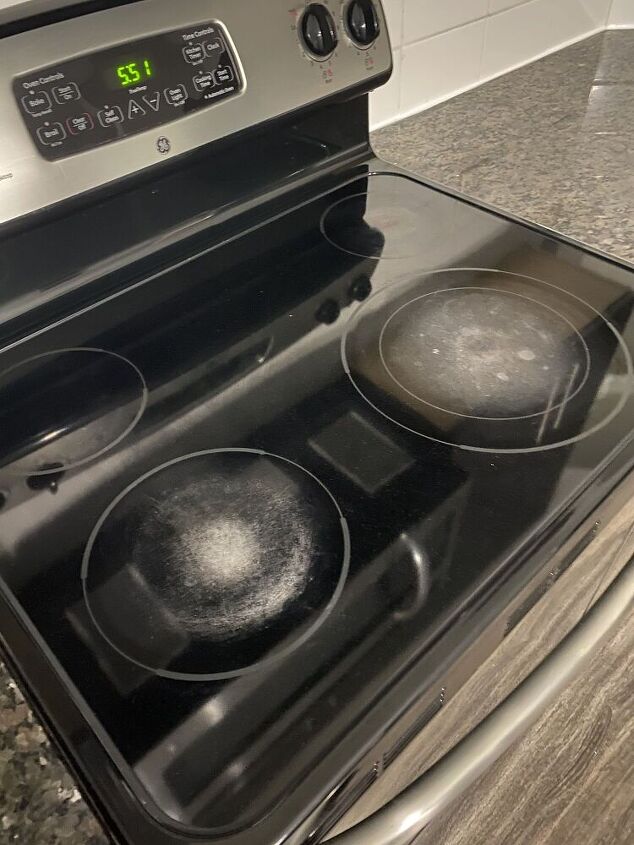
- Scratches from pots, pans, or abrasive cleaners
- Cracks from dropping heavy objects or sudden temperature changes
- Chips around the edges
Some brands design cooktops to be more durable, but even the toughest glass can break. Before you start any repair, it helps to know what kind of damage you have.
| Type of Damage | Appearance | Repairable? |
|---|---|---|
| Scratch | Light lines, no depth | Yes |
| Chip | Small missing piece, often at edge | Sometimes |
| Crack | Line through glass, can be deep | Rarely |
| Shatter | Multiple breaks, loose glass | No |
Safety First: What You Must Know
Never try to repair a cooktop that is connected to power. Always:
- Turn off the power to the cooktop at the breaker box, not just the control panel.
- Let the cooktop cool completely before touching it.
- Use protective gloves when handling broken glass.
If the crack is wide or you see glass pieces moving, do not use the cooktop. This can lead to electrical shock or even a fire.
Credit: www.hometalk.com
Tools And Materials You Will Need
Before starting any repair, gather these supplies:
- Ceramic cooktop cleaner
- Non-abrasive sponge or cloth
- Glass cooktop repair kit (available online or in hardware stores)
- Razor blade scraper
- Epoxy or specialized glass filler (for chips and small cracks)
- Fine sandpaper (optional, for smoothing)
- Protective gloves and goggles
- Screwdrivers (if you need to remove the cooktop)
- Multimeter (for testing power, if comfortable)
Some repair kits come with everything you need. Always check the instructions on your specific kit, as products can vary.
Assessing The Damage
Start by cleaning the cooktop with a ceramic glass cleaner. This will remove dirt and let you see the damage more clearly. Look for:
- How deep is the scratch or crack?
- Is it near a burner or the edge?
- Is the glass loose or stable?
Shallow scratches are mostly cosmetic and can be fixed easily. Deep cracks or large chips, especially those near a heating element, are harder and sometimes unsafe to repair.
Repairing Scratches On A Glass Cooktop
Light scratches are the easiest to fix. Here’s how you can do it:
- Clean the surface with a ceramic cooktop cleaner.
- Use a glass cooktop polish or a small amount of baking soda mixed with water.
- Apply the polish or paste with a soft cloth, rubbing gently in a circular motion.
- Wipe away the residue with a damp cloth.
- Repeat if the scratch is still visible.
For best results, avoid using too much pressure. This process can improve the look, but very deep scratches may remain visible.
Pro Tip
Most beginners don’t realize that using metal pads or rough sponges can make scratches worse. Always use non-abrasive materials.
Fixing Chips On The Edge
Small chips at the edges can sometimes be filled. Here’s the usual process:
- Clean the area well.
- Dry completely.
- Use a glass cooktop repair kit with a filler or epoxy.
- Apply the filler following the kit’s instructions, usually with a small applicator.
- Let it cure for the time recommended (often 24 hours).
- Gently sand smooth, if needed.
Important: This repair is only for small chips at the edge, not for chipped areas above a burner.

Credit: diy.stackexchange.com
Repairing Small Cracks
If the crack is less than 1 inch and not near a burner, you may be able to stabilize it:
- Clean and dry the area.
- Use a high-temperature epoxy or glass filler from a repair kit.
- Fill the crack carefully, pressing the filler into the gap.
- Wipe away any excess before it hardens.
- Let it cure fully.
Do not use the cooktop until the filler is completely set. If the crack gets longer or you hear popping sounds, stop using the cooktop right away.
When To Replace The Glass Cooktop
Sometimes, repair is not possible. Here’s when you must replace the glass:
- The crack is longer than 1 inch.
- The crack is directly above a heating element.
- The glass is shattered or pieces are missing.
- The cooktop feels uneven or loose.
If you need to replace the glass, you can order a replacement part from the manufacturer. Be sure to get the exact model number.
Cost Comparison
Here’s a quick look at costs for different solutions:
| Solution | Average Cost | DIY Possible? |
|---|---|---|
| Scratch Repair Kit | $15 – $30 | Yes |
| Edge Chip Filler | $20 – $40 | Yes |
| Glass Replacement | $150 – $600 | Sometimes |
| Professional Service | $200 – $800 | No |
Non-obvious insight: Some warranties cover glass cooktop replacement for the first year. Check your paperwork before paying out of pocket.

Credit: aplncrep.com
How To Replace A Glass Cooktop (diy Approach)
If you’re comfortable with tools, you may be able to replace the glass yourself. Here’s a simplified process:
- Unplug or disconnect power at the breaker.
- Remove the mounting screws (usually under the control panel or at the sides).
- Carefully lift the cooktop. Support the glass to avoid more cracks.
- Disconnect any wiring harnesses (take a photo first to remember where they go).
- Remove the broken glass and set it aside.
- Place the new glass in position, reconnect wires, and secure with screws.
- Restore power and test each burner.
If you’re unsure about wiring, it’s best to hire a professional. Incorrect installation can be dangerous.
Mistakes To Avoid When Repairing A Glass Cooktop
Many people make simple errors that can make the problem worse or create new risks. Avoid these:
- Using super glue or regular glue: These can’t handle high temperatures.
- Running the cooktop before filler is cured: This can cause the repair to fail.
- Ignoring deeper cracks: These often get worse over time.
- Using harsh chemicals or abrasive pads: These can scratch the glass.
- Not checking warranty first: Free or cheap replacements may be available.
Expert insight: Even a small repair can void your cooktop’s warranty if not done correctly. Always read your warranty details before you start.
Maintenance Tips To Prevent Future Damage
To keep your glass cooktop looking new:
- Use flat-bottomed cookware to spread heat evenly.
- Lift pots and pans instead of sliding them.
- Clean with soft sponges and non-abrasive cleaner.
- Avoid sudden temperature changes (like placing a cold pan on a hot burner).
- Don’t use oversized pots that extend past the burner edge.
- Regularly inspect for small chips or scratches.
Comparison Of Cleaning Tools
Here’s a quick overview of what works best for cleaning:
| Tool | Effectiveness | Risk of Damage |
|---|---|---|
| Non-abrasive sponge | High | Low |
| Razor blade (with care) | Medium | Medium |
| Steel wool | Very high | Very high |
| Paper towel | Low | None |
When To Call A Professional
If you see any of these warning signs, contact a professional repair service:
- Crack is growing quickly or branching.
- Burners stop working after the crack appears.
- You smell burning plastic or see smoke.
- You’re not comfortable with electrical repairs.
Some repairs are not worth the risk. Glass cooktops involve electricity and high heat, so safety should always come first.
Useful Resources
For more information on glass cooktops and their care, check out this helpful guide from Consumer Reports.
Frequently Asked Questions
What Should I Do If My Glass Cooktop Cracks While Cooking?
Turn off the cooktop immediately. Let it cool, then unplug it or switch off power at the breaker. Do not use it again until you inspect the damage. Using a cracked cooktop is unsafe.
Can I Use Regular Glue Or Super Glue To Fix A Glass Cooktop?
No, regular or super glue cannot handle high temperatures and will not bond properly. Only use high-temperature epoxies or fillers made for glass cooktops.
Is It Safe To Use A Cooktop With A Small Chip?
A small chip at the edge, away from heating elements, is usually safe if filled with the right material. If the chip is above a burner or if the glass feels loose, stop using the cooktop.
How Long Does A Glass Cooktop Repair Last?
Scratch and chip repairs can last for years if done correctly and the cooktop is used with care. Cracked glass repairs are often temporary, and the crack can spread over time.
Are Glass Cooktops More Fragile Than Coil Or Gas Stoves?
Glass cooktops are strong but can be more sensitive to impact and sudden temperature changes. They are less forgiving than coil or gas stoves if something heavy is dropped on them.
Repairing a glass cooktop is possible for small scratches, chips, and some minor cracks. With the right tools and careful attention to detail, you can often restore the look and function of your cooktop. Remember, safety comes first. If you are unsure or the damage is severe, call a professional.
Taking good care of your glass cooktop will keep your kitchen looking beautiful and working smoothly for years to come.

Hello, This is Annie Walker, a 38-year-old blogger, founder, and editor of Cookware Guider from NY, USA. I am a cookware fanatic and passionate cooker. I love to cook with different types of cooking appliances (example: all types of cookware, rice cookers, slow cookers, etc) almost every day in my kitchen. I love to share my experience with my readers in my blog. Also, I enjoy helping people to solve their problems through my website. You can follow me on Twitter & Pinterest. To know details about my blog please check the about us page.