
If you own cast aluminum cookware, you know how important it is to keep it in top shape. But did you know that seasoning your cookware can make a huge difference in how it performs?
Proper seasoning helps create a natural non-stick surface, protects your pans from rust, and makes cleaning easier. In this guide, you’ll discover simple, effective steps to season your cast aluminum cookware like a pro. By the end, you’ll feel confident cooking your favorite meals without worrying about sticking or damage.
Ready to unlock the full potential of your pans? Let’s dive in.
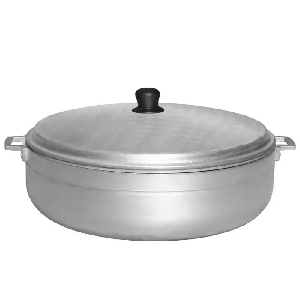
Credit: www.katom.com
Why Season Cast Aluminum
Seasoning cast aluminum cookware improves its performance and lifespan. This process creates a natural, non-stick surface. It also protects the cookware from rust and corrosion. Seasoning makes cooking and cleaning much easier. Understanding why to season cast aluminum helps you get the best results from your cookware.
Benefits Of Seasoning
Seasoning builds a smooth, non-stick layer on the cookware. Food sticks less, so cooking is more enjoyable. The surface becomes easier to clean after each use. Seasoning also guards against rust and damage. It extends the life of your cast aluminum cookware. The more you use and season it, the better it performs.
Common Misconceptions
Many think cast aluminum does not need seasoning. Unlike cast iron, it has a different surface but still benefits from seasoning. Some believe seasoning will make the pan sticky or sticky. Proper seasoning creates a smooth, protective layer, not a sticky one. Others worry it is difficult, but seasoning is simple and quick. Regular seasoning keeps the cookware safe and ready for every meal.
Preparing Your Cookware
Preparing your cast aluminum cookware is the first step to good seasoning. Clean and dry the cookware well before applying oil or seasoning agents. This helps the oil stick better and creates a strong, non-stick surface.
Skipping this step can cause uneven seasoning or rust spots. Take time to prepare the cookware properly for the best results.
Cleaning Before Seasoning
Wash your cookware with warm water and mild soap. Use a soft sponge to remove any dirt or grease. Avoid harsh scrubbers that can scratch the surface. Rinse thoroughly to remove soap residue. Dry cleaning ensures the surface is free of oils from manufacturing or handling.
Drying Thoroughly
After washing, dry the cookware completely with a clean cloth. Any moisture left can cause rust or prevent seasoning from sticking. You can also warm the cookware on low heat for a few minutes. This helps remove hidden moisture and prepares the surface for oil application.
Choosing The Right Oil
Choosing the right oil is key to seasoning cast aluminum cookware. The oil creates a protective layer that stops food from sticking. It also helps prevent rust and damage. Not all oils work well for this. Some oils dry hard and form a good coating. Others can become sticky or go bad. Picking the right oil makes seasoning easy and effective.
Best Oils For Seasoning
Flaxseed oil is a top choice. It dries hard and forms a strong, smooth layer. It seals the cookware well and lasts long.
Grapeseed oil has a high smoke point. It creates a durable, non-stick surface. It also smells mild during seasoning.
Canola oil is cheap and easy to find. It works well for basic seasoning. It also has a neutral taste.
Vegetable oil is another good option. It spreads easily and forms a protective coat. It is widely available and affordable.
Oils To Avoid
Olive oil has a low smoke point. It can burn and create sticky patches. This makes seasoning uneven and less durable.
Butter and margarine contain milk solids. They can burn quickly and ruin the coating. Avoid using them for seasoning.
Coconut oil has a strong smell. It may leave a greasy, sticky residue. It does not dry well on aluminum.
Animal fats like lard or bacon grease can spoil. They may cause bad odors and uneven layers. Better to avoid these oils.
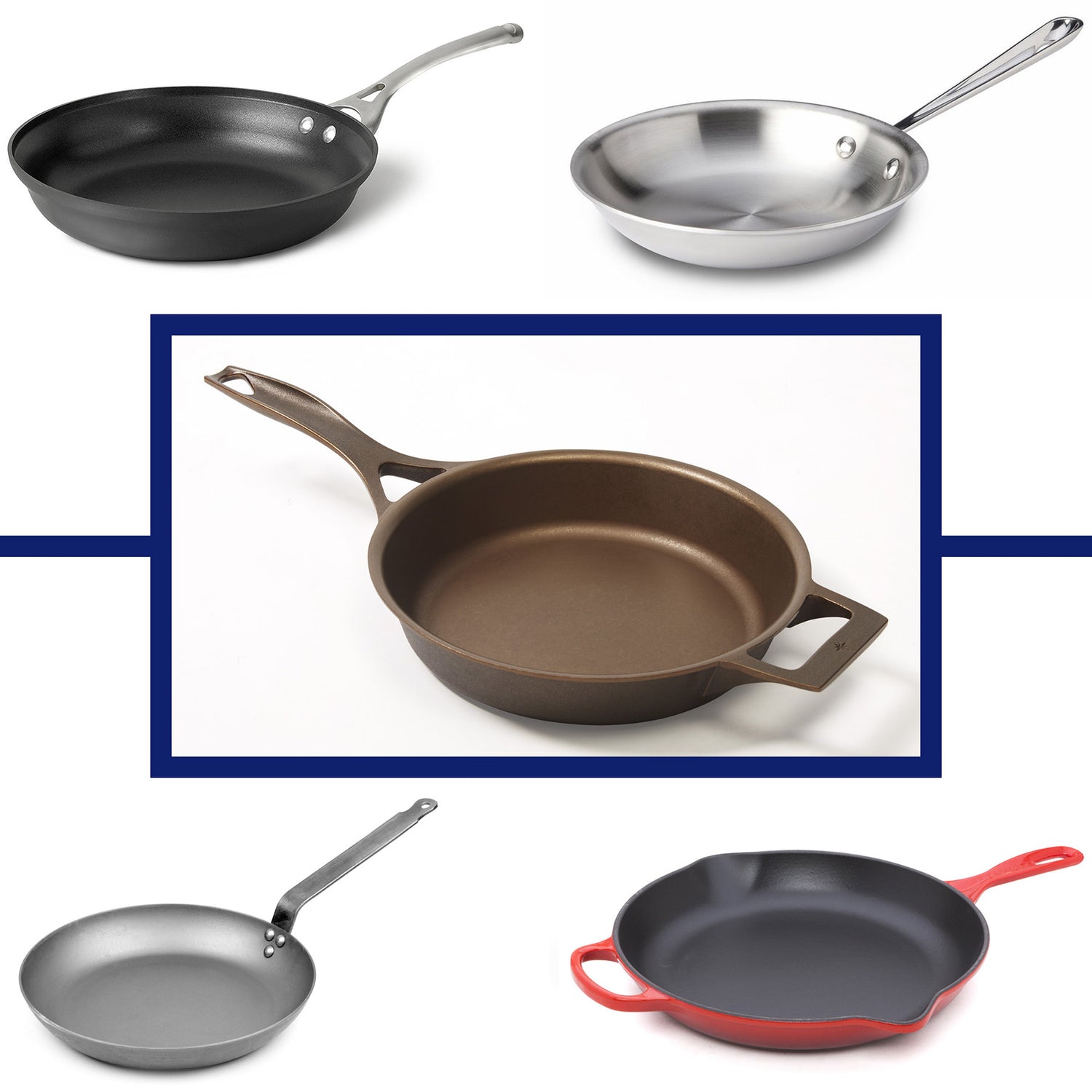
Credit: stargazercastiron.com
Step-by-step Seasoning Process
Seasoning cast aluminum cookware is key for a non-stick surface and long life. Follow a simple, clear process to get the best results. This step-by-step guide helps you prepare your cookware properly and safely.
Applying Oil Evenly
Start by cleaning your cookware with warm water and soap. Dry it fully with a towel. Use a cloth or paper towel to apply a thin layer of oil. Choose oils with high smoke points, like vegetable or canola oil. Spread the oil evenly over the entire surface, inside and out. Avoid thick layers to prevent sticky spots.
Heating Methods
Preheat your oven to 350°F (175°C). Place the oiled cookware upside down on the oven rack. Put a baking sheet or foil on the lower rack to catch drips. Heat the cookware for about one hour. This process helps the oil bond to the metal. Alternatively, you can heat the cookware on a stovetop over medium heat until it smokes slightly.
Cooling And Repeating
Turn off the heat and let the cookware cool completely. Cooling helps the oil set and form a smooth coating. After cooling, wipe off any excess oil with a clean cloth. For best results, repeat the oiling and heating steps two to three times. Each cycle builds a stronger, more durable seasoning layer.
Maintaining Seasoned Cookware
Maintaining seasoned cast aluminum cookware keeps it non-stick and rust-free. Proper care helps your cookware last longer and perform better. Simple steps after each use protect the seasoning layer. This layer builds up over time, improving cooking results.
Cleaning Tips After Use
Use warm water and a soft sponge to clean your cookware. Avoid harsh scrubbers that can strip the seasoning. Do not use soap often, as it can break down the seasoning layer. Dry your cookware completely after washing to prevent rust. Light oiling after drying keeps the surface smooth and protected.
Re-seasoning When Needed
Signs like food sticking or dull color mean it’s time to re-season. Clean the cookware thoroughly before re-seasoning. Apply a thin layer of cooking oil all over the surface. Heat the cookware in the oven or on the stove to bond the oil. Repeat this process every few months or after heavy use. Re-seasoning restores the non-stick surface and protects the metal.

Credit: www.youtube.com
Troubleshooting Common Issues
Seasoning cast aluminum cookware can sometimes bring challenges. Problems like sticky coating or rust can happen. Knowing how to fix these issues keeps your cookware safe and lasting longer. This section helps solve common seasoning problems.
Sticky Or Uneven Coating
Sticky or uneven coating means the seasoning did not set well. Too much oil can cause stickiness. Use a thin layer of oil next time. Spread it evenly on the cookware surface. Bake the cookware at the right temperature for one hour. Let it cool inside the oven. Repeat the process if needed. Avoid using cooking sprays for seasoning. They often leave a sticky residue.
Rust Prevention
Rust can form if the cookware is not dry. Always dry your cast aluminum well after washing. Store it in a dry place. Apply a light coat of oil after each use. This creates a protective layer. Avoid soaking the cookware in water. Rust weakens the seasoning layer. Fix rust by scrubbing gently with steel wool. Reseason the cookware after rust removal.
Frequently Asked Questions
How Often Should I Season Cast Aluminum Cookware?
Season your cast aluminum cookware every 3 to 6 months. Regular seasoning maintains its non-stick surface and prevents rust. If you notice food sticking or dullness, it’s time to re-season. Proper care extends the cookware’s lifespan and enhances cooking performance.
What Oil Is Best For Seasoning Cast Aluminum Cookware?
Use oils with high smoke points like flaxseed, vegetable, or canola oil. These oils form a durable, non-stick coating when heated. Avoid butter or olive oil as they can burn and create sticky residue. Proper oil selection ensures a smooth, long-lasting seasoning layer.
Can I Use My Cast Aluminum Cookware Without Seasoning?
Yes, but seasoning improves performance and durability. Unseasoned cast aluminum may stick and be prone to corrosion. Seasoning creates a protective, non-stick layer that enhances cooking and cleaning. Regular seasoning is recommended for optimal use and care of your cookware.
How Do I Clean Cast Aluminum Cookware After Seasoning?
Clean with warm, soapy water and a soft sponge. Avoid abrasive scrubbers that can damage the seasoning. Dry thoroughly to prevent rust or corrosion. Reapply seasoning if you notice the surface losing its non-stick quality. Proper cleaning maintains the cookware’s seasoning and longevity.
Conclusion
Seasoning cast aluminum cookware keeps it non-stick and rust-free. Use oil and heat to build a strong coating. Clean your cookware gently after each use. Repeat seasoning as needed for best results. Caring for your cookware this way saves money and time.
Enjoy cooking with smooth, easy-to-clean pots and pans. Simple steps make a big difference in your kitchen. Try seasoning today and see the improvement yourself.

Hello, This is Annie Walker, a 38-year-old blogger, founder, and editor of Cookware Guider from NY, USA. I am a cookware fanatic and passionate cooker. I love to cook with different types of cooking appliances (example: all types of cookware, rice cookers, slow cookers, etc) almost every day in my kitchen. I love to share my experience with my readers in my blog. Also, I enjoy helping people to solve their problems through my website. You can follow me on Twitter & Pinterest. To know details about my blog please check the about us page.