
When it comes to choosing cookware, you want to make sure it’s safe for you and your family. You’ve probably seen pots and pans labeled with PTFE and wondered, “Is PTFE safe in cookware?” You’re not alone.
Many people worry about chemicals in their kitchen tools and how they might affect health. You’ll discover what PTFE really is, how it works, and whether it’s a safe choice for your cooking needs. Keep reading to make informed decisions and protect your well-being every time you cook.
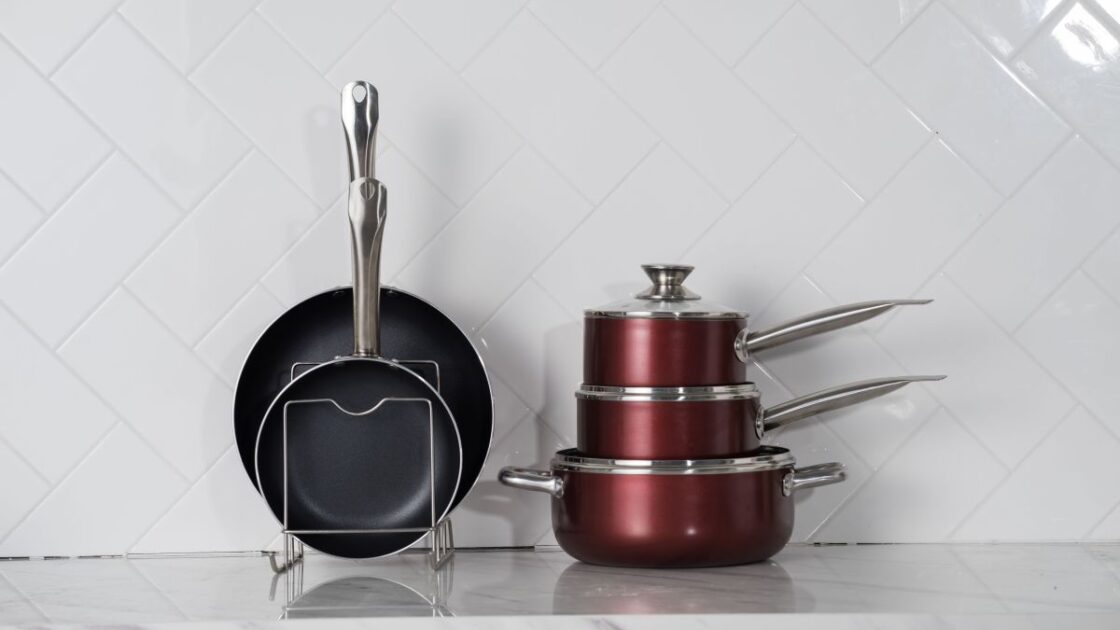
Credit: www.organicauthority.com
What Is Ptfe?
PTFE, short for polytetrafluoroethylene, is a synthetic material widely known for its non-stick properties. It is commonly used in cookware coatings, making pots and pans easier to clean. Understanding what PTFE is and how it works helps answer the question: Is PTFE safe in cookware? This section explains PTFE’s nature, chemical traits, and its role in kitchen tools.
Chemical Properties
PTFE is a fluoropolymer made from carbon and fluorine atoms. Its unique chemical structure creates a strong, slippery surface that resists sticking. The carbon-fluorine bonds are very stable, which gives PTFE high resistance to heat and chemicals.
- Heat resistance: PTFE can safely handle temperatures up to about 260°C (500°F).
- Non-reactive: It does not react with most chemicals, acids, or bases.
- Low friction: PTFE’s surface is very smooth, reducing food sticking.
- Water and oil repellent: It resists moisture and grease, aiding in easy cleaning.
Below is a simple table summarizing key chemical properties:
| Property | Description | Value |
|---|---|---|
| Melting Point | Temperature PTFE melts | 327°C (620°F) |
| Decomposition Temperature | Breakdown starts above this temperature | Above 350°C (662°F) |
| Chemical Resistance | Resistant to acids and bases | Very High |
| Surface Energy | Measure of stickiness | Very Low |
Common Uses In Cookware
PTFE is popular in cookware mainly for its non-stick coating. This coating helps food slide off easily and reduces the need for extra oil or butter. It also makes cleaning pots and pans faster and simpler.
Common uses of PTFE in cookware include:
- Non-stick frying pans: PTFE creates a smooth surface that prevents food from sticking.
- Griddles and skillets: These often use PTFE coatings to improve cooking and cleaning.
- Baking trays: PTFE helps baked goods release cleanly.
- Small kitchen tools: Some spatulas and utensils have PTFE coatings for easy use.
PTFE-coated cookware offers several benefits:
- Requires less cooking fat
- Speeds up cleaning
- Offers even cooking with minimal sticking
- Durable under normal cooking temperatures
Note: PTFE coatings can degrade if overheated above 260°C (500°F). Following manufacturer instructions helps keep cookware safe and functional.
Health Concerns With Ptfe
Health Concerns with PTFE often arise from its use in cookware. PTFE, or polytetrafluoroethylene, is a popular non-stick coating material. It helps food cook without sticking and makes cleaning easier. Despite these benefits, some worries exist about its safety, especially about health risks. Understanding these concerns helps you make better choices for your kitchen. The main issues involve what happens if PTFE-coated pans get too hot and the possible effects on health from fumes released. Let’s explore these points in detail.
Potential Risks When Overheated
PTFE is safe at normal cooking temperatures. Problems start when the pan gets very hot, usually above 260°C (500°F). At this point, the coating can break down and release harmful chemicals.
Key risks include:
- Toxic fumes: These fumes can irritate the lungs and cause flu-like symptoms in humans.
- Coating damage: Overheating can cause the non-stick layer to peel or flake, contaminating food.
- Health hazards: Long-term exposure to these chemicals may affect the liver, kidneys, and immune system.
Here is a simple table showing temperature levels and effects:
| Temperature | Effect on PTFE | Health Risk |
|---|---|---|
| Up to 260°C (500°F) | Safe | No risk |
| 260°C – 350°C (500°F – 662°F) | Coating starts to degrade | Possible mild fumes |
| Above 350°C (662°F) | Serious breakdown of PTFE | Harmful fumes, health risk |
To stay safe, cook with medium or low heat and avoid empty pans on high heat. Use a thermometer if unsure. Replace old or damaged cookware to reduce risks.
Ptfe And Polymer Fume Fever
Polymer fume fever is a temporary illness caused by inhaling fumes from overheated PTFE. It usually happens when pans exceed 350°C (662°F). Symptoms appear within a few hours and include:
- Fever and chills
- Headache
- Cough and sore throat
- Chest tightness
- Muscle pain
This condition feels like flu but clears up in 1-2 days without treatment. It mainly affects people exposed to fumes in small, unventilated spaces.
Birds are very sensitive to these fumes and can die quickly. Do not use PTFE pans around pet birds.
Prevent polymer fume fever by:
- Cooking on low to medium heat
- Ensuring good kitchen ventilation
- Never heating empty PTFE-coated pans
- Replacing scratched or worn cookware
Understanding polymer fume fever helps avoid health issues. Safe cooking habits keep you and your family protected.
Safety Levels In Cooking
Understanding the safety levels in cooking with PTFE cookware is important for healthy meals. PTFE, commonly known as Teflon, is popular due to its non-stick surface. Many wonder if it is safe to use and at what conditions it stays safe. Cooking safety depends on controlling temperature and proper care of the pans. This section explains how to use PTFE cookware safely and maintain it well.
Safe Temperature Limits
PTFE coatings work well at normal cooking temperatures but can break down if overheated. It is safe to use PTFE cookware up to 260°C (500°F). Above this, the coating may release fumes that can cause health issues, especially in birds and sensitive people.
Here are key points about PTFE temperature safety:
- Typical frying and sautéing stay below 260°C.
- Heating empty pans can quickly exceed safe limits.
- Using medium or low heat preserves the coating.
- Avoid broiling or high-heat grilling with PTFE pans.
| Temperature Range | Effect on PTFE | Recommended Use |
|---|---|---|
| Below 260°C (500°F) | Safe, no harmful fumes | Regular cooking, frying, sautéing |
| 260°C to 350°C (500°F to 662°F) | Possible coating damage, slight fumes | Avoid continuous high heat |
| Above 350°C (662°F) | Coating breakdown, toxic fumes | Do not use PTFE cookware |
Always preheat pans slowly and never leave them empty on high heat. This limits risk and extends cookware life.
Proper Use And Maintenance
PTFE cookware needs careful use to stay safe and last longer. Scratches or damage reduce its safety and non-stick power. Use tools and cleaning methods that protect the surface.
Follow these steps for proper care:
- Use wooden, silicone, or plastic utensils to avoid scratching.
- Hand wash with soft sponges and mild detergent; avoid abrasive pads.
- Do not use cooking sprays, which can build residue.
- Store pans carefully to prevent damage, stacking with cloth or paper towels between.
- Replace cookware when the coating peels or scratches deeply.
Proper use helps avoid chemical release and keeps food safe. PTFE pans should not be heated empty or at very high temperatures. Avoid sudden temperature changes, such as rinsing hot pans with cold water, to prevent warping.
By following these simple rules, PTFE cookware remains a safe and convenient option for everyday cooking.

Credit: letshomebody.com
Comparing Ptfe To Other Cookware Materials
Choosing the right cookware matters for both health and cooking quality. PTFE, commonly known as Teflon, is popular for its non-stick surface. Comparing PTFE to other cookware materials helps understand safety, durability, and how well each cooks food. This comparison guides better decisions for everyday kitchen use.
Non-stick Alternatives
PTFE is famous for its smooth, non-stick surface. It lets food slide off easily, reducing the need for oil or butter. Still, some people worry about chemicals in PTFE when heated too much. Several other materials offer non-stick benefits without PTFE.
- Ceramic Coated Cookware: Made from natural minerals, ceramic coatings are free from chemicals like PTFE and PFOA. They provide good non-stick properties but may wear out faster.
- Cast Iron: Naturally non-stick when seasoned well. It can last for decades but needs regular maintenance and seasoning.
- Anodized Aluminum: This material is harder than regular aluminum and has a smooth surface. It resists sticking and scratches but is not as slick as PTFE.
- Stainless Steel: Not naturally non-stick but safe and durable. Food sticks more but it can handle high heat and metal utensils.
| Material | Non-Stick Quality | Health Safety | Ease of Cleaning |
|---|---|---|---|
| PTFE | Excellent | Safe below 260°C (500°F) | Very Easy |
| Ceramic | Good | Generally Safe | Easy |
| Cast Iron | Moderate (when seasoned) | Safe | Moderate |
| Anodized Aluminum | Moderate | Safe | Easy |
| Stainless Steel | Low | Safe | Moderate |
Each option has pros and cons. PTFE offers the best slick surface but needs care with heat. Ceramic is chemical-free but less durable. Cast iron lasts long but requires upkeep. Choose based on cooking style and safety comfort.
Durability And Performance
Durability varies greatly among cookware materials. PTFE coatings can wear off after several years, especially if scratched or heated too high. This reduces non-stick ability and can expose the base metal.
Ceramic coatings last shorter than PTFE, often 1 to 3 years, depending on use. They chip or crack if dropped or used with metal tools.
Cast iron is one of the toughest materials. It can last generations with proper care. It improves with use, gaining a better non-stick surface over time.
Anodized aluminum resists scratches and corrosion well. It handles heat evenly but can warp under very high temperatures.
Stainless steel is very durable and resists dents and corrosion. It cooks food evenly but may stick without proper preheating or oil.
| Material | Typical Lifespan | Heat Resistance | Maintenance |
|---|---|---|---|
| PTFE | 3-5 years | Up to 260°C (500°F) | Gentle cleaning, avoid metal tools |
| Ceramic | 1-3 years | Up to 450°C (840°F) | Careful cleaning, avoid drops |
| Cast Iron | Decades | Very High | Regular seasoning, dry storage |
| Anodized Aluminum | 5-10 years | Up to 260°C (500°F) | Avoid harsh abrasives |
| Stainless Steel | 10+ years | Very High | Regular cleaning, occasional polishing |
Performance depends on material and care. PTFE cooks quickly and cleans easily. Cast iron holds heat well for frying and searing. Stainless steel suits boiling and browning. Choose cookware that fits cooking habits and lasts well.
Environmental Impact Of Ptfe
The environmental impact of PTFE (polytetrafluoroethylene) used in cookware raises important questions. PTFE is popular for its non-stick properties, but its effects on nature and waste systems deserve attention. Understanding how PTFE affects the environment helps consumers make safer, smarter choices for their kitchens and the planet.
Production And Disposal Concerns
PTFE production involves chemicals that can harm the environment. The manufacturing process releases greenhouse gases and toxic compounds. These substances can damage air quality and contribute to climate change.
- Greenhouse gas emissions: Some gases released during production have a high global warming potential.
- Use of harmful chemicals: Chemicals like perfluorooctanoic acid (PFOA) were once used, which is toxic and persistent in nature.
- Energy consumption: PTFE production requires a lot of energy, increasing its carbon footprint.
Disposing of PTFE cookware also poses challenges. PTFE does not break down easily in landfills. It can remain for hundreds of years without decomposing. Burning PTFE releases harmful fumes that affect air quality and human health.
| Aspect | Environmental Concern | Impact |
|---|---|---|
| Production | Release of toxic chemicals and greenhouse gases | Air pollution and climate change |
| Disposal | Persistence in landfills and harmful fumes when burned | Soil and air pollution |
| Energy Use | High energy requirements in manufacturing | Increased carbon emissions |
Safe handling and recycling of PTFE products remain limited. Most recycling facilities do not accept PTFE cookware. This increases waste accumulation and environmental risks.
Eco-friendly Options
Choosing eco-friendly cookware reduces environmental harm. Alternatives to PTFE include ceramic, cast iron, and stainless steel. These materials last longer and have a smaller environmental footprint.
- Ceramic cookware: Made from natural materials and free of toxic chemicals.
- Cast iron: Durable and recyclable, with no synthetic coatings.
- Stainless steel: Long-lasting and fully recyclable at the end of its life.
Manufacturers now offer PTFE-free non-stick options. These products use safer coatings and processes. Look for cookware labeled as PFOA-free or eco-friendly.
Simple steps to reduce impact:
- Choose cookware made from natural or recyclable materials.
- Avoid overheating non-stick pans to prevent chemical release.
- Recycle or donate old cookware instead of throwing it away.
Here is a quick comparison of common eco-friendly cookware types:
| Cookware Type | Environmental Impact | Durability | Maintenance |
|---|---|---|---|
| Ceramic | Low, made from natural materials | Moderate | Easy |
| Cast Iron | Low, recyclable and long-lasting | High | Requires seasoning |
| Stainless Steel | Low, fully recyclable | High | Easy |
Choosing eco-friendly cookware helps protect the environment and personal health. It supports sustainable living by reducing waste and pollution.
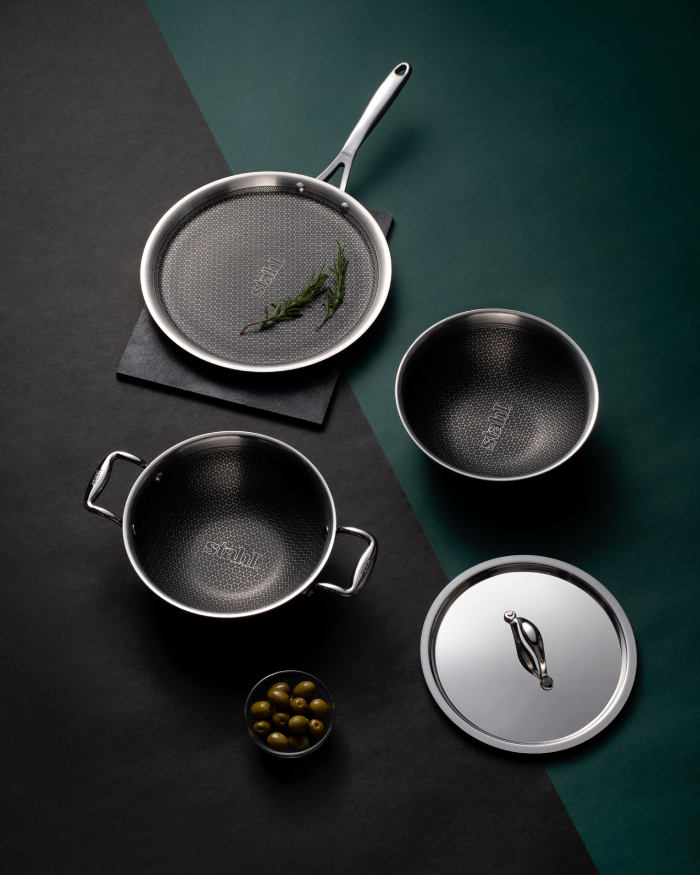
Credit: stahlkitchens.com
Frequently Asked Questions
Is Ptfe Cookware Safe For Everyday Cooking?
Yes, PTFE cookware is safe when used below 500°F (260°C). Avoid overheating to prevent toxic fumes. Proper use ensures non-stick benefits without health risks.
Can Ptfe Coatings Release Harmful Chemicals?
PTFE coatings are stable at normal cooking temperatures. Overheating above 500°F can release fumes harmful to birds and humans. Use moderate heat for safety.
Does Ptfe Cookware Cause Cancer Or Health Issues?
Current research shows PTFE does not cause cancer when used correctly. Avoid scratching or overheating to maintain safety and non-stick effectiveness.
How To Maintain Ptfe Cookware For Safety?
Use wooden or silicone utensils to prevent scratching. Clean gently with non-abrasive sponges. Avoid high heat to extend cookware life and safety.
Conclusion
PTFE cookware stays safe when used at normal cooking temperatures. Avoid overheating to keep it from breaking down. This non-stick surface helps cook food with less oil. Cleaning is easy and quick too. Choosing good-quality PTFE pans can reduce health risks.
Always follow the manufacturer’s instructions for best results. Many people enjoy using PTFE safely every day. So, with simple care, PTFE cookware fits well in any kitchen. Safe, convenient, and effective—PTFE can be a good choice.

Hello, This is Annie Walker, a 38-year-old blogger, founder, and editor of Cookware Guider from NY, USA. I am a cookware fanatic and passionate cooker. I love to cook with different types of cooking appliances (example: all types of cookware, rice cookers, slow cookers, etc) almost every day in my kitchen. I love to share my experience with my readers in my blog. Also, I enjoy helping people to solve their problems through my website. You can follow me on Twitter & Pinterest. To know details about my blog please check the about us page.