
If you want your hard anodized cookware to last longer and perform better, seasoning it is a simple step you shouldn’t skip. Seasoning creates a natural non-stick surface that makes cooking and cleaning easier.
But how exactly do you season your hard anodized pots and pans? You’ll discover easy, effective methods to protect your cookware and get the most out of every meal you prepare. Keep reading to unlock the secrets that will make your kitchen experience smoother and more enjoyable.
Why Season Hard Anodized Cookware
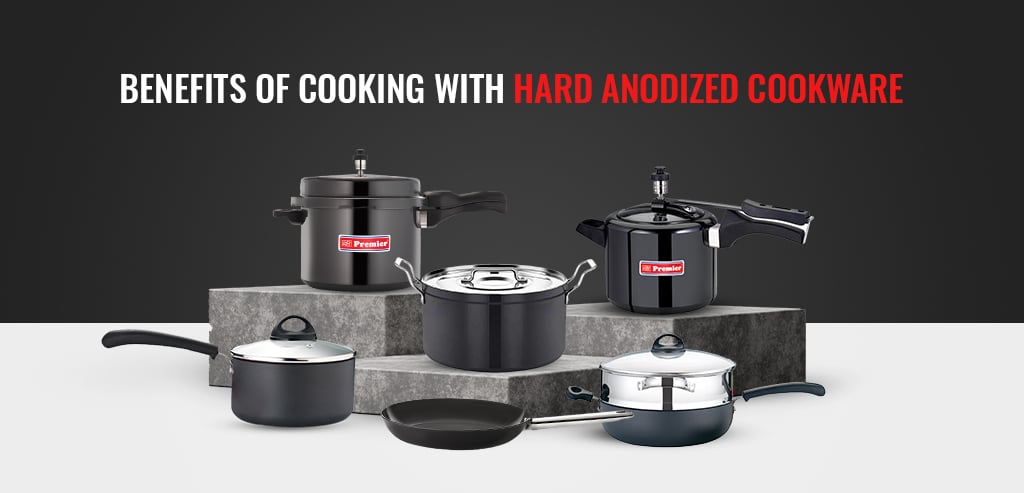
Hard anodized cookware offers durability and even heating. Seasoning this cookware improves its performance and lifespan. It creates a natural non-stick surface that makes cooking easier. This simple step protects the cookware from damage and rust. Understanding why to season hard anodized cookware helps you care for it better.
Benefits Of Seasoning
Seasoning forms a smooth, non-stick layer on the cookware. It reduces food sticking and makes cleaning faster. This layer also protects the surface from scratches and wear. Seasoned cookware needs less oil, making meals healthier. It helps keep the cookware looking new for years. Seasoning improves heat distribution for better cooking results.
Common Misconceptions
Many believe hard anodized cookware does not need seasoning. The factory coating is strong but benefits from extra care. Some think seasoning is only for cast iron pans. Seasoning hard anodized cookware enhances its natural qualities. Others worry seasoning will damage the cookware’s finish. Proper seasoning actually strengthens the surface and extends its life.
Preparing Your Cookware
Preparing your hard anodized cookware is the first step for good seasoning. Proper preparation helps the oil stick better. It also protects your cookware from damage. Taking time here ensures long-lasting results and better cooking performance.
Follow a simple process to get your cookware ready. This involves cleaning and choosing the right oil. Both steps are important for a smooth seasoning process. Let’s explore these steps in detail.
Cleaning Before Seasoning
Start by washing your cookware with warm water and mild soap. Use a soft sponge to remove any dirt or grease. Avoid harsh cleaners or abrasive scrubbers that can harm the surface. Rinse well to remove all soap residue.
Dry the cookware completely with a soft cloth or let it air dry. Moisture can prevent the oil from bonding properly. Clean cookware gives a fresh surface for seasoning to work best.
Choosing The Right Oil
Pick an oil with a high smoke point. Oils like vegetable, canola, or grapeseed are good choices. These oils can handle heat without burning or smoking too much.
Avoid using butter or olive oil. They burn at lower temperatures and create sticky residue. Using the right oil makes your seasoning smooth and even.
Step-by-step Seasoning Process
Seasoning hard anodized cookware improves its non-stick surface. It also protects the cookware and extends its life. Follow these simple steps for best results.
Applying Oil Evenly
Start with clean, dry cookware. Use a paper towel to apply a thin layer of oil. Choose oils with high smoke points, like vegetable or canola oil. Make sure the oil covers every part inside the pan. Avoid thick or sticky layers. Thin and even is the key.
Heating Techniques
Place the oiled cookware on the stove or in the oven. Heat it on medium heat for about 10-15 minutes. The oil will bond to the surface during this time. Watch for smoke, which means the oil is breaking down properly. Turn off the heat and let the cookware sit for a few minutes.
Cooling And Wiping
Let the cookware cool down completely. Use a clean paper towel to wipe off any excess oil. This step prevents sticky residue buildup. Your cookware is now ready for use. Repeat seasoning after heavy use or washing for best protection.

Credit: www.amazon.com
Maintaining Seasoned Cookware
Maintaining seasoned hard anodized cookware keeps it non-stick and lasts longer. Proper care helps preserve the smooth surface and flavor of your food. Simple steps protect the seasoning and keep your cookware in top shape.
Proper Cleaning Tips
Clean your cookware with warm water and mild soap. Avoid harsh scrubbers or steel wool. Use a soft sponge or cloth to protect the coating. Dry the cookware completely after washing. Do not soak it for a long time. Store it in a dry place to avoid rust or damage.
Re-seasoning Frequency
Re-season your cookware when food starts to stick. This might be every few months or after heavy use. Apply a thin layer of oil and heat the pan gently. This restores the non-stick surface and keeps it smooth. Regular re-seasoning keeps your cookware working well for years.
Troubleshooting Seasoning Issues
Seasoning hard anodized cookware can sometimes cause problems. These issues may affect cooking and cleaning. Knowing how to fix them helps keep your cookware in top shape. This section covers common seasoning troubles and how to solve them.
Dealing With Sticky Residue
Sticky residue often appears after seasoning. It feels tacky and makes food stick. This happens when too much oil is used. Or the cookware was heated at too low temperature. To fix, wash the pan with hot water and mild soap. Use a soft sponge to scrub gently. Dry the pan completely. Then, apply a thin layer of oil. Heat the pan on medium heat for 10 minutes. This process removes residue and smooths the surface.
Removing Rust Spots
Rust spots may form if moisture stays on the cookware. Rust harms the seasoning layer and the metal. To remove rust, mix baking soda and water into a paste. Rub the paste gently on rust spots with a soft cloth. Rinse the cookware well and dry it fully. After cleaning, re-season the pan with a light oil coat. Heat it to restore protection and prevent rust return.
Credit: www.premierkitchen.in
Tips For Extending Cookware Life
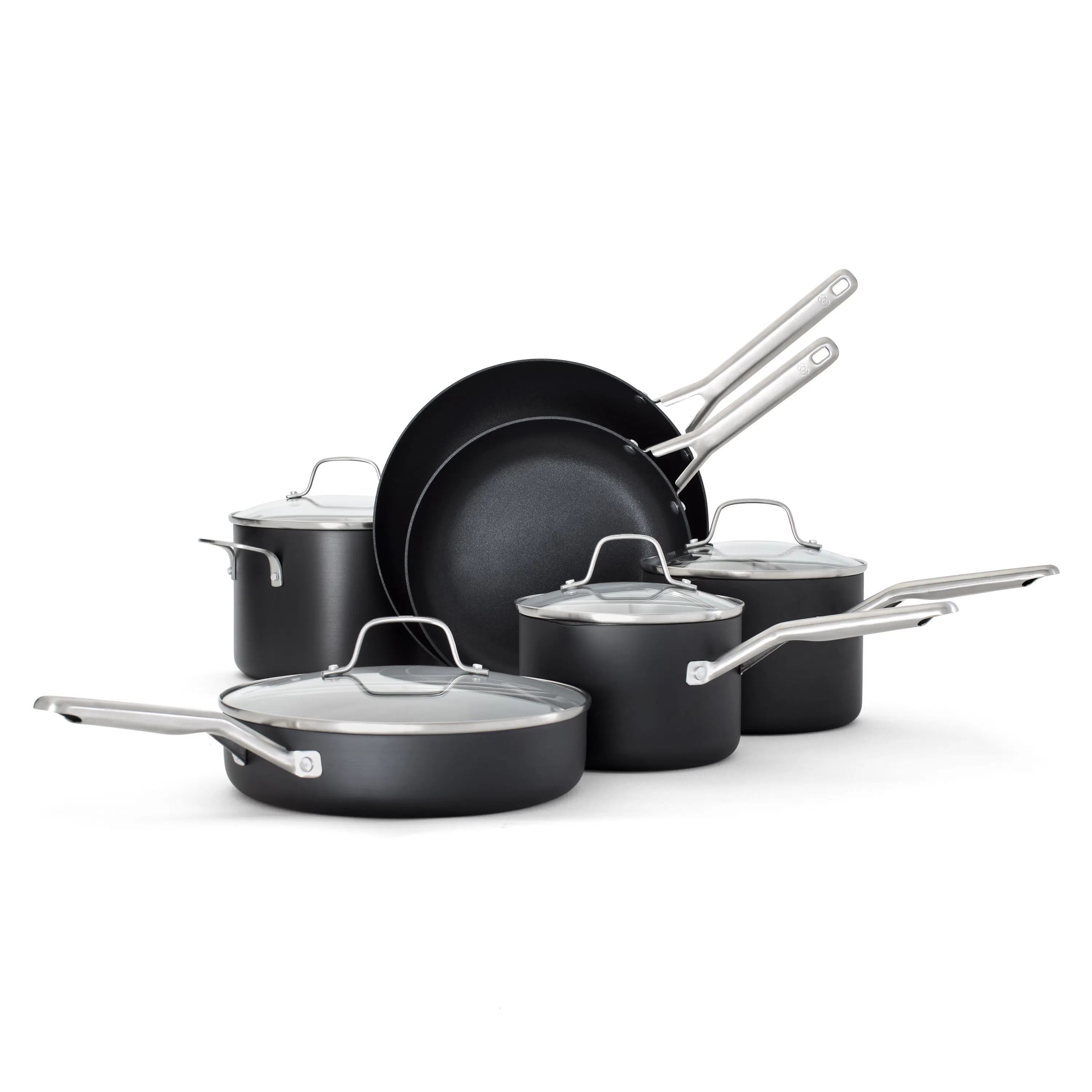
Hard anodized cookware is strong and lasts long with proper care. Simple habits can keep your pans in great shape. These tips help protect the surface and keep your cookware working well. Follow these easy steps to enjoy your cookware for many years.
Storage Recommendations
Store cookware in a dry place to stop rust and stains. Avoid stacking pans directly on top of each other. Use soft cloth or paper towels between pans to protect the surface. Hang pots and pans if possible. This keeps them safe and easy to reach.
Avoiding Damage
Use wooden, silicone, or plastic utensils to stop scratches. Avoid metal tools that can harm the surface. Do not use abrasive cleaners or steel wool on your pans. Clean with soft sponges and mild soap. Avoid overheating your cookware as this can damage the coating.
Credit: www.calphalon.com
Frequently Asked Questions
What Is The Best Oil For Seasoning Hard Anodized Cookware?
Use oils with high smoke points like vegetable, canola, or grapeseed oil. These oils create a durable, non-stick layer when heated properly.
How Often Should I Season Hard Anodized Cookware?
Season your cookware after every 10-15 uses or when food starts sticking. Regular seasoning maintains the non-stick surface and protects the cookware.
Can Seasoning Improve Hard Anodized Cookware Performance?
Yes, seasoning enhances non-stick properties and prolongs cookware lifespan. It also prevents rust and makes cleaning easier.
Is Seasoning Necessary For Brand-new Hard Anodized Pans?
No, most new hard anodized cookware comes pre-seasoned. However, occasional seasoning boosts performance and surface protection.
Conclusion
Seasoning hard anodized cookware keeps it strong and non-stick. Clean the pan well before starting. Use a small amount of oil and heat it gently. This process helps food cook evenly and stops sticking. Regular seasoning also protects the surface from damage.
Take care of your cookware, and it will last longer. Enjoy cooking with your well-seasoned pan every day. Simple steps make a big difference in your kitchen. Try seasoning your cookware soon and see the results yourself.

Hello, This is Annie Walker, a 38-year-old blogger, founder, and editor of Cookware Guider from NY, USA. I am a cookware fanatic and passionate cooker. I love to cook with different types of cooking appliances (example: all types of cookware, rice cookers, slow cookers, etc) almost every day in my kitchen. I love to share my experience with my readers in my blog. Also, I enjoy helping people to solve their problems through my website. You can follow me on Twitter & Pinterest. To know details about my blog please check the about us page.