
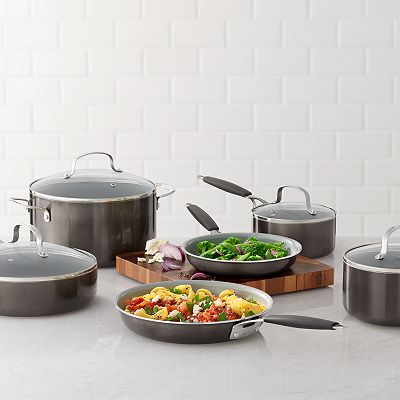
If you’ve invested in Food Network ceramic cookware, you already know how great it feels to cook with high-quality pots and pans. But to get the best results and keep your cookware looking and performing like new, seasoning is key.
Seasoning your ceramic cookware isn’t just a simple step—it’s a game-changer that improves cooking, prevents sticking, and extends the life of your favorite kitchen tools. In this guide, you’ll discover easy, practical steps to season your Food Network ceramic cookware the right way.
Ready to unlock the full potential of your cookware? Let’s dive in and make your cooking experience smoother and more enjoyable than ever.
Credit: www.kohls.com
Benefits Of Seasoning Ceramic Cookware
Seasoning ceramic cookware offers many important benefits. It helps improve the cooking experience and keeps the pots and pans in good shape. Proper seasoning creates a protective layer on the surface. This layer makes cooking easier and cleaning faster.
Seasoning also protects the cookware from damage. It reduces the risk of stains and bad smells. Plus, it helps the ceramic last longer, saving money over time. Understanding these benefits shows why seasoning is worth the effort.
Enhancing Non-stick Properties
Seasoning builds a smooth, natural coating on ceramic cookware. This coating stops food from sticking. It allows cooking with less oil or butter. Foods slide off easily, making cooking and cleaning faster. The non-stick effect improves with each use after seasoning.
Preventing Stains And Odors
Seasoning seals tiny pores in the ceramic surface. This stops food and liquids from soaking in. As a result, stains and smells do not stay in the cookware. The kitchen stays fresher. The pots and pans look cleaner and newer for longer.
Extending Cookware Lifespan
Seasoning forms a protective barrier on the ceramic. This layer guards against scratches and heat damage. The cookware resists wear and tear better. It keeps its color and finish without fading. Properly seasoned ceramic cookware can last for many years.
Choosing The Right Oil For Seasoning
Choosing the right oil for seasoning Food Network ceramic cookware matters a lot. The oil protects the surface and builds a smooth layer. This layer helps prevent food from sticking and keeps the cookware lasting longer. Using the wrong oil can cause sticky spots or damage the ceramic surface.
Pick oils with good heat tolerance. They create a strong seasoning layer. Some oils burn easily and leave bad smells or sticky residue. The right oil keeps your cookware safe and works well for cooking.
High Smoke Point Oils
Oils with a high smoke point work best for seasoning ceramic cookware. They can handle high heat without burning. Examples include avocado oil, grapeseed oil, and refined sunflower oil. These oils stay stable and form a smooth, even layer. Using them helps build a strong, long-lasting seasoning coat.
Stay away from oils that smoke at low heat. Low smoke point oils break down and create sticky spots. High smoke point oils keep your ceramic cookware looking and working great.
Avoiding Unhealthy Fats
Avoid oils high in unhealthy fats for seasoning. Trans fats and highly processed oils can leave harmful residues. They also do not create a good seasoning layer. Choose natural, pure oils without additives or chemicals.
Healthy oils help maintain your cookware and keep food safe. Using clean oils ensures your ceramic cookware stays in top condition for years.
Preparing Ceramic Cookware For Seasoning
Preparing ceramic cookware for seasoning is an important step. It helps improve the cooking surface and extends the life of your cookware. Proper preparation ensures the seasoning sticks well and works effectively.
Before seasoning, you need to clean and dry the cookware carefully. These steps remove any dirt, oils, or residues that could affect the seasoning process. Follow simple, clear steps to get your ceramic cookware ready.
Cleaning Before Seasoning
Start by washing the cookware with warm water and mild dish soap. Use a soft sponge or cloth to avoid scratching the ceramic surface. Remove all food particles and grease completely. Rinse the cookware well to remove any soap residue. Avoid harsh cleaners or abrasive pads that can damage the ceramic coating.
Drying Thoroughly
After cleaning, dry the cookware completely. Use a soft towel to wipe away moisture. Let it air dry for a few minutes to ensure no water remains. Moisture can prevent the seasoning oil from bonding to the ceramic surface. Make sure the cookware is fully dry before moving to the next step.
Credit: www.kohls.com
Step-by-step Seasoning Process
Seasoning your Food Network ceramic cookware improves its performance. It creates a non-stick surface and protects the cookware from damage. Follow these simple steps to season your ceramic cookware properly. The process is quick and easy with the right approach.
Applying Oil Evenly
Start with clean, dry cookware. Choose a light oil, like vegetable or canola oil. Pour a small amount of oil onto the cookware surface. Use a paper towel to spread the oil evenly. Cover every part of the cooking surface with a thin layer. Avoid using too much oil to prevent sticky spots.
Heating Techniques
Place the oiled cookware on the stove or in the oven. Heat it on low to medium heat for about 10 minutes. The heat helps the oil bond with the ceramic surface. Keep an eye on the cookware to avoid overheating. Turn off the heat once the time is up.
Cooling And Wiping Excess
Allow the cookware to cool naturally. Do not cool it quickly with water. After it cools, use a clean paper towel to wipe off extra oil. This step removes any oil buildup. Your ceramic cookware is now ready for cooking and easier to clean.
Maintenance Tips To Preserve Seasoning
Keeping the seasoning on your Food Network ceramic cookware takes some care. Proper maintenance keeps the non-stick surface strong. It also stops food from sticking or damaging the cookware.
Follow simple tips to protect the seasoning. These steps help your cookware last longer and perform better.
Proper Cleaning Methods
Clean your ceramic cookware with warm water and mild soap. Use a soft sponge or cloth. Avoid soaking the cookware for a long time. Dry it completely after washing. This stops rust and keeps the seasoning intact.
Avoiding Abrasive Tools
Do not use steel wool or rough scrubbers. These tools scratch the ceramic coating. Scratches can ruin the seasoning layer. Use plastic or silicone spatulas to protect the surface. Gentle cleaning tools extend the life of your cookware.
Re-seasoning Frequency
Re-season your cookware every few months or when needed. If food starts to stick, it is time to re-season. Apply a thin layer of cooking oil and heat the pan. This restores the non-stick surface and keeps your cookware working well.
Common Mistakes To Avoid
Seasoning Food Network ceramic cookware improves its performance and lifespan. Many people make mistakes during this process. These errors can damage the cookware or reduce its non-stick properties. Avoiding common pitfalls helps keep your ceramic cookware in great shape.
Overheating The Cookware
High heat can ruin the ceramic surface. It causes cracking or discoloration. Always use low to medium heat when seasoning. Let the cookware cool naturally before cleaning. Avoid sudden temperature changes to protect the coating.
Using The Wrong Oils
Not all oils are good for seasoning ceramic cookware. Oils with low smoke points burn easily. This leaves sticky residue and bad smells. Choose oils like vegetable, canola, or grapeseed. They create a smooth, durable layer on the surface.
Neglecting Regular Care
Seasoning is not a one-time job. The cookware needs regular care to stay non-stick. Clean gently with mild soap and soft sponges. Avoid harsh scrubbers that scratch the surface. Re-season the cookware often to maintain its quality.
Troubleshooting Seasoning Issues
Seasoning your Food Network ceramic cookware can sometimes bring small problems. These issues may stop your pan from cooking well or make cleaning hard. Knowing how to fix these common problems helps keep your cookware in great shape. This guide covers simple ways to solve typical seasoning troubles.
Dealing With Sticky Residue
Sticky residue often forms when too much oil is used. This residue makes the pan feel sticky instead of smooth. To fix this, heat the pan on low for a few minutes. Then wipe it with a paper towel to remove extra oil. Avoid using harsh scrubbing tools. They can damage the ceramic surface. Use a soft cloth to clean after each use.
Removing Uneven Coating
Uneven seasoning creates patches that cook food poorly. This happens when oil is not spread well on the pan. To fix, clean the pan with warm water and mild soap. Dry it completely before applying a thin layer of oil. Use a paper towel to spread the oil evenly. Bake the pan at a low temperature for 30 minutes. This helps the coating become smooth and uniform.

Credit: www.nj.com
Frequently Asked Questions
How Do I Season Food Network Ceramic Cookware?
To season, clean the cookware, dry it well, then apply a thin layer of cooking oil. Heat it gently on low for 10 minutes. Let it cool, then wipe off excess oil. This process enhances non-stick performance and protects the ceramic surface.
Why Is Seasoning Ceramic Cookware Important?
Seasoning creates a natural non-stick layer, reducing food sticking and improving cooking. It also protects the ceramic coating from damage, extending the cookware’s lifespan. Proper seasoning helps maintain even heat distribution and preserves cookware quality over time.
Can I Use Any Oil To Season Ceramic Cookware?
Use oils with high smoke points like vegetable, canola, or grapeseed oil. Avoid butter or olive oil as they can burn and leave residue. High smoke point oils ensure effective seasoning without damaging the ceramic surface.
How Often Should I Season Food Network Ceramic Cookware?
Season your ceramic cookware every 3 to 4 uses or when you notice food starting to stick. Regular seasoning keeps the surface smooth and non-stick. It also maintains the cookware’s durability and cooking efficiency.
Conclusion
Seasoning your Food Network ceramic cookware keeps it in good shape. It helps stop food from sticking and makes cleaning easier. Use a gentle oil and heat the pan carefully. Regular seasoning protects the surface and keeps your meals tasting great.
Take a little time to care for your cookware. This small step improves your cooking experience every day. Enjoy cooking with your well-seasoned ceramic pans!

Hello, This is Annie Walker, a 38-year-old blogger, founder, and editor of Cookware Guider from NY, USA. I am a cookware fanatic and passionate cooker. I love to cook with different types of cooking appliances (example: all types of cookware, rice cookers, slow cookers, etc) almost every day in my kitchen. I love to share my experience with my readers in my blog. Also, I enjoy helping people to solve their problems through my website. You can follow me on Twitter & Pinterest. To know details about my blog please check the about us page.