
You want your nonstick cookware to last longer and perform better every time you cook. But did you know that seasoning your nonstick pans can make a big difference?
Seasoning helps create a natural, nonstick surface that keeps food from sticking and makes cleaning easier. If you’ve ever struggled with food sticking or noticed your pan losing its shine, this guide will show you simple steps to bring your cookware back to life.
Keep reading to discover how easy it is to season your nonstick cookware and get the most out of every meal you prepare.

Credit: www.youtube.com
Why Season Nonstick Cookware
Seasoning nonstick cookware helps keep it in good shape for a long time. It improves the cooking surface and protects the pan from damage. Many people skip this step and miss out on important benefits.
Understanding why to season nonstick cookware can change how you care for your pans. It is a simple process that improves cooking results and extends the pan’s life.
Benefits Of Seasoning
Seasoning creates a thin layer of oil on the pan’s surface. This layer helps food slide off easily. It makes cooking less messy and cleaning quicker. Seasoning also protects the pan from scratches and wear. It keeps the nonstick coating strong and working well. Over time, the pan becomes more nonstick with regular seasoning.
Common Misconceptions
Some believe nonstick pans do not need seasoning. They think the coating is enough alone. Others worry seasoning might damage the pan. These ideas are not true. Seasoning is safe and helps the pan last longer. It does not replace the factory coating but supports it. Skipping seasoning can make the pan wear out faster.
Credit: www.americastestkitchen.com
When To Season Nonstick Pans
Knowing when to season nonstick pans helps keep them in good shape. Seasoning creates a thin layer that protects the surface. It also improves the pan’s nonstick ability. Timing matters to get the best results and extend the pan’s life.
New Pans
Season new nonstick pans before first use. This step adds extra protection to the coating. It helps prevent food from sticking. It also makes cleaning easier. Simply wipe the pan with oil and heat it gently. This prepares the surface for cooking.
After Deep Cleaning
Deep cleaning can remove the seasoning layer. Use gentle soap and avoid scrubbing too hard. After a thorough wash, re-season the pan. This restores the protective coating. It keeps the nonstick surface working well. Without re-seasoning, food may stick more.
Signs Your Pan Needs Seasoning
Check the pan for signs it needs seasoning. Look for food sticking more than usual. Notice dull or dry spots on the surface. Scratches can also signal the need. Season the pan again to fix these issues. This keeps cooking smooth and hassle-free.
Step-by-step Seasoning Process
Seasoning nonstick cookware helps keep its surface smooth and nonstick. It also protects the pan from damage. Follow these simple steps to season your pan properly. This process makes cooking easier and extends the pan’s life.
Cleaning The Pan
Start with a clean pan. Wash it with warm water and mild soap. Use a soft sponge to avoid scratches. Rinse the pan well and dry it completely with a towel. No water should remain on the surface before seasoning.
Choosing The Right Oil
Select an oil with a high smoke point. Oils like vegetable, canola, or grapeseed work well. Avoid butter or olive oil. These oils can burn and leave sticky residue. The right oil creates a strong, smooth coating.
Applying The Oil
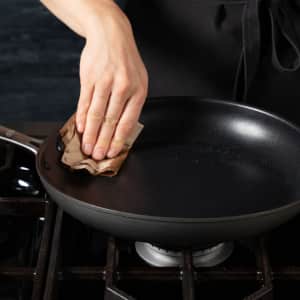
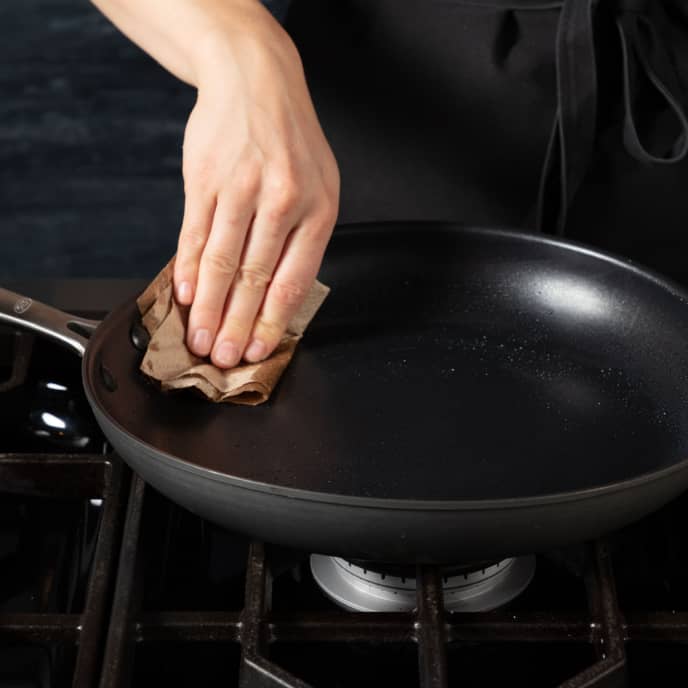
Pour a small amount of oil into the pan. Use a paper towel to spread the oil evenly. Cover every part of the cooking surface with a thin layer. Remove extra oil to prevent sticky buildup. The layer should be thin but complete.
Heating Techniques
Place the pan on low or medium heat. Heat the pan for about 5 minutes. The oil will start to bond with the surface. Avoid overheating or smoking the pan. Turn off the heat once the oil looks dry and smooth.
Cooling And Storing
Let the pan cool down completely. Do not rinse or wipe off the oil after heating. Store the pan in a dry place. Keep the surface clean and dry between uses. Seasoning lasts longer when the pan is stored properly.
Tips For Maintaining Seasoned Cookware
Maintaining seasoned nonstick cookware keeps it performing well and lasting longer. Proper care helps preserve the nonstick layer. It also prevents damage and sticking. Follow simple tips to keep your cookware in top shape.
Proper Cleaning Methods
Clean your nonstick cookware gently after each use. Use warm water and mild dish soap. Avoid soaking for too long to protect the seasoning. Wipe with a soft cloth or sponge. Dry it completely before storing to stop rust and damage.
Avoiding Abrasive Tools
Do not use steel wool or harsh scrubbers. These tools can scratch the nonstick surface and ruin the seasoning. Use plastic or silicone spatulas and brushes instead. They clean well without harming the cookware. Gentle care extends the life of your pans.
Regular Re-seasoning
Season your cookware again after several uses. This restores the protective layer and keeps food from sticking. Lightly coat the surface with oil and heat it for a few minutes. Repeat as needed to maintain the smooth, nonstick finish.
Common Mistakes To Avoid
Seasoning nonstick cookware improves its durability and cooking performance. Many people make mistakes that reduce seasoning effects. Avoiding these common errors helps keep your pan in great shape longer.
Using Too Much Oil
Applying too much oil creates a sticky, uneven layer. This stops food from cooking properly and can damage the coating. Use just a thin, even layer of oil for best results.
Overheating The Pan
Heating the pan too much can ruin the seasoning and the nonstick surface. Keep the temperature moderate. High heat breaks down the oil and harms your cookware.
Skipping Seasoning Steps
Skipping steps leaves the pan less protected and less nonstick. Follow each step carefully to build a strong, smooth coating. Do not rush or skip any part of the process.
Credit: www.americastestkitchen.com
Alternative Methods For Seasoning
Seasoning nonstick cookware helps keep its surface smooth and durable. Besides the usual methods, there are alternative ways to season your pans. These methods suit different kitchen setups and preferences. They can also extend the life of your cookware.
Oven Seasoning
Oven seasoning offers even heat distribution for better results. Start by cleaning your pan with warm soapy water. Dry it completely. Apply a thin layer of cooking oil inside the pan. Use oils with high smoke points like vegetable or canola oil. Preheat the oven to 350°F (175°C). Place the pan upside down on the oven rack. Put a baking sheet below to catch drips. Bake for one hour. Turn off the oven and let the pan cool inside. This method creates a strong, nonstick coating.
Stovetop Seasoning
Stovetop seasoning is quick and simple. First, wash and dry the pan thoroughly. Pour a small amount of oil into the pan. Heat it on medium-low for 5 to 10 minutes. Move the oil around to cover the surface evenly. The heat will help the oil bond to the pan. Remove the pan from heat and let it cool. Wipe out any excess oil with a paper towel. Repeat if needed to build a better layer.
Microwave Seasoning
Microwave seasoning is a less common but useful option. Clean and dry your pan. Apply a thin coat of oil inside. Place the pan in the microwave. Heat on high for 1 to 2 minutes. The microwave heats the oil quickly. Let the pan cool outside the microwave. Wipe off extra oil before using. This method suits small pans and quick touch-ups.
Frequently Asked Questions
How Often Should I Season Nonstick Cookware?
Season nonstick cookware every 3 to 6 months. Regular seasoning maintains the nonstick surface. It enhances durability and cooking performance. Avoid seasoning too frequently to prevent buildup.
Can I Use Oil To Season Nonstick Pans?
Yes, use a small amount of oil like vegetable or flaxseed oil. Apply evenly and heat the pan gently. This creates a protective layer that improves nonstick properties.
Is Seasoning Necessary For All Nonstick Cookware?
Seasoning is recommended but not always required. Some pans come pre-seasoned from the factory. Seasoning extends the life and enhances the surface for older or uncoated pans.
What Is The Best Oil For Seasoning Nonstick Pans?
Use oils with high smoke points, such as vegetable, canola, or flaxseed oil. These oils form a durable layer without burning. Avoid butter or olive oil for seasoning.
Conclusion
Seasoning nonstick cookware keeps it working well for a long time. It helps food not stick and makes cleaning easier. Regular care with simple steps can protect your pans. Use oil and gentle heat to keep the surface smooth. Avoid scratching or harsh cleaning tools.
A little effort goes a long way. Enjoy cooking with your well-seasoned nonstick pots and pans. It makes every meal better and your kitchen happier. Keep your cookware ready for any recipe. Simple habits make a big difference.

Hello, This is Annie Walker, a 38-year-old blogger, founder, and editor of Cookware Guider from NY, USA. I am a cookware fanatic and passionate cooker. I love to cook with different types of cooking appliances (example: all types of cookware, rice cookers, slow cookers, etc) almost every day in my kitchen. I love to share my experience with my readers in my blog. Also, I enjoy helping people to solve their problems through my website. You can follow me on Twitter & Pinterest. To know details about my blog please check the about us page.