
If you own terracotta cookware, you know it can bring a unique, earthy flavor to your meals. But did you know that seasoning your terracotta pots properly is key to unlocking their full potential?
Without the right care, your cookware might crack, stick, or lose its charm. You’re about to discover simple, effective steps that will protect your terracotta and make your cooking experience smoother and more enjoyable. Keep reading to learn how to season your terracotta cookware like a pro—and enjoy tastier meals every time.

Credit: www.amazon.com
Why Season Terracotta Matters
Seasoning terracotta cookware protects it from cracking and improves its cooking performance. This process creates a natural non-stick surface that enhances flavor and durability. Proper seasoning helps your cookware last longer and cook food more evenly.
Seasoning terracotta cookware helps protect it from cracking and breaking. It creates a natural barrier that stops water and food from soaking in. This keeps the pot strong and durable for many uses.
Seasoning also makes cooking easier. It helps stop food from sticking to the surface. This means less scrubbing and cleaning after meals.
Another benefit is better flavor. Seasoned terracotta can enhance the taste of your dishes. The pot absorbs and holds flavors, making food richer and more delicious over time.
Prevents Cracks And Damage
Terracotta is porous and can absorb water. Without seasoning, water can cause the pot to crack. Seasoning fills the pores and seals the surface. This stops water from entering and protects the pot.
Heating an unseasoned pot can cause sudden cracks. Seasoning strengthens the material and helps it handle heat better.
Improves Cooking Performance
Seasoned terracotta pots have a smooth surface. This stops food from sticking and burning. Cooking becomes easier and more enjoyable.
The pot heats evenly, making your dishes cook better. Seasoning enhances this effect by sealing the surface.
Enhances Flavor Over Time
Terracotta absorbs oils and spices from food. With seasoning, these flavors stay in the pot. Each meal adds depth to the taste.
Over time, seasoned cookware creates richer and tastier dishes. It gives your cooking a unique, homemade flavor.
Preparing Your Cookware
Preparing your terracotta cookware is the first step to ensure it lasts long and cooks well. Proper preparation helps the cookware absorb oils better during seasoning. This process also removes dust and dirt that might affect taste and safety.
Cleaning Before Seasoning
Wash the terracotta pot gently with warm water. Avoid using soap as it can seep into the clay and leave a taste. Use a soft brush or cloth to remove any dirt or dust. Rinse thoroughly to clear any loose particles. Let the pot sit for a few minutes after washing to let water soak in.
Drying Techniques
Drying is important to prevent cracks during seasoning. Pat the cookware with a clean towel to remove excess water. Then, leave it in a warm, dry place for several hours. Avoid direct sunlight as it can cause uneven drying. You can also dry the pot in a low oven for 10-15 minutes, but watch carefully to avoid damage.
Choosing The Right Oil
Choosing the right oil is key to seasoning terracotta cookware well. The oil creates a protective layer that stops the clay from absorbing water and food flavors. It also helps build a natural non-stick surface over time. Picking the best oil ensures your cookware lasts long and cooks better.
What Makes An Oil Good For Seasoning?
Good oils for seasoning have a high smoke point. This means they can heat up without burning or breaking down. Oils with a low smoke point can leave sticky residue or bad smells. Also, oils that dry hard form a stronger protective layer on the cookware.
Best Oils For Terracotta Cookware
Flaxseed oil is popular because it dries hard and forms a strong coating. Grapeseed oil also works well due to its high smoke point and neutral flavor. Canola oil and sunflower oil are good, affordable options with decent smoke points. Avoid olive oil; it has a low smoke point and can make seasoning sticky.
Oils To Avoid
Stay away from butter and animal fats. They burn quickly and leave a bad smell. Coconut oil has a low smoke point and can cause uneven seasoning. Also, avoid oils with strong flavors, like sesame or walnut oil, as they can affect the taste of your food.
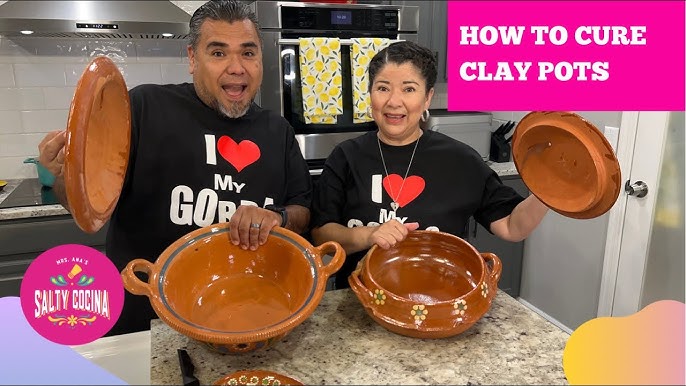
Credit: www.youtube.com
Step-by-step Seasoning Process
Seasoning terracotta cookware is essential for better cooking and durability. It creates a natural non-stick surface and protects the pot from cracking. The process is simple and requires just a few steps. Follow this step-by-step guide to season your terracotta cookware properly.
Applying Oil Evenly
Start with clean, dry cookware. Use a soft cloth or paper towel to apply a thin layer of vegetable or olive oil. Cover the entire surface inside and out. Make sure the oil coat is even. Avoid using too much oil, or it will become sticky.
Heating Methods
Preheat your oven to 350°F (175°C). Place the oiled cookware on the middle rack. Heat it for about one hour. This step lets the oil soak into the terracotta. Alternatively, heat the cookware slowly on a stove over low heat. Keep it warm for 30 to 45 minutes. Both methods help seal the surface well.
Cooling Down
Turn off the heat and let the cookware cool naturally. Do not pour cold water on hot terracotta. This can cause cracks. Wait until it is completely cool before touching or washing. Cooling down slowly keeps the cookware strong and ready for use.
Tips For Maintaining Seasoned Cookware
Maintaining your seasoned terracotta cookware helps keep it in good shape for years. Proper care protects the seasoning layer and improves cooking performance. Follow these simple tips to keep your cookware ready for every meal.
Seasoning creates a natural non-stick surface that needs gentle handling. Avoid harsh treatments and use the right cleaning methods. This care preserves the cookware’s natural look and cooking quality.
Cleaning After Use
Clean your terracotta cookware with warm water and a soft sponge. Avoid using soap or strong detergents as they can strip the seasoning. Do not use steel wool or abrasive pads. Let the cookware dry completely before storing it. This stops mold and keeps the surface smooth.
Re-seasoning Frequency
Re-season your terracotta cookware every few months or when food starts to stick. Lightly coat it with cooking oil and bake it at a low temperature for one hour. This refreshes the protective layer and improves cooking results. Regular re-seasoning keeps the cookware durable and non-stick.
Common Mistakes To Avoid
Seasoning terracotta cookware helps protect it and improves cooking results. Many beginners make common mistakes that can harm the pot or reduce its lifespan. Avoiding these errors saves time and keeps your cookware in good shape.
Here are some common mistakes to watch out for during seasoning.
Not Soaking The Cookware Properly
Terracotta needs soaking before seasoning to prevent cracking. Skipping this step causes the pot to dry too fast. Soak it in water for at least 24 hours before use.
Using Too Much Oil
Applying excess oil creates sticky layers on the surface. Use a thin, even layer only. This helps the seasoning absorb well and prevents flaking.
Seasoning At Too High Temperature
High heat can cause terracotta to crack or warp. Keep the oven temperature moderate, around 300°F (150°C). Slow seasoning gives better results.
Not Drying The Cookware Fully
Seasoning wet cookware traps moisture inside. This leads to cracking when heated. Dry the pot completely before applying oil and heating.
Skipping Regular Re-seasoning
Seasoning wears off after use. Skipping re-seasoning leads to food sticking and damage. Repeat the process regularly to maintain the non-stick surface.
Benefits Of Properly Seasoned Terracotta
Properly seasoning terracotta cookware improves its performance and lifespan. It creates a natural non-stick surface that makes cooking easier. The seasoning also helps prevent cracks and damage from heat. Well-seasoned terracotta retains moisture better, enhancing the flavor of food.
Seasoning seals tiny pores in the clay, stopping it from absorbing too much water. This keeps the cookware strong and durable over time. It also reduces the chance of food sticking to the surface. This makes cleaning faster and less effort.
Improved Non-stick Surface
Seasoning creates a smooth layer on the terracotta surface. This layer reduces food sticking during cooking. It helps cook delicate dishes like eggs or fish without breaking them. Less sticking means less oil is needed, making meals healthier.
Enhanced Durability
Terracotta is porous and can absorb moisture. Seasoning fills these pores and protects the clay. This prevents cracks from sudden temperature changes. A well-seasoned pot lasts longer and stays strong.
Better Heat Retention
Seasoned terracotta holds heat evenly and for longer. This helps cook food thoroughly without burning. It also keeps food warm after cooking. Even heat means better taste and texture.
Easy Cleaning
The seasoning layer stops food from sticking tightly. This makes washing the cookware simpler and quicker. Less scrubbing is needed, which protects the terracotta surface. It keeps the pot looking new for a long time.

Credit: www.amazon.com
Frequently Asked Questions
How Do I Season Terracotta Cookware Initially?
To season, soak terracotta in water for 24 hours. Then, rub with cooking oil inside and out. Bake at 350°F for 1 hour. Let it cool naturally. This process strengthens and seals the cookware, preventing cracks and enhancing cooking performance.
Why Is Seasoning Terracotta Cookware Important?
Seasoning prevents cracking and enhances non-stick properties. It seals tiny pores in the clay, reducing oil absorption. Seasoned cookware improves heat distribution and food flavor. It also prolongs the life of your terracotta pots and keeps them safe for cooking.
Can I Use Any Oil For Seasoning Terracotta Cookware?
It’s best to use oils with high smoke points like vegetable, canola, or olive oil. Avoid using butter or low smoke point oils as they can burn. Proper oil choice ensures effective seasoning and prevents a sticky residue on the cookware.
How Often Should I Season My Terracotta Cookware?
Season terracotta cookware after the first use and when food starts sticking. Regular seasoning every few months maintains its non-stick surface. If cracks or dryness appear, repeat the seasoning process for best results and durability.
Conclusion
Seasoning terracotta cookware keeps it strong and non-stick. Clean the pot well before starting. Use oil to coat the surface evenly. Heat slowly to avoid cracks or damage. Repeat seasoning to maintain the pot’s quality. This simple care extends the life of your cookware.
Enjoy cooking with natural, healthy pots every day. Terracotta brings out great flavors in your meals. Treat your cookware with patience and care. Your kitchen will benefit from this ancient method. Cooking becomes easier and food tastes better too.

Hello, This is Annie Walker, a 38-year-old blogger, founder, and editor of Cookware Guider from NY, USA. I am a cookware fanatic and passionate cooker. I love to cook with different types of cooking appliances (example: all types of cookware, rice cookers, slow cookers, etc) almost every day in my kitchen. I love to share my experience with my readers in my blog. Also, I enjoy helping people to solve their problems through my website. You can follow me on Twitter & Pinterest. To know details about my blog please check the about us page.