
Looking to upgrade your kitchen with stainless steel cookware but not sure where to start? You want pots and pans that last, cook evenly, and look great without breaking the bank.
Shopping for stainless steel cookware can feel overwhelming with so many options available. But don’t worry—this guide will help you make smart choices that fit your cooking style and budget. By the end, you’ll know exactly what to look for to get the best value and performance.
Ready to find cookware that makes every meal better? Let’s dive in.
Benefits Of Stainless Steel Cookware
Stainless steel cookware offers many benefits that make it a smart choice for every kitchen. It combines strength, safety, and style. This type of cookware lasts long and works well for all types of cooking. Understanding its key advantages helps you pick the right pieces for your needs.
Durability And Longevity
Stainless steel is tough and resists dents and scratches. It does not rust or corrode easily. This cookware can handle high heat without warping. It stays in good shape for many years. You get great value because it does not wear out quickly.
Heat Distribution
Good stainless steel pans spread heat evenly across the surface. This helps food cook uniformly. No hot spots mean less chance of burning your meals. Many pans have layers of metal inside to improve heat flow. This makes cooking more efficient and enjoyable.
Non-reactive Surface
Stainless steel does not react with acidic or alkaline foods. It keeps flavors pure and fresh. No metallic taste or color changes occur. You can cook tomatoes, vinegar, or citrus without worry. This feature ensures your meals taste just right every time.
Ease Of Maintenance
Cleaning stainless steel cookware is simple and quick. It can be washed by hand or in a dishwasher. The surface resists stains and does not hold onto food smells. Regular cleaning keeps the pots and pans looking shiny. It saves time and effort in the kitchen.
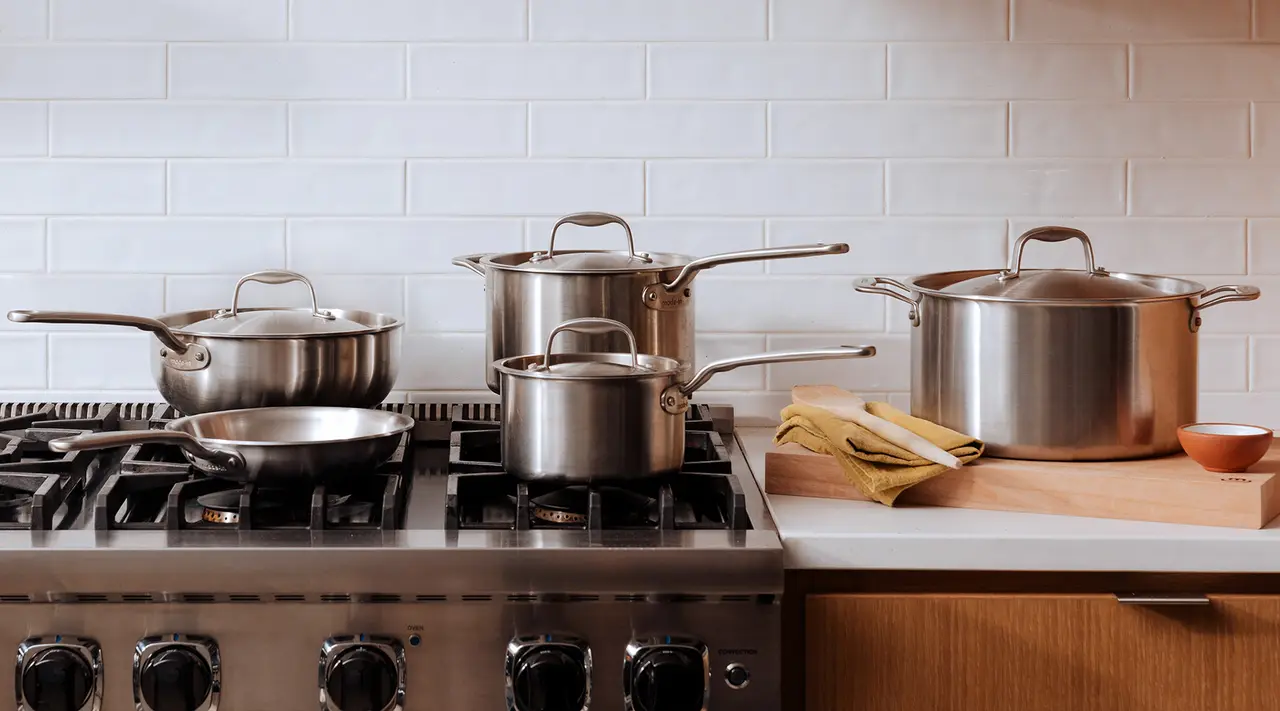
Credit: madeincookware.com
Types Of Stainless Steel Cookware
Stainless steel cookware comes in different types. Each type offers unique benefits and suits different cooking styles. Knowing the types helps you pick the right set for your kitchen. Understanding the materials and construction improves your cooking experience.
Clad Cookware
Clad cookware has layers of metal fused together. Usually, it has a stainless steel outer layer and an aluminum or copper core inside. This design spreads heat evenly across the pan. It prevents hot spots and burns. Clad cookware is durable and heats quickly. It works well on all stovetops, including induction.
Non-clad Cookware
Non-clad cookware is made from a single type of metal. Pure stainless steel pans fall into this group. They may not heat as evenly as clad pans. Hot spots can appear during cooking. Non-clad cookware is usually lighter and less expensive. It is good for simple tasks like boiling or steaming.
Tri-ply Vs Multi-ply Construction
Tri-ply cookware has three layers: two stainless steel layers and one core layer. The core is often aluminum or copper. Multi-ply cookware has more than three layers. Extra layers improve heat distribution and durability. Multi-ply pans are usually thicker and heavier. Both types offer good cooking results but vary in price and weight.
Key Features To Look For
Choosing the right stainless steel cookware means knowing what features matter most. These features affect how well the cookware performs and lasts. Focus on quality and functionality to get the best value.
Check the grade of stainless steel, base material, and thickness. Look closely at handles and lids. Think about oven and dishwasher compatibility for easy use and cleaning.
Grade Of Stainless Steel
Cookware usually comes in 18/10, 18/8, or 18/0 stainless steel. The numbers show the mix of chromium and nickel. 18/10 is the best for shine and rust resistance. It lasts longer and cleans easily. Avoid 18/0 as it can rust faster.
Base Material And Thickness
The base must conduct heat evenly. Look for cookware with an aluminum or copper core. This helps prevent hot spots. Thick bases keep heat steady. Thin bases can warp or cause uneven cooking. Choose thicker bases for better cooking results.
Handles And Lids
Handles should feel strong and stay cool while cooking. Stainless steel handles are durable but check if they have extra comfort features. Lids must fit tightly to keep heat and moisture inside. Glass lids let you watch food cook without lifting them.
Oven And Dishwasher Compatibility
Good cookware works in the oven and dishwasher. Check the maximum oven temperature the cookware can handle. Dishwasher-safe cookware makes cleaning easier. Some handles or lids may not be dishwasher safe. Read product details to avoid damage.
Choosing Cookware Based On Cooking Needs
Choosing cookware based on cooking needs helps create a practical kitchen. Different cooking styles require different pots and pans. Selecting the right cookware saves time and improves meal quality. Think about how you cook daily and what dishes you make.
Cookware Sets Vs Individual Pieces
Cookware sets offer many pots and pans at once. They suit beginners or those wanting a full range. Sets can save money compared to buying pieces separately. Individual pieces allow more control over your collection. Choose specific pots or pans that match your recipes. This option avoids unused items and clutter.
Types Of Pots And Pans
Stainless steel pots and pans come in many types. Saucepans are perfect for sauces and small meals. Stockpots work well for soups and boiling pasta. Frying pans or skillets suit frying and sautéing. Each type serves a unique cooking task. Pick what fits your recipe habits best.
Specialty Cookware Options
Specialty cookware includes items like grill pans and steamers. Grill pans create sear marks and add smoky flavor. Steamers help cook vegetables while keeping nutrients. Other options include sauté pans and roasting pans. These tools enhance specific cooking techniques. Consider specialty pieces for diverse meal prep.
Price And Warranty Considerations
Price and warranty are key factors when buying stainless steel cookware. They affect your satisfaction and long-term use. Knowing what to expect helps you choose the best set for your kitchen and budget.
Budget-friendly Options
Affordable cookware sets can offer good quality. Look for brands that balance price and durability. Basic stainless steel pots and pans often work well for daily cooking. Avoid very cheap items that may rust or warp quickly. A modest investment can still bring lasting value.
Premium Brands And Features
Expensive cookware usually has better materials and design. Features like thick bases and multi-ply construction improve heat distribution. High-end sets often include extra items or specialty pans. These products last longer and perform better. Consider them if you cook often or want professional results.
Warranty And Customer Support
A solid warranty protects your purchase. Check how long the warranty lasts and what it covers. Good brands offer repairs or replacements for defects. Customer support helps solve problems quickly. This service adds peace of mind and trust in your cookware.

Credit: madeincookware.com
Care And Maintenance Tips
Stainless steel cookware lasts longer with proper care. Good maintenance keeps it shiny and working well. Simple steps help avoid damage and stains. Follow these tips to keep your pots and pans in top shape.
Cleaning Techniques
Wash cookware with warm water and mild soap. Use a soft sponge or cloth to avoid scratches. Avoid steel wool or harsh scrubbers. For stuck food, soak the pan before washing. Dry thoroughly to prevent water spots.
Preventing Stains And Discoloration
Heat the pan slowly to avoid rainbow stains. Use moderate heat; high heat can cause discoloration. Clean spills quickly to prevent marks. Avoid leaving salt or acidic foods on the surface. Use a paste of baking soda and water for tough stains.
Storage Recommendations
Store cookware in a dry place to prevent rust. Stack pans carefully to avoid scratches. Use a soft cloth or paper towel between stacked items. Keep lids separate or store them upside down. Proper storage extends the life of your cookware.

Credit: thecookwareadvisor.com
Frequently Asked Questions
What Should I Look For In Stainless Steel Cookware?
Look for high-quality 18/10 stainless steel for durability and corrosion resistance. Ensure it has a thick, multi-ply base for even heat distribution and a comfortable, sturdy handle for safe cooking.
Is Tri-ply Stainless Steel Cookware Better?
Yes, tri-ply cookware combines stainless steel with aluminum or copper layers. This design offers better heat conduction, prevents hot spots, and ensures even cooking, making it ideal for most cooking needs.
How To Maintain Stainless Steel Cookware Properly?
Clean cookware promptly with mild detergent and a soft sponge. Avoid abrasive cleaners to prevent scratches. Regularly polish with a stainless steel cleaner to maintain shine and prevent discoloration.
Can Stainless Steel Cookware Be Used On Induction Stoves?
Yes, stainless steel cookware with a magnetic base works perfectly on induction stoves. Check for an induction-compatible symbol or test with a magnet before purchasing.
Conclusion
Choosing the right stainless steel cookware makes cooking easier and more fun. Focus on quality, size, and heat distribution. Remember to pick pieces that fit your cooking style and budget. Caring for your cookware helps it last longer and stay shiny.
Start with a few key items and add more over time. Good cookware supports healthy meals and saves money. Enjoy cooking with your new stainless steel pots and pans every day.

Hello, This is Annie Walker, a 38-year-old blogger, founder, and editor of Cookware Guider from NY, USA. I am a cookware fanatic and passionate cooker. I love to cook with different types of cooking appliances (example: all types of cookware, rice cookers, slow cookers, etc) almost every day in my kitchen. I love to share my experience with my readers in my blog. Also, I enjoy helping people to solve their problems through my website. You can follow me on Twitter & Pinterest. To know details about my blog please check the about us page.