
Slicing almonds at home may seem like a small task, but it can make a huge difference in your recipes. Whether you are adding sliced almonds to a salad, baking cookies, or topping a bowl of oatmeal, the texture and appearance matter. Using a food processor is a fast and efficient way to slice almonds evenly, but there are several important steps to follow for the best results. Many beginners struggle with uneven slices, crushed almonds, or even damaging their food processor. This article will guide you through the entire process, from choosing the right almonds to cleaning up afterward. You’ll learn how to avoid common mistakes, pick the right tools, and get professional-quality slices every time. Let’s dive in and unlock the secrets to perfect almond slices using your food processor.
Why Slice Almonds Yourself?
Store-bought sliced almonds are convenient, but slicing them at home has several advantages. First, you control the thickness and freshness. Sliced almonds from the store can be dry or stale, while freshly sliced almonds taste sweeter and have a better crunch.
You can also save money, as whole almonds are often cheaper per pound than pre-sliced ones.
Another reason to slice almonds yourself is customization. Some recipes call for thin slices, others for thicker pieces. Slicing at home allows you to adjust for your dish. Homemade slices also avoid the additives or preservatives sometimes found in packaged nuts.
Home slicing is also safer for those with allergies. You can ensure there is no cross-contamination with other nuts or ingredients. Finally, using a food processor is faster than slicing by hand, especially when preparing large batches.
Choosing The Right Almonds
The quality of your almond slices depends on the almonds you start with. Not all almonds are the same. Here are some tips to help you choose the best almonds for slicing:
- Whole, raw almonds are ideal. Avoid roasted, salted, or flavored almonds. These types can make slicing difficult and may leave residue in your food processor.
- Freshness matters. Old or stale almonds can be brittle and may break instead of slice. Check the packaging for the harvest date if possible.
- Size and shape should be consistent. Select almonds that are similar in size for more even slices.
- Avoid slivered almonds. Slivered almonds are already cut and will not slice well in a food processor.
- Organic almonds are sometimes preferred for baking and snacking, but this is a personal choice.
If you buy almonds in bulk, store them in an airtight container. Moisture can cause them to spoil or lose crunch.

Credit: www.youtube.com
Preparing Almonds For Slicing
Preparation is a step many people skip, but it has a big impact on your results. Almonds are hard and slippery, so preparing them correctly helps your food processor work better and prevents accidents.
Blanching Almonds
Blanching removes the almond skins, which can get stuck in the food processor or make slices uneven. Here’s how to blanch almonds:
- Boil water in a saucepan.
- Add almonds and boil for 1 minute.
- Drain and rinse with cold water.
- Pinch each almond; the skin should slide off easily.
- Dry almonds thoroughly using a towel.
You can skip blanching if you prefer sliced almonds with skin. However, skinless almonds are better for most recipes and look more appealing.
Drying Almonds
Wet or damp almonds will stick together and clog your food processor. After blanching, pat almonds dry and let them air dry for at least 30 minutes. If you’re in a hurry, spread them on a baking sheet and dry in the oven at 200°F for 5–10 minutes.
Let them cool before slicing.
Chilling Almonds
This is a non-obvious tip: Cold almonds are easier to slice than room-temperature ones. Place your dry almonds in the fridge for 30–60 minutes before slicing. Chilled almonds are firmer and less likely to crush.
Picking The Right Food Processor Blade
Food processors come with several blades and attachments. Choosing the right one is essential for slicing, not chopping or grinding.
Slicing Disc Vs. Chopping Blade
The slicing disc (sometimes called the slicing blade) is designed for making thin, uniform slices. It sits on top of the food processor bowl, and almonds pass through as you feed them.
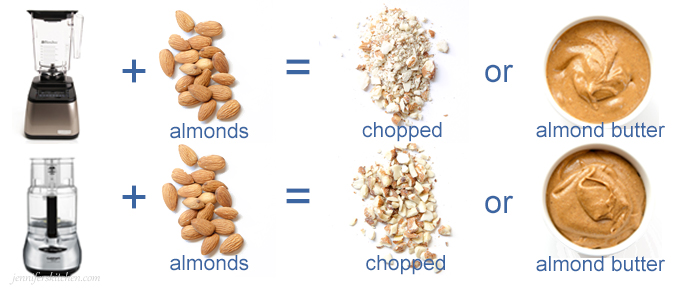
The chopping blade is for mixing or chopping, not slicing. Using the chopping blade will crush the almonds, resulting in uneven pieces.
Blade Thickness
Some food processors have adjustable slicing discs. You can choose thickness settings, usually from 1mm to 6mm. For most recipes, 2–3mm is ideal. If your model does not have adjustable thickness, use the standard slicing disc.
Blade Comparison
Here’s a comparison of blade types for almonds:
| Blade Type | Result | Best For |
|---|---|---|
| Slicing Disc | Thin, even slices | Salads, baking |
| Chopping Blade | Crushed, uneven pieces | Nut butter, toppings |
| Grating Disc | Shredded pieces | Garnishes, mixed dishes |
Always check your food processor’s manual for blade compatibility.
Setting Up Your Food Processor
Correct setup prevents spills and ensures safety. Follow these steps:
- Assemble the bowl and slicing disc. Make sure everything clicks into place.
- Secure the lid tightly. Most food processors won’t run if the lid is loose.
- Check the feed tube size. Almonds should fit easily. If your feed tube is narrow, slice in small batches.
- Position a bowl or tray under the spout (if your processor has one) to catch sliced almonds.
Some models have safety locks or require a specific order for assembly. Refer to your manual if you’re unsure.
Step-by-step Guide To Slicing Almonds
Here’s the process for slicing almonds in a food processor, broken down into clear steps:
1. Prepare Almonds
Make sure your almonds are dry, chilled, and skinless (if desired). Measure out the amount you need for your recipe.
2. Assemble Food Processor
Attach the bowl, slicing disc, and lid. Plug in the machine.
3. Fill Feed Tube
Place almonds in the feed tube. Don’t overfill; process in batches if you have a small feed tube.
4. Turn On Machine
Set your food processor to medium speed. High speed can crush the almonds, while low speed may not slice evenly.
5. Feed Almonds Gradually
Use the pusher to gently press almonds down the feed tube. Don’t force them; let the blade do the work. This is another non-obvious tip: Forcing almonds can cause them to jam or break.
6. Check Slices
After processing, check the slices. If some almonds are stuck or not sliced, run them through again.
7. Collect Sliced Almonds
Remove the bowl and collect your sliced almonds. If there are broken pieces, separate them for use in granola or other recipes.
8. Clean Up
Disassemble the food processor and wash all parts. Almond oil can build up and attract dust, so clean thoroughly.
Credit: jenniferskitchen.com
Common Mistakes And How To Avoid Them
Even experienced cooks make mistakes when slicing almonds in a food processor. Here are the most frequent errors and how to prevent them:
- Using the wrong blade. Always use the slicing disc, not the chopping blade.
- Overfilling the feed tube. Almonds need space to move and slice evenly.
- Processing warm almonds. Warm nuts crush easily. Chill them first.
- Skipping drying. Wet almonds stick and clog the machine.
- Pushing too hard. Gentle pressure is best. Forcing almonds can jam the blade.
- Not cleaning up. Almond residue can dull the blade and cause odor.
If you notice uneven slices, check your blade for sharpness. Dull blades crush instead of slice. Replace or sharpen as needed.
Comparing Food Processor Models For Slicing Almonds
Different food processors vary in slicing performance. Here’s a comparison of popular models:
| Food Processor | Slicing Disc Included | Feed Tube Size | Slice Quality |
|---|---|---|---|
| Cuisinart 14-Cup | Yes | Wide | Even, thin slices |
| KitchenAid 7-Cup | Yes | Medium | Good, some uneven |
| Ninja Professional | No (optional) | Narrow | Irregular, thicker slices |
Wide feed tubes and sharp slicing discs produce the best results. If you use a smaller model, slice almonds in several small batches.
Practical Uses For Sliced Almonds
Sliced almonds are versatile and can be used in many dishes. Here are some common uses:
- Salads: Add crunch and flavor.
- Baked goods: Cookies, cakes, and muffins.
- Breakfast: Oatmeal, yogurt, or smoothie bowls.
- Granola: Homemade mixes.
- Stir-fries: Asian-inspired dishes.
- Toppings: Ice cream, fruit, or desserts.
Slicing your own almonds allows you to tailor the thickness for each recipe.
Storing Sliced Almonds
Proper storage keeps sliced almonds fresh and crunchy. Here are some tips:
- Use airtight containers. Almonds absorb moisture and odors easily.
- Store in a cool, dry place. Avoid heat and sunlight.
- Refrigerate for long-term storage. Almonds can stay fresh for up to 6 months in the fridge.
- Freeze for even longer. Almonds last up to 1 year in the freezer.
Label containers with the date so you know how old your almonds are. If you notice a stale smell or taste, discard them.
Safety Tips For Slicing Almonds
Food processors are powerful machines. Always follow safety guidelines to avoid injury:
- Keep fingers away from blades. Use the pusher, never your hands.
- Unplug before cleaning. Never clean the processor while it’s plugged in.
- Don’t overload. Too many almonds can cause jams.
- Check for cracks. Damaged bowls or blades can break during use.
- Supervise children. Keep kids away from the machine.
If you’re new to food processors, read the manual before starting.
Troubleshooting Problems
Sometimes things go wrong during slicing. Here’s how to fix common issues:
Almonds Are Crushed, Not Sliced
- Use the slicing disc, not chopping blade.
- Chill almonds before processing.
- Reduce speed setting.
Almonds Jam In The Feed Tube
- Don’t overfill.
- Feed slowly with gentle pressure.
Slices Are Uneven
- Select almonds of similar size.
- Check blade for sharpness.
- Clean machine between batches.
Machine Won’t Start
- Check lid and bowl alignment.
- Make sure the machine is plugged in.
- Review safety locks.
Cleaning The Food Processor After Slicing Almonds
Almonds leave oil and small bits inside your food processor. Cleaning well prevents odors and keeps the machine working.
- Unplug the machine.
- Remove all parts: Bowl, lid, blades, and slicing disc.
- Wash with warm, soapy water. Use a brush for the blade.
- Rinse and dry completely. Water left in the machine can cause rust.
- Clean the base with a damp cloth. Don’t submerge the base.
Some parts are dishwasher safe, but always check the manual.
Slicing Almonds In Bulk
If you need large amounts of sliced almonds, such as for events or business, the process is mostly the same, but there are extra steps:
- Use a larger food processor or commercial slicer.
- Divide almonds into manageable batches.
- Store sliced almonds in several containers to prevent spoilage.
- Freeze extra slices if not used within 2 weeks.
Bulk slicing saves time and ensures uniformity for big recipes.
Comparing Food Processor Slices Vs. Hand Slicing
Hand slicing is slow and can be dangerous. Here’s how food processor slicing compares:
| Method | Time Required | Slice Quality | Effort |
|---|---|---|---|
| Food Processor | 2–5 minutes | Even, thin | Low |
| Hand Slicing | 15–20 minutes | Varied, thicker | High |
Food processors are faster and safer. Hand slicing is only practical for small amounts.
Almond Slicing For Special Diets
Sliced almonds are popular in vegan, gluten-free, and low-carb diets. Making your own ensures purity and avoids cross-contamination. If you’re preparing almonds for someone with allergies, clean your food processor thoroughly and use fresh almonds.
Almond Slicing For Business Or Catering
For bakeries, restaurants, or catering, efficiency is key. Invest in a commercial food processor with a wide feed tube and multiple slicing discs. Train staff on proper technique, and store slices in bulk containers.
Some businesses buy pre-sliced almonds, but slicing in-house saves money and improves quality. Review local health regulations for food safety.
Creative Ways To Use Sliced Almonds
Beyond traditional recipes, sliced almonds can be used in creative ways:
- Crust for fish or chicken: Coat with sliced almonds for extra crunch.
- Homemade almond brittle: Combine with caramel for a sweet treat.
- Decorative toppings: Use for cakes, pastries, or cheese boards.
- Energy bars: Mix with seeds and dried fruit.
Experiment with slice thickness for different textures.
Environmental Benefits Of Slicing Almonds At Home
Slicing almonds at home reduces packaging waste. Store-bought sliced almonds often come in plastic bags or containers. Buying whole almonds in bulk and slicing them yourself saves on packaging and lowers your carbon footprint. Compost skins after blanching for even more eco-friendly cooking.
Almond Nutrition And Health Facts
Almonds are rich in vitamin E, magnesium, and healthy fats. Sliced almonds have the same nutrition as whole almonds. One ounce (about 23 almonds) contains:
- 160 calories
- 6g protein
- 14g fat (mostly unsaturated)
- 3.5g fiber
Eating almonds may help lower cholesterol and improve heart health. Sliced almonds are easier to digest and mix into recipes.
For more health information, visit Harvard Nutrition Source.
Non-obvious Tips For Perfect Slices
Most guides skip these advanced tricks:
- Pulse instead of running continuously. Some food processors do better with short bursts.
- Group almonds together in the feed tube. This helps them slice at the same angle and thickness.
- Use a slightly damp towel under your food processor. It prevents movement during slicing.
Try these tips for even better results.
Frequently Asked Questions
How Thick Should Almond Slices Be For Baking?
Most baking recipes use 2–3mm thick slices. This thickness gives crunch without making the almond overpowering. Adjust based on your recipe.
Can I Slice Almonds With Skins On?
Yes, you can slice skin-on almonds. The skin adds flavor and texture. However, skinless slices look better in desserts and mix more easily.
Why Are Some Slices Broken Or Crushed?
Broken slices are usually caused by dull blades, warm almonds, or high speed. Always chill almonds and use the slicing disc. Replace blades if needed.
Is It Safe To Slice Almonds In A Food Processor?
Yes, it is safe if you follow guidelines. Use the pusher, keep hands away from the blades, and never overload the machine.
Can I Use A Blender Instead Of A Food Processor?
Blenders are not designed for slicing. They crush or chop almonds, resulting in uneven pieces. Only use a food processor with a slicing disc for best results.
Perfectly sliced almonds can elevate your dishes from ordinary to impressive. Once you master the food processor technique, you’ll save time and enjoy fresher, tastier almonds in all your recipes. Remember to choose the right almonds, prepare them carefully, and always use the correct blade.
With a little practice and these pro tips, you’ll get even, beautiful slices every time. Whether you’re cooking for your family or preparing food for a crowd, slicing almonds at home is a skill worth learning.

Credit: www.youtube.com

Hello, This is Annie Walker, a 38-year-old blogger, founder, and editor of Cookware Guider from NY, USA. I am a cookware fanatic and passionate cooker. I love to cook with different types of cooking appliances (example: all types of cookware, rice cookers, slow cookers, etc) almost every day in my kitchen. I love to share my experience with my readers in my blog. Also, I enjoy helping people to solve their problems through my website. You can follow me on Twitter & Pinterest. To know details about my blog please check the about us page.