
Are you wondering if your cooktop is induction but not sure how to tell? Knowing the type of cooktop you have can save you time, money, and even improve your cooking experience.
You might already have an induction cooktop and not realize it, or maybe you’re considering an upgrade and want to understand the difference. You’ll discover simple and quick ways to identify if your cooktop is induction. Keep reading, and by the end, you’ll be confident about your cooktop type and ready to make smarter cooking choices.
Credit: www.mclhospitality.com
Identify Cooktop Materials
Identifying the materials of your cooktop can help you tell if it is induction. Different cooktops use different materials for their surface and cooking zones. Knowing these materials gives you clues about the cooktop type. This section explains two simple ways to check your cooktop materials.
Check For Magnetic Properties
Induction cooktops need magnetic cookware to work. The cooktop surface itself often has magnetic parts under the glass. Try using a magnet on the cooktop surface. If the magnet sticks strongly, the cooktop likely supports induction. Non-induction cooktops usually do not attract magnets on their surface.
Look For Smooth Glass Surface
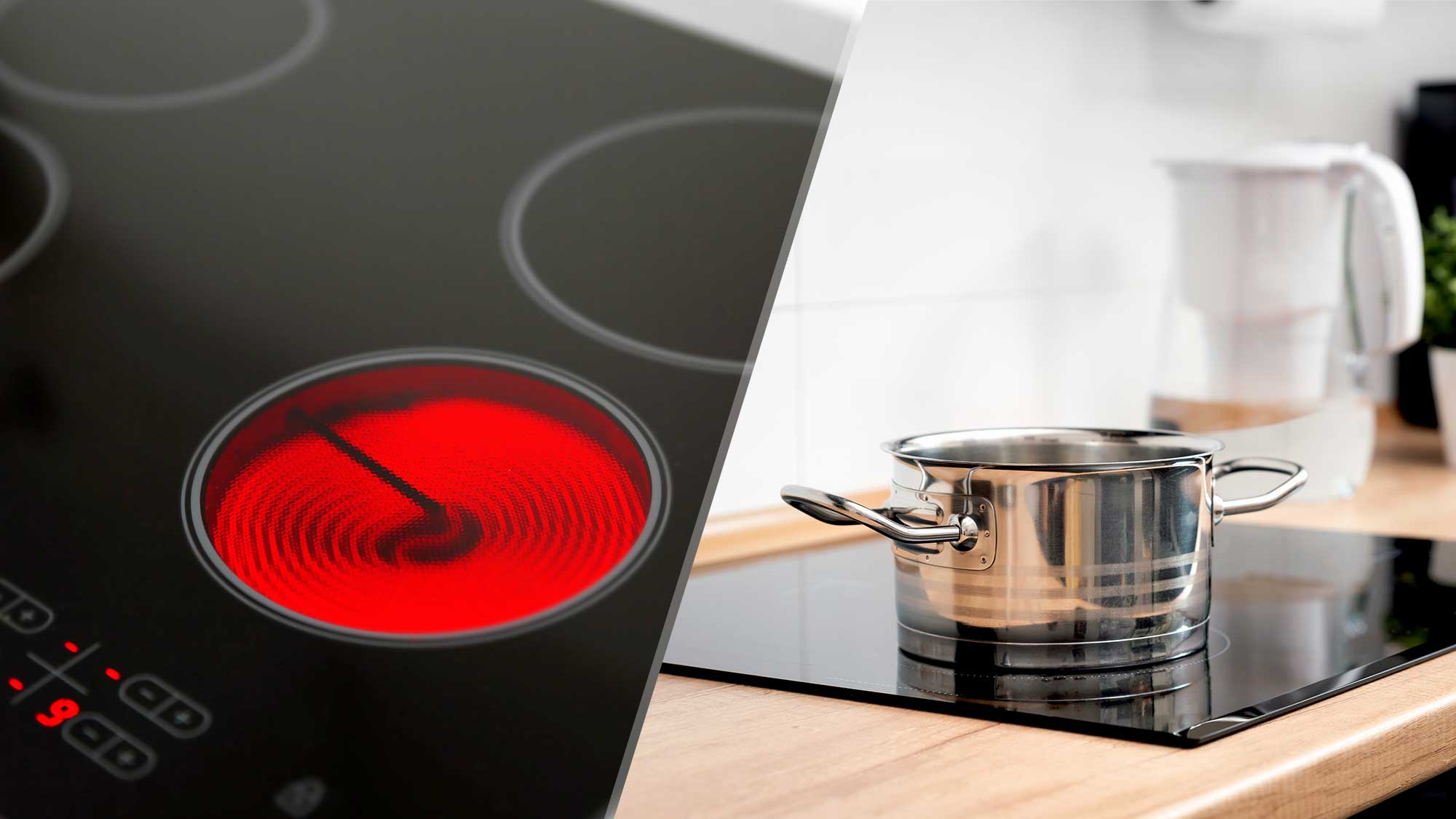
Most induction cooktops have a smooth, flat glass or ceramic surface. This surface looks shiny and sleek. It feels smooth to touch and easy to clean. Electric coil or gas cooktops rarely have this smooth glass top. Spotting this surface is a quick way to guess if the cooktop is induction.
Credit: www.tomsguide.com
Examine Cooktop Controls
Examining the cooktop controls helps identify if it is induction. Controls vary by cooktop type and reveal key details. These details show how the cooktop works and its technology.
Touch Controls Vs. Knobs
Induction cooktops usually have touch controls. They offer a smooth, flat surface without knobs. The controls respond to finger taps or slides. Traditional gas or electric cooktops often use knobs. Knobs turn to adjust heat levels. A cooktop with only knobs is less likely to be induction.
Power And Temperature Settings
Induction cooktops often show precise power or temperature settings. You might see numbers or levels on a digital display. These allow fine heat control for cooking. Electric or gas cooktops may have simple low, medium, and high settings. The presence of exact temperature controls suggests induction technology.
Test With Cookware
Testing with cookware is a simple way to check if your cooktop is induction. Induction cooktops only work with certain types of pots and pans. These tests help you find out if the cooktop heats using magnetic fields.
Use A Magnet Test
Take a small magnet and place it on the bottom of your cookware. If the magnet sticks firmly, the cookware is compatible with induction. This means the cooktop likely uses induction technology. If the magnet does not stick, the cooktop may not be induction or the cookware is not suitable.
Observe Heating Response
Place the cookware on the cooktop and turn it on. Watch how fast the cookware heats up. Induction cooktops heat up very quickly. If the pot or pan gets hot fast, your cooktop is probably induction. Slow heating suggests a gas or electric cooktop instead.
Look For Manufacturer Labels
Look for manufacturer labels to identify if your cooktop is induction. These labels provide clear information from the maker. They often include important details about the cooktop type and model.
Labels can be on the cooktop surface or under the appliance. They help confirm if the cooktop uses induction technology. Checking these labels saves time and avoids guesswork.
Check User Manual
The user manual is a reliable source to verify cooktop type. Look for sections about the cooking surface or technology used. Manuals usually mention if the cooktop is induction.
Find the model number and compare it with the manual description. The manual may also explain how to use induction safely. It gives clear instructions for your specific cooktop.
Inspect Cooktop Markings
Cooktops often have symbols or words showing their type. Look closely at the edges or near the control panel. An induction cooktop may have a coil symbol or say “induction”.
These markings help distinguish induction from gas or electric models. They provide quick visual proof of the cooktop’s technology. Spotting these signs is an easy way to check.
Compare With Other Cooktop Types
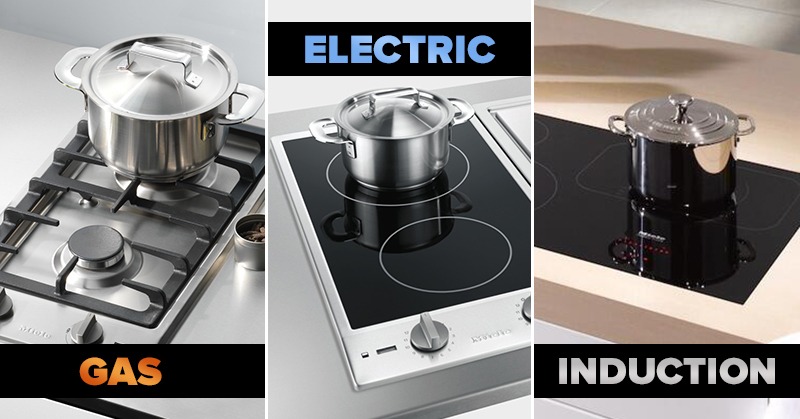
Understanding how an induction cooktop differs from other types helps you identify it easily. Comparing it with electric coil and gas cooktops shows clear signs. These differences cover appearance, heat source, and cooking method. This guide highlights key points to spot an induction cooktop at a glance.
Differences From Electric Coil
Electric coil cooktops use metal coils for heat. The coils glow red when hot. Induction cooktops have a smooth, flat surface. No visible coils or flames appear on induction models.
Electric coils heat the entire coil, then the pot. Induction cooktops heat only the pot’s base. The cooktop stays cool except under the pan. This makes induction safer and easier to clean.
Electric coil surfaces are often raised. Induction cooktops are flat and sleek. The flat design helps in quick cleaning and modern look. This visual difference helps identify the cooktop type fast.
Differences From Gas Cooktops
Gas cooktops use an open flame for cooking. You can see the blue flame under the pot. Induction cooktops use magnetic energy, no flames or heat visible. The cooktop surface remains mostly cool.
Gas cooktops have grates holding the pots above the flame. Induction cooktops have a smooth glass surface without grates. This makes induction cooktops look more modern.
With gas, heat changes instantly by flame size. Induction cooktops adjust heat using electronic controls. This allows precise temperature control on induction cooktops.
Use Technology Features
Technology features help identify an induction cooktop easily. These cooktops have specific controls and indicators. They differ from traditional electric or gas models. Knowing these features saves time and avoids confusion.
Check For Induction-specific Settings
Induction cooktops often include special settings for cooking. Look for options like “bridge” or “power boost.” These settings allow faster heating and combine cooking zones. Regular electric cooktops usually lack these features. Also, induction controls may show coil or magnetic symbols.
Smart Cooktop Indicators
Many induction cooktops have digital displays and lights. These indicators confirm the cooktop uses induction technology. Some models show a small coil icon when turned on. Others beep or flash if you place non-compatible cookware. These smart signals help users understand the cooktop type quickly.
:max_bytes(150000):strip_icc()/GettyImages-170032171-2000-fc2bcc51d6134d70ad05a8960da860cc.jpg)
Credit: www.allrecipes.com
Frequently Asked Questions
How Can I Identify If My Cooktop Is Induction?
Check if the cooktop surface is smooth and flat. Induction cooktops use magnetic fields to heat pans directly. Use a magnet; if it sticks to the bottom, it’s likely induction. Also, induction cooktops have digital controls and no visible flames or heating coils.
What Materials Work On An Induction Cooktop?
Induction cooktops require ferromagnetic cookware. Cast iron, stainless steel, and some enamel-coated pots work well. Aluminum, copper, or glass cookware won’t work unless they have a magnetic base. Always check if a magnet sticks to the pan’s bottom before use.
Does An Induction Cooktop Get Hot Like Gas Or Electric?
Induction cooktops heat cookware directly, so the surface stays cooler than gas or electric. Heat transfers from the pan to the cooktop surface. This makes induction safer and energy-efficient, with faster cooking times and less wasted heat.
Can I Test My Cooktop For Induction At Home?
Yes, use a simple magnet test. Place a magnet on your cooktop surface. If it strongly sticks to the bottom of your cookware, your cooktop uses induction technology. If it doesn’t, it’s likely electric or gas.
Conclusion
Knowing how to tell if your cooktop is induction helps you cook better. Check the surface for smooth glass or ceramic material. Use a magnet to test—it sticks to induction cooktops. Induction cooks faster and stays cooler around the edges.
Recognizing these signs saves time and avoids wrong cookware use. Keep these tips in mind when choosing or using your cooktop. Cooking becomes easier and safer with the right knowledge. Simple tests and observations make a big difference.

Hello, This is Annie Walker, a 38-year-old blogger, founder, and editor of Cookware Guider from NY, USA. I am a cookware fanatic and passionate cooker. I love to cook with different types of cooking appliances (example: all types of cookware, rice cookers, slow cookers, etc) almost every day in my kitchen. I love to share my experience with my readers in my blog. Also, I enjoy helping people to solve their problems through my website. You can follow me on Twitter & Pinterest. To know details about my blog please check the about us page.