
Are you looking for a kitchen tool that’s easy to use, safe, and makes cooking a breeze? Silicone cookware might be exactly what you need.
It’s flexible, non-stick, and heats evenly, saving you time and effort. But how do you get the most out of it? You’ll discover simple tips and tricks to use silicone cookware like a pro. Keep reading to unlock the secrets that will transform your cooking experience and make cleanup faster than ever.
Your kitchen routine is about to get a whole lot easier!
:max_bytes(150000):strip_icc()/ms-silicone-pan-getty-f19d374f8c454f71a0a1f2231bee0f94.jpg)
Credit: www.marthastewart.com
Benefits Of Silicone Cookware
Silicone cookware offers many benefits for everyday cooking. It makes cooking easier and cleanup faster. Its unique features help in preparing a variety of dishes without hassle. Many cooks enjoy using silicone for its practical advantages in the kitchen.
Non-stick Surface
Silicone has a naturally smooth, non-stick surface. Food slides out easily without sticking. This reduces the need for extra oil or butter. Cleaning silicone cookware is quick and simple. It saves time and effort after cooking.
Heat Resistance
Silicone can handle very high temperatures safely. It stays stable in ovens and microwaves. It also resists low temperatures, perfect for freezing. This makes silicone useful for many recipes. It won’t melt or warp during cooking.
Flexibility And Storage
Silicone is soft and bendable. It can fold or roll without damage. This saves space in kitchen drawers or cabinets. Flexible cookware fits in small spots easily. It is light and easy to carry too.
Safety And Durability
Silicone is non-toxic and safe for food use. It does not release harmful chemicals when heated. It resists stains and odors well. Silicone cookware lasts long without cracking or breaking. It is a reliable choice for daily cooking.
Choosing The Right Silicone Cookware
Choosing the right silicone cookware helps make cooking easier and more fun. The right tools fit your kitchen needs and cooking style. Silicone bakeware comes in many types, sizes, and qualities. Knowing what to pick saves time and avoids frustration.
Types Of Silicone Bakeware
Silicone bakeware includes molds, mats, and pans. Molds shape cakes, muffins, or candies. Mats provide a non-stick surface for baking cookies or rolling dough. Pans replace metal or glass pans for cakes and breads. Each type suits different recipes and uses.
Size And Shape Considerations
Choose sizes that match your oven and recipe needs. Small molds work for cupcakes or mini desserts. Large pans suit cakes or casseroles. Shapes vary from round and square to novelty forms. Pick shapes that fit your cooking style and storage space.
Quality Indicators
Look for food-grade silicone that is BPA-free. High-quality silicone feels flexible but sturdy. It should resist heat up to 450°F or more. Check for smooth surfaces without holes or rough spots. Durable silicone lasts many uses without cracking or warping.
Preparing Silicone Cookware For Use
Preparing silicone cookware before use is important for the best results. It helps remove factory residues and prevents food from sticking. This simple step can extend the life of your cookware and make cooking easier.
Follow these easy steps to get your silicone cookware ready. A little care goes a long way.
Cleaning Before First Use
Wash your silicone cookware with warm, soapy water. Use a soft sponge to avoid damage. Rinse well to remove all soap. Dry completely with a clean towel or air dry. This step removes any dust or oils from manufacturing.
Greasing Tips
Even though silicone is non-stick, a light grease helps. Use a small amount of oil or butter on the surface. This prevents sticking and makes food release easier. Avoid heavy greasing to keep food healthy and prevent buildup.
Avoiding Common Mistakes
Do not use sharp knives or utensils on silicone. They can tear or damage the surface. Avoid very high heat above the cookware’s limit. Check manufacturer guidelines for temperature limits. Never use silicone cookware under a broiler or direct flame.
Credit: scala-santa.com
Cooking And Baking With Silicone
Silicone cookware offers a flexible and easy way to cook and bake your favorite dishes. It heats evenly and lets you remove food without sticking. This material works well for many recipes and makes cleanup simple. Understanding how to use silicone properly helps you get the best results every time.
Temperature Guidelines
Silicone cookware can handle heat well. Most types are safe up to 450°F (232°C). Check the label to know the exact limit. Avoid sudden temperature changes that might damage the silicone. Do not use silicone cookware directly on a stovetop burner. Use it only in ovens, microwaves, or freezers.
Adjusting Cooking Times
Silicone heats food slightly slower than metal pans. Add a few extra minutes to your cooking or baking time. Watch your food closely to avoid overcooking. Test recipes the first time to find the best time. This small change helps your dishes cook fully and evenly.
Using Silicone In Different Appliances
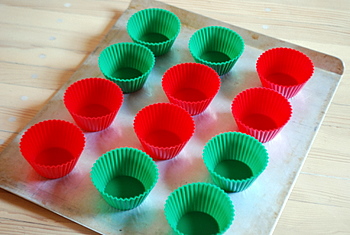
Silicone works well in ovens and microwaves. It is also safe for use in refrigerators and freezers. Avoid placing silicone cookware on direct heat sources like stovetops or grills. Always place silicone molds on a baking sheet for support. This prevents spills and keeps shapes intact.
Cleaning And Maintaining Silicone Cookware
Keeping silicone cookware clean is important for its long life. Dirt or grease left on it can cause bad smells or damage. Proper care helps your silicone pans and molds stay safe and work well for many uses.
Cleaning silicone cookware is easy if done right. Using the best methods keeps the silicone soft and flexible. It also stops food from sticking or burning onto the surface.
Effective Cleaning Methods
Wash silicone cookware with warm water and mild soap. Use a soft sponge or cloth to avoid scratches. Rinse well to remove all soap. Dry with a clean towel or air dry.
For dishwasher use, place silicone items on the top rack. Avoid harsh detergents that can weaken silicone over time.
Removing Stubborn Stains
Stains and odors can build up after many uses. Make a paste with baking soda and water. Rub it gently on stains and let it sit for 20 minutes. Rinse with warm water and dry.
For strong smells, soak the silicone in a mix of vinegar and water for 30 minutes. Then wash and dry as usual.
Storage Tips To Preserve Shape
Keep silicone cookware in a cool, dry place. Avoid folding or bending it too much. Store flat or hang it to keep its shape.
Do not place heavy objects on silicone cookware. This helps avoid permanent dents or warping.
Troubleshooting Common Issues
Silicone cookware is popular for its flexibility and easy cleaning. Sometimes small problems appear. These issues do not mean your cookware is bad. Simple fixes can keep your silicone tools working well for years. Here are some tips to solve common problems.
Dealing With Odors
Silicone can hold smells from strong foods. To remove odors, soak the cookware in warm water and baking soda. Let it sit for a few hours. Wash with mild soap and dry completely. Avoid harsh detergents, which can damage silicone. Store cookware in a dry place with good air flow.
Preventing Warping
Silicone is heat resistant but can warp if exposed to very high temperatures. Always check the maximum heat limit before use. Avoid placing silicone cookware directly on stovetops or open flames. Let the cookware cool before cleaning. Use flat surfaces to keep shape during storage.
Handling Sticky Residue
Sticky residue can build up after cooking oily or sugary foods. Clean with warm water and gentle dish soap. For tough spots, use a soft sponge or cloth. Avoid abrasive scrubbers that can scratch silicone. Regular cleaning after each use helps prevent sticky buildup.
Creative Recipes For Silicone Cookware
Silicone cookware offers many ways to cook and create tasty dishes. It is flexible, non-stick, and heat resistant. These qualities make silicone perfect for various recipes. Explore different ideas to enjoy your silicone pans and molds.
Baking Cakes And Muffins
Silicone bakeware is excellent for cakes and muffins. It heats evenly and releases baked goods easily. Use silicone muffin cups for perfect cupcakes without sticking. Try colorful bundt cake molds for fun shapes. The soft material helps you pop out treats gently.
Making Savory Dishes
Silicone pans work well for savory meals too. Prepare mini quiches or frittatas in silicone molds. The pans hold heat well, cooking food evenly. Try baking chicken or fish in silicone trays. Cleanup is simple, and food slides out without mess.
Freezing And No-bake Treats
Silicone is great for cold desserts and snacks. Make frozen yogurt bites or fruit pops in silicone molds. The flexible shape makes it easy to remove frozen treats. Prepare no-bake desserts like mousse or cheesecake in silicone cups. Chill and serve with no hassle.
:max_bytes(150000):strip_icc()/silicone-baking-mat-getty-0521-2000-63e00c68db2b4f6aa4585dbf2ec85397.jpg)
Credit: www.marthastewart.com
Frequently Asked Questions
What Are The Benefits Of Using Silicone Cookware?
Silicone cookware is flexible, non-stick, and heat-resistant. It is easy to clean and stores compactly. It also does not react with food, making it safe for cooking and baking.
How Do I Clean Silicone Cookware Properly?
Clean silicone cookware with warm soapy water and a soft sponge. Avoid abrasive cleaners or scrubbers to prevent damage. It is dishwasher safe, making cleaning convenient and efficient.
Can Silicone Cookware Withstand High Oven Temperatures?
Yes, silicone cookware can generally withstand temperatures up to 450°F (232°C). Always check manufacturer guidelines to confirm safe temperature limits for your specific product.
Is Silicone Cookware Safe For Cooking And Baking?
Silicone cookware is food-grade and non-toxic. It does not release harmful chemicals when heated. This makes it safe for cooking, baking, and freezing various dishes.
Conclusion
Silicone cookware offers many benefits for everyday cooking. It heats evenly and cleans easily. You can bake, steam, or freeze your food without worry. Its flexibility makes storage simple and saves space. Just follow basic care tips to keep it lasting long.
Using silicone cookware helps make cooking safer and more fun. Try it yourself and enjoy the convenience it brings to your kitchen.

Hello, This is Annie Walker, a 38-year-old blogger, founder, and editor of Cookware Guider from NY, USA. I am a cookware fanatic and passionate cooker. I love to cook with different types of cooking appliances (example: all types of cookware, rice cookers, slow cookers, etc) almost every day in my kitchen. I love to share my experience with my readers in my blog. Also, I enjoy helping people to solve their problems through my website. You can follow me on Twitter & Pinterest. To know details about my blog please check the about us page.