
Are you ready to make cooking rice easier and faster? Using your Tiger rice cooker can change the way you prepare meals, saving you time and effort.
But if you’ve never used one before, it might feel a bit tricky. Don’t worry – this guide will show you exactly how to use your Tiger rice cooker step-by-step. By the end, you’ll be making perfect, fluffy rice every time without any guesswork. Keep reading, and unlock the full potential of your rice cooker today! You Must Read: How To Use A Rice Cooker
Credit: www.tiger-corporation.com
Choosing The Right Model
Choosing the right Tiger rice cooker model is important for better cooking results. Different models have unique features. Picking the right one saves time and effort. It also fits your kitchen needs and budget. This guide helps you find the perfect Tiger rice cooker for your home.
Understanding Your Cooking Needs
Think about how much rice you cook daily. Choose a model that matches your family size. Small models fit 3-5 people. Larger models serve 6 or more. Also, consider what types of rice you cook. Some models handle white rice only. Others cook mixed, brown, or sushi rice well.
Key Features To Look For
- Capacity: From 3 cups to 10 cups or more.
- Cooking Functions: White rice, brown rice, porridge, slow cook, and more.
- Keep Warm: How long it keeps rice warm without drying it.
- Timer: Set cooking time in advance.
- Ease of Cleaning: Non-stick inner pots are easier to clean.
Comparing Popular Tiger Rice Cooker Models
| Model | Capacity | Functions | Price Range |
|---|---|---|---|
| TIGER JNP-S10U | 5.5 cups | White rice, Keep warm | Low |
| TIGER JAX-T10U-K | 5.5 cups | White rice, Brown rice, Slow cook, Timer | Mid |
| TIGER JKT-S18U | 10 cups | White rice, Mixed rice, Porridge, Keep warm | High |
Budget Considerations
Set a clear budget before buying. Basic models cost less but offer fewer functions. Mid-range models provide more cooking options. High-end models have advanced features and larger capacity. Choose a model that balances price and your cooking needs.
Credit: www.tiger-corporation.com
Setting Up The Cooker
Setting up the Tiger Rice Cooker correctly ensures perfect rice every time. This step-by-step guide covers the first actions to take before cooking. Proper setup helps the cooker work efficiently and lasts longer. Follow the instructions carefully to get started without any hassle.
Unpacking And Cleaning
Start by unpacking your Tiger Rice Cooker with care. Remove all packaging materials, including plastic wraps and protective foam. Check the box for all parts:
- Main rice cooker body
- Inner pot
- Measuring cup
- Rice paddle
- Power cord
- User manual
Clean the inner pot and accessories before first use. This removes dust and factory residues. Use warm water and a soft sponge. Do not use harsh cleaners or metal scrubbers, as they can damage the non-stick coating.
| Item | Cleaning Tips |
|---|---|
| Inner Pot | Wash with mild soap and warm water. Dry completely. |
| Rice Paddle & Measuring Cup | Rinse well. Avoid abrasive cleaners. |
| Rice Cooker Body | Wipe with a damp cloth. Do not immerse in water. |
Ensure all parts are dry before assembly. This prevents electrical issues and improves safety.
Placing The Inner Pot
After cleaning, place the inner pot into the rice cooker body. Align it carefully so it sits flat on the heating plate. Improper placement may cause uneven cooking or error messages.
- Check the pot’s bottom for scratches or dirt.
- Make sure the heating plate inside the cooker is clean and dry.
- Lower the inner pot gently into the cooker.
- Press down lightly to ensure contact with the heating plate.
Do not force the pot if it does not fit easily. Confirm that the pot matches your model. A loose or tilted pot can lead to poor cooking results.
Once positioned, keep the lid open while adding rice and water. This prevents spills and allows easy measuring.
Adding Rice And Water
Measure rice with the provided cup. Use the same cup for water measurement to maintain the right rice-to-water ratio. Different rice types need different water amounts. Follow these basic rules:
| Rice Type | Rice Cup | Water Level |
|---|---|---|
| White Rice | 1 cup | Fill water to line 1 inside the pot |
| Brown Rice | 1 cup | Fill water to line 2 inside the pot |
| Sushi Rice | 1 cup | Fill water slightly above line 1 |
Steps to add rice and water:
- Place measured rice into the inner pot.
- Rinse the rice gently with water to remove excess starch.
- Drain the water after rinsing.
- Add fresh water up to the correct line inside the pot.
Never fill the pot above the maximum water level mark. Overfilling causes boiling over and mess. The water lines inside the pot are clear guides. Adjust water for softer or firmer rice according to taste.
Operating The Cooker
Operating the Tiger Rice Cooker is simple and convenient. This cooker offers multiple functions to prepare different types of rice and meals. Understanding how to use its controls helps you cook perfect rice every time. The process includes selecting the right cooking mode, starting the cooker, and using the timer for delayed cooking. Each step is designed to save time and ensure delicious results.
Selecting Cooking Modes
The Tiger Rice Cooker provides several cooking modes for various rice types and dishes. Choose the mode that matches your ingredient for the best texture and flavor. The control panel usually has buttons or a dial to pick the mode.
- White Rice: For regular white rice, this mode cooks rice until soft and fluffy.
- Brown Rice: This mode cooks brown rice longer to soften the tough bran layer.
- Sushi Rice: Prepares sticky rice suitable for sushi or similar dishes.
- Quick Cook: Cooks rice faster, but texture may be less soft.
- Keep Warm: Maintains rice temperature after cooking without drying it out.
Use the following table to understand the modes better:
| Mode | Recommended For | Cooking Time |
|---|---|---|
| White Rice | Regular white rice | 30-40 minutes |
| Brown Rice | Whole grain brown rice | 50-60 minutes |
| Sushi Rice | Sticky, short-grain rice | 40-45 minutes |
| Quick Cook | Any rice needing fast cooking | 20-25 minutes |
Tip: Always rinse rice before cooking to remove excess starch.
Starting The Cooking Process
Once the cooking mode is selected, start the rice cooker to begin cooking. Follow these steps for smooth operation:
- Measure the rice and water accurately using the included measuring cup.
- Place the rice and water inside the inner pot.
- Close the lid firmly until it clicks.
- Press the start button to begin cooking.
The cooker will automatically adjust the heat and time based on the selected mode. During cooking, avoid opening the lid. This keeps the steam inside and cooks rice evenly.
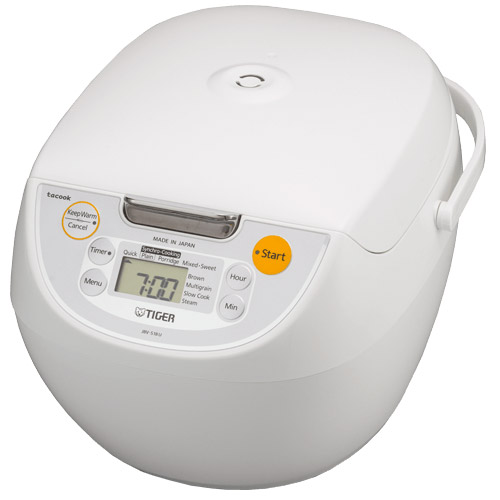
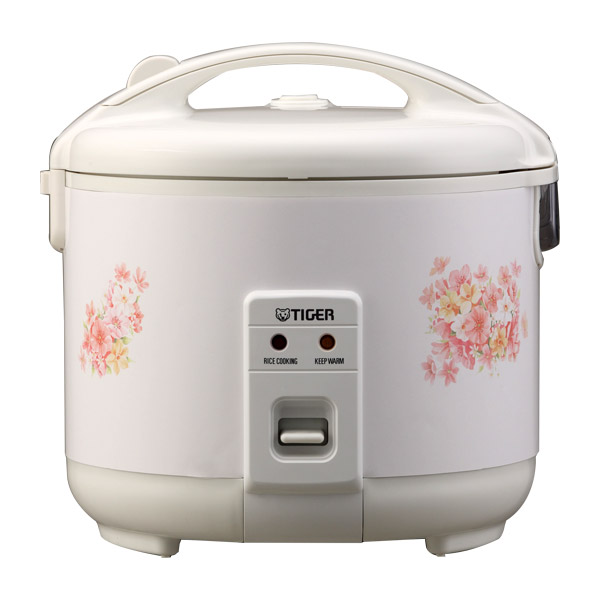
Most Tiger rice cookers have an indicator light or display to show cooking status:
- Cooking Light On: The cooker is heating and cooking rice.
- Keep Warm Light On: Cooking is complete, and the cooker keeps rice warm.
- Timer Display: Shows remaining time if timer is used.
Note: After cooking, let rice rest for 5-10 minutes before opening the lid. This allows steam to finish cooking rice perfectly.
Using The Timer Function
The timer function lets you delay cooking so rice is ready at a set time. This is useful for meal planning or busy schedules. Use the timer as follows:
- After adding rice and water, select the desired cooking mode.
- Press the timer button to set the delay time.
- Use the “+” and “−” buttons to adjust hours and minutes.
- Confirm the timer setting by pressing start.
The cooker will begin cooking automatically so rice finishes at the set time. For example, set the timer to 3 hours if you want rice ready after 3 hours.
Advantages of the timer function include:
- Cook rice fresh and hot without waiting.
- Plan meals ahead easily.
- Save energy by cooking only when needed.
Important: Use the timer only with cold ingredients. Do not use it to keep food warm for too long. Clean the inner pot after each use to maintain cooker performance.
Tips For Perfect Rice
Cooking perfect rice with your Tiger Rice Cooker is easy once you know the right steps. The key lies in understanding how to measure water and rice, preparing the rice properly, and avoiding typical errors. These tips help you get fluffy, well-cooked rice every time. Follow these simple rules to improve your rice cooking experience.
Water To Rice Ratios
The correct water to rice ratio is vital for perfectly cooked rice. Using too much water makes rice mushy, while too little leaves it dry and hard. The Tiger Rice Cooker often has markings inside the pot to guide you, but here are some basic ratios for different rice types:
| Rice Type | Water to Rice Ratio | Notes |
|---|---|---|
| White Rice (long grain) | 1:1.25 (1 cup rice to 1.25 cups water) | Standard ratio for fluffy rice |
| Brown Rice | 1:2 (1 cup rice to 2 cups water) | Needs more water due to outer bran layer |
| Jasmine Rice | 1:1.5 | Gives slightly sticky, soft texture |
Follow these tips for best results:
- Measure rice and water precisely. Use the measuring cup that comes with your cooker.
- Adjust water slightly if you prefer softer or firmer rice.
- Check the cooker’s manual for rice-specific instructions.
Soaking And Rinsing Rice
Preparing rice before cooking improves texture and taste. Soaking and rinsing are simple steps that make a big difference.
Rinsing rice removes excess starch and dirt. This prevents the rice from becoming sticky or gummy. To rinse, place the rice in a bowl or the rice cooker pot, add cold water, swirl gently, then drain. Repeat until the water runs clear (usually 2-3 times).
Soaking rice helps grains absorb water evenly and cook faster. Soak white rice for 15-30 minutes before cooking. Brown rice can soak for 45 minutes to 1 hour. After soaking, drain the water completely.
Follow these steps for better rice:
- Measure rice and place it in a bowl or pot.
- Add cold water and swirl gently.
- Drain cloudy water and repeat rinsing until clear.
- Soak rice for recommended time based on type.
- Drain soaked rice and add fresh water for cooking.
Avoiding Common Mistakes
Many people make simple mistakes that affect rice quality. Avoid these to get perfect rice every time.
- Do not lift the lid during cooking. This releases steam and changes cooking time.
- Use the right rice type. Each rice type needs a different water ratio and cooking time.
- Do not skip rinsing. Unrinsed rice can be sticky or clumpy.
- Measure water and rice carefully. Eyeballing leads to uneven cooking.
- Do not overfill the rice cooker. Overfilling can cause uneven cooking or spills.
- Let rice rest after cooking. Keep the lid closed for 10-15 minutes to let steam finish the process.
Following these simple rules will help you avoid frustration and enjoy fluffy rice every time with your Tiger Rice Cooker.
Cleaning And Maintenance
Keeping your Tiger rice cooker clean and well-maintained is key to its long life and great performance. Regular cleaning and simple maintenance prevent damage and keep your rice tasting fresh every time. This section covers easy steps to clean the inner pot, care for the exterior, and perform regular maintenance checks. Follow these tips to ensure your rice cooker works well for years.
Cleaning The Inner Pot
The inner pot is where your rice cooks, so clean it carefully after each use. Avoid using harsh scrubbing pads that can damage the non-stick surface. Use a soft sponge and warm, soapy water instead. Here is a simple cleaning routine:
- Let the inner pot cool before washing.
- Rinse off leftover rice gently with water.
- Apply a mild dish soap and clean with a soft sponge.
- Rinse thoroughly to remove all soap.
- Dry with a soft cloth or let air dry.
Never put the inner pot in a dishwasher. The harsh detergents and high heat can ruin the coating. If rice sticks stubbornly, soak the pot in warm water for 15-20 minutes before cleaning.
| Do | Don’t |
|---|---|
| Use soft sponges or cloths | Use metal scrubbers or abrasive pads |
| Clean after every use | Let rice residue dry and harden |
| Soak to remove tough stains | Use bleach or strong chemicals |
Maintaining The Exterior
The outside of the Tiger rice cooker needs gentle cleaning to keep it looking new and working well. Dirt and spills can build up on buttons and surfaces, so wipe them often. Use a damp cloth and mild detergent for cleaning. Avoid spraying water directly on the cooker.
Follow these tips to maintain the exterior:
- Unplug the rice cooker before cleaning.
- Use a soft, damp cloth to wipe the surface.
- For stubborn stains, use a little dish soap on the cloth.
- Dry immediately with a clean towel to prevent water marks.
- Clean the control panel gently to avoid damage.
Do not immerse the rice cooker base in water. Keep the vents clear to prevent overheating. Check the power cord for damage before each use and store the cooker in a dry place.
Regular Maintenance Checks
Regular checks help catch problems early and keep your rice cooker safe to use. Simple inspections every few weeks can extend the cooker’s life. Focus on these areas:
- Power Cord: Look for cracks or fraying. Replace if damaged.
- Inner Pot Fit: Make sure it sits properly without wobbling.
- Heating Plate: Clean gently to remove burnt rice or residue.
- Lid Seal and Steam Vent: Check for blockages or wear. Clean with a soft brush.
Use this maintenance checklist:
| Component | Check | Action |
|---|---|---|
| Power Cord | Look for damage or wear | Replace if any defects found |
| Inner Pot | Ensure it fits snugly | Adjust or clean if loose |
| Heating Plate | Remove residue build-up | Clean gently with cloth |
| Lid & Steam Vent | Clear blockages, check seal | Clean or replace parts if worn |
Perform these checks regularly for safe and efficient cooking. Proper care keeps your Tiger rice cooker ready for every meal.
Troubleshooting Common Issues
Using a Tiger Rice Cooker should be simple, but sometimes issues occur. Troubleshooting common problems helps you fix the cooker fast. This saves time and avoids frustration. Knowing easy solutions keeps your rice cooker working well. Below are common problems and clear steps to solve them.
Rice Not Cooking Properly
Rice may come out undercooked, overcooked, or mushy. Several factors cause this. Check these points to improve rice texture:
- Water to rice ratio: Use the correct amount of water. Too much water makes rice soft and mushy. Too little water makes it hard and dry.
- Rice type: Different rice types need different water amounts and cooking times. Follow the instructions for your specific rice.
- Rinsing rice: Rinse rice until water runs clear to remove excess starch. This prevents stickiness.
- Cooker placement: Place the cooker on a flat, stable surface for even heating.
- Keep the lid closed: Avoid opening the lid during cooking. This causes heat and steam loss.
Use this table to adjust water levels for common rice types:
| Rice Type | Water per 1 cup of Rice | Notes |
|---|---|---|
| White Rice | 1.5 cups | Standard cooking |
| Brown Rice | 2 cups | Longer cooking time |
| Jasmine Rice | 1.25 cups | Fragrant, softer texture |
| Sushi Rice | 1.3 cups | Sticky texture required |
Cleaning the inner pot and heating plate regularly keeps the cooker efficient. Remove any stuck rice or residue. This helps even heat distribution.
Error Messages
Tiger Rice Cookers show error messages to signal problems. Understanding these codes helps solve issues quickly. Common error messages include:
- “E1” or “Error 1”: Sensor error. The cooker cannot detect temperature properly.
- “E2” or “Error 2”: Heating issue. The cooker cannot heat as needed.
- “E3” or “Error 3”: Lid open or pressure problem in some models.
Steps to fix error messages:
- Unplug the cooker and wait 10 minutes.
- Check if the inner pot is correctly placed.
- Clean the sensor area and heating plate with a soft cloth.
- Make sure the lid is fully closed.
- Plug the cooker back and restart the cooking cycle.
If the error stays, contact Tiger customer service. Avoid opening the cooker or trying complex repairs yourself. This keeps your warranty safe.
Power And Connection Problems
Power issues stop the cooker from working. Check these points to fix power and connection problems:
- Power cord: Inspect the cord for damage or loose plugs.
- Power outlet: Test the outlet with another device to confirm it works.
- Fuse or circuit breaker: Check your home’s fuse box. Reset if needed.
- Proper connection: Plug the cooker directly into the outlet, not an extension cord or power strip.
Common causes and solutions:
| Problem | Cause | Solution |
|---|---|---|
| No power to cooker | Unplugged or loose plug | Plug in firmly |
| Cooker not turning on | Damaged power cord | Replace cord or contact support |
| Power outlet failure | Outlet issue or breaker tripped | Use another outlet or reset breaker |
| Intermittent power | Faulty connection or cord | Check and secure connections |
Always unplug the cooker before inspecting or cleaning. This prevents electric shock or damage.

Credit: www.youtube.com
Frequently Asked Questions
How Do I Start Using A Tiger Rice Cooker?
First, rinse the rice and add it to the inner pot. Add water according to the rice type. Close the lid securely. Press the appropriate cooking button. The cooker will automatically cook and switch to warm mode when done.
What Types Of Rice Work Best In A Tiger Rice Cooker?
Tiger rice cookers handle various rice types like white, brown, sushi, and mixed rice. Use the specific cooking setting for each rice type to achieve optimal texture and flavor every time.
How Do I Clean My Tiger Rice Cooker Safely?
Unplug the cooker and let it cool. Remove the inner pot and wash it with warm, soapy water. Wipe the outer body and lid with a damp cloth. Avoid immersing the main unit in water.
Can I Use A Tiger Rice Cooker For Steaming?
Yes, Tiger rice cookers often come with a steaming tray. Add water to the inner pot, place food in the tray, and select the steam function. This method cooks vegetables, fish, and dumplings evenly.
Conclusion
Using the Tiger rice cooker makes cooking rice simple and fast. Just add the right amount of water and rice, then press start. The cooker will do the rest for you. It keeps your rice warm until you are ready to eat.
Clean-up is easy with its non-stick pot. This appliance saves time and effort in the kitchen. Enjoy fluffy, tasty rice every time. A reliable tool for daily meals. Give it a try and see how easy rice cooking can be!

Hello, This is Annie Walker, a 38-year-old blogger, founder, and editor of Cookware Guider from NY, USA. I am a cookware fanatic and passionate cooker. I love to cook with different types of cooking appliances (example: all types of cookware, rice cookers, slow cookers, etc) almost every day in my kitchen. I love to share my experience with my readers in my blog. Also, I enjoy helping people to solve their problems through my website. You can follow me on Twitter & Pinterest. To know details about my blog please check the about us page.